Top

Korean and U.S. regulators to discuss recognizing NFTs as virtual assets in May

Policy & Regulation·February 27, 2024, 6:40 AM

Lee Bok-hyun, the governor of South Korea’s Financial Supervisory Service (FSS), is set to have a meeting with Gary Gensler, the chair of the U.S. Securities and Exchange Commission (SEC), in May. The purpose of their meeting is to discuss whether to classify non-fungible tokens (NFTs) as virtual assets. Currently, NFTs are not seen as virtual assets in Korea, but there is a high likelihood of them being acknowledged as such following the meeting in May, local financial media outlet Edaily reported.
https://asset.coinness.com/en/news/0166cb79790b6439ea2fd67963c8600a.webp
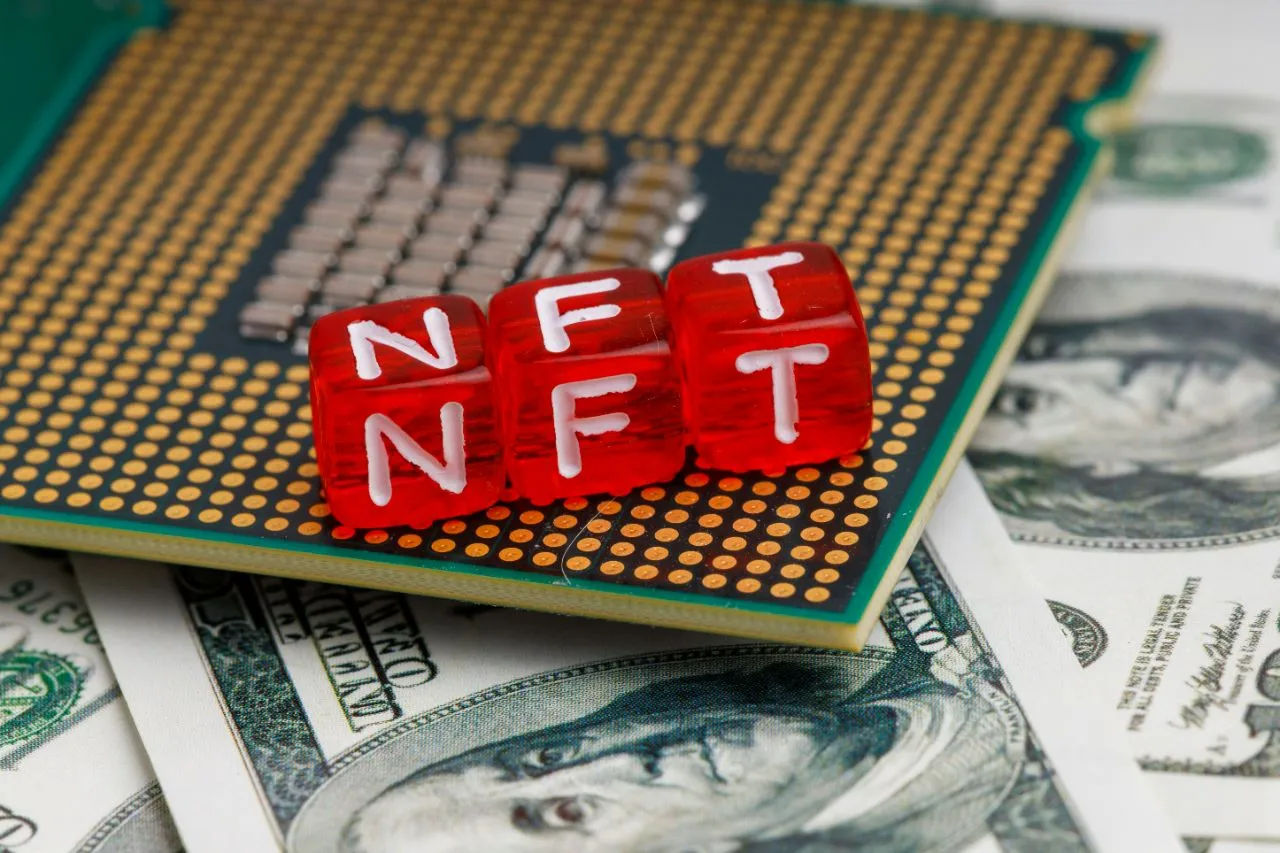
Photo by Andrey Metelev on Unsplash

Lack of definition for NFTs

An NFT is a digital certificate of authenticity that is not fungible or replicable. NFTs tokenize content or assets of various types – from images, music, videos, games and artworks to real-estates – by assigning a unique token ID to them. Many see 2018 as the year NFT technology was first introduced. 


Despite its wide range of applications, no legal definition has been made for NFTs. Some view NFTs as technology, and others as virtual assets or securities. The Korean government decided not to recognize NFTs as virtual assets under the Virtual Asset Protection Act (Virtual Asset Act), effective in July. Behind this decision is a perception that NFTs are less likely to pose significant risks to the market, as a large portion of NFTs are now traded by collectors seeking to expand their private collections. 


However, NFTs are increasingly seen as speculative destinations by many investors over time, as prices of virtual assets including BTC surge. This shift backs the local movement to recognize NFTs as well as spot bitcoin ETFs as virtual assets.


Opposition from NFT businesses

Blockchain industry insiders say defining NFTs is of utmost importance, noting that classifying NFTs as virtual assets headfirst could deal a heavy blow to businesses in this sector. One finance insider mentioned that defining NFTs comes down to understanding their purposes and how they are utilized. If NFTs are primarily used for speculative purposes or as currency, they could be recognized as virtual assets, the person said. 


The biggest resistance is coming from NFT-related businesses. That is because recognizing NFTs as virtual assets would require these businesses to obtain a virtual asset service provider (VASP) license from the financial authority, which takes significant costs and workforce in the process.


A CEO of a blockchain startup, who preferred to remain anonymous, expressed concerns about the possibility of NFTs becoming virtual assets, saying that such recognition would enable NFT transaction tracing, potentially leading to severe violations of human rights.


While many industry insiders expect that the financial authorities will bring NFTs under the forthcoming Virtual Asset Act, the FSS stated that no decisions have been made regarding details of the upcoming meeting with the U.S. SEC. 

More to Read
View All
Web3 & Enterprise·

Sep 29, 2023

OKX Ventures Invests in Data Bridging Protocol

OKX Ventures Invests in Data Bridging ProtocolOKX Ventures, the investment branch of the Seychelles-headquartered cryptocurrency exchange OKX, has made a strategic investment in Singapore’s 0xScope.Knowledge graph protocolIn a press release published by GlobeNewswire on Thursday, details of the deal between the venture investor and the data intelligence platform were laid out. 0xScope has carved out a unique niche by offering a knowledge graph protocol tailored for both Web2 and Web3 data, catering to a diverse audience, including developers, traders, and blockchain protocols.At the forefront of the startup’s offering is Scopescan, a blockchain analytics platform that harnesses the potential of the firm’s knowledge graph. Scopescan provides comprehensive data on over 84 million addresses, 600,000 tokens, 1.4 million labeled addresses, and millions of exchange wallets. The platform empowers users to track and analyze on-chain activities across various blockchain networks, a vital feature for the continued growth of the Web3 ecosystem.Dora Yue, the Founder of OKX Ventures, emphasized the crucial role of data in Web3’s three core technological pillars: cross-chain integration, decentralized storage, and privacy computing. Through its knowledge graph technology, 0xScope has made strides in advancing these areas. The collaboration between OKX Ventures and 0xScope has the potential to accelerate the development of Web3.Photo by Conny Schneider on UnsplashUndisclosed investment sumWhile the exact investment amount remains undisclosed, the deal signifies OKX Ventures’ interest in supporting 0xScope’s mission of decentralizing and democratizing Web2 and Web3 data sources. Together, they aspire to create an open-source environment that facilitates seamless uploading, downloading, validation, and processing of data within the Web3 realm.OKX Ventures, as the investment arm of OKX, boasts an initial capital pool of $100 million. It actively explores promising blockchain projects worldwide and champions innovative technology solutions. The collaboration with 0xScope aligns perfectly with their mission to drive innovation and progress in the blockchain and crypto sectors.Moonbox investmentIn addition to its investment in 0xScope, OKX Ventures recently allocated $1 million to Moonbox, a Hong Kong-based startup focused on artificial intelligence and Web3 technologies. This strategic move reinforces OKX Ventures’ dedication to nurturing cutting-edge technologies and further solidifies its presence in the blockchain and crypto space.Meanwhile, 0xScope is on a mission to democratize and decentralize connectivity in Web2 and Web3 data. Their unique ability to track all associated addresses of an entity offers what the firm believes to be unparalleled insights into user behavior across different addresses and blockchain networks. This capability positions it at the forefront of the Web3 data revolution.With their combined expertise and resources, the two companies are set to drive innovation, foster inclusivity, and empower users in the evolving Web3 ecosystem. Uplifted in having secured the deal, the 0xScope team took to X (formerly Twitter), stating:“Looking forward to collaborating and contributing to the growth of the OKX ecosystem. Together, let’s drive innovation and empower the future of decentralized finance!”With 0xScope gearing up to introduce new features in the fourth quarter of 2023, there’s likely to be more news to follow from the Singaporean startup relative to the future development of Web3 data.

news
Policy & Regulation·

Sep 19, 2023

Kazakhstan Launches NPC With CBDC Implementation by 2025

Kazakhstan Launches NPC With CBDC Implementation by 2025Kazakhstan’s National Bank (NBK) has unveiled the National Payment Corporation (NPC), a dedicated entity responsible for spearheading the development and launch of the country’s central bank digital currency (CBDC), known as the digital tenge.In a press release published last Friday, the NBK set out that the launch of the NPC is effectively a restructuring of the Kazakhstan Center for Interbank Settlements. The new entity has been entrusted with overseeing the national payment system.This mandate includes overseeing critical functions like interbank clearing services, facilitating money transfers, and managing digital identification. However, the NPC’s central mission revolves around establishing a robust “digital financial infrastructure” with a primary focus on realizing the digital tenge.Photo by Uladzislau Petrushkevich on Unsplash2025 targeted launch dateThe journey toward the digital tenge began in February of this year, with an ambitious launch date set for 2025. Deputy Governor of the NBK, Berik Sholpankupov, initially articulated a vision centered on a “collaboration between traditional finance and DeFi,” aimed at significantly improving financial inclusion and strengthening international trade.As of now, the CBDC pilot in Kazakhstan has advanced to a controlled environment pilot phase involving actual consumers and merchants. One of the key partners in this venture is Binance, the world’s largest cryptocurrency exchange. Binance is actively supporting the pilot through its technical solution, BNB Chain, marking a convergence between traditional financial institutions and the blockchain-based cryptocurrency sector.Kazakhstan’s pursuit of CBDCs aligns with a global trend as numerous countries worldwide explore the potential of CBDCs. An astounding 105 countries, representing a substantial 95% of the global gross domestic product (GDP), are currently exploring the concept, highlighting the collective recognition of the transformative potential of digital currencies in shaping the future of finance.Last week it emerged that the NBK had entered into a collaboration with the global financial messaging service SWIFT relative to the beta-testing of a CBDC.Attracting global exchangesIn a move that bolsters the development of crypto in the central Asian country, Binance launched a regulated digital asset platform in collaboration with the local Freedom Finance Bank. Around the same time, Bybit secured in-principle approval to trade within the country from the local regulator.Kazakhstan’s proactive stance toward cryptocurrency is also evident in its taxation policies. In 2022, the government collected approximately $7 million in tax payments from cryptocurrency mining entities following the implementation of revised regulations governing the fiscal responsibilities of cryptocurrency mining.Additionally, the government introduced legislation aimed at curbing excessive energy consumption by domestic crypto miners, instituting licensing requirements, and making minor adjustments to the taxation framework.Kazakhstan’s steps in establishing the National Payment Corporation and venturing into the realm of CBDCs reflect the country’s interest in embracing the digital era and staying at the forefront of financial innovation. As the industry looks on, Kazakhstan’s digital tenge project could serve as a model for others seeking to bridge the gap between traditional finance and the exciting possibilities of DeFi.

news
Web3 & Enterprise·

May 03, 2023

Momentica’s NFT Photo Cards Captivate K-Pop Enthusiasts

Momentica’s NFT Photo Cards Captivate K-Pop EnthusiastsMomentica, a fan-artist engagement platform, has been captivating K-pop enthusiasts with NFT photo cards featuring their favorite artists.Dunamu and HYBELevvels, the company behind Momentica, has garnered significant attention from both the tech and the entertainment industries, as it is a joint venture between Dunamu, the operator of Korea’s leading crypto exchange, and HYBE, the agency representing world-renowned boy band BTS.K-pop photo cardsOne of the primary goals of this promising company is to introduce the K-pop fandom culture to global audiences. K-pop fans enjoy collecting photo cards featuring their favorite singers or actors, and thanks to blockchain technology, these cards can now be transformed into non-fungible tokens (NFTs), ensuring their authenticity and preventing forgeries and counterfeits. Dunamu’s blockchain expertise has combined with HYBE’s intellectual property to create a range of collectible items for K-pop fans.In a recent interview with Donga Ilbo, Levvels CEO Cha Sang-hoon explained the company’s current status and future plans. Cha said that Levvels is primarily a blockchain-based Web3 company aiming to leverage various technological tools to offer a range of services.Levvels’ Momentica issues digital photo cards called TAKEs, which capture unique and memorable moments of artists, and the collection, appreciation, and trading of these cards are facilitated through the Momentica app. Fans can use Momentica to collect digital cards featuring artists such as Seventeen, Le Sserafim, and Fromis_9. The authenticity of TAKEs is verifiable, as they are recorded on the blockchain.© Pexels/Sebastian ErviPhysical to digitalMomentica transitions the fan experience from the physical world to the digital realm. Through the app, K-pop aficionados can now exchange photo cards, promote their favorite stars, and maintain a virtual album. Exclusive content, including pictures, videos, and handwriting from some artists, will be available only on Momentica.Cha mentioned that Momentica has users across 93 countries, with Koreans constituting 40% of the total. Japanese users represent over 30%, indicating the app’s strong presence in the Japanese market. Taiwan, Indonesia, and the US follow in the number of users. Overall, the app’s popularity aligns with regional interest in K-pop.Beyond HYBEWhile the current service focuses on limited collections of digital photo cards, Momentica plans to enhance the experience by allowing K-pop fans to personalize and directly exchange cards. The company is also working on collaborations with artists from labels beyond HYBE for them to participate in Momentica.

news
Loading