Top

DeSpread partners with Arbitrum to build ecosystem for Korean developers

Web3 & Enterprise·February 29, 2024, 5:31 AM

DeSpread, a Korea-based consulting firm specializing in Web3 and blockchain, announced today its partnership with Arbiturm, a Layer 2 network built on the Ethereum blockchain. This news was reported by local media outlet Etoday. Through the partnership, DeSpread aims to create an ecosystem for Arbitrum developers, seek collaboration with Korean enterprises and attract more onchain users. 

https://asset.coinness.com/en/news/9a1c8350d1d3256caffcfaf08199cb89.webp
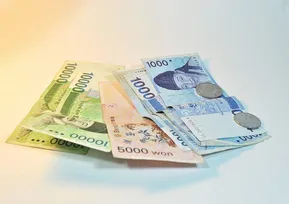
Photo by Sigmund on Unsplash

Arbitrum is one of the largest Layer-2 blockchains operating on the Layer-1 Ethereum network, designed to address the scalability issue of the ETH network. DefiLlama, a DeFi total value locked (TVL) aggregator, shows that Arbitrum has the fourth largest TVL among all chain networks, and the largest TVL among ETH-based Layer 2 networks.


To foster Arbitrum-based services, DeSpread plans to distribute research content and development guides to Korean developers in an effort to bring down the language and cultural barriers when working with Arbitrum. Regular events featuring Arbitrum experts are also in store, set to be held both online and in-person formats. These efforts are intended to help companies seeking to adopt blockchain technologies collaborate with Arbitrum.  


Forging an ecosystem within the Korean ETH community

Jeff Kim, Head of operation at DeSpread, expressed his excitement about the partnership with Arbitrum, saying that Arbitrum is the network showing the strongest performance among all Layer 2 solutions on the ETH network. He added that Despread plans to support Arbitrum so that it can create its ecosystem within the Korean Ethereum community and raise its brand awareness.


Nina Rong, Head of Ecosystem Development at Arbitrum, stated that Arbitrum has long been keeping an eye on Korea’s blockchain ecosystem. The partnership will help Arbitrum strengthen its position in the Korean market and shape a developer-friendly environment for individuals and businesses, she said.

More to Read
View All
Policy & Regulation·

May 12, 2023

LDP Working Group Proposes Web3 Industry Plan to Japan’s Prime Minister

LDP Working Group Proposes Web3 Industry Plan to Japan’s Prime MinisterJapan’s ruling Liberal Democratic Party (LDP) announced that its Working Group for Digital Society Promotion presented a proposal related to the Web3 industry to Prime Minister Kishida Fumio on Tuesday. The information was made public on the party’s website and later reported by the Korean crypto media outlet Tokenpost.Photo by Jezael Melgoza on UnsplashImproved crypto regulationsThe comprehensive 35-page study favorably reviewed the enhanced cryptocurrency regulations implemented by the Japanese government following the 2014 Mt. Gox breach and the 2018 Coincheck hack. The study credits these improved regulations for nurturing Japan’s robust Web3 ecosystem, which received global attention amidst the recent crypto winter. This term refers to a period marked by a sustained downturn in cryptocurrency values.Japanese crypto exchanges demonstrated prudence by refraining from listing most of the problematic tokens on their platforms, thereby averting panic within the market. This cautious approach was supported by Japanese law, which mandates crypto exchanges to securely store customers’ staked tokens separately. As a result, they were shielded from the repercussions of the FTX bankruptcy, which arose due to a liquidity crisis of FTT, the global crypto exchange’s native token.Significance of security tokensThe paper optimistically projected that Japan could lead the way in passing through the crypto winter ahead of other countries, citing the nation’s track record of overcoming numerous challenges in the industry. The authors highlighted the exit of speculative projects from the sector, balanced by the rise and continuous growth of new blockchain-based businesses. The report underscored the significance of tradable security tokens, which leverage blockchain technology to represent assets or rights.The adaptable nature of blockchain technology was emphasized, particularly its potential to incentivize social activities like volunteering. This versatility enables the broader public to actively participate in monitoring and addressing issues related to deteriorating infrastructure, thereby reducing associated management costs across society.Crypto taxationThe proposal also addressed the issue of crypto taxation, arguing for enhancements to the token investment environment to bolster blockchain-driven businesses. Currently, Japan taxes tokens held by corporations, discouraging domestic investment and stifling the growth of the Japanese Web3 ecosystem. To rectify this, the paper suggested exempting tokens issued by a third party from taxation if they are not intended for short-term trading.Moreover, the authors addressed the high taxation rates facing retail investors in Japan, which can reach up to 55% on income from crypto trading. This stricter tax regime compared to other countries has led many taxpayers to seek investment opportunities abroad. The authors suggested improvements to create a more investor-friendly environment.Token listing procedureThe proposal also included recommendations concerning token listings. In Japan, crypto exchanges are currently obligated to undergo a preliminary review conducted by the Japan Virtual and Crypto Assets Exchange Association (JVCEA) before listing tokens. It was suggested that the review process should be further refined to enhance efficiency.Yen stablecoinsThe authors emphasized the importance of introducing and circulating yen stablecoins to foster the growth of the Japanese Web3 industry, necessitating the development of a sustainable business model for these stablecoins.Content & Web3Furthermore, the proposal underscored the need for clear guidelines to discourage gambling behaviors and promote responsible usage within the NFT space. It advocated for the establishment of an industry organization bridging the content industry and the Web3 industry, which would facilitate collaboration and collective efforts towards a robust NFT ecosystem in Japan. Measures to protect Japanese content and data from unauthorized monetization by foreign entities were also recommended.According to an industry official who spoke with Tokenpost, Japan’s extensive preparations for the Web3 initiative have instilled confidence in the sector. The official highlighted that the country is currently exploring ways to establish connections between these new projects and existing industries, with the goal of maximizing their economic potential and generating fruitful outcomes.

news
Markets·

Feb 16, 2024

Bitcoin-Yen pair sets new record amid pressure on Japan’s fiat currency

Early on Thursday bitcoin surged to a record high in terms of its valuation in Japanese yen, outpacing its valuations in other leading fiat currencies such as U.S. dollars, euros, British pounds and Australian dollars. Currency devaluationThis increase in yen valuation can be attributed to the recent depreciation of the Japanese currency against the backdrop of continued money printing by the Bank of Japan (BoJ) and resurging inflation, which have collectively weakened sentiment surrounding the yen. Fiat currencies, including the Japanese yen, lack backing by hard assets and derive their value solely from market perceptions. The current rally of bitcoin is indicative of the prevailing market sentiments, with the yen exhibiting particular vulnerability among major fiat currencies. For instance, early market activity on Thursday witnessed bitcoin, often hailed by proponents as digital gold, hitting a fresh all-time high of 7.9 million yen on Tokyo-based cryptocurrency exchange bitFLYER. In contrast, the cryptocurrency's dollar-denominated price hovered above $52,000, still 32% below its peak of $69,000 in November 2021. This price disparity underscores the strain on the Japanese yen, fueled by the Bank of Japan's persistent liquidity easing measures, rising inflationary pressures and indications of economic fragility.Photo by jun rong loo on UnsplashEntering recessionThis recent surge coincides with reports confirming Japan's descent into an economic recession by the end of the previous year, slipping to fourth place behind Germany in terms of the world’s largest economies. While central banks worldwide, including the Federal Reserve, aggressively raised interest rates in attempts to curb inflation, the Bank of Japan maintained near-zero interest rates and continued printing fiat currency. A recession characterized by inflation without corresponding growth prompts investors to seek refuge in safer havens like gold and digital gold. With that, there could be further opportunities for bitcoin to make further in-roads in Japan. In 2023, Japan's core inflation, excluding volatile food and energy components from the consumer price index (CPI), rose by 3.1%, marking its most significant increase since 1982. Consequently, the yen depreciated to a 33-year low against the dollar, declining by 13% and 7.5% against the dollar previously, with an additional 6.4% decrease this year. Bitcoin's persistent premium in Japanese yen terms suggests that it may continue to maintain higher valuations unless the Bank of Japan accelerates its exit from the ultra-loose monetary policy it has been pursuing. That would make yen holdings relatively more attractive compared to other assets. Although a complete regulatory framework for digital assets in Japan is still lacking, the country has recently moved to make tax rules more crypto-friendly. Bitcoin's elevated valuation against the Japanese yen underscores the challenges facing Japan's fiat currency, driven by monetary policy decisions and economic uncertainties.

news
Policy & Regulation·

Sep 04, 2023

Korean Financial Authority Orders Suspension and Levies $1.4M Fine on Crypto Lender Delio

Korean Financial Authority Orders Suspension and Levies $1.4M Fine on Crypto Lender DelioDelio, a cryptocurrency lending company based in South Korea, has received a directive from the financial regulatory authority to cease its operations for a duration of three months, according to local news agency Yonhap. Additionally, the company has been levied with a fine amounting to KRW 1.896 billion ($1.4 million).Photo by Riva Ferdian on UnsplashExecutive dismissal recommendedThis announcement was made on September 1 by the Financial Intelligence Unit (KoFIU) under the South Korean Financial Services Commission. In addition to the measures mentioned above, the KoFIU advised the company to remove one of its executives.As a virtual asset service provider (VASP) registered with the financial regulatory authority, Delio offered deposit services with an annual yield reaching up to 10.7%. However, in June of this year, the company abruptly halted its withdrawal services, prompting investigations conducted by both the KoFIU and public prosecutors.Involvement with unregistered VASPsThe KoFIU saw that Delio had engaged in trading activities with unregistered VASPs and had also breached the restrictions on the trading of affiliate-issued virtual assets. These actions are prohibited under the Financial Transaction Information Act.The financial authority identified a total of 171 instances in which Delio facilitated the transfer of its customers’ virtual assets to unregistered VASPs located outside the country. Additionally, the authority also uncovered the company’s engagement in storing the virtual assets of unregistered VASPs.It was also discovered that Delio had not only neglected to assess the risks of money laundering before introducing new products or services but had also failed to fulfill Know Your Customer (KYC) obligations.

news
Loading