Top

Metaplanet boosts Bitcoin holdings during economic uncertainty

Web3 & Enterprise·July 01, 2024, 11:49 PM

Japanese investment firm Metaplanet has increased its Bitcoin holdings, purchasing an additional 20.195 BTC for approximately 200 million yen ($1.2 million), as announced after the Tokyo Stock Exchange closed on Monday. This acquisition brings the firm's total holdings to 161.2677 BTC, valued at over $10.1 million. According to The Block, the recent purchase is part of a broader strategy, initiated with the company's decision to allocate 1 billion yen ($6.3 million) for Bitcoin acquisitions funded by an upcoming bond issuance. This move follows a previous buy in June worth 250 million yen.

https://asset.coinness.com/en/news/a83fab0d99dd69533324db7538c859f2.webp
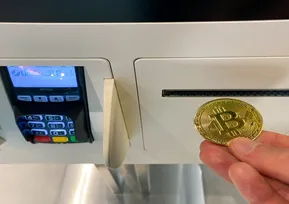
Photo by Traxer on Unsplash

Strategic investment response

Metaplanet's investment strategy mirrors that of U.S.-based MicroStrategy, which has significantly integrated Bitcoin into its treasury assets. MicroStrategy currently holds 226,331 BTC, amounting to more than 1% of the total Bitcoin supply. Citing economic challenges like high government debt and the depreciating yen, Metaplanet views Bitcoin as a hedge against economic instability. Following Metaplanet’s latest acquisition, its stock saw a 1% rise on Monday, with an overall increase of 233% since it began investing in Bitcoin.


More to Read
View All
Web3 & Enterprise·

Aug 05, 2023

Bitget Report Finds Gen Z Dominates Crypto Copy Trading

Bitget Report Finds Gen Z Dominates Crypto Copy TradingA recent report by Bitget, the Seychelles-headquartered crypto exchange, sheds light on the growing trend of copy trading among younger investors, particularly Gen Z.Photo by rc.xyz NFT gallery on Unsplash44% under 25The report, released on Thursday, reveals that an impressive 44% of all copy traders on the platform are under the age of 25, indicating a strong inclination among this generation towards this type of investment and trading strategy.Copy trading, or social trading, involves emulating the trading activities of established investors. Bitget’s findings indicate that the younger demographic is more receptive to this approach, with individuals aged 25 to 35 constituting just under one-third of all copy traders. Comparatively, individuals aged 35 to 55 represented 17% of copy traders, while those over 55 constituted a mere 7%.Reliance on influencersInterestingly, this trend aligns with Generation Z’s penchant for seeking advice from social media influencers. Bitget’s report highlights that Gen Z’s tendency to turn to these influencers for investment decisions could be a driving factor behind their affinity for copy trading.A survey by Forbes Advisor in January found that approximately 80% of both Gen Z and millennials rely on financial advice from social media platforms. Notably, platforms like YouTube, Reddit, and TikTok have gained their trust, with half of the respondents claiming to have profited from advice received.The report also reinforces crypto’s status as the preferred investment choice among Gen Z. A joint study by the CFA Institute and the Financial Industry Regulatory Authority (FINRA) Foundation in May revealed that crypto was the most popular investment option for Gen Z in the United States, a striking 44% of Gen Z investors initiated their investment journey with cryptocurrencies, surpassing the 35% of millennials who did the same.Geographical differencesThe trend extends beyond the US, with 43% of British and 35% of Canadian Gen Z investors indicating crypto as their inaugural investment.Geographically, Bitget’s report showcases intriguing patterns among its copy-trading user base. While nearly a third of users hail from Western Europe, almost half originate from East or Southeast Asia. This distribution highlights the global reach of the platform and the appeal of copy trading across diverse regions.Of note, despite constituting only 1% of Bitget’s global copy traders, a remarkable 62% of African users expressed interest in copy trading. This proportion stands as the highest among all regions surveyed, reflecting a growing appetite for innovative investment methods on the African continent.Bitget’s report underscores the evolving landscape of investment practices, with Generation Z at the forefront of embracing new approaches like copy trading. It also builds on prior initiatives and research undertaken by the firm. In May Bitget launched a corporate social responsibility (CSR) project titled “Blockchain4Youth.” That initiative revealed that Bitget understands that the younger generation is where the greatest opportunity for mass market adoption lies for crypto and Web3.As the influence of social media on financial decisions continues to rise, the crypto industry may see further shifts in investment patterns and strategies among different demographic groups.

news
Policy & Regulation·

Aug 19, 2023

Taiwan Proposes New Crypto Business Category

Taiwan Proposes New Crypto Business CategoryWith regulation having trailed the crypto innovation, more recently it seems like every day brings further developments, with the latest installment seeing Taiwan take a significant step forward. Officials in Taipei are proposing the classification of crypto regulations within their own novel business category.Photo by Jack Brind on UnsplashFostering self-regulationThe move aims to potentially allow cryptocurrency-related companies to establish industry associations, ultimately fostering the creation of self-regulatory guidelines. The Ministry of Economic Affairs, in a recent announcement, unveiled its draft amendment to the Standards of Classification of Commercial Group regulations. This proposed amendment centers on the inclusion of a distinct category for digital asset services.An official from the economic ministry informed The Block that the freshly introduced business category outlines the scope of operations within the cryptocurrency sector. This encompasses various activities, such as cryptocurrency to fiat or digital token exchanges, facilitating cryptocurrency transfers, offering services for crypto storage and management, and providing assistance related to cryptocurrency issuance or sales.The official further elaborated that cryptocurrency firms will be permitted to form industry associations once the proposed business category is successfully incorporated into the relevant regulations. Seeking public input, the ministry anticipates finalizing the amendment in collaboration with the Ministry of the Interior in either mid- or late-October.Encouraging trade associationsBy allowing the establishment of industry associations, cryptocurrency companies can proactively devise self-supervisory rules that address industry-specific challenges and concerns. This move is anticipated to bolster transparency, security, and responsible conduct within the cryptocurrency ecosystem.Taiwan’s approach to virtual asset services providers (VASPs) has mandated compliance with anti-money laundering laws since the implementation of anti-money laundering regulations by the Financial Supervisory Commission in July 2021. However, the overall industry remains relatively unregulated within the country.Binance, the world’s largest cryptocurrency exchange, has recently embarked on the process of obtaining registration for anti-money laundering compliance under the FSC.Regulatory guidelines being draftedAs the regulatory landscape evolves, Taiwan’s FSC, which assumed its role as the principal regulator overseeing the crypto industry in March, is actively formulating comprehensive guidelines. These guidelines will cover trading and payment aspects associated with cryptocurrencies for VASPs.An FSC official revealed that the agency plans to unveil the VASP guidelines by the end of September. It’s understood that the guidelines will comprise thirteen regulatory principles. It’s believed that the issuance of crypto assets will be permitted but that stablecoin issuance will be prohibited. One prerequisite for the issuance of digital assets will be a requirement to accompany that issuance with a comprehensive whitepaper, detailing fundamental and necessary information that investors can review, relative to the token offering.Taiwan’s proposition of a novel business category signifies a pivotal move towards enhanced self-regulation and industry cohesion within the cryptocurrency sector. As the regulatory framework takes shape, the introduction of self-regulatory guidelines is poised to contribute to the responsible growth of the cryptocurrency industry in Taiwan.

news
Policy & Regulation·

May 31, 2023

UAE Issues New Guidance on Crypto AML Measures

UAE Issues New Guidance on Crypto AML MeasuresUnder new guidance issued by the Central Bank of the United Arab Emirates (UAE), crypto businesses will be subject to strengthened anti-money laundering (AML) and countering the financing of terrorism (CFT) measures.Photo by Joshua Miranda on PexelsTightening AML regulationThe guidance, first compiled in February but released on Wednesday, which takes into account the recommendations of the Financial Action Task Force (FATF), has been introduced to enhance the supervisory and regulatory frameworks and combat financial crimes. The rules are set to come into effect within a month.The Central Bank’s guidance specifically targets Licensed Financial Institutions (LFIs) in the UAE, encompassing banks, finance companies, exchange houses, payment service providers, registered hawala providers, insurance companies, agents, and brokers. These entities will now be required to comply with the new regulations to prevent money laundering and terrorism financing activities.Firm foundationsIn a written statement, His Excellency Khaled Mohamed Balama, Governor of the UAEs Central Bank, expressed the importance of the new guidance in strengthening efforts to combat financial crimes. He emphasized the commitment to protecting the financial and monetary system’s soundness and stability, aligning with the FATF standards.The issuance of the guidance comes as the UAE aims to attract crypto businesses to the region by offering a welcoming but effective regulatory framework. In March, Dubai unveiled a dedicated agency responsible for virtual asset regulation, signaling its commitment to fostering a favorable environment for crypto-related activities. Its Virtual Assets Regulatory Authority (VARA) has also taken action against what it deems to be unregulated activity in the crypto space recently.That action together with the approaches taken by Abu Dhabi and at a national level the UAE itself with respect to digital asset licensing is indicative of a territory that is setting out the right foundation upon which to develop the innovative sector. The approach taken by regulators in the UAE has garnered praise from major crypto firms, including Coinbase, who have applauded the region’s proactive stance on regulation.The strengthened regulatory framework is expected to contribute significantly to the UAE’s ongoing efforts to prevent money laundering and the financing of terrorism. By implementing these measures, the UAE aims to safeguard the integrity and stability of its financial and monetary systems while fostering a secure environment for crypto businesses to thrive.Global regulatory effortsThe UAE’s AML guidance comes amid ongoing efforts globally to come to terms with virtual assets. Tomorrow Japan will implement its adherence to the FATF travel rule regulation relative to digital assets. Crypto businesses like bitFlyer are already adjusting to that eventuality, while also implementing a similar standard in international markets.As the UAE continues to position itself as a leading hub for the crypto industry, the introduction of these new AML rules demonstrates its proactive approach to regulation. The collaboration between the Central Bank and other global regulatory bodies, such as the FATF, showcases the UAE’s commitment to international cooperation and the sharing of knowledge and best practices in the ever-evolving crypto landscape.

news
Loading