Top

Philippines leading charge in Asia amid global bitcoin payment surge

Markets·January 09, 2024, 2:47 AM

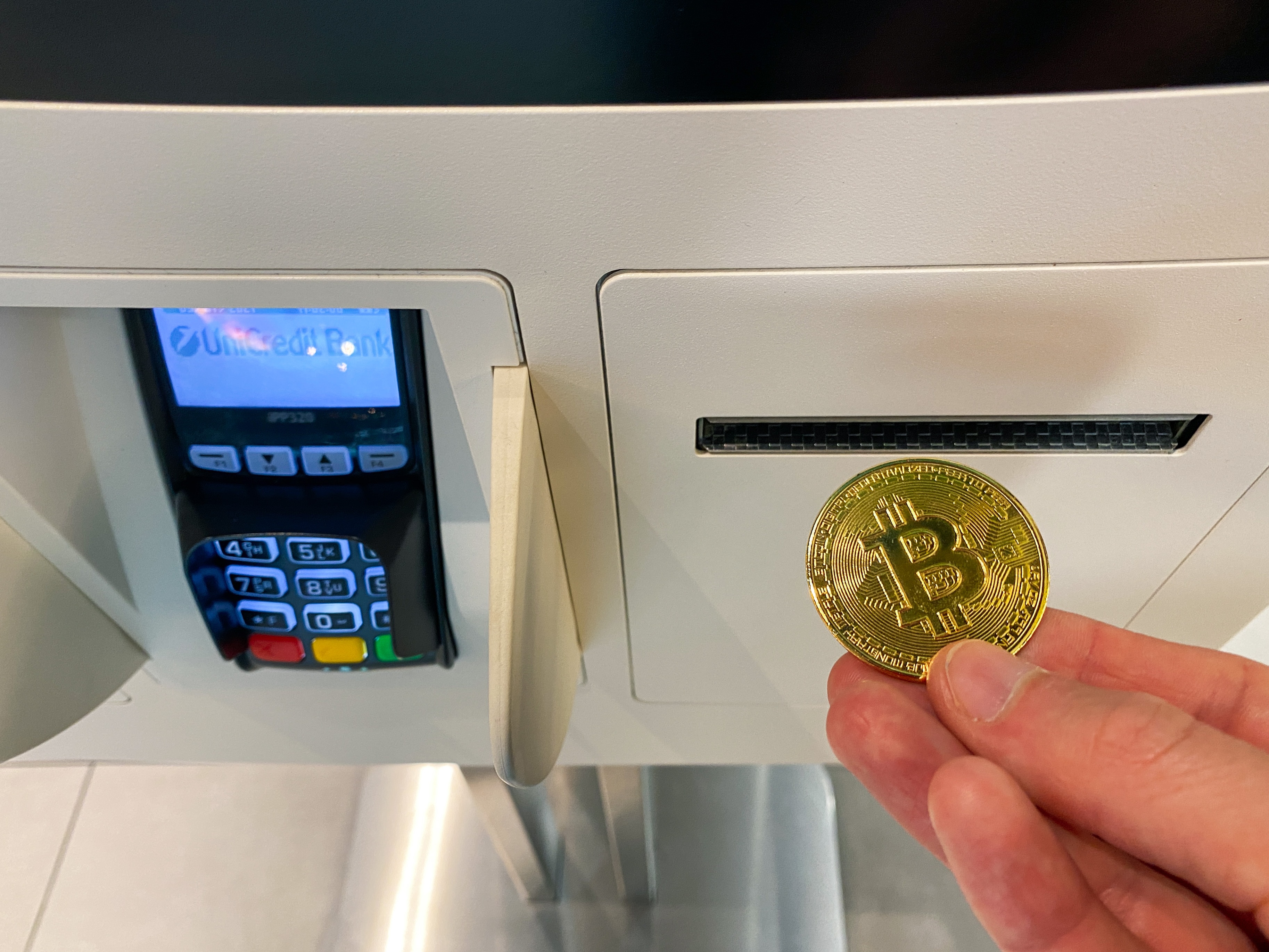
Bitcoin's global merchant acceptance witnessed a substantial surge, growing by 174% throughout 2023, with the Philippines proving itself in leading the way within the Asian region.
https://asset.coinness.com/en/news/062d28d85a56dde233f53ec1f8abcc99.jpg
Photo by rc.xyz NFT gallery on Unsplash

Region facing regulatory restrictions

That’s according to BTC Map, a provider of bitcoin merchant mapping services. The data, derived from BTC Map's open-source mapping data via OpenStreetMap, revealed that the number of venues accepting bitcoin payments surged from 2,207 at the beginning of the year to 6,126 by the year's end. This diverse array of businesses included restaurants, bars, shops and various services.


The expansion of bitcoin vendors is a global phenomenon, with concentrations notably observed in Europe, the United States and Latin America. The Philippines stands out in Asia with hundreds of vendors, while regulatory restrictions in East Asia, especially China, have limited adoption.


While it's great to see a high level of direct adoption among Filipino merchants, it's easy to understand why this level of adoption hasn’t been matched within Asia’s largest market. China has had a long-standing ban on cryptocurrency trading, mining or its use as a means of payment. Despite the ban, it appears that crypto trading is still alive and well in China, although beneath the surface.


With mining too, while the sector shrank considerably once a ban was imposed, there is believed to be a significant ongoing level of bitcoin mining occurring still within China’s borders. However, when it comes to vendors, this is likely to be an activity that is far too visible to the authorities and with that, China’s 1.4 billion citizens are not getting the opportunity to buy goods and services with the world’s leading cryptocurrency.


Compounding matters, the Chinese authorities have been working diligently on a myriad of projects to bring about day-to-day retail use of the country’s central bank digital currency, the digital yuan. Those efforts are not likely to be aligned with an accommodation of or tolerance of bitcoin payments.


The increase in merchant listings showcased a slight decline from the peak in September, which reached 6,590 merchants. BTC Map's platform allows businesses and users to tag locations accepting bitcoin payments, with the rise in numbers potentially attributed to increased user contributions to the database.


This surge in bitcoin adoption globally occurred against the backdrop of the cryptocurrency's price volatility throughout the year. Despite potential limitations in data collection due to its reliance on volunteer contributions, the overall trend indicates a growing acceptance of bitcoin.


Ongoing challenges to adoption

A panel of bitcoin leaders at the Plan B conference in October discussed the challenges and opportunities of global bitcoin adoption. Notably, they highlighted the difficulty of onboarding new users and merchants, particularly in diverse cultural contexts. In El Salvador, where bitcoin is legal tender, obstacles persist in convincing merchants to accept bitcoin payments.


Geographically, concentrations of bitcoin-accepting vendors were more prevalent in Central and South America, while Africa and Asia demonstrated fewer such establishments. The United States and Europe led in the global count of crypto-friendly merchants.


The panel stressed the importance of education in overcoming these challenges, emphasizing the need for user-friendly applications to facilitate mainstream adoption, moving away from complex technologies. As bitcoin continues its global expansion, the industry recognizes the vital role education and user-friendly solutions play in fostering broader acceptance.


 

More to Read
View All
Web3 & Enterprise·

Nov 15, 2024

Coincheck to become first Japanese crypto exchange to list on Nasdaq

Coincheck, a subsidiary of Monex Group, a Tokyo-based global financial services firm, has gained U.S. Securities and Exchange Commission (SEC) approval to become the first Japanese crypto exchange to list on the Nasdaq, an American stock exchange.Photo by Denys Nevozhai on UnsplashSPAC mergerThe approval by the U.S. regulator was filed on Nov. 13. The listing has been enabled due to the company’s decision to enter into a merger with a special purpose acquisition company (SPAC), namely Thunder Bridge Capital Partners (TBCP).  A SPAC raises money through an initial public offering (IPO) to either acquire or merge with an existing company. Opting for a SPAC means that Coincheck can forego a lot of the time and expense that would be necessary if it attempted to effect an IPO on its own. Parent company Monex Group published a statement outlining that Coincheck CEO Yuko Seimei had “been diligently preparing for listing its common stock on the Nasdaq Global Market (“Nasdaq”) through a previously announced business combination with Thunder Bridge Capital Partners.” Possible Nasdaq listing on Dec. 10 In a press release issued by TBCP, the company claimed that the proposed merger is anticipated to close on or about Dec. 10, 2024. That eventuality is subject to stockholder approval, Nasdaq approval and specific closing conditions. Consequently, Coincheck’s Nasdaq listing could potentially happen as early as Dec. 10. TBCP is holding a shareholder vote on the merger on Dec. 5. If all conditions are satisfied to pave the way for listing, the company’s stock will be listed using CNCK as the Nasdaq stock ticker. Once the merger and Nasdaq listing have been accomplished, Coincheck will still remain a subsidiary of Monex Group. The merged business will gain access to $237 million, held in trust by TBCP, with Monex retaining an 82% stake in the company. Furthermore, Thunder Bridge CEO Gary Simanson will lead the new company. The $1.25 billion merger had been in the works since 2022, having faced multiple delays on the path towards merger completion and Nasdaq listing. Coincheck finally filed with the SEC to merge back in May. Parent company Monex has other interests in the digital asset sector beyond its involvement with Coincheck. Last December the company acquired a majority stake in 3iQ Digital Holdings, a Canadian crypto asset management company.Monex has just launched a new brand, Monex Web3, comprising of Monex’s Web3 business portfolio. It also offers a Web3 consulting business, using its local know-how to guide Web3 startups in entering the Japanese market. Coincheck has also engaged in partnerships to assist other firms in gaining access to the Japanese market. Earlier this year the leading Japanese crypto exchange partnered with USD Coin (USDC) stablecoin issuer Circle, in an effort to expand USDC access within the local market. In January 2018 the exchange suffered what was at the time the world’s largest ever digital asset theft, losing $534 million in virtual assets in a hack of the platform.

news
Web3 & Enterprise·

Jan 11, 2024

CoinNess soars to 2nd among news apps in Korea amid bitcoin ETF frenzy

CoinNess, the leading crypto media platform in South Korea, announced today that it has become the country’s largest online community platform for cryptocurrency enthusiasts. 100,000 daily active usersThe virtual asset media outlet revealed that during the second week of January, the average daily active user (DAU) count neared 100,000. The platform also experienced a milestone, with the average concurrent user count surpassing 15,000 for the first time, edging out Coinpan, Korea's preeminent cryptocurrency community website. High ranking in app marketsAdditionally, CoinNess achieved the second position in the Top Charts for free iPhone apps in the news category on the Apple App Store in Korea. The top spot is held by the social media platform X, previously known as Twitter. On the Android Play Store, the CoinNess app ranked 82nd in the finance category and is the fourth most popular among crypto-related apps, trailing behind Bithumb, Upbit and Bitget. The significant increase in CoinNess’ user base can be attributed to the recent surge in interest in spot bitcoin exchange-traded funds (ETFs). More and more Korean investors have turned to CoinNess, finding it crucial to stay informed about the U.S. Securities and Exchange Commission’s (SEC) approval of spot bitcoin ETFs and to begin participating in the cryptocurrency market.Korean crypto market’s prominenceThe prominence of the Korean market in the world of cryptocurrency is highlighted by the Korean won's leading role in the fiat currency trading of bitcoin. According to a Bloomberg report, in November, the Korean won made up 42.8% of all fiat currencies used in bitcoin transactions, surpassing the U.S. dollar. Regarding this development, Kim Jung-ho, CEO of CoinNess, said, “Korean investors generally commit substantially more funds to cryptocurrency investments than the average seen globally. They are keenly attuned to international news and market trends, demonstrating a propensity for analyzing the market from diverse viewpoints.” Established in 2018, CoinNess is a news platform specializing in live updates on virtual asset investment. The media expanded to include an online community in 2021, creating a more holistic experience for its users. In Korea, CoinNess prides itself on having the largest active user base in the cryptocurrency media and community sector. Furthermore, CoinNess stands out as the only business-to-business (B2B) provider of live cryptocurrency news in Korea. It delivers real-time crypto updates to prominent platforms, including Coinone and Gopax, which are among the nation's five largest fiat-to-crypto exchanges. English service in Q1Moving forward, CoinNess is gearing up to launch a new service in the first quarter, offering live, around-the-clock updates on cryptocurrency markets in English to a global audience. As a key partner with Ness LAB, the blockchain research firm responsible for the NESS token, CoinNess seeks to enhance Ness LAB’s efforts to cultivate an information economy within the cryptocurrency sector. 

news
Policy & Regulation·

Jan 11, 2024

BitGo secures in-principle MPI license approval in Singapore

BitGo, an American regulated digital asset custody firm, has achieved in-principle approval from the Monetary Authority of Singapore (MAS) for a Major Payment Institution (MPI) license, marking a significant milestone in its global expansion efforts.Photo by Sergio Sala on UnsplashExtending global footprintIn a recent social media post, BitGo expressed its enthusiasm for the approval, positioning itself closer to providing specialized trading services for non-retail investors. The company sees this as an opportunity to extend its global footprint and offer regulated, secure and trusted solutions in the Asia-Pacific (APAC) region. Lim Ho Beng, BitGo's Asia-Pacific managing director, emphasized Singapore's regulatory clarity regarding digital assets and its status as a leading innovation hub and gateway to the Asia-Pacific as key factors driving BitGo's expansion into the Republic. In a statement provided to The Block, the company outlined that in operating as a crypto brokerage in Singapore, that would position BitGo “as a leading provider of digital asset services for institutional finance throughout APAC.” Expanding service offeringWith the full license on the horizon, BitGo Singapore Pte. Ltd. is aiming to broaden its services in the city-state, facilitating institutional clients in purchasing and selling cryptocurrencies directly from its cold storage custody solution. BitGo CEO Mike Belshe acknowledged the significance of the MAS in-principle approval, particularly following the recent acquisition of the company's German license. Belshe emphasized the company's commitment to providing clients with regulated, secure and trusted solutions as it expands its global presence. Additional licensing successBefore this achievement in Singapore, BitGo had already made notable strides in the global digital asset custody arena. The company secured a crypto custody license from Germany’s Federal Financial Supervisory Authority (BaFin), a crucial step in its European expansion strategy. BitGo Deutschland GmbH, established in 2020, initially operated under a transitional regime in Germany before obtaining the full license, aligning with the company's dedication to operating in regulatory-compliant markets. Dejan Maljevic, BitGo’s Managing European Director, commended BaFin's role as a global trendsetter in crypto regulation, providing a secure regulatory framework that facilitates progress in digital currencies. In addition to its presence in Germany, BitGo obtained approval from the New York Department of Financial Services (NYDFS) for the New York Trust Charter. This authorization allows BitGo to extend its custody services to a broader range of institutional clients in New York, further solidifying its position as a trusted player in the digital asset custody space. BitGo was one of the first crypto custodians to emerge in catering to institutional clients. It will compete with firms like Zodia Custody, a digital asset custodian backed by Japan’s SBI Holdings and British bank Standard Chartered, which launched its services in Singapore last September. In August, BitGo raised $100 million in Series C funding, based on a company valuation of $1.75 billion. The crypto custodian continues to navigate regulatory landscapes globally, emphasizing its commitment to offering secure and compliant solutions to institutional clients across various jurisdictions.

news
Loading