Top

Coincheck to become first Japanese crypto exchange to list on Nasdaq

Web3 & Enterprise·November 15, 2024, 1:36 AM

Coincheck, a subsidiary of Monex Group, a Tokyo-based global financial services firm, has gained U.S. Securities and Exchange Commission (SEC) approval to become the first Japanese crypto exchange to list on the Nasdaq, an American stock exchange.

https://asset.coinness.com/en/news/6ad966bb2b3d845b8112c6f76d33325e.webp
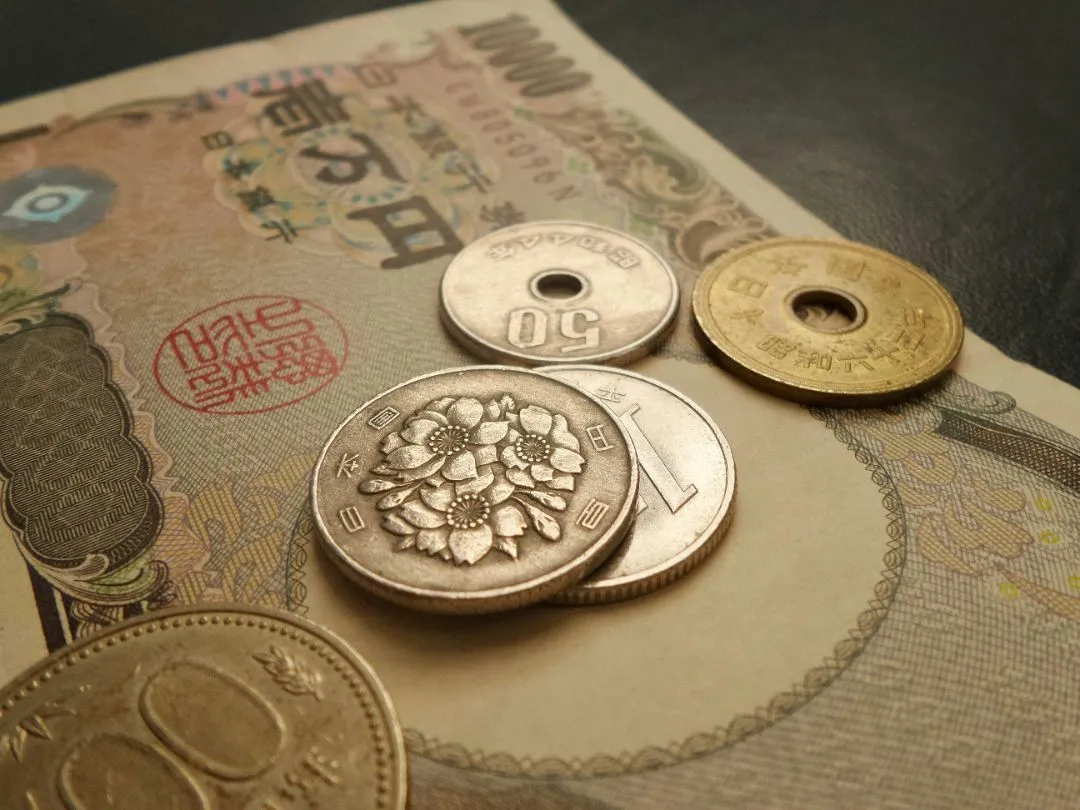
Photo by Denys Nevozhai on Unsplash

SPAC merger

The approval by the U.S. regulator was filed on Nov. 13. The listing has been enabled due to the company’s decision to enter into a merger with a special purpose acquisition company (SPAC), namely Thunder Bridge Capital Partners (TBCP). 


A SPAC raises money through an initial public offering (IPO) to either acquire or merge with an existing company. Opting for a SPAC means that Coincheck can forego a lot of the time and expense that would be necessary if it attempted to effect an IPO on its own.


Parent company Monex Group published a statement outlining that Coincheck CEO Yuko Seimei had “been diligently preparing for listing its common stock on the Nasdaq Global Market (“Nasdaq”) through a previously announced business combination with Thunder Bridge Capital Partners.”


Possible Nasdaq listing on Dec. 10 

In a press release issued by TBCP, the company claimed that the proposed merger is anticipated to close on or about Dec. 10, 2024. That eventuality is subject to stockholder approval, Nasdaq approval and specific closing conditions. Consequently, Coincheck’s Nasdaq listing could potentially happen as early as Dec. 10. TBCP is holding a shareholder vote on the merger on Dec. 5.


If all conditions are satisfied to pave the way for listing, the company’s stock will be listed using CNCK as the Nasdaq stock ticker.


Once the merger and Nasdaq listing have been accomplished, Coincheck will still remain a subsidiary of Monex Group. The merged business will gain access to $237 million, held in trust by TBCP, with Monex retaining an 82% stake in the company. Furthermore, Thunder Bridge CEO Gary Simanson will lead the new company.


The $1.25 billion merger had been in the works since 2022, having faced multiple delays on the path towards merger completion and Nasdaq listing. Coincheck finally filed with the SEC to merge back in May.


Parent company Monex has other interests in the digital asset sector beyond its involvement with Coincheck. Last December the company acquired a majority stake in 3iQ Digital Holdings, a Canadian crypto asset management company.

Monex has just launched a new brand, Monex Web3, comprising of Monex’s Web3 business portfolio. It also offers a Web3 consulting business, using its local know-how to guide Web3 startups in entering the Japanese market.


Coincheck has also engaged in partnerships to assist other firms in gaining access to the Japanese market. Earlier this year the leading Japanese crypto exchange partnered with USD Coin (USDC) stablecoin issuer Circle, in an effort to expand USDC access within the local market.


In January 2018 the exchange suffered what was at the time the world’s largest ever digital asset theft, losing $534 million in virtual assets in a hack of the platform.

More to Read
View All
Policy & Regulation·

Jun 28, 2023

Hong Kong Web3 Companies Invest Millions in VASP Licenses

Hong Kong Web3 Companies Invest Millions in VASP LicensesWeb3 firms in Hong Kong are making significant financial investments to obtain Virtual Asset Service Provider (VASP) licenses.According to a report by Foresight News on Tuesday, the cost of these licenses is ranging between 20 million and 200 million Hong Kong dollars ($2.55 million and $25.5 million).Industry sources explained to the publication that the high costs are due to the lack of existing infrastructure in traditional financial institutions, requiring significant investments in various aspects such as products and teams. Even experienced cryptocurrency institutions find the cost of obtaining a license to be substantial.Photo by Daniam Chou on UnsplashEarly licenseesAnalysts at Foresight highlighted that several Hong Kong subsidiaries of exchanges, including OKX, BitgetX, HashKey Pro, OSL, and Gate.io, have already commenced operations. OKX, in particular, has witnessed impressive growth in Hong Kong, with 8,800 registered users and a cumulative trading volume of $150 million as of June 27.To regulate the cryptocurrency exchange industry, Hong Kong introduced new VASP licensing requirements on June 1.These requirements mandate firms to disclose user statistics and company financials to the Securities and Futures Commission (SFC) of Hong Kong for regulatory approval. Exchanges that fail to comply with the requirements will be compelled to halt operations in the special administrative region (SAR) by mid-next year.Virtual asset ratingsOn the same day, the Hong Kong Virtual Asset Consortium unveiled its virtual asset index, which encompasses major cryptocurrencies such as Bitcoin, as well as altcoins and privacy tokens. The consortium aims to offer ratings services and indexes to facilitate retail crypto trading in the SAR. Notably, it has received support from prominent players in the industry, including Huobi, KuCoin, Bitget, and others.The introduction of VASP licenses and the subsequent investments made by Web3 companies demonstrate the evolving regulatory landscape in Hong Kong. With the stringent licensing requirements, the industry aims to enhance transparency and accountability, ensuring the protection of investors and fostering a more secure environment for cryptocurrency trading.The involvement of established exchanges and the formation of the Hong Kong Virtual Asset Consortium further underscore the growing interest and support for cryptocurrencies in the region. These initiatives are designed to provide retail investors with reliable information.In that way, they enable them to make informed decisions while participating in the digital assets space. The consortium’s collaboration with industry leaders reflects a collective effort to promote the growth and adoption of cryptocurrencies in Hong Kong.Last week’s news of banking stalwart HSBC offering Hong Kong-based crypto exchange-traded funds (ETFs) to its banking customers has also delivered a shot in the arm to the development of crypto in the Chinese autonomous territory.As the regulatory framework continues to evolve and mature, it is expected that Hong Kong will attract more Web3 companies seeking to operate in a regulated and compliant environment.The investment in VASP licenses signals a commitment to long-term growth in establishing a base in Hong Kong. Ongoing developments in Hong Kong over the course of the past six months point to the recognition of the potential benefits that cryptocurrencies and blockchain technology can bring to the financial landscape of Hong Kong and level of the level of intent locally to progress the technology.

news
Policy & Regulation·

Nov 11, 2025

Japan to tighten crypto lending rules as regulator backs bank stablecoin pilot

Japan’s Financial Services Agency (FSA) is moving to close gaps in crypto regulation and support a new bank-led stablecoin pilot, as markets watch for a potential Bank of Japan rate hike. Tougher oversight of crypto lending and IEOsAccording to a CoinPost report, at the fifth meeting of its Digital Asset Working Group held last week, the FSA discussed introducing new requirements to bring crypto lending clearly within the regulatory framework. While firms managing or staking crypto must register as exchanges, some operators have avoided registration by structuring services as borrowing schemes, which are not legally treated as asset management.Photo by Possessed Photography on UnsplashThe FSA flagged that users face both credit and volatility risks, yet operators are not required to segregate customer assets or use cold wallets. Some services offer returns around 10% or tie up funds for several years, with weak risk management and exposure to re-lending defaults and staking slashing. Under the new policy direction, operators will need stronger risk management for re-lending and staking, tighter custody controls, and clearer risk disclosures and advertising. Institutional-only borrowing not offered to the public will remain exempt. Some members questioned whether the new requirements would be practical to implement for off-chain operators, noting that staking is fundamentally on-chain. The group also examined initial exchange offerings (IEOs) lacking financial audits, particularly those aimed at retail investors. Members discussed limits similar to equity crowdfunding: investments over 500,000 yen ($3,000) capped at 5% of annual income or net assets, up to 2 million yen ($13,000). Most past domestic IEOs were under 500,000 yen ($3,200). Some warned such caps could be bypassed through secondary trading, where tokens are immediately tradable. Major banks pilot stablecoinAlongside stricter rules, the FSA will support a stablecoin pilot led by MUFG Bank, Sumitomo Mitsui Banking Corporation, and Mizuho Bank. CoinDesk Japan noted the project, the first under the Payment Innovation Project, will include three additional participants. Mitsubishi Corporation will oversee operations, while Progmat and Mitsubishi UFJ Trust and Banking will handle issuance and custody. The pilot, launching this month with implementation targeted within the year, will test whether a joint stablecoin by major banks can navigate regulatory and operational challenges. Rate hike speculation mountsJapan’s calibrated digital asset push comes as speculation grows over a possible Bank of Japan (BOJ) rate hike next month. Minutes from the BOJ’s October meeting, cited by South Korean outlet Edaily, show one board member saying most conditions for a hike have been met and that financial conditions would stay easy even after an increase. The BOJ kept its rate at 0.5% at that meeting. A rate hike was described as likely if firms are seen committing to wage increases ahead of next spring’s labor talks and if no major global shocks emerge. Markets, however, remain cautious, citing uncertainty over U.S. tariff effects and whether newly elected Prime Minister Sanae Takaichi will endorse such a hawkish stance. 

news
Web3 & Enterprise·

Jul 17, 2023

CertiLife Secures Funding for Blockchain-Based Medical Device Warranties

CertiLife Secures Funding for Blockchain-Based Medical Device WarrantiesCertiLife, a South Korean startup that specializes in blockchain-based warranty services for medical devices, has recently secured seed funding from dentists and the blockchain industry. The amount of the investment remains undisclosed, as reported by local media outlet Mirakle Ahead.Photo by Jonathan Borba on UnsplashBlockchain advantagesCertiLife leverages the power of blockchain technology to issue warranties for medical devices. Unlike traditional physical warranties, CertiLife’s digital warranties are not only environmentally friendly but also offer cost-saving benefits to medical device manufacturers. This is achieved by eliminating the need for physical resources.Through messaging appCertiLife’s blockchain-powered warranties are issued through South Korea’s popular messaging app KakaoTalk, providing convenience to clinics and patients. They can be easily managed using Klip, a digital asset wallet developed by GroundX, a blockchain subsidiary of Kakao Corp.One of the investors expressed expectations that blockchain-based warranties would address the inconvenience and risk of loss associated with traditional warranties. The investor said that CertiLife’s digital warranties will ensure secure data management, save time, and offer improved convenience.CEO Kim Do-hee of CertiLife emphasized the company’s commitment to utilizing investment funds to enhance its services. Kim said that CertiLife is actively preparing to collaborate with various medical device manufacturers and also exploring opportunities to expand into international markets later this year.

news
Loading