Top

Thailand’s SEC considers Bitcoin ETF approval

Policy & Regulation·January 20, 2025, 7:41 AM

Thailand’s Securities and Exchange Commission (SEC), the Southeast Asian nation’s securities regulator, is believed to be considering moving towards approving spot Bitcoin exchange-traded fund (ETF) products. 


In an interview with Bloomberg, the Thai SEC’s Secretary-General, Pornanong Budsaratragoon, said that the agency is weighing up whether to allow individual investors and institutions to access spot Bitcoin ETFs. Budsaratragoon stated:


“We have to adapt and ensure that our investors have more options in crypto assets with proper protection.”
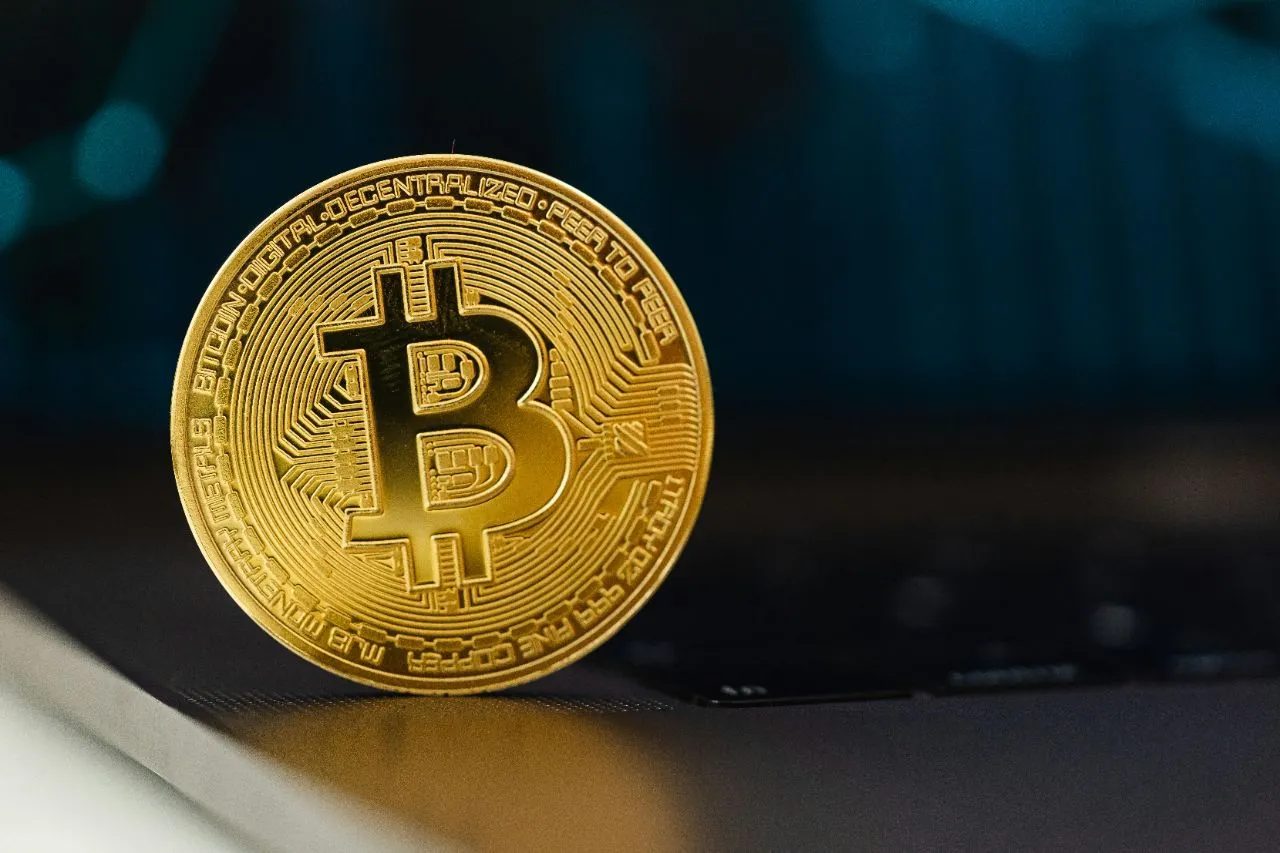
https://asset.coinness.com/en/news/fa5dc38f4d85f8bb9af82a72616fc7b6.webp
Photo by Photo By: Kaboompics.com on Pexels

Moving along with global crypto adoption

January 10 marked the first anniversary of the approval of spot Bitcoin ETFs in the United States. Given that the U.S. is home to the world’s largest capital markets, that decision has had an impact internationally. That reality is borne out by one of Budsaratragoon’s comments. She stated:


“Like it or not, we have to move along with more adoption of cryptocurrencies worldwide.”


While the SEC Secretary-General’s comment suggests that she feels a compulsion to move forward in line with developments elsewhere, that wasn’t the agency’s position in January 2024 following spot Bitcoin ETF approval in the U.S. 


Shortly afterwards, the regulator, alongside its regional counterpart in Singapore, outlined that it had no plans to approve the product in Thailand, stating: "The SEC has been following these developments closely but we do not have a policy to allow spot Bitcoin ETFs to be established in Thailand for the time being.”


Initial access to overseas products

In March of last year, the agency had warmed to the Bitcoin ETF product offering to a greater extent, by approving access to such products listed overseas to high-net-worth individuals and institutions. Off the back of that approval, One Asset Management (ONEAM) launched a fund of funds in June 2024, enabling Thai investors to gain exposure to Bitcoin ETFs which had been publicly listed overseas.


Back in October, Nirun Fuwattananukul, CEO of Binance Thailand, stated in an opinion piece published by the Bangkok Post that he felt that the Thai crypto market was moving from retail towards a focus on the institutions. He stated:

“By allowing more institutional funds to participate, the SEC is enabling a diverse range of investment strategies and helping digital assets gain broader acceptance in the mainstream.”


Fuwattananukul suggested that the local regulator had made some changes on Oct. 9, paving the way for institutional-grade mutual and private funds to invest in crypto products. The approval of locally listed Bitcoin ETF products would broaden investor access to digital assets in Thailand, particularly in relation to institutional investors, which is in line with the thinking of the Binance executive.


Earlier this month, Thailand’s Deputy Prime Minister, Pichai Chunhavajira, announced that a pilot program was being launched to help foreign tourists pay for goods and services using crypto within the Thai resort city of Phuket. 


Meanwhile, former Thai Prime Minister Thaksin Shinawatra expressed a bullish view on crypto in a speech he made in Bangkok last week. Shinawatra called on the country’s institutions to be more open to cryptocurrency, while citing regulatory developments in the U.S. relative to the emerging asset class.


More to Read
View All
Web3 & Enterprise·

Dec 13, 2023

Fingerlabs teams up with Metaclub to gather users for Web3 membership platform

Fingerlabs teams up with Metaclub to gather users for Web3 membership platformFingerlabs, a subsidiary of South Korean digital marketing company FSN, has decided to collaborate with reward points app Metaclub to expand user engagement for its Web3 membership platform Bling, according to an official press release on Wednesday (KST).Photo by NordWood Themes on UnsplashInnovating rewards systems and digital marketingMetaclub is a lifestyle platform that allows users to accumulate and spend reward points that can be used at various brands and websites. It currently boasts 80,000 members and hit a cumulative transaction value of KRW 30 billion (approximately $22.7 million) within a year after its launch. On the other hand, Bling is a marketing solution that allows businesses to create and manage NFTs that offer membership benefits to their customers. Users can create customizable characters on Favorlet, Fingerlabs’ NFT wallet and customer management service, using clothing or accessories called “parts.” These parts are linked to various benefits offered by Fingerlabs’ partner firms.Unique membership experienceThrough this collaboration, Bling and Metaclub are holding a promotional event where users who fill their Metaclub account with more than KRW 200,000 and collect Metaclub parts NFTs on their Bling account will be eligible to receive 3% in reward points.“By working with Metaclub, which has a high number of users in their 20s and 30s, we believe that Bling can quickly establish itself as a next-generation Web3 membership service,” said Kim Dong-hoon, CEO of Fingerlabs. “We have a clear understanding of the features and capabilities of both platforms, so we will be able to build our membership base through various collaborative projects.”

news
Web3 & Enterprise·

Jan 22, 2024

FSN and Fingo join hands to pursue tokenized securities business

South Korean digital marketing firm FSN has entered into a strategic alliance with Fingo Company, the operator of the music copyright platform Fingo, to jointly work on a tokenized securities project based on the recently raised funds, according to local news site Newsis on Monday (KST).Photo by Chris Liverani on UnsplashUnlocking synergiesThrough this partnership, FSN and Fingo aim to collaborate on a token securities project. As both companies have experience in leveraging IP, they are expected to apply their expertise to the new business. In particular, FSN operates several IP-based Web3 projects such as Sunmiya Club and Bellygom NFT through its subsidiary Finger Labs, through which the firm has been demonstrating its competitive edge. Fingo also owns a variety of content-based IPs and is cooperating with major domestic securities companies. The two firms’ business capabilities are thus expected to create great synergy in the market. Fingo’s service allows anyone to share revenue made from music, a concept referred to as music revenue sharing, which was once limited to creators or singers only. Last year, it took a step into the tokenized securities sphere by signing a business deal with Mirae Asset Securities, the country’s largest asset manager, to establish a token securities service and launch innovative financial investment products. FSN has been gearing up to take on this collaborative project, namely a recent success in raising a total of KRW 10 billion (approximately $7.5 million) in funding. The company explained that with this considerable funding paired with its knowledge of Web3 and blockchain technology and experience in collaborative partnerships, it will be equipped to settle into the tokenized securities market seamlessly. Charting new horizons"As we have secured large-scale funding under stable conditions, we expect to successfully pursue new businesses, including that in tokenized securities," FSN CEO Lee Sang-seok said. "We will steadily expand new businesses by establishing partnerships with companies with competitiveness in various areas, starting with Fingo Company, which has a competitive edge in tokenized securities and music IP," he said.

news
Policy & Regulation·

Jan 12, 2024

Turkey nears completion of newly crafted crypto regulations

The Turkish government is on the verge of finalizing comprehensive regulations for the cryptocurrency market. It has been known for a number of months that Turkey had been working towards the production of a regulatory framework for crypto, with the primary objective of securing the country’s removal from the Financial Action Task Force’s (FATF) "grey list." According to revelations from Minister of Treasury and Finance Mehmet Simsek, who participated in an interview with the Anadolu Agency on Wednesday, those regulations are now nearing completion.Photo by Emre on UnsplashFramework in advanced stagesSimsek disclosed key elements of the forthcoming regulations, emphasizing the government's commitment to legally defining critical concepts in the crypto space, licensing trading platforms and aligning with the standards set by FATF. The crypto framework tailored for the Turkish market is in the advanced stages of development, with a meticulous evaluation of its technical aspects underway, noted Simsek. The overarching goal is to mitigate the risks associated with crypto trading, especially for ordinary investors, aligning with international standards to facilitate the country's removal from the FATF's grey list. Licensing and defined termsSimsek outlined the forthcoming guidelines, stating that crypto platforms will be mandated to acquire licenses from Turkey's Capital Markets Board (CMB). A number of months ago, Bora Erdamar, the director of the BlockchainIST Center, an Istanbul-based university research and development center for blockchain technology, had underscored the importance of establishing licensing standards as part of the new crypto framework. Erdamar claimed that would be necessary in order to “prevent abuse of the system.” Erdamar is of the view that any such regulatory framework may include digital security protocols, advanced custody services, compulsory proof of reserves and capital adequacy requirements. It’s understood that the regulations will provide legal definitions for essential terms such as "crypto assets," "crypto wallets," "crypto asset service providers," "crypto asset custody service" and "crypto asset buying and selling platforms." As an example, Simsek clarified the definition of crypto assets as "intangible assets that can be created and stored electronically using distributed ledger technology or a similar technology, distributed over digital networks, and capable of expressing value or rights." While emphasizing the reduction of risks in crypto trading, Simsek clarified that the regulations would not encompass the specific tax regime for virtual assets. The proposed regulations have long been under consideration as Turkish authorities aim to bring clarity to the crypto market. The Minister assured that the crypto legislative proposals would be finalized this month, preceding the FATF evaluation scheduled for February. Notably, between July 2022 and June 2023, Turkey ranked fourth globally in raw crypto transaction volumes, recording approximately $170 billion in activity, trailing behind the United States, India and the United Kingdom, as reported by the blockchain analytics firm Chainalysis. A report by KuCoin last year identified a marked increase in adoption in Turkey.  It’s believed that wayward inflation over recent years relative to the Turkish lira is playing a large part in that trend. In recent weeks the Turkish president took the step of appointing an expert in blockchain and crypto assets to the central bank’s rate-setting committee. 

news
Loading