Top

Japanese firms expand Bitcoin holdings amid growing institutional interest

Markets·May 15, 2025, 8:03 AM

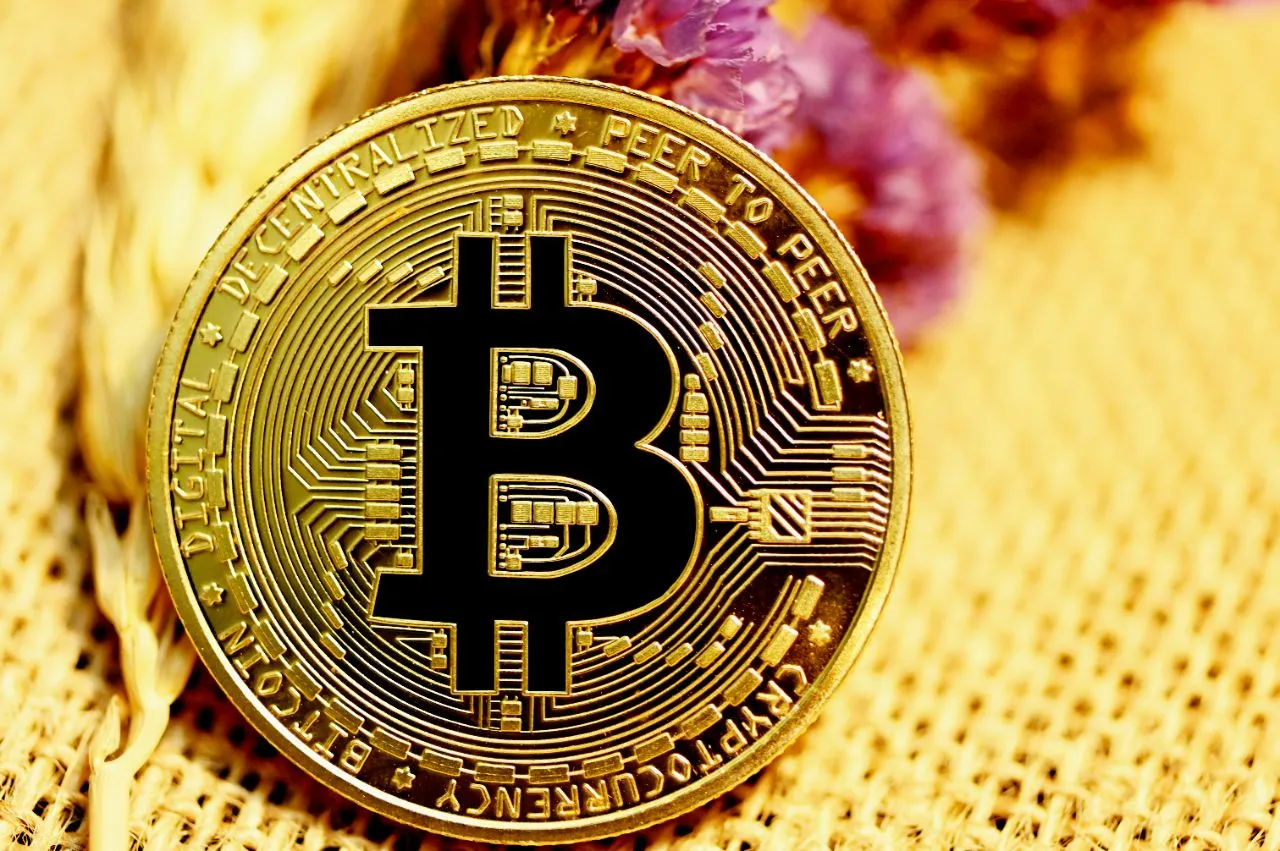
Several Japanese companies, including Remixpoint and Metaplanet, have been increasing their Bitcoin (BTC) holdings, underscoring the growing institutional interest in cryptocurrencies in the region.
https://asset.coinness.com/en/news/6ada883eea5175b8459aa46f35827f99.webp
Photo by Kanchanara on Unsplash

Remixpoint, an energy consulting firm listed on the Tokyo Stock Exchange, recently announced an additional purchase of 32.83 BTC valued at 500 million yen ($3.4 million), according to local news outlet CoinPost. This acquisition took place on May 13 at an average price of 15.23 million yen ($104,270) per BTC, bringing the company's total BTC holdings to 648.82 BTC. Remixpoint's crypto portfolio, including BTC, is now valued at 11.1 billion yen ($76 million) and also comprises Ethereum (ETH), Solana (SOL), XRP and Dogecoin (DOGE).


The firm began actively accumulating BTC late last year, motivated by multiple factors, including the positive price trend following the latest Bitcoin halving event, increased market activity after the latest U.S. presidential election and the growth in institutional participation, particularly after the approval of spot crypto ETFs in the U.S.


Metaplanet becomes a major BTC holder

Another notable player, Metaplanet, a publicly traded Japanese company specializing in Bitcoin investment, has positioned itself as one of the largest BTC holders globally. As of May 12, Metaplanet’s Bitcoin yield reached 170%, with total holdings of 6,796 BTC. This places it as the 11th largest Bitcoin holder worldwide and the largest in Asia, surpassing El Salvador, which currently holds 6,177 BTC, according to data from Arkham.


Metaplanet's ongoing Bitcoin accumulation aligns with CEO Simon Gerovich's advocacy for Bitcoin. In a March podcast, Gerovich said he encourages his friends to allocate "100% of their net worth into Bitcoin." The company’s strategic goal is to amass 10,000 BTC by the end of 2025 and 21,000 BTC by 2026. Reinforcing its influence, Metaplanet appointed Eric Trump, the second son of pro-crypto U.S. President Donald Trump, to its newly formed Strategic Board of Advisors in January.


Evolving crypto policies, including national reserves

Before Trump's second term, Gerovich expressed his expectation that other countries would follow the U.S. once it established a national Bitcoin strategic reserve—a move formalized by President Trump through an executive order in March. In a related development, Ukraine is reportedly drafting a bill to create a similar reserve in collaboration with Binance. Meanwhile, in Taiwan, lawmaker Ko Ju-Chun has been advocating for adding Bitcoin to the country's national reserves.


In a similar trend, another Japanese firm, Value Creation, disclosed plans last month to acquire 100 million yen ($660,000) worth of Bitcoin, further reflecting the growing interest among Japanese companies in crypto investments.


Complementing this corporate adoption trend, Japan's Financial Services Agency (FSA) has been shaping its regulatory framework for cryptocurrencies. The agency aims to redefine digital assets as financial products under the Financial Instruments and Exchange Act, a move viewed as an attempt to balance innovation with investor protection.


Building on this approach, an FSA discussion paper released on April 10, which remained open for public feedback until May 10, proposed classifying crypto assets into two categories: those used for fundraising and business activities, and those that are not—such as BTC and ETH. This regulatory evolution, alongside increasing corporate investment in BTC, reflects Japan's efforts to adapt to the evolving global crypto landscape.

More to Read
View All
Policy & Regulation·

May 29, 2024

Korean regulators pressured to approve crypto ETFs following ETH ETF approval in the U.S.

The recent 19b-4 approval of spot Ethereum exchange-traded funds (ETFs) by the U.S. Securities and Exchange Commission (SEC) is putting pressure on South Korean financial regulators to revisit their policies on digital assets. The SEC's decision to allow ETFs for Ethereum, the world's second-largest cryptocurrency, on May 24, 2024, follows its earlier endorsement of Bitcoin ETFs in January 2024. This move is seen as a significant step in merging traditional finance with the digital asset sector.Photo by DrawKit Illustrations on UnsplashKorean regulatory cautionIn contrast to the progressive stance in the U.S., the Korean Financial Services Commission (FSC) and the Financial Supervisory Service (FSS) have maintained a cautious approach regarding the integration of crypto assets into traditional securities markets. According to current regulations under the Capital Markets Act, ETFs in Korea are limited to traditional underlying assets such as financial instruments, securities, international currencies and commodities. These foundations are crucial for the creation of financial derivatives, leaving little room for digital assets under current laws. Calls for regulatory reforms and market implicationsThe decision by the SEC is expected to influence the Korean regulators to update their views on digital assets, according to local media and industry experts. Jung Eui-jung, the head of the Korean Stockholders’ Alliance, has advocated for Korea to emulate the U.S. by approving Bitcoin and Ethereum ETFs. He expressed concerns that continued regulatory hesitance could lead to investor funds migrating to more progressive markets like the U.S., potentially positioning the U.S. to broaden its crypto market further. Xangle, a digital currency data provider in Seoul, has also criticized the current regulations as outdated, emphasizing the need for revisions to accommodate the increasing relevance of digital assets in global finance. 

news
Policy & Regulation·

Apr 24, 2023

Abu Dhabi Puts Forward Legal Framework for Decentralized Tech

Abu Dhabi Puts Forward Legal Framework for Decentralized TechAuthorities in Abu Dhabi, the capital of the United Arab Emirates (UAE) as well as an individual emirate within it, have published a proposed legislative framework for distributed ledger technology.©Pexels/redouan khoulassiThe consultation paper, titled “Proposal for a legislative framework for distributed technology foundations” was published earlier this month by the Abu Dhabi Global Market’s (ADGM) Registration Authority.Promoting investor protectionThe document covers a broad spectrum of aspects relative to digital assets and crypto entities, including corporate governance, insolvency and restructuring considerations, and data protection. The ADGM’s objective with the proposed policy is to advance investor protection, improve market integrity and efficiency, and build towards a comprehensive regulatory framework.Specific proposalsMore specifically, the policy would implicate an enhancement in the protection of whistle-blowers who report misconduct relative to ADGM-regulated companies. Under the proposal, new rules would be introduced to ensure that digital asset platforms operate in a fair and transparent manner. A requirement would be placed on regulated companies to disclose detailed information in relation to beneficial ownership and control structures. Furthermore, the policy seeks to bring about an improved dispute resolution process between the stakeholders involved in ADGM-regulated transactions.Building upon an existing frameworkThe Abu Dhabi regulator’s current legal framework is built upon English common law. It has its own financial services regulator, the Financial Services Regulatory Authority (FSRA) which operates independently and is responsible for supervising and licensing financial institutions and market participants. The FSRA takes a principles-based approach, regulating those market actors attempting to maintain financial stability and integrity, promote market competition and innovation and ensure customer protection.ADGM has sought to act on an international basis by signing agreements with regulatory bodies in the UK, Hong Kong and Singapore, in an effort to enable information sharing and cross-border cooperation.Regulatory activityAt a national level, earlier this year the UAE enacted a digital assets regulatory framework. Earlier this week, the UAE also revealed a federal licensing system for crypto companies. In February, work began on a $2 billion initiative to nurture blockchain and Web3 startups via Hub71, the emirate’s tech ecosystem. The initiative provides startups with access to a broad range of support services as well as potential collaborations with government and investment partners.According to the document, “this Consultation Paper is of interest to any persons operating or planning DLT projects, persons engaging in digital asset-related activities and their legal advisors, as well as DLT participants, associations, and stakeholders.”With that, the ADGM is inviting comments and feedback from members of the public on the proposed changes contained within the consultation paper. To aid public comment, the policy document includes a number of questions that it invites stakeholders to consider as they work towards submitting their feedback.Those interested have until May 12 to take the opportunity to submit their comments and views relative to the Abu Dhabi regulator’s proposed framework.

news
Web3 & Enterprise·

Sep 01, 2023

Woori Bank Joins Forces with Samsung Securities and SK Securities to Pioneer Security Token Market

Woori Bank Joins Forces with Samsung Securities and SK Securities to Pioneer Security Token MarketWoori Bank has recently forged a memorandum of understanding (MOU) with Samsung Securities and SK Securities, aiming to swiftly venture into the security token market in anticipation of the forthcoming institutionalization of security tokens in South Korea, according to local news outlet Dailian.Photo by Anna Evlanova on UnsplashKorea’s regulatory pathway for security tokensIn February, the Financial Services Commission unveiled guidelines for regulating the issuance and distribution of security tokens. This initiative aligns with the South Korean government’s broader goal of driving innovation in digital finance. Following this, the National Assembly conducted a public hearing on the proposed legislation. Additionally, the Financial Supervisory Service organized an informative session discussing the updated application procedure for investment contract securities and the corresponding examination protocols. As a result, the outlines of the regulatory framework are beginning to take on a more defined form.Compliance with regulatory frameworkWoori Bank President Byung-Kyu Cho, Samsung Securities President Chang Seok-hoon, and SK Securities CEO Kim Shin were present at the signing ceremony. During this event, the three financial institutions agreed to embark on their collaborative efforts to explore business models for security tokens in compliance with the regulatory framework. Their aims include constructing the infrastructure for security tokens and validating distributed ledgers, as well as forming Finance 3.0 Partners (F3P), a collaborative consortium dedicated to formulating investor protection measures.Three entities’ individual endeavorsWoori Bank has undertaken extensive preparations to make its foray into the security token market. In an effort to swiftly adapt to the changing legal dynamics surrounding security tokens, the bank has established a dedicated division and is operating a task force responsible for devising strategic approaches, with participation from Woori Financial Group’s affiliates. By partnering closely with the securities firms, Woori aims to leverage its wealth of corporate finance expertise to identify innovative business models.Samsung Securities has successfully concluded its own functional verification of the security token platform. Furthermore, the company has secured the technology necessary to connect blockchain wallets and securities accounts. These efforts will contribute to providing stable services. Samsung is also anticipating the utilization of security tokens as a fresh avenue for financing, collaborating with various enterprises to discover their practical applications. Through these endeavors, the company intends to offer attractive and stable investment products to its clientele.SK Securities stands out as the sole Korean securities firm to have established an account management system for security tokens, with the intention of seeking designation as an innovative financial service by the Financial Services Commission. Initiatives chosen as innovative financial services are granted regulatory exemptions. SK Securities has partnered with a variety of fractional investment firms to spearhead the research and development of security token issuance and distribution systems. It also plans to collaborate with experts in the domains of finance, technology, and content. This joint effort aims to build the infrastructure necessary to create a financial ecosystem that welcomes diverse participants and creates new value.An F3P official highlighted that this tripartite partnership would facilitate the alignment of their members’ security token products with regulatory guidelines. The person also mentioned their commitment to swiftly establishing a top-notch platform and ecosystem that will help position them as market leaders.

news
Loading