Top

Two Russians caught in $42M USDT cross-border transfer case in South Korea

Policy & Regulation·May 22, 2025, 6:30 AM

Two Russian nationals have been referred to prosecutors in South Korea for allegedly facilitating the illegal transfer of roughly 58 billion won ($42.2 million) to Russia using USDT, a U.S. dollar-pegged stablecoin. According to a report by KBS News, the Seoul branch of the Korea Customs Service (KCS) announced the charges on May 22, citing violations of the country’s Foreign Exchange Transaction Act. The suspects, a man and a woman both in their 40s, reportedly operated an unauthorized money exchange business to carry out the transactions.
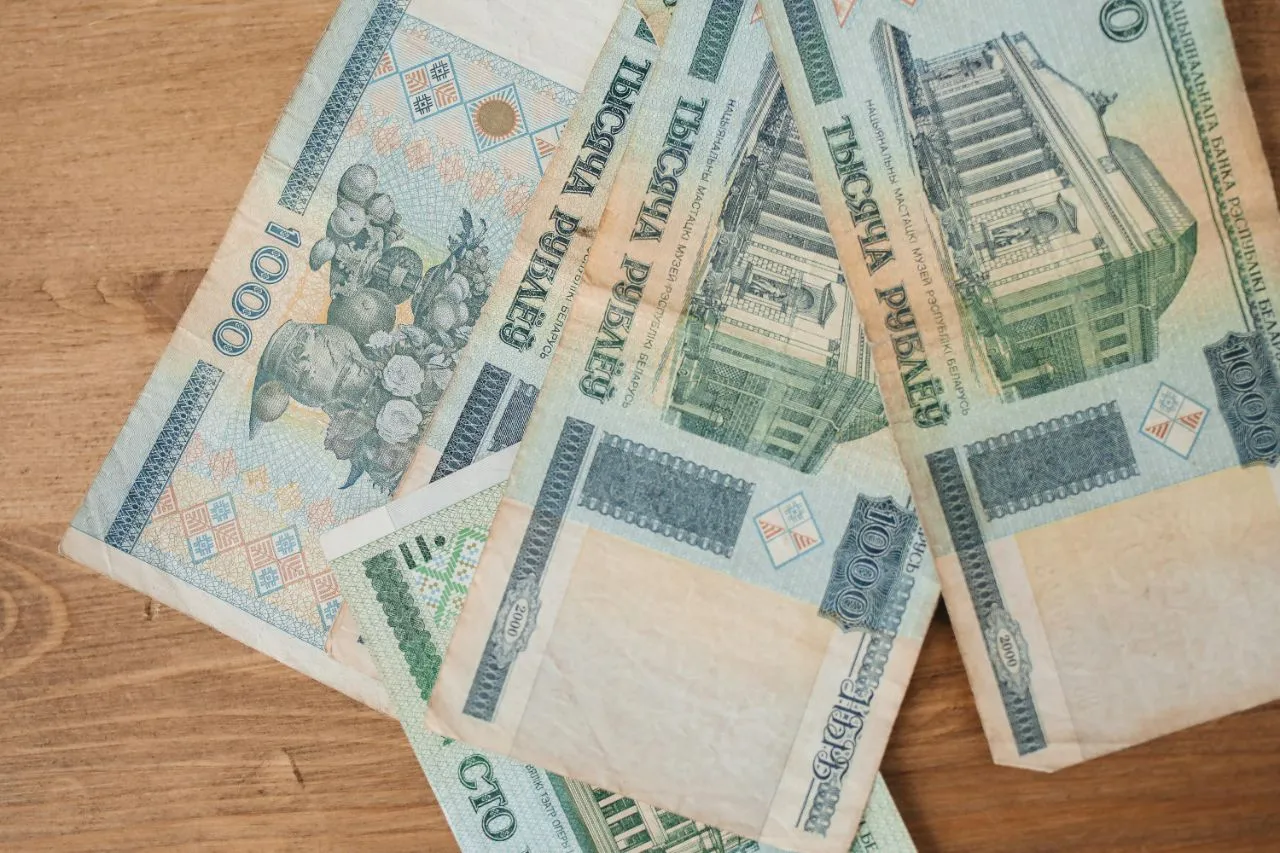
https://asset.coinness.com/en/news/8c791aa85554ecb878fe696beaaa3ad0.webp
Photo by Polina Tankilevitch on Pexels

Over 6K transactions

Authorities suspect the pair of repeatedly using USDT to conduct cross-border transfers between South Korea and Russia. From January 2023 to July 2023, the duo allegedly completed 6,156 illegal remittance transactions, either sending funds abroad or receiving payments on behalf of others, totaling the full 58 billion won in question.


Investigators revealed that the two suspects, who hold permanent residency in South Korea and have overseas Korean status, used the messaging app Telegram to solicit clients. When transferring money to Russia, they reportedly collected funds via kiosks in convenience stores that allow users to send money without a bank account. The collected cash was then used to purchase USDT to complete the remittances.


According to customs officials, the suspects would either send the cryptocurrency directly to a crypto wallet specified by the customer, or forward it to accomplices in Russia. These accomplices would then convert the crypto to cash and distribute rubles to recipients through local channels.


Illicit crypto use by businesses

 The operation also handled export payments for South Korean businesses. The suspects reportedly accepted payments from Russian importers on behalf of Korean used car dealers and cosmetics exporters. In these cases, associates in Russia would collect ruble payments from importers, convert the funds into USDT and send the cryptocurrency to contacts in Korea. The funds were then exchanged for Korean won and deposited into the accounts of the businesses.


Customs officials believe that the group’s services became particularly appealing after the start of the Russia-Ukraine war in 2022. In the wake of U.S. and international sanctions against Russia, legitimate financial channels for cross-border transactions became restricted, prompting some companies and individuals to turn to illegal alternatives. The Korean export companies involved in these transactions have been fined.


The Seoul Customs Office emphasized that illegal money exchange operations are often exploited for criminal activities such as drug trafficking, voice phishing and gambling. In response, the agency committed to stronger enforcement and pledged to spare no effort in combating unlawful financial operations.


Scams grow inside the border

The surge in crypto-related financial crimes in South Korea extends beyond cross-border transactions. According to a recent report by Maeil Business Newspaper, Kakao Pay—a local mobile payment platform—has detected around 70,000 cases of malicious apps linked to virtual assets over the past month. Of those, 80% were associated with Ponzi schemes, where fraudsters lure victims with promises of high returns before disappearing with the funds. A Kakao Pay spokesperson noted that new forms of security threats are emerging alongside the rapid growth of the crypto market, adding that the company is prioritizing the development of stronger security systems.

 

More to Read
View All
Web3 & Enterprise·

May 15, 2023

Korean Drama Studio Unveils Web3-Based Project Featuring BTS Universe

Korean Drama Studio Unveils Web3-Based Project Featuring BTS UniverseChorokbaem (CRB) Media, a renowned South Korean drama production studio, has revealed an innovative content distribution project based on Web3 technology, featuring the popular BTS universe, as reported by the Maeil Business Newspaper.Photo by Shubham’s Web3 on UnsplashBTS Universe-based dramaCRB Media announced on Monday its participation in Paris Expo Porte de Versailles, where it showcased a minute-long teaser of “YOUTH,” a drama that centers around the universe of K-pop sensation BTS. This new initiative by the Korean production studio aims to transcend the limitations of existing online streaming platforms.The Most Beautiful Moment in LifeThe production of “YOUTH” has been in the works since 2020 and revolves around the story that goes back to BTS’s 2015 album, “The Most Beautiful Moment in Life.” The BTS Universe has already seen successful adaptations across various entertainment platforms, including novels, webtoons, and short films.Web3 fan engagementAn official from CRB Media said that Web3 technology allows network participants to be both content consumers and providers, enabling fans who were previously passive consumers to monetize their engagement and foster an even more vibrant independent fandom culture.24 episodes starting in 2HThe drama series “YOUTH” comprises a total of 24 episodes, with one or two episodes set to be released weekly starting in the second half of this year.The series is directed by Kim Jae-hong, known for his work on “Beloved Eun-dong” and “Steal Heart,” and written by Kim Soo-jin, the talented screenwriter behind notable productions such as “Dazzling,” “Weightlifting Fairy Kim Bok-joo,” and “Songgot: The Piercer,” among others.CRB Media’s legal issuesMeanwhile, it’s been reported that the Seoul Southern District Prosecutors’ Office’s Financial Investigation Division 2 executed a search and seizure operation on CRB Media last week. The raid was conducted after the prosecution obtained circumstantial evidence indicating the studio’s potential role in an embezzlement scandal. The case involves Kang Jong-hyun, who stands accused of misappropriating a colossal sum of 62.8 billion KRW ($46.9 million) from affiliates of Bithumb, a major Korean cryptocurrency exchange. Kang is currently under suspicion as the clandestine owner of the exchange.

news
Web3 & Enterprise·

Dec 28, 2023

Mt.Gox creditors start to confirm receipt of first repayments

It's been nearly ten years since the infamous collapse of the Japanese bitcoin exchange Mt. Gox, with some creditors of the defunct business now claiming to have finally received their long-awaited repayments.Photo by Su San Lee on UnsplashSubreddit payment confirmationsTestimonies shared on the Mt.Gox creditor subreddit and a dedicated Telegram channel reveal that certain payments, in the form of Japanese yen, have been distributed to creditors who opted for PayPal as their preferred mode of receipt. Excitement marked the early stages of this repayment process. Users on Reddit joyfully shared their experiences, with one exclaiming:"I got money!! I just got my initial payment via Paypal!!"This development comes after Mt.Gox rehabilitation trustee, Nobuaki Kobayashi, had previously extended the repayment deadline from Oct. 31, 2023, to Oct. 31, 2024. However, last month, Kobayashi informed creditors that certain cash repayments would be initiated before the year's end. Despite efforts to expedite the process, the sheer volume of creditors and the complexities involved mean that repayments will continue into 2024. The collapse of Mt.Gox in early 2014 triggered global regulatory responses and initiated a nearly decade-long bankruptcy and corporate rehabilitation process. The exchange fell victim to a series of hacks between 2011 and 2014, leaving a lasting impact on the cryptocurrency landscape. The commencement of repayments has been hanging over the crypto market for many years, with many fearing that the process may have a dampening effect on the bitcoin unit price, given that funds are being distributed in Japanese yen and bitcoin. Earlier this year, the U.S. government indicted two Russian nationals for laundering funds stolen from Mt.Gox, shedding light on the enduring legal ramifications stemming from the exchange's demise. Double payment glitchHowever, it appears the process encountered some glitches, as other Reddit posts indicated that a few creditors received double payments via PayPal, adding a new layer of complexity to the already intricate Mt. Gox saga. Reddit users, such as u/rlycreativename, have shared emails they claim to have received from the Mt.Gox Rehabilitation Trustee. The emails acknowledge a system issue leading to inadvertent double transfers and legally obligate recipients to return the surplus amount. While some users have complied with the request and returned the duplicated funds, others have expressed hesitancy, citing the historical challenges creditors faced in obtaining their money. The situation has evoked discussions on Reddit, with users debating whether the Trust deserves a swift return, considering the prolonged struggle creditors endured to reclaim their funds. While it may be tempting for some creditors to hold on to the duplicate payment, such a decision may only serve to heap more misery on long-suffering Mt.Gox creditors. The recent case of Jatinder Singh and Thevamanogari Manivel would be very relevant for creditors to consider. Singh was a customer of well-known digital assets platform Crypto.com. In 2021 the firm inadvertently transferred $10 million to his account. Singh conspired with Manivel to withdraw and keep the funds. A community corrections order of 18 months has been imposed on Manivel in Australia while Singh will be sentenced in February.  

news
Policy & Regulation·

Aug 26, 2023

Hong Kong Regulator Explores Tokenization to Transform Bond Market

Hong Kong Regulator Explores Tokenization to Transform Bond MarketThe Hong Kong Monetary Authority (HKMA), the local regulator within the Chinese autonomous territory, unveiled the outcomes of its Project Evergreen study on Friday. Within the report, it indicated an interest in harnessing tokenization in order to improve aspects of the bond market.Photo by Jimmy Chan on PexelsBond market impact assessmentIn this comprehensive report, the regulator delved into the intricate world of bond tokenization, offering an in-depth assessment of its potential impact on the market. The 24-page report covers a range of insights, spanning use cases and benefits to the challenges encountered during the study. The overarching sentiment emerging from the study paints tokenization as a compelling avenue for enhancing the bond market’s functionality.Eddie Yue, the Chief Executive of HKMA, emphasized that the study underscored the latent potential of integrating distributed ledger technology (DLT) into real capital market transactions, all within the framework of Hong Kong’s existing legal structure. In addition, the research revealed the prospect of DLT elevating efficiency, transparency, and liquidity within bond markets.Highlighting efficienciesThe report highlighted that the digital nature of tokenized bonds has the power to render paper certificates obsolete, ushering in an era of streamlined processes and diminished errors. Moreover, the study emphasized the capacity for various stakeholders to seamlessly interact via a shared DLT platform, fostering an environment of collaboration. Real-time data synchronization would ensure heightened transparency, a crucial factor in modern financial markets.Furthermore, the report identifies that a standout feature of tokenization lies in atomic delivery versus payment (DvP) settlements for bond transfers. This innovation serves to significantly expedite the settlement process while bolstering the case for end-to-end DLT adoption.That said, the report acknowledges the nascent state of bond tokenization. Yue emphasized that a plethora of challenges must be overcome before mass adoption becomes viable. The HKMA official underscored the necessity for regulatory frameworks to evolve alongside technology adoption.These insights arrive at a time when Hong Kong is carving its niche as a haven for crypto and decentralized finance endeavors. A multitude of enterprises are believed to be queuing up for a coveted Hong Kong crypto license, underscoring the city’s rising stature in the digital finance sphere.July saw Hong Kong’s announcement of a partnership with Saudi Arabia, focusing on tokenization and payments. Additionally, the HKMA is actively exploring the establishment of a regulatory framework for the digital Hong Kong dollar and stablecoins, heralding a commitment to the distributed ledger technology (DLT) application. An imminent seminar with industry stakeholders is planned, aimed at introducing DLT technology and fostering its adoption.Arthur Chan, HKMA Assistant Chief Executive, anticipates wider DLT integration, envisioning reduced settlement times for bond issuances and instantaneous settlement through tokenized cash and smart contracts. He acknowledges the evolving nature of DLT platforms, acknowledging the need for further research and development. However, Chan envisions a future where tokenization extends beyond bonds, potentially encompassing securities, real estate, and mortgage products.

news
Loading
