OKX Entering Indian Market With a Focus on Web3
Cryptocurrency exchange OKX is gearing up to make its presence felt in the Indian market.
Local recruitment
That’s according to a discussion between a company executive and CoinDesk, as explained by the publication in a report published on Friday. The firm plans on recruiting local employees in its endeavor to conquer the market within the world’s most populous nation.
OKX intends to rely on local employees who will spearhead its initiatives in the country. Haider Rafique, Chief Marketing Officer at OKX explained:
“We’re trying to identify who’s who in the zoo and what is their contribution. There’s a large developer community. How do we help them? Build a relationship with them.”
He believes that adopting a community-centric approach will pave the way for a successful entry into the local market. Rafique emphasized:
“We’re going to learn about the community. We’re going to work with local folks — figure out where we can add value.”
Focusing on Web3 applications
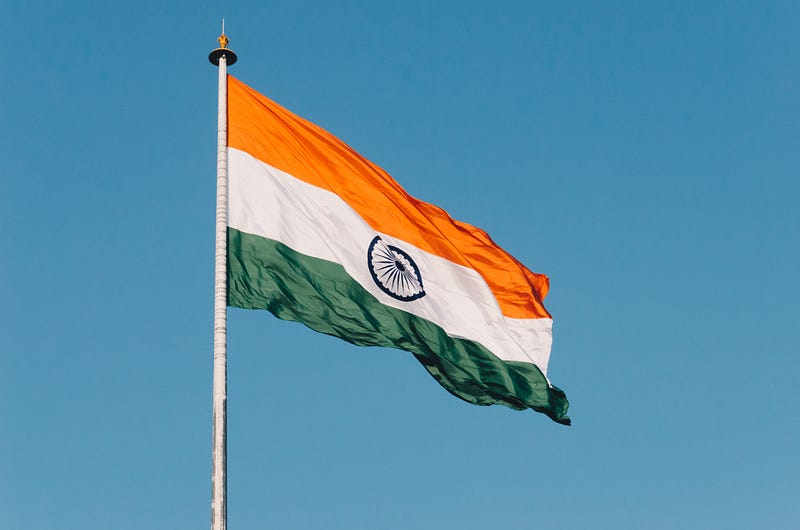
The company also intends to take on the challenge by placing emphasis on the use of Web3 applications. Rafique revealed the company’s ambitious plans to scale up its wallet services “exponentially” by engaging with India’s developer community. Currently, there are approximately 200,000 OKX Wallet users in India, accounting for just 5% of the country’s Web3 user base.
In a recent collaboration, OKX partnered with the blockchain platform Neo for an APAC Hackathon held in Bengaluru, a city in southern India. Rafique described this move as a strategic test to validate assumptions, understand the local culture, and support the burgeoning Web3 ecosystem.
The global exchange already has a physical presence in world centers such as Hong Kong, Singapore, Dubai, and the Bahamas.
Indian crypto environment
Trading cryptocurrencies is currently legal in India, albeit with no established regulatory framework by a central authority. Ironically India has been very active in working towards the establishment of global regulatory standards relative to crypto while coming in for criticism from its Supreme Court recently for the government’s failure to provide regulatory clarity at home.
Cryptocurrencies are used and traded at the investor’s risk in India and do not hold legal tender status for banking purposes. Additionally, a 30% tax is imposed on cryptocurrency transactions in the country.
Rafique believes that Indian regulators are gradually distinguishing Web3 from centralized finance (CeFi). He remarked: “They’re more concerned about venues that have fiat on-ramps, which we do but don’t offer it in India.” He expressed a readiness for the company to become a front-runner once India establishes a regulatory framework for cryptocurrencies.
It’s interesting to note that while OKX embarks on expanding its footprint within the Indian market, Indian crypto market incumbents have been looking to downsize. Indian cryptocurrency exchanges like CoinSwitch and CoinDCX have faced layoffs amid the current market downturn.
Notwithstanding current market conditions, it’s likely that OKX is taking a long-term view and positioning itself for future success in what should be a very important crypto asset marketplace in the future.
Ryan Selkis, CEO and Founder of crypto market intelligence firm Messari expressed this view, stating: “I love to see companies like OKX expanding in India. The largest democracy in the world should be a haven for crypto innovation in the years to come.”