Top

DV8 completes capital raise to fund Bitcoin strategy

Web3 & Enterprise·July 21, 2025, 12:20 AM

DV8, a Thai company that recently pivoted to become Southeast Asia’s first Bitcoin treasury firm, has carried out an initial capital raise to fund its new strategy.


Up until recently, DV8’s business activites were confined to media, innovation and technology. It emerged earlier this month that the company was being acquired by a group of Bitcoin-focused investors. 


The consortium includes privately-held Bangkok-headquartered investment firm Kliff Capital, hedge fund manager UTXO Management and Taipei-headquartered crypto-backed venture capital firm Sora Ventures. It also includes Simon Gerovich, the CEO of Metaplanet, Asia’s largest Bitcoin treasury company.
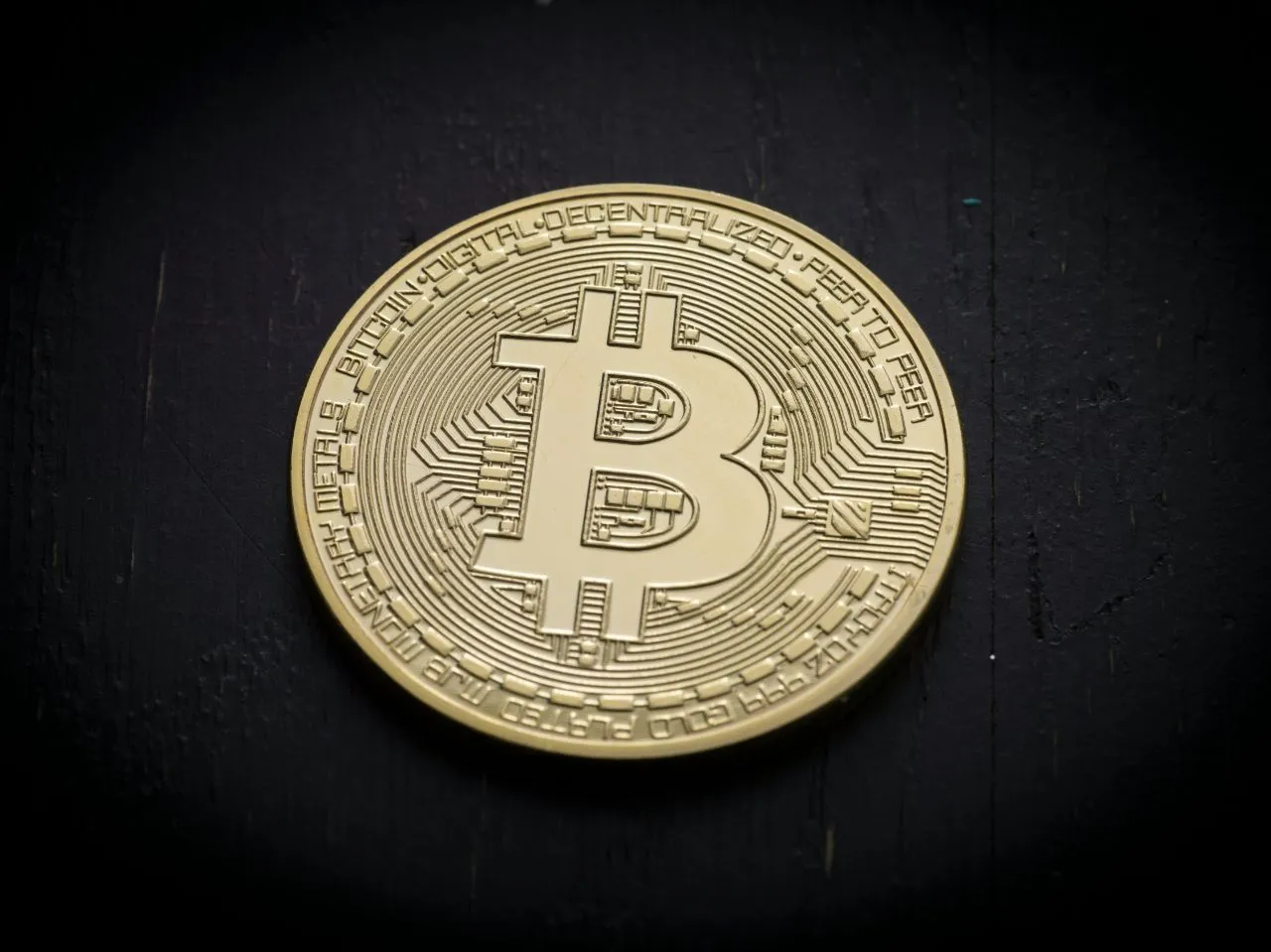
https://asset.coinness.com/en/news/6380a341c452a226076d7764f9514bc2.webp
Photo by Thought Catalog on Unsplash

Thai market potential

At the time, Sora Ventures founder Jason Fang told Decrypt that there is great potential in the Thai market, giving DV8 the potential “to be the next Metaplanet on SET [Stock Exchange of Thailand]."


The company recently appointed Chatchaval Jiaravanon as its new chairman. Jiaravanon currently serves as the founder and chairman of Water Asia and Charoen Energy, while independently owning Fortune magazine. 


Alongside Jiaravanon, new appointments have also been made to the company’s board as it looks to revamp its leadership team to deal with the challenge of pivoting and pursuing a Bitcoin treasury strategy.


Share issuance

filing with SET on July 16 has revealed that the company has proceeded to raise 241 million baht, equivalent to $7.44 million. In raising this capital, the company issued 301,491,057 new shares. The shares were issued under DV8-W2 warrants with a strike price of 0.80 baht per share.


Over the course of the past 12 months, a plethora of corporations around the world have adopted Bitcoin either as a strategic asset to hold on their balance sheets or they’ve taken matters further and followed companies like Strategy (formerly MicroStrategy) and Japan’s Metaplanet, with the Bitcoin treasury becoming the central focus of the business.


Bitcoin treasury debate

The practice has proven to be controversial with some believing that Michael Saylor’s Strategy has found a workable approach using leveraged debt financing within TradFi to accumulate Bitcoin. Others like short seller Jim Chanos has called the Strategy approach “financial gibberish.”


Chanos recently debated Bitcoin investor Pierre Rochard on the subject on The Investor's Podcast. The podcast provoked a discussion on X, with Grok, the AI bot integrated within X, coming down in favor of Rochard’s pro-Strategy argument, prompting Chanos to tell Grok that it was drunk and to stop posting.

Aside from those companies that have pivoted entirely to Bitcoin treasury firms, many others who have started to accumulate some Bitcoin have been struggling companies. 


Vincent Liu, chief investment officer at Taipei-headquartered Kronos Research said recently that “when struggling firms make sudden moves, it often feels like a short-term stunt or hype play." On the other hand, he added:


“When a company builds a BTC treasury with strategy, conviction, and clear communication, it signals strength.”


Taking to social media on July 14, Belgian economist and Bitcoin investor Tuur Demeester set out his thoughts on the opportunity that Bitcoin treasury companies are exploiting:


“Who else in this world can borrow at below 0.5% interest rates, when real inflation is above 10%? Bitcoin Treasury companies seem to have found, or are creating, a growing hole in a giant dam.”


More to Read
View All
Web3 & Enterprise·

Oct 06, 2023

CoinDCX Expands Okto Wallet’s Global Reach with Transak Integration

CoinDCX Expands Okto Wallet’s Global Reach with Transak IntegrationIndian cryptocurrency exchange CoinDCX has moved to broaden the accessibility of its self-custody wallet, Okto. The exchange recently announced the addition of Transak, a major on-ramp platform that enables a fiat-to-crypto payment gateway integration, to enhance the wallet’s global capabilities.Photo by Kanchanara on UnsplashBuilding on OktoThat’s according to a report published by Cointelegraph on Thursday. Okto was introduced by CoinDCX in August 2022, and the firm swiftly moved to expand its services. The integration with Transak represents a pivotal step in this direction.This strategic integration immediately expands the reach of the Okto wallet from supporting 60 countries to an impressive 155 jurisdictions. Neeraj Khandelwal, Co-Founder of both CoinDCX and Okto, emphasized the significance of this move, stating that it allows users in numerous countries to engage with cryptocurrencies directly through Okto.While Transak supports approximately 160 tokens, Okto goes above and beyond by allowing users to store more than 1,000 tokens across multiple blockchain networks, including Polygon, Fantom, Avalanche, and others. According to an Okto spokesperson, the wallet can accommodate up to 3,000 tokens, providing ample flexibility for cryptocurrency enthusiasts.Seamless fiat-to-crypto conversionKhandelwal also spoke to the value add that a more seamless asset conversion process will bring. He stated:“The integration of Transak now allows users to seamlessly convert fiat to crypto right within the app. Prior to this integration, users had to transfer funds from another decentralized wallet, such as MetaMask.”Transak’s integration brings a key feature to Okto — the ability for users to purchase cryptocurrencies like Bitcoin (BTC) directly within the wallet. Notably, this functionality accepts a wide range of fiat currencies, including the US dollar, euro, Hong Kong dollar, and others. Prior to the Transak integration, users were required to transfer digital assets from external wallets like MetaMask. With this development, Okto streamlines the process, enabling users to seamlessly convert fiat into crypto within the app itself.Months-long integration processIt’s worth noting that although the announcement of Transak’s support on Okto was made on Thursday, the integration process began several months earlier. As early as August, some Indian users reported encountering Transak while Okto was in the testing phase. The integration process itself commenced in April, with the official roll-out to all customers occurring in mid-September.Transak, a global Web3 payment and onboarding infrastructure provider, plays a crucial role in bridging the gap between traditional finance and the digital asset ecosystem. It is a well-established on-ramp solution in the cryptocurrency industry, with platforms like MetaMask, Coinbase, and PancakeSwap among its clientele.In recent days, Okto has also announced a partnership with ReHold, a multi-chain protocol which has been developed to enable users to maximize their crypto earnings. In the coming weeks, Okto and ReHold will work towards integrating Okto’s wallet with ReHold.The Okto-Transak integration is in line with Transak’s mission to facilitate crypto adoption by providing easy access to digital assets. Earlier this week, Transak also announced its integration with The Open Network’s (TON) wallet, known as Tonkeeper. This collaboration opens up Toncoin (TON) purchases directly with fiat currencies to users in more than 150 countries, marking a significant milestone in expanding the TON ecosystem.

news
Web3 & Enterprise·

Jul 12, 2023

GameFi-Oriented MARBLEX Decides to Burn 670M MBX Tokens

GameFi-Oriented MARBLEX Decides to Burn 670M MBX TokensMARBLEX, the blockchain subsidiary of South Korean gaming company Netmarble, is going to burn 670 million of its native token MBX on July 19, according to a press release. This move is part of MARBLEX’s plan to overhaul the MBX tokenomics, which was announced last month.This token burn event involves the elimination of 67% of the total distribution of 1 billion MBX tokens. The tokens earmarked for burning have no designated purpose.Photo by Cullan Smith on Unsplash99% support for burning tokensTo determine the fate of these tokens, MARBLEX conducted a voting process from July 4 to 10, allowing Marbleship NFT holders and MBX token holders to participate. The outcome of the vote revealed that 99% of the participants supported burning the tokens.In preparation for the token burn, MARBLEX plans to share information about the event on cryptocurrency data tracking websites CoinMarketCap and Xangle.Moving forward, MARBLEX intends to introduce an improved token burn policy in the second half of this year. The revision of its tokenomics will enhance the utility of the MBX token, contributing to the establishment of a sustainable and trustworthy ecosystem.MBX token usesAccording to CoinMarketCap, the MBX token is traded on centralized exchanges Bithumb, Huobi, Bybit, Gate.io, MEXC, and Indodax, as well as on the decentralized exchange KLAYswap. Token holders can use MBX to buy items in marketplaces, trade MBX for in-game tokens, and exchange MBX with other game players. Notable MBX games include A3: Still Alive, a battle royale MMORPG; Ni no Kuni: Cross Worlds, a fantasy MMORPG; The King of Fighters ARENA, a fighting game; and Meta World: My City, a Web3 property management game.

news
Policy & Regulation·

Jun 16, 2023

Hong Kong Pressing Banks to Facilitate Crypto Clients

Hong Kong Pressing Banks to Facilitate Crypto ClientsHong Kong’s banking regulator is urging banks, including HSBC and Standard Chartered, to onboard crypto exchanges as clients, despite increasing regulatory scrutiny of the industry in the United States.That’s according to a report published by the Financial Times (FT) on Wednesday. The FT cited three people who it claims are familiar with the matter, together with a letter seen by the publication as the basis for the assertion.Photo by Ansel Lee on PexelsChallenging crypto banking reticenceAt a recent meeting, the Hong Kong Monetary Authority (HKMA) questioned these UK-based lenders, together with the Bank of China, about their reluctance to accept crypto exchanges as customers, according to sources familiar with the matter. The HKMA emphasized that due diligence on potential clients should not create unnecessary burdens, particularly for those seeking opportunities in Hong Kong. While banks do not have a ban on crypto clients, concerns over potential money laundering and illegal activities have made them cautious.The pressure faced by banks highlights the challenges Hong Kong is facing in establishing itself as a global hub for the crypto industry, especially in light of previous high-profile collapses, such as the implosion of FTX. However, the HKMA is encouraging banks to overcome their reservations, as the regulator believes there is resistance from senior executives who adhere to traditional banking mindsets.The enthusiasm of some Hong Kong officials for the sector is evident as pro-Beijing lawmaker Johnny Ng invited Coinbase and other crypto exchanges to set up operations in the city following the recent SEC lawsuit against Binance and Coinbase.Caught between opposing forcesBanks in Hong Kong find themselves walking a fine line between supporting the crypto industry as encouraged by the government and being cautious due to the US regulatory environment. They want to ensure the industry’s development aligns with government policies, but they are also concerned about potential anti-money laundering and know-your-customer issues.The HKMA and the Securities and Futures Commission (SFC) have been vocal about their expectations, setting them apart from regulators in other jurisdictions that may be more skeptical of cryptocurrencies. Last month it emerged that crypto startups are having difficulties in establishing banking facilities in the autonomous Chinese territory. At the time, the HKMA did convene a meeting to bring parties together in order to forge a path forward.While Hong Kong has a history as a crypto center, its position weakened after Beijing’s crackdown on the industry in 2017. However, the Hong Kong government aims to reestablish the city as a hub for digital assets, having expressed its desire to provide a supportive environment for crypto-related businesses. The introduction of a new licensing regime for crypto platforms in Hong Kong is part of the government’s efforts to attract more crypto groups to the city.HSBC, Standard Chartered, and the Bank of China hold influential positions in Hong Kong as issuers of the city’s currency and have key roles in the Hong Kong Association of Banks lobby group. Standard Chartered claims that it maintains regular dialogue with regulators on various subjects, while HSBC has claimed that it is actively engaging in policies and developments within the nascent industry.

news
Loading