Top

Hong Kong’s HaskKey launches app following regulatory approval

Web3 & Enterprise·November 02, 2023, 1:21 AM

Hong Kong-based cryptocurrency firm HashKey has unveiled the HashKey Exchange app, which has received the approval of the Securities and Futures Commission (SFC).

News of the app launch emerged following insights shared by HashKey’s Chief Operating Officer, Livio Weng, in an interview with The Block recently.

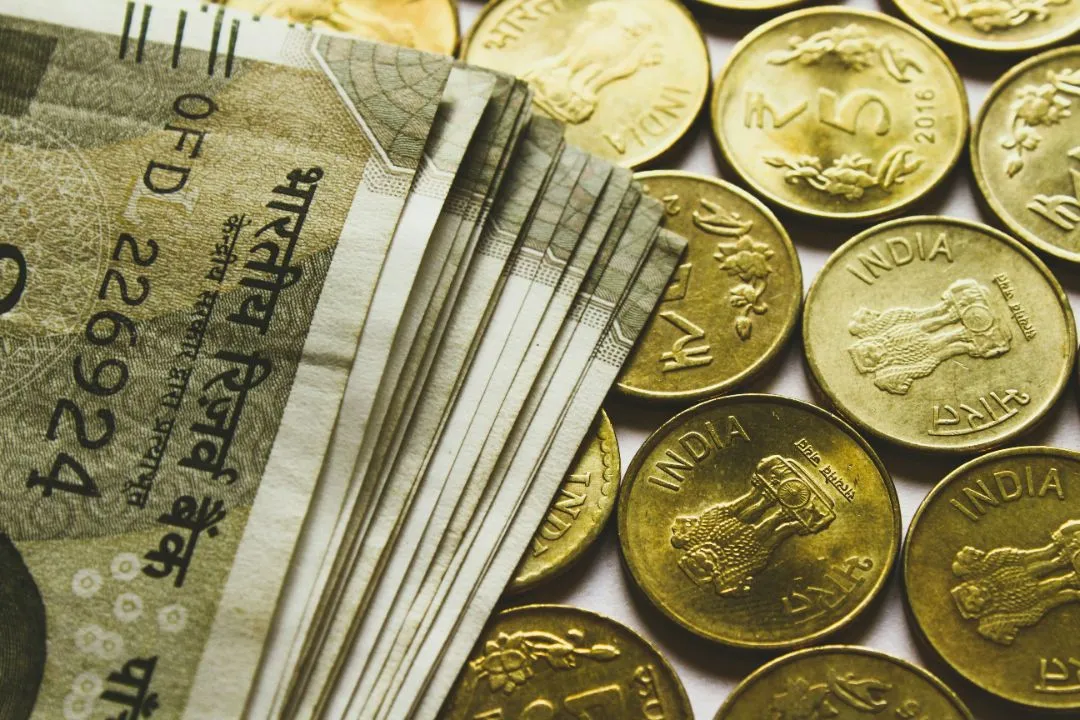
Photo by Manson Yim on Unsplash


Appealing to retail traders

The HashKey Exchange app went live on Wednesday, having received regulatory clearance from Hong Kong’s securities regulator the previous Friday. This achievement allows the app to offer full mobile trading capabilities. Prior to this milestone, HashKey had been primarily catering to professional investors under a voluntary licensing scheme.

With the new app, Hongkongers can now conveniently purchase bitcoin and ether, utilizing either Hong Kong dollars or US dollars, directly from their local bank accounts. The app launch is significant as HashKey has become one of Hong Kong’s first fully compliant retail-facing crypto trading platforms. “We’ve recorded large trading volume since we began to serve retail users,” Weng stated. The move aligns with the Hong Kong government’s efforts to bolster the virtual asset sector, which was set in motion one year ago with various policy shifts.

These shifts included the introduction of a mandatory licensing scheme for cryptocurrency platforms, enabling them to offer tokens with large market capitalizations to retail traders. The new licensing regulations officially took effect in June, with a one-year grace period, though no new exchanges have been approved to date. HashKey and its rival, OSL, had their previous licenses upgraded in August.


Developmental challenges

Hong Kong has faced several challenges on this journey. While the new regulations are largely in line with international norms, the process has been notably expensive, particularly against the backdrop of a bearish crypto market.

The lingering fallout from the JPEX scandal, a cryptocurrency exchange allegedly involved in fraudulent activities, continues to impact Hong Kong’s virtual asset landscape. The SFC first raised concerns about JPEX in mid-September, and since then, it has moved to tighten regulation in response, having received thousands of complaints in relation to JPEX.

Despite these challenges, HashKey Group has reported significant activity on its retail platform since its launch in August, with a total trading volume exceeding US$600 million. On October 30, the 24-hour trading volume exceeded US$100 million.


Planned token launch

In a move designed to incentivize new users, HashKey Exchange has introduced its platform token, HSK, which is slated to be officially listed on the exchange next year. With a total supply of 1 billion HSK, the company has specified that these tokens will not be initially sold to retail investors, emphasizing its long-term vision for the project.

Established in Hong Kong in 2018, HashKey Group operates a digital asset brokerage and a venture capital arm. HashKey Exchange earned the distinction of becoming Hong Kong’s second licensed exchange in November of the previous year, following in the footsteps of OSL. Notably, five companies have applied for the new licensing scheme, according to the SFC, while several other exchanges have expressed their intent to pursue similar approval.

More to Read
View All
Web3 & Enterprise·

Mar 12, 2024

Mudrex to introduce U.S. spot Bitcoin ETFs to Indian investors

Indian cryptocurrency investment platform Mudrex has unveiled plans to provide access to U.S. spot Bitcoin exchange-traded funds (ETFs) for investors within the world’s most populous country. Serving Indian institutional investorsThis initiative, as disclosed by CEO and co-founder Edul Patel in discussion with local media, marks a particularly significant milestone for Indian institutional investors who previously lacked direct access to spot Bitcoin ETFs, which were predominantly available to retail investors through U.S. stock investing firms. In its initial phase, Mudrex intends to list the top four BTC ETFs from prominent entities including BlackRock, Fidelity and Franklin Templeton. While eleven BTC ETF products currently exist in the United States, most commentators agree that there will be a consolidation with the majority unlikely to survive in the long run. Mudrex will ensure compliance by being registered with the Financial Intelligence Unit (FIU) of India. The company already provides clients with access to a diverse selection of over 350 cryptocurrencies and crypto baskets, coupled with the provision of actionable insights to help clients reach investment decisions effectively. Patel outlined the rationale behind the product offering, stating:“Seeing the increasing demand for Bitcoin spot ETFs and user requests on our platform in the past few months, we have decided to launch it for Indian investors.”Photo by rupixen on UnsplashPurchased under Liberalized Remittance SchemeMudrex ensures actual transactions are processed through broker partners in the U.S., while its Indian subsidiary facilitates the spot Bitcoin ETF service. This development unfolds amidst a nuanced regulatory environment in India, where regulatory bodies such as the Reserve Bank of India (RBI) and the Finance Ministry's Intelligence Unit hold varying stances on cryptocurrency. While the RBI remains cautious about crypto, the Finance Ministry's Intelligence Unit has registered numerous Indian crypto service providers and imposed rigorous taxation policies. Patel expanded on the alignment of spot Bitcoin ETFs with the Liberalized Remittance Scheme (LRS), a framework that simplifies overseas investments for Indian investors. The Reserve Bank of India (RBI) prescribes a limit of $250,000 per year for overseas investments by Indians under the LRS. In line with that, Mudrex is facilitating a minimum investment of $5,000 and a maximum of $250,000. Accessing spot Bitcoin ETFs through Mudrex under the LRS framework offers a more tax-efficient avenue compared to domestic crypto exchanges in India. Among Mudrex's clientele, comprising approximately 350 institutions, Patel reveals that around 20 have initiated the process of joining the platform for spot BTC ETF investments. With an anticipated average ticket size of $110,000, this demonstrates a growing appetite among institutional investors for exposure to Bitcoin ETFs facilitated through Mudrex's platform. This move by Mudrex is interesting when contrasted with recent comments made by RBI governor Shaktikanta Das, who suggested that the central bank wasn’t in favor of the offering of such products in India despite the decision by the U.S. authorities to permit spot Bitcoin ETFs. Hong Kong is working towards the approval of such products while hoping to get out in front of the competition by being the first to launch a similar Ethereum-based product. Meanwhile, the London Stock Exchange announced on March 11 that it intends to commence accepting applications for Bitcoin and Ether exchange-traded notes (ETN).

news
Web3 & Enterprise·

Aug 25, 2023

DBS Introduces Metaverse Game to Tackle Global Food Waste

DBS Introduces Metaverse Game to Tackle Global Food WasteDBS, Singapore’s largest bank, has unveiled an innovative concept within the metaverse for its DBS BetterWorld initiative, focusing on the critical issue of global food waste.In a press release which it published on Thursday, the bank revealed that this “gamified adventure” is designed to showcase the strategies that Businesses for Impact are employing to tackle the ever-pressing global food waste challenge. Businesses for Impact are an initiative driven by the DBS Foundation that champions for-profit enterprises that promote innovative solutions to effect positive environmental or social change.Photo by Joshua Hoehne on UnsplashTackling a global issueData from the United Nations suggests that a staggering 1.3 billion tons of food, equivalent to one-third of the world’s total food production, goes to waste each year. Within this conceptual metaverse, players are tasked with a series of engaging activities inspired by five businesses supported by the DBS Foundation. These entities offer unique approaches to curbing food waste.Project collaborationSingapore-headquartered brewery business Brewerkz is focused on up-cycling brewers’ spent grains as part of the project. Breer, a Hong Kong startup transforming surplus bread into craft beer is also participating. The project also sees participation from another Hong Kong-based business, GreenPrice, which specializes in selling food close to or just past their best-before dates.Edible Garden City, a start-up that aims to make urban farming and edible gardening more accessible in cities, and Rooftop Republic, which converts underutilized spaces into urban farms, complete the list of five “Businesses for Impact” relative to this particular project.Metaverse ESG potentialKaren Ngui, Head of Group Strategic Marketing and Communications at DBS and a board member of DBS Foundation, emphasized the metaverse’s potential to enhance awareness and address crucial Environmental, Social, and Governance (ESG) concerns.Ngui remarked: “With DBS BetterWorld, we have chosen to delve into the challenges of food waste and food resilience, issues that DBS and the DBS Foundation have been championing, in a unique and engaging way.” She added that as metaverse technologies mature, they aspire to bridge virtual initiatives with tangible real-world impacts.Players based in Singapore will be rewarded with exclusive incentives that can be redeemed through special QR codes accessible via DBS PayLah!. This integration of real-world rewards into the metaverse experience adds a new layer of interaction and excitement for participants.Embracing the metaverseThis is not DBS’ first foray into the metaverse. It has collaborated with The Sandbox metaverse platform previously, participating in its Lion City initiative, a virtual metaverse neighborhood modeled on Singapore. Work on BetterWorld has been ongoing in conjunction with The Sandbox development team since last year.DBS’ creative endeavor within the metaverse not only sheds light on the urgent issue of global food waste but also demonstrates how technology and gaming can be harnessed to educate, raise awareness, and drive positive real-world change.As the metaverse continues to evolve, DBS’ initiative will likely serve to inspire other institutions to leverage the metaverse for various initiatives with the objective of achieving real-world impact.

news
Web3 & Enterprise·

May 02, 2023

Blockchain Tech Enhances Korean Meat Industry’s Trading System

Blockchain Tech Enhances Korean Meat Industry’s Trading SystemThe Korean meat industry is leveraging blockchain technology to optimize its meat trading system.©Pexels/mali maederOn Tuesday, the MOOxMOO Foundation, a Korean blockchain-driven supply chain management provider, announced its strategic partnership with meat processing company PMD, according to the Maeil Business Newspaper.Inefficient distributionThe partnership aims to enhance the transparency of the meat trading system and address issues of inefficient intermediary distribution, particularly regarding payments, settlements, and deliveries. This goal will be achieved through the foundation’s meat trading platform MOOxDEAL, which will utilize soulbound tokens (SBTs) to verify identities of supply chain participants.Rising meat demandThe OECD-FAO Agricultural Outlook 2022–2031 stated that in 2021, world meat imports are estimated to have reached 40 million metric tons (Mt), with poultry imports leading the way. Brazil, the European Union and the United States were among the top meat exporting countries, meeting a significant portion of the increased import demand.Meat consumption is projected to grow by 15% by 2031, driven by an expected 11% increase in the global population. Global meat supply is projected to reach 377 Mt by 2031, though growth will not be as rapid as the previous decade.The amount of protein available from poultry, pork, and beef is expected to increase globally by 16%, 17%, and 8%, respectively, by 2031, with poultry being the main contributor to overall meat production growth. The majority of meat production growth is set to occur in developing regions.Costs onto consumersDespite increasing global meat production, the unsuitable distribution structure in Korea may shift costs onto consumers.Through the partnership, the MOOxMOO Foundation looks forward to addressing the inefficiencies of intermediary distribution and benefiting consumers. The foundation also envisions its platform contributing to the Korean meat industry by optimizing both business to business (B2B) and business to consumer (B2C) trading.

news
Loading