Top

Backpack crypto wallet secures VASP license for crypto exchange in Dubai

Web3 & Enterprise·November 01, 2023, 1:16 AM

The Dubai Virtual Assets Regulatory Authority (VARA) recently granted a Virtual Asset Service Provider (VASP) license to the Backpack crypto wallet project. This development has paved the way for the launch of Backpack Exchange, a crypto trading platform.

Details of the licensing approval and exchange launch were provided via a press release published by Backpack on Tuesday. The VASP license obtained by the fledgling startup is specific to crypto exchange services within the Dubai jurisdiction. Although it restricts Backpack from offering other virtual asset products and services, the company is embracing the opportunity via the newly launched exchange.

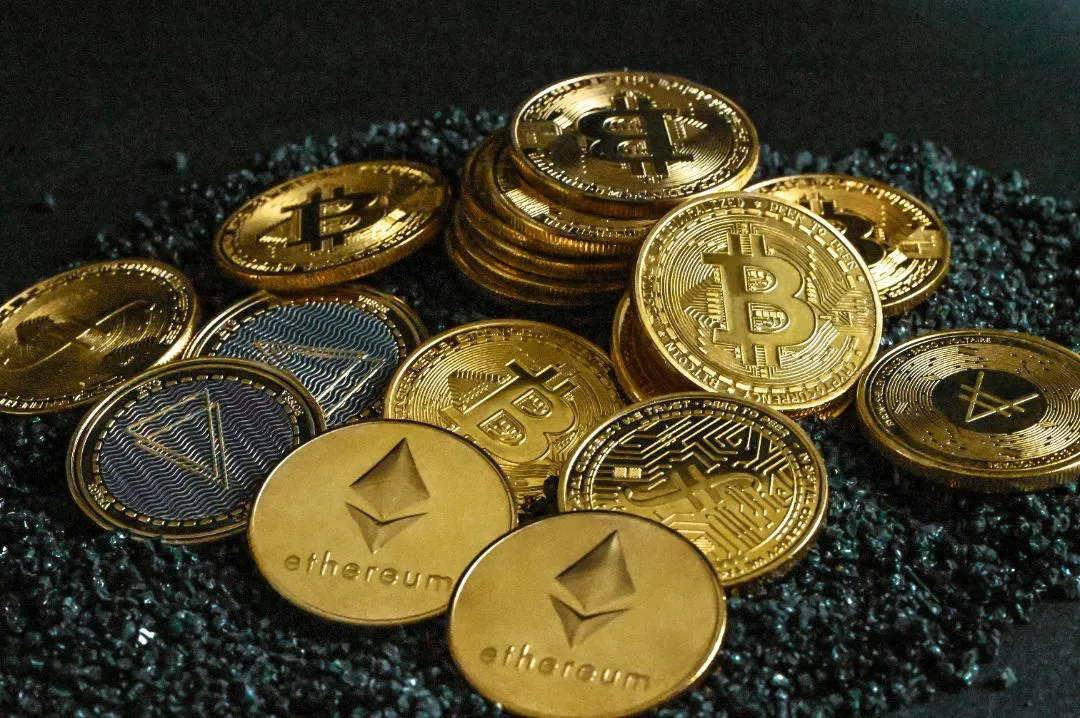
Photo by Wael Hneini on Unsplash


Backpack Exchange

The new exchange, Backpack Exchange, incorporates cutting-edge technologies such as zero-knowledge (ZK) proof-of-reserves, multi-party computation (MPC) for custody and low-latency order execution, among other features. These technologies are poised to enhance the security, privacy and efficiency of the exchange in an effort to set it apart in the competitive crypto market.

By all accounts, this will not be the last licensing announcement from Backpack. Over the past five months, Backpack Exchange has been working to secure operational licenses across multiple jurisdictions worldwide. This global expansion showcases the company’s interest in taking its product offering in the form of a secure and transparent trading experience further afield.


Fiat-to-dApp bridge

While the wallet currently operates without specific regulatory oversight, it serves as a bridge for users to transition seamlessly from fiat to on-chain applications. Armani Ferrante, CEO and Co-Founder of Backpack, expressed his ambition to bring greater transparency to the crypto exchange sphere. He emphasized the importance of trust and verification in a sector often shrouded in opacity.

Ferrante believes that leveraging cryptographic techniques such as zk-proofs, MPC, and state machine replication can elevate industry standards. Backpack Exchange aims to set a precedent by providing users with the tools and knowledge to verify transactions, ultimately fostering trust and confidence within the crypto community.

Dubai’s VARA regulator has been actively enhancing its crypto-friendly regulatory environment. In February 2023, the regulator issued guidelines for VASPs operating within the emirate, emphasizing the importance of adhering to marketing, advertising, and promotion regulations. Violators may face fines ranging from 20,000 UAE dirhams ($5,500) to 200,000 dirhams, with repeat offenders potentially incurring fines as high as 500,000 dirhams.


Solana ecosystem project

Backpack is very much a Solana-centric project. As a lead developer of the layer one blockchain, Ferrante is bullish in terms of future development on the Solana blockchain. His Mad Lads NFT project is the top-rated collection by market cap within the Solana ecosystem.

In a podcast earlier this year, he outlined that the prospects for the blockchain are bright going forward. Backpack was first established by crypto infrastructure firm Coral, the creator of Anchor, one of the most popular smart contract developer frameworks for Solana.

For existing Backpack and Mad Lads users (Mad Lads is a collection of 9,966 NFTs created by Ferrante), exciting prospects are on the horizon via the new exchange. Initial access to Backpack Exchange will be granted starting in November, with full public availability anticipated in Q1 2024. During this interim period, Backpack plans to introduce various trading functionalities, including derivatives, margin trading and cross-collateralization.

More to Read
View All
Web3 & Enterprise·

May 13, 2024

Harvest Global CEO considers offering BTC and ETH ETFs to mainland Chinese investors

Tongli Han, the CEO and CIO of Harvest Global, has expressed openness to the possibility of applying to offer Bitcoin and Ether exchange-traded funds (ETFs) to mainland Chinese investors through the Stock Connect program. This consideration is contingent on favorable developments in the next two years. Harvest Global, along with China Asset Management (ChinaAMC) and Bosera HashKey, recently launched Asia's first spot Bitcoin and Ether ETFs on the Hong Kong Stock Exchange, aligning with Hong Kong's ambition to establish itself as a global cryptocurrency hub. Han's remarks were delivered during the Bitcoin Asia conference in Hong Kong, underscoring the potential for expansion into the mainland Chinese market.Photo by Jimmy Chan on PexelsUncertain regulatory landscape and growth prospectsDespite the introduction of spot crypto ETFs in Hong Kong, uncertainty looms over mainland Chinese investors' access to such products through the Stock Connect program. China's regulatory stance towards the cryptocurrency industry remains stringent, with most commercial crypto activities prohibited on the mainland. While there is speculation regarding the potential inclusion of crypto ETFs in the eligible securities list of the Stock Connect program, approval remains uncertain. The debut of Hong Kong's spot crypto ETFs recorded modest trading volumes compared to their U.S. counterparts, signaling a cautious start. However, Han anticipates the potential for growth in the Asia region, envisioning the Hong Kong ETFs to potentially double the size of their U.S. counterparts. Despite differing opinions on growth prospects, market observers highlight challenges such as the relatively small size of the Hong Kong ETF market and restrictions on mainland Chinese investors' participation, underscoring the complexities facing the expansion of crypto ETFs in the region. 

news
Policy & Regulation·

Jan 08, 2024

Samjong KPMG and Xangle seminar says crypto market will improve this year

According to crypto data research platform Xangle, the crypto market is on the road to recovery this year thanks to positive outlooks on developments like a spot Bitcoin ETF, regulatory changes and diversified services.Photo by CHUTTERSNAP on UnsplashBitcoin’s resilienceSpeaking at a special seminar on virtual assets co-hosted by CrossAngle and accounting firm Samjong KPMG in Seoul last Friday, Kim Jun-woo, Co-Founder and CEO of Xangle, cited Bitcoin’s positive reputation as one of the reasons for the optimism. "There are reports that Bitcoin has a low correlation with risky virtual assets," he said. Public sentiment toward Bitcoin is also expected to improve this year as the global economy is expected to emerge from recession and manage a soft landing. Another major item on the agenda is a possible approval by the U.S. Securities and Exchange Commission (SEC) of a spot Bitcoin ETF this quarter. Web3 revolutionIn terms of innovative services, Kim stated that Web3 is expected to be actively implemented in local corporations after going through conceptual and technical testing stages. "In South Korea’s crypto market, (resources like) app stores and mobile phones exist, but there are no actual apps," Kim said. "I expect that figures from traditional finance and existing Web2 companies will enter the Web3 industry this year."  "Web2 companies will discover new business opportunities in Web3 and play a role in bringing existing content and users to Web3," said Lee Hyun-woo, Co-CEO of Xangle, in his presentation on the importance of Web3 system integration and virtual asset disclosure. "Their participation is important for the stable maturation of the Web3 ecosystem," he added. Regulation and governanceIn regards to policies and regulations, expectations point to a resolution of various uncertainties as cryptocurrencies are slowly becoming more integrated into the sphere of traditional finance. In South Korea, the imposition of basic legal regulations on virtual assets is accelerating, such as the Virtual Asset User Protection Act. The Financial Services Commission (FSC) also released guidelines for accounting and disclosure of virtual assets last month, which was examined in detail at the seminar. "The financial authorities' guidelines are more detailed than before. We expect additional guidelines from them in the future to further resolve shortcomings," Choi Yeon-taek, Managing Director of Samjong KPMG, commented.

news
Policy & Regulation·

Nov 23, 2023

Mammoth Foundation signs deal with the Philippines’ AFAB for blockchain business collaboration

Mammoth Foundation signs deal with the Philippines’ AFAB for blockchain business collaborationThe Mammoth Foundation, a blockchain research and development company, announced on Thursday that it has signed a memorandum of understanding (MOU) with the Authority of the Freeport Area of Bataan (AFAB) of the Philippines to establish business partnerships in the blockchain field. Under this agreement, the Mammoth Foundation intends to bring its blockchain technology to the Philippines as a part of efforts to expand its global business.Photo by Sean Yoro on UnsplashFostering innovation in the PhilippinesAFAB is a free economic zone in the Philippines dedicated to pushing development, economic growth and sustainability through creating jobs and establishing technologically-relevant infrastructure systems. In particular, it is focusing on the adoption of cutting-edge technologies such as blockchain, artificial intelligence (AI) and fintech. As one of the oldest free economic zones in Asia, companies residing in the zone are granted preferential measures such as tax exemptions and special visas. Firms that operate innovative businesses can also receive licenses to support the development of the global IT industry — the Mammoth Foundation being one of these.Global expansion and daily engagementHeadquartered in Singapore with offices in the United Kingdom and several Asian countries, the Mammoth Foundation offers dApps in a range of fields such as healthcare, e-commerce, entertainment and gaming through its mainnet Giant Mammoth Chain (GMMT). GMMT is built on the BNB Chain Application Sidechain and is fully compatible with the Ethereum virtual machine (EVM).Participants in GMMT can acquire token rewards through Play-to-Earn (P2E) and Life-to-Earn (L2E) mechanisms by participating in everyday activities and hobbies like walking, shopping, gaming and reading comics. These tokens can then be used within the Mammoth ecosystem.“The Philippines’ market for advanced technologies such as AI and blockchain is expected to grow in the future,” said John Baek, Chairman of the Mammoth Foundation. “We will strive to expand GMMT globally.”

news
Loading