Top

Aurora Mobile & VMS Group to invest in crypto

Markets·June 26, 2025, 12:52 AM

Earlier this month, CoinNess reported on a flurry of Asian companies who had announced plans to add crypto to their balance sheets. That trend continued this week with two Chinese companies announcing similar plans.


In a press release published on June 24, Aurora Mobile, a marketing technology firm based in Shenzhen, announced its intention to begin to invest in digital assets. The Nasdaq-listed company (JG) outlined that its Board of Directors had approved the investment of up to 20% of the firm’s cash and cash equivalents in various digital assets in a strategic initiative involving Aurora Mobile’s treasury management.
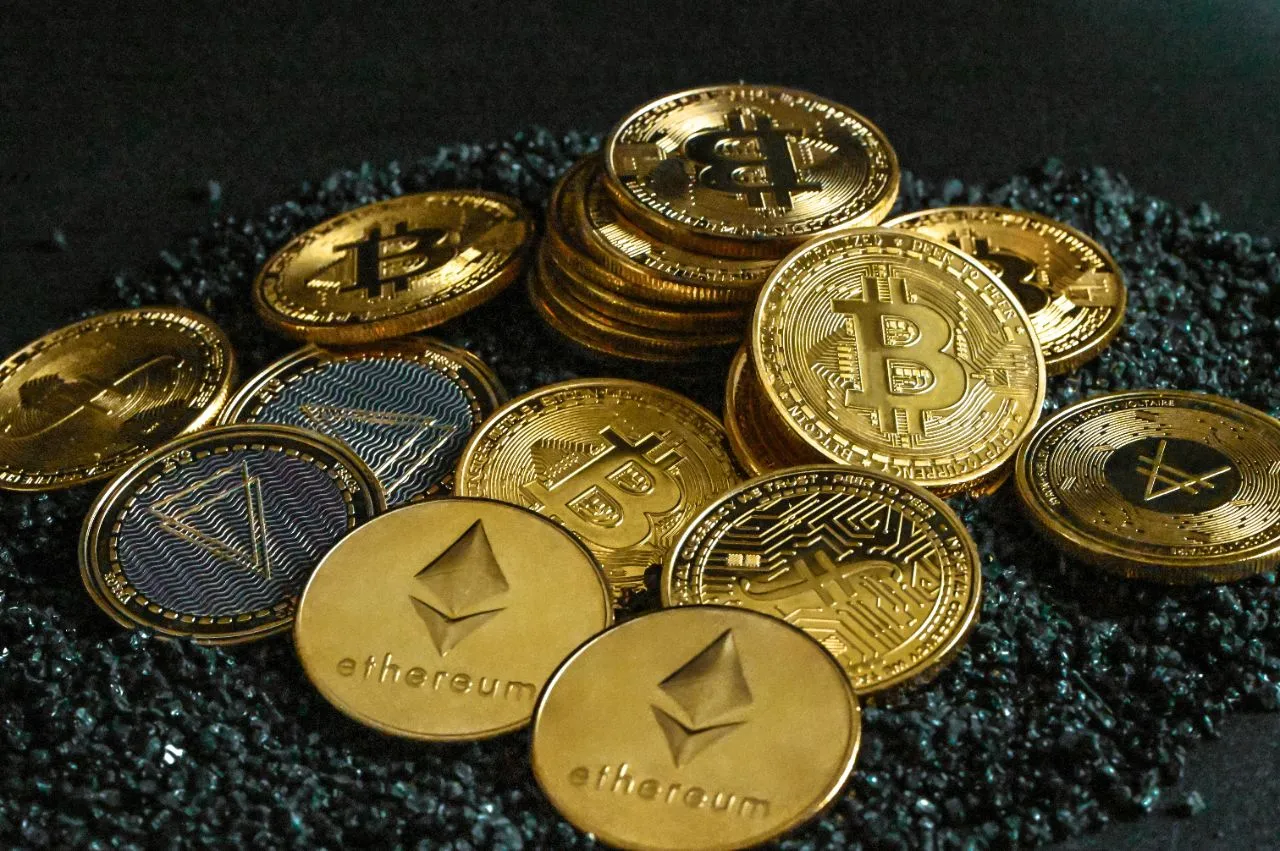
https://asset.coinness.com/en/news/0d918fa9e883e0f0f5d663ec72ad6fa5.webp
Photo by Traxer on Unsplash

Gaining exposure to emerging asset class

It described the initiative as an example of the company’s “commitment to innovative treasury practices,” focusing on long-term value creation for Aurora Mobile’s shareholders.


The firm’s CEO, Weidong Luo, said that the initiative will enable the company to diversify its portfolio, “gaining exposure to an emerging asset class with low correlation to traditional markets.” Luo also asserted that the move would demonstrate that the firm is “aligning with the technological advancements reshaping global finance.”


Aurora Mobile indicated that it would look to purchase Bitcoin, Ethereum, Solana, Sui and other tokens.


China’s crypto trading ban

A trading ban on crypto was introduced in mainland China in 2021. With that, it’s unclear how Aurora Mobile will establish its crypto treasury. It may opt to do so through Singapore-based subsidiary EngageLab or through an affiliated corporate entity in Hong Kong.


No such ban applies in Hong Kong, where VMS Group, another company which has decided to invest in digital assets, is headquartered. VMS Group is a family office which provides investment solutions and advisory services, while specializing in alternative investments. 


According to a report published by Bloomberg on June 23, the company, which has $4 billion worth of assets under management (AUM), intends to allocate up to $10 million to investment strategies run by a decentralized finance (DeFi)-focused hedge fund, Re7 Capital.


VMS Group managing partner Elton Cheung told Bloomberg that the investment decision was taken as part of an effort to diversify into more liquid investments. Cheung added:


“We thought this was the right time [to invest in digital assets] because of growing demand and because we see clearer legislative and government support from various jurisdictions, as well as large institutional support and endorsement.”


Potential partnerships

VMS Group executive Zhi Li, who has been tasked with leading digital asset investments for the company, said that the firm is examining potential partnerships with blockchain payments and infrastructure projects. Li stated that “there is very strong institutional and family interest in getting regulated digital asset exposure,” adding that VMS has “seen the younger generation of families wanting to do something different.”


Alongside these investments into cryptocurrencies, demand for crypto-related stocks in Hong Kong is also surging. Shares in publicly-listed licensed digital asset platforms in the Chinese autonomous territory surged by as much as 200% on June 25 as the market reacted positively to the city’s developing digital assets policy.

More to Read
View All
Policy & Regulation·

Oct 31, 2025

Bybit halts new user onboarding in Japan as regulators advance crypto rules

Dubai-based crypto exchange Bybit said it will temporarily pause the onboarding of new users in Japan as it adjusts to regulatory changes under the country’s Financial Services Agency (FSA). In a statement released on Oct. 30, the company explained that the suspension is part of its effort to reassess compliance obligations and align with upcoming local standards. Starting Oct. 31 at 12:00 p.m. UTC, Bybit will no longer accept new account registrations from Japanese nationals or residents. The company added that the change will not affect existing customers, whose services will remain uninterrupted for now. The decision landed amid a shifting domestic policy backdrop. Policymakers at the FSA have been weighing the treatment of crypto assets under the Financial Instruments and Exchange Act, viewing digital tokens through the lens of investment products. Officials have pointed to sharp price volatility and cyber-theft risks as reasons to strengthen safeguards for depositors and insured individuals.Photo by Cosmin Georgian on UnsplashBanks and insurers face ban on crypto salesAccording to an Asahi Shimbun report cited by Yonhap News, the FSA is set to prepare a draft framework that would bar banks and insurance companies from selling crypto directly, while permitting sales through brokerage firms. The draft was said to be slated for submission to the regular Diet session next year. In order to preserve a level competitive field, the authority plans to allow securities arms of banks and insurers to distribute tokens, given that online brokerages already offer crypto exposure. The same report suggested that banks and insurers could be allowed to hold and manage crypto assets once adequate risk management systems were in place. Market developments have continued alongside the policy work. Reuters reported that a yen-pegged stablecoin called JPYC launched on Oct. 27, issued by a company of the same name and backed by domestic savings and Japanese government bonds. An earlier Nikkei article had signaled that regulatory approval was expected, leaving timing as the main open question until the debut. Economic stimulus at odds with rate hike talkBroader macroeconomic policy has also been in focus for crypto investors. Some analysts have argued that an economic stimulus package announced by Japan’s newly elected Prime Minister Sanae Takaichi could channel fresh capital into markets and, by extension, provide a tailwind for Bitcoin. On social media platform X, BitMEX co-founder Arthur Hayes suggested that additional government support for households and businesses might propel the largest cryptocurrency toward the $1 million mark. Monetary policy remains a counterweight. The Bank of Japan kept its benchmark rate at 0.5% on Oct. 30, which led to a weaker yen and boosted demand for government bonds. According to Reuters, Governor Kazuo Ueda indicated that wage trends would guide the next step, leaving open the possibility of a rate increase as early as December. Higher interest rates typically raise borrowing costs and can damp risk appetite, dynamics that often weigh on speculative assets such as cryptocurrencies. Investors are watching how Japan’s evolving rulebook, fiscal support, and cautious monetary tightening intersect—and how that mix ultimately shapes crypto participation and pricing in one of Asia’s most closely observed markets. 

news
Policy & Regulation·

Jul 22, 2023

e-CNY Payments Enabled for Hong Kong Visitors From Mainland China

e-CNY Payments Enabled for Hong Kong Visitors From Mainland ChinaBank of China’s Hong Kong arm recently launched a digital yuan shopping festival, aiming to spur local consumption and promote the adoption of central bank digital currencies (CBDCs). The festival, which commenced on July 18, allows visitors from mainland China to make purchases in Hong Kong using the digital yuan.Bank of China (Hong Kong) Limited (BOCHK), a subsidiary of China’s central bank, initiated trials of e-CNY cross-border payments in Hong Kong last year, paving the way for the current shopping festival.Photo by Eric Prouzet on UnsplashSubsidized useAccording to a press release published by BOCHK earlier this week, as of July 18, digital yuan wallet holders have been able to use China’s CBDC to make payments at over 200 participating merchants across Hong Kong. Furthermore, consumers have the opportunity to receive shopping subsidies in digital yuan by scanning QR codes at specific stores, as stated in the BOCHK press release.The range of merchants accepting e-CNY payments spans from electronics sellers and pharmacies to supermarkets. Among the participants is U Select, a Hong Kong-based supermarket chain with a wide presence of more than 90 stores throughout the city.BOCHK strategically chose the summer tourist season for the expansion of e-CNY payments in Hong Kong. Chen Guang, representing BOCHK, mentioned the influx of tourists to the special administrative region, presenting a prime opportunity to attract more users and bolster local consumption through this cross-border shopping festival.The move makes BOCHK the first institution to partake in the cross-border e-CNY trial in Hong Kong. In December 2022, the bank initiated the first phase of its “digital yuan exclusive experience,” which allowed a limited number of BOCHK consumers to shop in the city using the digital yuan.Adoption strategyThe digital yuan has witnessed robust adoption in recent times, with China leading the global development of CBDCs. The Bank of China has been actively striving to advance and popularize the use of digital yuan in the country. Various initiatives, including business loans, trial expansions, and partnerships with prominent technology firms, have been undertaken to propel the widespread adoption of the digital currency.The introduction of the digital yuan shopping festival in Hong Kong signifies yet another significant step in China’s efforts to promote its CBDC and drive its usage in both domestic and international transactions. With over 200 merchants already participating and a seamless payment experience for tourists, the festival has the potential to encourage further adoption and shape the future of digital payments in the region.As this initiative gains momentum, it will be crucial to observe its impact on local consumption and the broader implications for CBDC adoption in the global financial landscape.The rate of China’s CBDC development and beyond that, the intent with which it is striving to drive adoption through a seemingly never-ending series of initiatives has been unmatched by any other nation. With that, the first real results of the active and widespread use of a CBDC are going to come from the country that makes up one-fifth of the world economy.

news
Policy & Regulation·

Apr 11, 2023

Japan Progresses With Web3 White Paper Release

Japan Progresses With Web3 White Paper ReleaseJapan has released a white paper on Web3, with the aim of promoting the growth of the crypto industry in the country. The white paper, titled “Web3 for All: The Future of the Digital Economy in Japan”, outlines a number of proposals to make the regulatory environment for crypto more friendly and conducive to growth.©Pexels/DSDDeveloping a roadmapThe Japanese government has been looking at ways to foster innovation in the crypto industry, which has been gaining traction in recent years. With the release of the Web3 white paper, the government is hoping to provide a roadmap for the development of the industry in the country.One of the key proposals in the white paper is the establishment of a regulatory sandbox for crypto startups. The sandbox would provide a safe space for companies to experiment with new ideas and technologies, without the risk of falling foul of regulations. This would help to encourage innovation and entrepreneurship in the industry, and could lead to the creation of new products and services.Another proposal in the white paper is the introduction of a digital asset exchange license. This would allow companies to operate crypto exchanges in Japan, provided they meet certain regulatory requirements. This would help to create a more stable and reliable marketplace for cryptocurrencies in the country, and could attract more investors to the industry.Blockchain R&D hubThe white paper also proposes the establishment of a blockchain research and development hub. This would bring together academics, researchers, and industry experts to collaborate on the development of new blockchain technologies. The hub would help to promote innovation and knowledge sharing, and could lead to breakthroughs in the field.In addition to these proposals, the white paper also calls for the creation of a new government agency to oversee the development of the crypto industry in Japan. The agency would be responsible for implementing and enforcing regulations, as well as providing guidance and support to companies in the industry.The release of the Web3 white paper has been welcomed by the crypto industry in Japan. Many industry insiders see it as a positive step towards creating a more supportive environment for innovation and growth. Some have also praised the government for taking a proactive approach to the development of the industry, and for recognizing its potential to drive economic growth in the country.White paper concernsHowever, there are also some concerns about the proposals outlined in the white paper. Some worry that the regulatory sandbox may not provide enough protection for consumers, and that it could lead to the proliferation of untested and potentially risky products and services. Others have raised concerns about the potential for government interference in the industry, and the impact this could have on innovation and entrepreneurship.Despite these concerns, it is clear that the release of the Web3 white paper marks a significant milestone in the development of the crypto industry in Japan. With its proposals for a regulatory sandbox, digital asset exchange license, blockchain research and development hub, and new government agency, the white paper provides a roadmap for the growth of the industry in the country. It remains to be seen how these proposals will be received and implemented, but they are certainly a step in the right direction for the future of the crypto industry in Japan.

news
Loading