Top

Almost 60K Korean Crypto-Holding Households Owe $389M in Unpaid Social Insurance Premiums

Policy & Regulation·October 18, 2023, 7:56 AM

The National Health Insurance Service (NHIS) in South Korea is intensifying its efforts to collect overdue premiums. Many high-income individuals who can afford to pay premiums for social insurance, including health insurance, have been neglecting their dues.

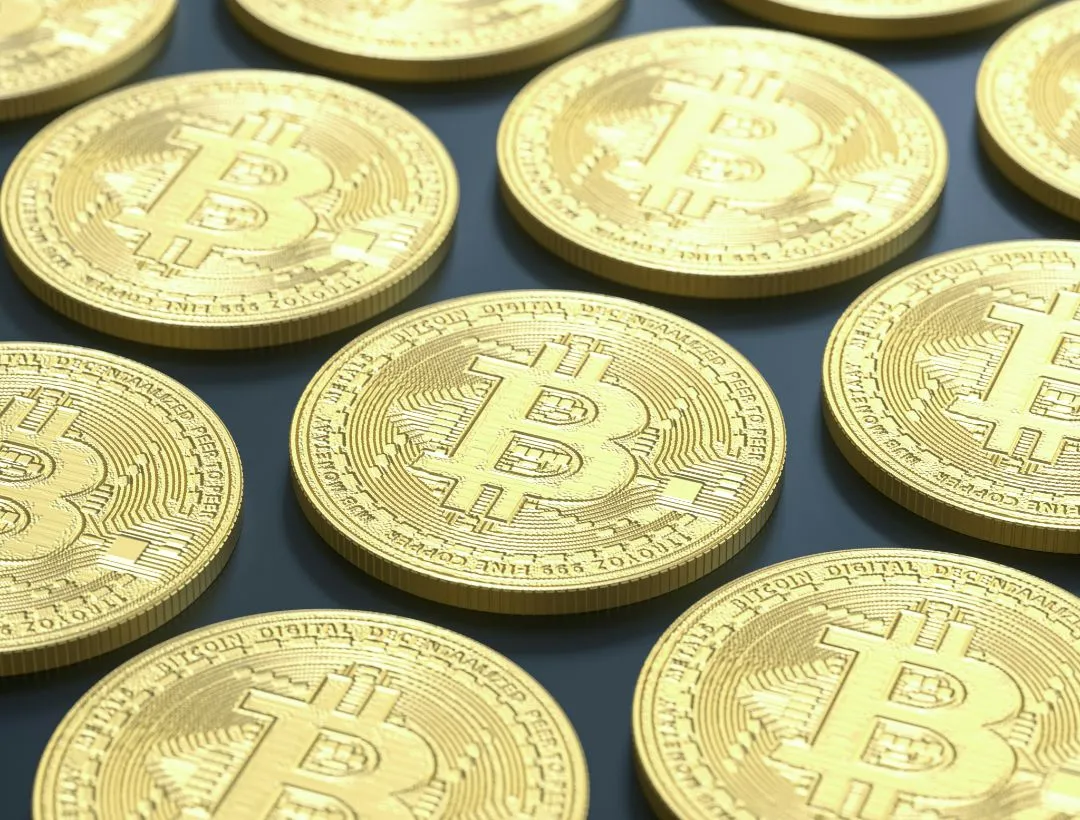
Photo by Hush Naidoo Jade Photography on Unsplash


Virtual assets for seizure

According to the documents submitted on October 18 by the NHIS to lawmaker Jung Choun-sook, a member of the National Assembly’s Health and Welfare Committee, the NHIS is actively identifying a range of assets, including copyrights and virtual assets, that can be seized from these individuals. The NHIS aims to recover overdue premiums through stringent measures such as confiscation and government auctions. This move is designed to deter high-income earners from neglecting their obligations, ensuring fairness for those who consistently pay their premiums.


Almost 60,000 crypto-holding households

This year, the NHIS discovered that 59,513 households, despite owning virtual assets, had outstanding social insurance premiums amounting to KRW 525 billion ($389 million). The NHIS has initiated collection efforts. In 2021, the insurance agency identified 5,336 households with virtual assets that had unpaid social insurance premiums totaling KRW 62.2 billion. Of this, the NHIS successfully collected KRW 6.92 billion, representing 11.13% of the total arrears.

On this matter, lawmaker Jung highlighted that the government should strive to bolster the NHIS’s financial health. She underscored the importance of identifying concealed income sources or assets, like cryptocurrency holdings, of premium defaulters to ensure the collection of their overdue premiums.


More to Read
View All
Policy & Regulation·

May 30, 2025

Kazakhstan plans CryptoCity as pilot project for crypto payments

The Central Asian republic of Kazakhstan is planning to establish a pilot project that will enable the use of crypto as a means of exchange for goods and services within a specific zone. That’s according to a statement published on Akorda.kz, the official website of the President of Kazakhstan. The statement incorporates the text of a keynote speech delivered by President Kassym-Jomart Tokayev at the Astana International Forum. Tokayev stated: “We are planning to create a pioneering pilot zone called CryptoCity where cryptocurrencies might be used for purchasing goods, services, and even beyond.”Photo by Engin Akyurt on PexelsWorking towards digital transformationThe initiative forms part of Kazakhstan’s efforts to make progress in terms of digital transformation, as well as an aspiration to become an IT hub within the Eurasia region.  For the purposes of the pilot program, the use of cryptocurrencies for the payment of goods and services has been authorized by the government within a pre-defined sandbox environment. Alatau City, an urban development located north of the Kazakhstani city of Almaty, has been chosen for the pilot scheme. Alatau has been established as a special economic zone and planned to become a hub for new technology and knowledge, alongside global tourism. It hosts the Innovation Technology Park together with the Kazakhstan National Nuclear Center, Institute of Nuclear Physics and the Physics & Technology Institute.It’s envisaged that the existing technology and knowledge base within Alatau will support its expansion into the area of crypto payments and blockchain development. In addition to crypto payments, other blockchain-based technologies related to taxation systems, investment and decentralized identity systems will be nurtured and encouraged within the Alatau special economic zone. Potential Eurasian crypto hubIn a recent opinion piece published by the Russian-language government-backed newspaper Kazakhstanskaya Pravda, Kanysh Tuleushin, Kazakhstan’s vice minister of digital development, suggested that the Central Asian republic has the potential to position itself as the region’s leading crypto hub.  Tuleushin also suggested that crypto mining operators could help to modernize the country’s energy sector, playing a role in stabilizing the country’s power grid, while making use of surplus electricity. Kazakhstan had proven to be a popular destination for Bitcoin miners in the past. However, the sudden influx of miners following a ban on the activity in China in 2021 was unplanned for.  The surge in electricity demand put the country’s electricity grid under pressure, leading to blackouts in some cases. In 2023 President Tokayev signed legislation into law that limited the energy use of domestic crypto miners. Despite that negative experience, it appears that Tuleushin has seen the benefits that the activity can bring when regulated and planned for. Back in March, it emerged that lawmakers in Kazakhstan had proposed the creation of a crypto bank. One obstacle to the creation of the bank is a lack of a crypto regulatory framework. According to a report published earlier this month, the National Bank of Kazakhstan is now in the process of preparing a regulatory framework for digital assets.

news
Markets·

Dec 21, 2023

Bitcoin layer-2 project Elastos sees ELA token surge

Bitcoin layer-2 project Elastos sees ELA token surgeSingaporean blockchain developer Elastos has unveiled its BeL2 layer-2 network set to run on top of the Bitcoin blockchain, eventually prompting a token price surge.50% increaseThe project aims to address challenges such as transaction volume limitations and the complexity of programmable contracts within the Bitcoin ecosystem. Despite the initial muted response from the crypto community after the late November announcement, Elastos’ native token, ELA, has experienced an extraordinary surge on Wednesday. Over the course of the past 24 hours, the token’s unit price has jumped from $2.06 to $3.09. That represents a 50% increase.Photo by Kanchanara on UnsplashBringing smart contracts to BitcoinOn Dec. 2, the project released its BeL2 whitepaper, describing it as “a transformative approach to enhancing Bitcoin’s functionality.” BeL2 has the potential to bring about significant advancements by leveraging SmartWeb technology to introduce staking solutions and incorporate zero-knowledge proof technology.A zk proof is a cryptographic method through which one party can prove to another party that a particular statement is true, all the while avoiding the leakage of any additional information aside from confirming the statement is true. Up until now, zk proofs have been largely the preserve of Ethereum-centric projects.Alongside zk proofs, BeL2 will utilize Bitcoin-powered Ethereum Virtual Machine (EVM) smart contracts. This approach is expected to expedite transactions within the network and introduce governance through a decentralized model.BeL2 roadmapThe roadmap for BeL2 includes a three-month development phase for a proof-of-concept, followed by an additional three months dedicated to the decentralization of relayers. These relayers, acting as third-party services facilitating communication and data transactions between different blockchain networks, play a crucial role in the overall implementation of BeL2.Elastos envisions BeL2 as a Layer 2 network built on Bitcoin, introducing sophisticated BTC transactions on its blockchain. Beyond staking, the network aims to provide direct yield and affordable transactions on native decentralized applications. The move marks a significant shift, allowing Bitcoin holders to stake their assets directly, unlocking potential value exceeding $700 billion.Looking ahead, Elastos plans to chart the decentralized finance (DeFi) course on BTC by enabling smart contract deployment and irreversible digital agreements between participants.As interest in Bitcoin continues to rise, driven by innovations like inscriptions and spot ETF discussions in the United States, Elastos’ BeL2 initiative is garnering greater attention, relative to the potential to usher in a new era of possibilities for the world’s most popular digital currency.The project was founded in 2017 by Rong Chen, a former senior software engineer at Microsoft. Taking to the X social media platform earlier this month, Chen wrote:“I don’t see any other paths to the final #Web3 destination except:(1) A #BTC merge mining blockchain, plus smart-contract sidechains as needed;(2) A #SmartWeb operating system (OS) to facilitate personal node to own data, plus personal-node to personal-node direct communication links;(3) Personal Cloud Compute (#PC2) Runtime sandbox, so individuals are on the same footing as big brothers;(4) Digital goods software-development-kits (embedded OS #SDKs), entrusting your data to nobody else but yourself, i.e., your own code to check access tickets/tokens before loading and rendering data.”The Elastos ecosystem employs three-layer consensus mechanisms: auxiliary proof-of-work, proof-of-integrity and bonded proof-of-stake. It’s hoped that the project can improve upon the original layer-2 solution for Bitcoin, the Lightning Network, which has had issues in terms of scalability and centralization risk.

news
Web3 & Enterprise·

May 17, 2024

Velo token gains momentum across Southeast Asia's crypto landscape

Velo Token (VELO) has experienced a significant surge in popularity within Southeast Asia's crypto market, drawing comparisons to established players like XRP. Market intelligence platform Santiment highlighted VELO's meteoric rise, noting a substantial 358% increase in price over the last six weeks. This remarkable performance has captured the attention of investors and analysts alike, leading to discussions regarding its potential to become the "XRP of Southeast Asia."Photo by Lucas George Wendt on UnsplashFactors driving VELO's growthThe primary factor fueling VELO's rapid ascent is its substantial trading volume, particularly in the Asian market. According to Santiment data, VELO's trading volume has surged to $95.95 million, a noteworthy figure for a token outside the top 100. This surge in volume reflects growing interest and confidence in VELO, attributed to its integration with leading blockchain platforms such as Solana (SOL) and Binance Smart Chain. VELO has demonstrated significant progress, with a 57% increase over the past seven days and an impressive 225.51% surge over the last 30 days. Despite recent market fluctuations, VELO has maintained a bullish trend, recording a 16.88% rise from a 24-hour low. Santiment's Weighted Sentiment metric indicates a bullish outlook for VELO compared to XRP, further bolstering investor confidence in VELO's potential. Contributing factors to VELO's successSeveral factors have contributed to the unprecedented surge in VELO's value. Notably, VELO tokens are stored in reputable self-custody wallets such as Ledger, Lobstr, and Freighter, enhancing their popularity among investors. Endorsements from crypto influencers, who have labeled VELO as the "XRP killer," have also amplified investor interest. Additionally, VELO's strategic partnerships with industry leaders like iRemit, Visa and Lightnet have expanded its regional market and validated its capacity to revolutionize cross-border payments and digital financing solutions. As a result, VELO has witnessed substantial growth in trading volume, with its price reaching $0.029 per token. VELO's rise signifies its potential as a catalyst for innovation in the cryptocurrency sphere, akin to XRP. Its unique combination of smart contracts, absent in the XRP blockchain, adds to its appeal for investors seeking efficiency and versatility in financial transactions. Velo Labs' focus on revolutionizing international remittance markets further solidifies VELO's position as a game-changer in the crypto landscape. With the possibility of expanding its popularity beyond Asia, VELO's market cap could experience significant growth, further cementing its presence in the cryptocurrency market. 

news
Loading