Top

Oman’s Regulator Invites Feedback on Virtual Asset Framework

Policy & Regulation·August 05, 2023, 1:12 AM

Progressing toward the establishment of its own virtual asset regulations, the Sultanate of Oman is embarking on a significant step by soliciting public feedback on its comprehensive framework.

The framework, which governs digital assets, is being developed by the Capital Market Authority (CMA) of Oman. The move reflects the country’s commitment to creating a robust regulatory environment for the virtual asset sector.

The CMA’s consultation paper, released last week, outlines the agency’s objectives in crafting this regulatory framework. It aims to provide a viable financing and investment avenue for issuers and investors while also addressing the inherent risks associated with the virtual asset class. Central to this initiative is the integration of business requirements and measures to prevent market abuse.

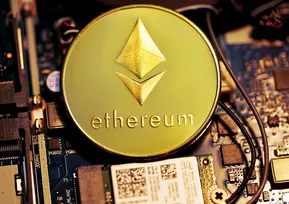
Photo by Niklas Weiss on Unsplash


26 key questions

At the heart of this regulatory endeavor are 26 crucial questions presented to industry stakeholders. Their valuable input will help shape the framework’s core components. These include provisions related to regulatory standards and licensing prerequisites for virtual asset service providers (VASPs), corporate governance, risk management, and the issuance of virtual assets.

The proposed framework, as disclosed in the consultation paper, encompasses a spectrum of digital assets. This spans utility tokens, security tokens, fiat-backed and asset-backed stablecoins, and other currencies adhering to the Financial Action Task Force’s (FATF) definition of virtual assets. However, a noteworthy proposal that has garnered attention is the potential prohibition of privacy coins issuance, a decision pending public feedback.

Aiming to reinforce accountability and stability, the CMA may mandate that VASPs establish a local presence in Oman through legally recognized entities and physical offices. Additionally, minimum capital requirements could be imposed on these entities. The envisaged framework may also stipulate that virtual asset firms maintain a low percentage of assets in hot wallets, conduct audits of safeguarded assets, and provide evidence of reserves.


Shaping regulation through feedback

With the consultation phase set to conclude on August 17, the public’s valuable feedback will shape the direction of Oman’s virtual asset regulations. The most salient viewpoints may find their place on the CMA’s official website. Following this consultation period, the CMA will proceed to finalize the regulatory framework.

Although the public announcement regarding the launch of a regulatory framework was made on February 14, Oman’s journey toward regulating the virtual asset industry began well before. In November 2020, the National Committee for Combating Money Laundering and Terrorist Financing initiated discussions on forming a task force.

Comprising officials from the CMA and the Central Bank of Oman, the task force explored whether to permit or prohibit virtual asset activities. Subsequently, in December 2022, consultants were engaged to facilitate the establishment of this new regulatory landscape.

The United Arab Emirates, and in particular, the individual emirates of Dubai and Abu Dhabi, have led the way in the Middle East in progressing a workable framework for the digital asset industry. Oman’s proactive approach is following the example set by its regional peer.

Shaping its virtual asset framework underlines its desire to foster innovation while ensuring the integrity of its financial landscape. Its latest effort in seeking public feedback is a positive development that should assist it in arriving at a progressive framework.

More to Read
View All
Web3 & Enterprise·

Nov 07, 2023

NEOPIN wallet users gain access to Pala’s NFT marketplace

NEOPIN wallet users gain access to Pala’s NFT marketplaceNEOPIN, a centralized decentralized finance (CeDeFi) platform, has entered into a strategic partnership with South Korean NFT marketplace Pala. This collaboration aims to connect the NEOPIN wallet to Pala’s NFT trading platform, thereby facilitating a more interconnected blockchain ecosystem on a global scale.Photo by Pete Linforth on PixabayNEOPIN wallet integrated into PalaThis partnership paves the way for enhanced user experience, as NEOPIN wallet holders will have the added convenience of trading non-fungible tokens (NFTs) directly on Pala using the virtual assets in their NEOPIN wallets. Furthermore, these wallets will also serve as a repository for purchased NFTs.Additionally, Pala stands to benefit from access to NEOPIN’s international users who have gone through the Know Your Customer (KYC) and anti-money laundering (AML) checks, broadening its market reach.Growing network connectionsNEOPIN is set to aid Pala in establishing connections with NEOPIN’s network of NFT partners. Conversely, Pala will assist NEOPIN with introductions to Pala’s blockchain partners. This collaborative approach leverages their respective strengths, setting the stage for a synergistic relationship.Additionally, the collaboration will involve concerted efforts from both parties to enhance their services and broaden their customer reach. Part of this initiative includes aiding Web2 companies and projects in their Web3 endeavors, as well as rolling out products that are underpinned by real-world assets (RWAs) or offer practical real-life benefits.NEOPIN CEO Kim Yong-ki expressed enthusiasm about the partnership, noting that it is poised to be mutually advantageous, particularly since trust and convenience are core values shared by both companies. Kim further emphasized their commitment to achieving success on an international level, not only through service cooperation but also by utilizing their respective ecosystems.Jason Pyo, CEO of Pala, echoed a similar sentiment, stating that the partnership is set to propel service enhancement, foster the growth of blockchain businesses and contribute to the expansion of the Web3 ecosystem.It’s noteworthy that Pala is a joint venture established by Snow, the mobile video messaging app subsidiary of internet giant Naver, and artificial intelligence (AI) company Alchera. This joint enterprise has claimed a leading position in the Korean NFT trading arena, having exceeded an accumulated trading volume of KRW 30 billion ($23 million) as of April last year.The Pala platform serves as a one-stop shop for NFT services, including NFT minting, secondary market sales and launchpads. It accommodates a range of blockchains like Klaytn, Ethereum and Polygon.NEOPIN has been expanding its offerings to improve user experience, introducing services beyond its DeFi suite. This includes their NFT wallet capabilities. Following its announcement last year to intensify focus on NFT initiatives, NEOPIN has updated its wallets to support multiple NFT standards, such as KIP-17, ERC-721 and EIP-5192.

news
Policy & Regulation·

Sep 05, 2023

Chinese Central Bank Official Emphasizes Need for Digital Yuan Retail Payments

Chinese Central Bank Official Emphasizes Need for Digital Yuan Retail PaymentsA senior official from the People’s Bank of China (PBOC) has underscored the importance of making China’s digital yuan, commonly referred to as the e-CNY, accessible in all retail payment scenarios within China.Photo by Eric Prouzet on UnsplashStreamlining retail e-CNY paymentsThe remarks were delivered by Changchun Mu, Head of the Digital Currency Research Institute, during a trade forum in Beijing. Mu emphasized the need for standardizing QR codes in payment systems, particularly those dominated by giants like WeChat Pay and Alipay.Local media reported on Sunday that the central bank official highlighted that various wallet providers, including WeChat, Alipay, commercial banks with mobile banking apps, and other payment apps associated with e-CNY operations, must remain vigilant about complying with relevant financial regulations and obtaining the necessary licenses. He stressed that the initial step in this process should involve the adoption of the digital yuan as the preferred payment method for all retail transactions.Standardizing QR code paymentsMu explained that in the short term, authorities can start by unifying QR code standards on a technical level to achieve barcode interoperability. In the long run, he suggested that they will steadily implement the upgrade of payment tools.The move towards standardizing QR code payments aligns with the central bank’s commitment from the previous year to promote universal QR payment codes. This initiative aims to allow consumers to make payments by scanning a unified barcode. Currently, QR code payment systems are widely prevalent in China, with WeChat Pay and Alipay being dominant players.The PBOC has been actively testing the e-CNY, having introduced a pilot app in January 2022. The digital yuan pilot programs, initiated in late 2019, have expanded to encompass at least 26 locations across 17 provincial-level cities and regions, including major cities like Beijing, Shanghai, Shenzhen, and Suzhou, according to state media Xinhua.The extent of China’s promotion of its digital yuan has been unmatched despite the fact that most central banks globally have had ongoing central bank digital currency-related (CBDC) projects open for a number of years already.Recent months have seen the launch of a whole host of initiatives to further the use of the CBDC. These initiatives have included integration of the currency into the education system in Jiangsu province, the installation of digital yuan ATMs in Hainan, among many other such projects, and paying state employees with the currency in Changshu. That said, despite these efforts, widespread adoption of the e-CNY remains a work in progress.Bringing about e-CNY integrationMu also emphasized that the existing interbank payment and settlement systems function effectively, indicating that there is no immediate need to replace them with the CBDC system. Instead, he suggested that seamless integration could be achieved by ensuring comprehensive interoperability between the e-CNY and existing electronic payment tools and commercial bank deposit systems.Moreover, at a wholesale level, Mu proposed the use of the digital yuan for settlement within the financial market infrastructure. Smart contracts could also be leveraged for such activities, thereby enhancing efficiency in wholesale payments.Mu’s remarks underscore the Chinese central bank’s determination in advancing the development and adoption of the digital yuan while ensuring it remains integrated into the existing financial ecosystem.

news
Policy & Regulation·

May 10, 2024

HKMA forms working group to establish tokenization standards

The Hong Kong Monetary Authority (HKMA) has outlined that it has established a community initiative relative to its recently launched Project Ensemble tokenization market development effort. 'Project Ensemble Architecture Community'In a press release on May 7, the Hong Kong regulator set out the establishment of the “Project Ensemble Architecture Community.” Project Ensemble was launched two months ago on March 7. At the time, the regulator described the project as “a new wholesale central bank digital currency (wCBDC) project to render support to the development of the tokenisation market in Hong Kong.” The HKMA is trying to create an environment in which it can “develop standards” for the emerging tokenization market, with particular emphasis on the use of a wholesale central bank digital currency (wCBDC). The Chinese autonomous territory’s central bank has launched the “Project Ensemble Architecture Community,” with a view towards supporting interoperability between a wholesale CBDC, tokenized money and tokenized assets. The HKMA has outlined the community's primary objective, stating it aims to provide recommendations on various topics, with initial emphasis on devising a mechanism to facilitate seamless interbank settlement of tokenized deposits through wCBDC for tokenized asset transactions.Photo by Jimmy Chan on PexelsPublic and private sector participantsFurthermore, the working group intends to support the design and execution of Project Ensemble. Notable participants in the "Architecture Community" include the HKMA itself, Hong Kong’s other financial regulator, the Securities and Futures Commission (SFC), the BIS Innovation Hub Hong Kong Centre, the CBDC Expert Group and seven private sector entities.  Among these are Bank of China (Hong Kong), Hang Seng Bank, HSBC, Standard Chartered Hong Kong, HashKey Group, Ant Digital Technologies and Microsoft Hong Kong. Hashkey Group owns one of two Hong Kong-regulated cryptocurrency exchanges, HashKey Exchange. It also runs a brokerage, asset manager and tokenization platform, amongst other entities. Ant was recently involved in a tokenized deposit trial with HSBC. Regulatory sandboxOne of the first matters on the agenda for the newly-formed Community is to make recommendations about using a wCBDC for interbank settlement of tokenized deposits. Following that, the project plans to work towards the design and implementation of the Project Ensemble Sandbox which will launch in the coming months. The HKMA has been actively testing its CBDC and commenced the second phase of the e-HKD pilot in March. This phase of the pilot program is slated to extend until mid-2025. The journey towards exploring CBDCs in Hong Kong dates back to 2017, with the authorities intensifying their focus on researching a potential e-HKD in 2021, spanning both wholesale and retail levels. With the participation of key stakeholders from both the public and private sectors, including leading financial institutions and technology firms, the initiative appears to be well-positioned to drive innovation and address the evolving needs of the financial industry in Hong Kong.

news
Loading