Top

NEOPIN teams up with Ticker Capital to expand Web3 ecosystem

Web3 & Enterprise·November 24, 2023, 6:12 AM

Centralized decentralized finance (CeDeFi) protocol NEOPIN announced on Friday (local time) that it has signed a business agreement with global accelerator Ticker Capital to expand its Web3 ecosystem, explore new business opportunities and nurture promising Web3 projects.

Photo by Shubham’s Web3 on Unsplash


Global Web3 alliance

NEOPIN has been accumulating its blockchain expertise and technology by serving as a node validator in multiple global blockchain projects, including Ethereum, Tron, Cardano and Cosmos. Its CeDeFi protocol was launched more recently last year to provide Web3 users with a safe and convenient DeFi platform.

Ticker Capital is an investment firm dedicated to early-stage blockchain technology projects. It has invested in, consulted with and accelerated more than 50 projects since 2018, including Carry Protocol, SuperWalk, Lillius and more. It operates multiple branch offices around the world, including in South Korea, Singapore and Hong Kong.

While Ticker Capital has established a strong foothold in Chinese-speaking countries, NEOPIN has done so in other countries like the United Arab Emirates, Japan and the Southeast Asian region. By leveraging these dispersed geographical influences along with their distinct business models and expertise, the two companies plan to expand NEOPIN’s Web3 ecosystem to include new games, metaverses, NFTs and services built on the CeDeFi protocol. They also revealed plans to integrate their respective platforms in the event that a Web3 project nurtured by Ticker Capital is deemed compatible with NEOPIN.

“Through this MOU, we will expand our global foothold and diversify our Web3 ecosystem,” said Ethan Kim, CEO of NEOPIN. “Since NEOPIN and Ticker Capital possess different strengths, we expect to create solid synergies through our mutual partnership.”

The partnership’s main goal is to integrate innovative Web3 projects into the NEOPIN ecosystem, launch DeFi services and acquire users around the world. NEOPIN’s business partners will also be able to boost their opportunities for global success by gaining access to networking with Ticker Capital.


Boosting presence in the UAE

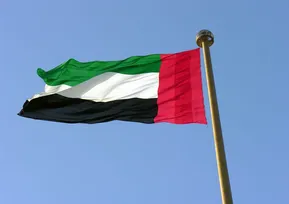
Earlier this year, NEOPIN was selected to participate in the Innovative Program of the Abu Dhabi Investment Office (ADIO), attracting a series of investments. It is also working with the Abu Dhabi Global Market (ADGM), an international financial center and free zone in the UAE, to create the world’s first DeFi regulations through a public-private partnership.

More to Read
View All
Policy & Regulation·

Jul 28, 2023

Hong Kong and Saudi Arabia Collaborate on Tokenization and Payments

Hong Kong and Saudi Arabia Collaborate on Tokenization and PaymentsIn an effort to enhance financial collaboration, Hong Kong and the Kingdom of Saudi Arabia are expanding their ties and focusing on agreements related to tokenization and payments infrastructure.Photo by Ketut Subiyanto on PexelsBilateral meetingOn Wednesday, the Saudi Central Bank (SAMA) and the Hong Kong Monetary Authority (HKMA) held a bilateral meeting to discuss various initiatives aimed at integrating financial services between the two nations. During the meeting, the central banks explored areas such as financial infrastructure development, open market operations, market connectivity, and sustainable development. Additionally, they signed a memorandum of understanding (MoU) to facilitate joint discussions on financial innovation.HKMA chief executive Eddie Yue emphasized the potential for cooperation in fields like economy, trade, sustainable development, finance, and fintech between the two nations. He expressed optimism about the continued development of the relationship and the prospects it holds for the future.SAMA governor Ayman Al-Sayari echoed this sentiment, acknowledging the significance of the MoU in fostering stronger ties and assisting them in the future. “HKMA is an important partner for the Saudi Central Bank. Today’s MoU will support our relationship and contribute to the consolidation of efforts in developing the Fintech industry,” he stated.Tokenization and payment infrastructureNotably, the authorities of Hong Kong and Saudi Arabia also used the opportunity to exchange expertise in tokenization, payment infrastructure, and supervision technologies. This collaboration opens up possibilities for both countries to leverage each other’s strengths in these areas.Hong Kong has been actively participating in various inter-jurisdictional tokenization initiatives. In June, the Bank of China’s investment bank subsidiary, BOCI, issued a $28 million tokenized security in Hong Kong using the Ethereum blockchain. The project utilized Goldman Sachs’ tokenization protocol GS DAP and featured cash tokens representing claims on the Hong Kong dollar.Digital assets firm Ripple Labs has also participated in a HKMA pilot program that implicates real estate tokenization.No crypto discussionHowever, the joint announcement did not explicitly mention any joint efforts related to cryptocurrencies like Bitcoin. It is worth noting that Hong Kong recently allowed retail investors to trade crypto, but Saudi Arabia has not shown any specific plans to promote cryptocurrencies in recent years. In 2019, the Saudi Central Bank issued a warning that Bitcoin is not recognized by legal entities within the country.International collaborationRecent months have seen ever greater collaboration between international central banks and regulators relative to digital assets. Last month Japan’s Financial Services Authority (FSA) joined forces with the Monetary Authority of Singapore (MAS) on its Project Guardian initiative to further explore the potential of digital assets.In May, the central banks of Hong Kong and the United Arab Emirates announced a collaboration to work on cryptocurrency regulations and financial technology development. In the same month, MAS partnered with New York’s Federal Reserve Bank on an initiative that examined the use of central bank digital currency (CBDC) for wholesale cross-border payments.As the financial collaboration between Hong Kong and Saudi Arabia strengthens and other such international partnerships continue to unfold, the focus on tokenization and payment infrastructure and digital assets more broadly signifies a step forward in embracing these innovative financial technologies.

news
Policy & Regulation·

Jun 27, 2023

Binance Weighs Up UAE Expansion Amid Regulatory Pressures

Binance Weighs Up UAE Expansion Amid Regulatory PressuresGlobal cryptocurrency exchange Binance is contemplating a strategic shift towards the Middle East as it faces regulatory challenges in the United States and Europe.Alex Chehade, the General Manager of Binance Dubai, believes that the United Arab Emirates (UAE) could emerge as a preferred destination for crypto businesses due to favorable and transparent regulations.Photo by Saj Shafique on UnsplashUAE’s regulatory certaintyChehade emphasized the UAE’s ambition to establish itself as a key player in the Web3 industry and diversify away from fossil fuels, with cryptocurrencies playing a significant role in this transition. Speaking to Cointelegraph, the local branch manager of Binance highlighted the certainty and predictability offered by the UAE’s regulatory framework, making it an attractive environment for business development.Binance MENA statistics indicate that the UAE has the highest number of cryptocurrency holders, with approximately 28% of UAE residents owning cryptocurrencies. This data highlights the significant interest and adoption of digital assets in the country.Binance obtained a Virtual Assets Regulatory Authority (VARA) license in Dubai in 2022, making it one of the first exchanges to do so. The license includes a Virtual Asset License obtained in March and a Minimal Viable Product (MVP) license secured in September. The MVP license allows Binance to offer a full range of approved digital assets and related services.Facing difficulties in the US & EuropeThis strategic consideration by Binance comes at a time when the exchange is grappling with legal issues on multiple fronts. Lawsuits filed by the Securities and Exchange Commission (SEC) and the Commodities Futures Trading Commission (CFTC) in the United States have added to the regulatory pressure. In Europe, Binance has faced challenges, including an order from the Belgian FSMA to cease operations immediately, de-registration in the UK, ongoing investigations in France, and withdrawal from the Netherlands and Cyprus.In Europe, Binance recently decided to delist privacy tokens, such as Zcash and Monero, due to changes in local anti-money laundering regulations. However, the exchange later reversed that decision on the basis that the classification of these assets has been revised to comply with legal requirements within the EU.While European officials aim to establish Europe as a hub for cryptocurrencies with the implementation of Markets in Crypto-Assets (MiCA) regulations, Binance’s actions suggest a preference for other jurisdictions.The rise in popularity of cryptocurrencies in the UAE can be attributed, in part, to the VARA. Chehade commends VARA for providing a clear regulatory framework for crypto businesses, which he believes is lacking in other regions.As Binance faces regulatory pressure in the West, the company is exploring opportunities in the Middle East, particularly in the UAE, where the regulatory framework, growing crypto community, and commitment to becoming a Web3 hub make it an attractive prospect for expansion.It is understood that Binance’s Founder and CEO, Changpeng Zhao (CZ), lives in Dubai. However the headquarters of the company has remained unclear. Originally founded in Shanghai in 2017, the firm was later moved to Tokyo and later to Malta. Perhaps the UAE will serve as the company’s base going forward.

news
Web3 & Enterprise·

Nov 24, 2023

Samil PwC seminar informs companies about crypto accounting amid shifting Korean regulations

Samil PwC seminar informs companies about crypto accounting amid shifting Korean regulationsWith the South Korean government anticipated to finalize a plan aimed at enhancing cryptocurrency transparency within this year, companies are preparing to swiftly respond to the changing accounting landscape.A seminar held on Thursday (local time) in Seoul by Samil PwC, the Korean member firm of the London-headquartered accounting firm PricewaterhouseCoopers, exemplifies these efforts. This meeting featured presentations from Samil staff, focusing on the implications of the new upcoming crypto accounting guidelines for businesses and exploring strategies for effective response.Photo by Kelly Sikkema on UnsplashGovt to soon finalize crypto accounting guidelinesDuring the meeting, an official from Samil PwC said that the Virtual Asset User Protection Act is set to be implemented next July. The accounting expert also noted that the Financial Services Commission’s guidelines on virtual asset accounting and the requirement for disclosing virtual assets in financial statement annotations, issued this July, are expected to be finalized shortly.From accounting to internal controlsAs the first speaker of the seminar, Lee Seung-wook, Partner at Samil PwC, delivered a presentation on the management of cryptocurrency accounting and the disclosure of cryptocurrency holdings within financial statement annotations. Lee classified companies into three categories: crypto issuers, crypto holders or investors and companies operating crypto businesses. He provided detailed guidance on what each category of companies should consider in their approach to managing and disclosing virtual assets.In particular, Lee drew attention by clearly explaining the accounting approaches companies should adopt in various scenarios, such as when offering cryptocurrency as an incentive to employees or airdropping cryptocurrency to customers for marketing purposes.Following this, Partner Jo Sung-jae delved into enhancing internal controls related to virtual assets. Drawing from PwC’s own framework, he presented practical methods to mitigate risks associated with cryptocurrencies, such as the loss of private keys, vault breaches and embezzlement.The seminar also covered the topic of Information Technology General Controls (ITGCs). Partner Lee Jeong-mi made a comparison between ITGCs in traditional business environments and those specific to the cryptocurrency industry, highlighting the unique considerations that crypto businesses need to be aware of. Furthermore, Managing Director Lee Eun-young discussed the tax implications related to cryptocurrency.Anticipation of uncertainty reductionLee Jae-hyuk, who oversees the cryptocurrency division at PwC and served as the overall manager of the seminar, expressed optimism that the government-led guidelines would reduce the uncertainty surrounding cryptocurrency accounting. He also conveyed his hope that the seminar would provide attendees with the opportunity to consider the influence of digital assets on corporate accounting, internal controls and tax implications, as well as their potential impact on future industry trends.Samil PwC stands out as one of the first Korean accounting firms to establish a dedicated blockchain division within its Digital Innovation Lab, incorporating a team of developers. Leveraging its accumulated expertise in this field, Samil PwC offers a broad range of services, including internal controls consultations, accounting audits, financial advice and tax filing. Further emphasizing its commitment to the evolving field of cryptocurrency, in June of this year, Samil PwC collaborated with the Korean Accounting Association (KAA) to conduct research focused on cryptocurrency accounting.

news
Loading