Top

Hong Kong considers rules for fiat-backed stablecoin issuers

Policy & Regulation·December 28, 2023, 1:18 AM

The Financial Services and the Treasury Bureau (FSTB) and the Hong Kong Monetary Authority (HKMA) are charting new regulatory territory with the release of a comprehensive consultation paper outlining their proposal to accept and regulate fiat-referenced stablecoins (FRS) within the Chinese autonomous territory.

https://asset.coinness.com/en/news/9d50fa6c29f64f1d91793a2ff076311a.jpg

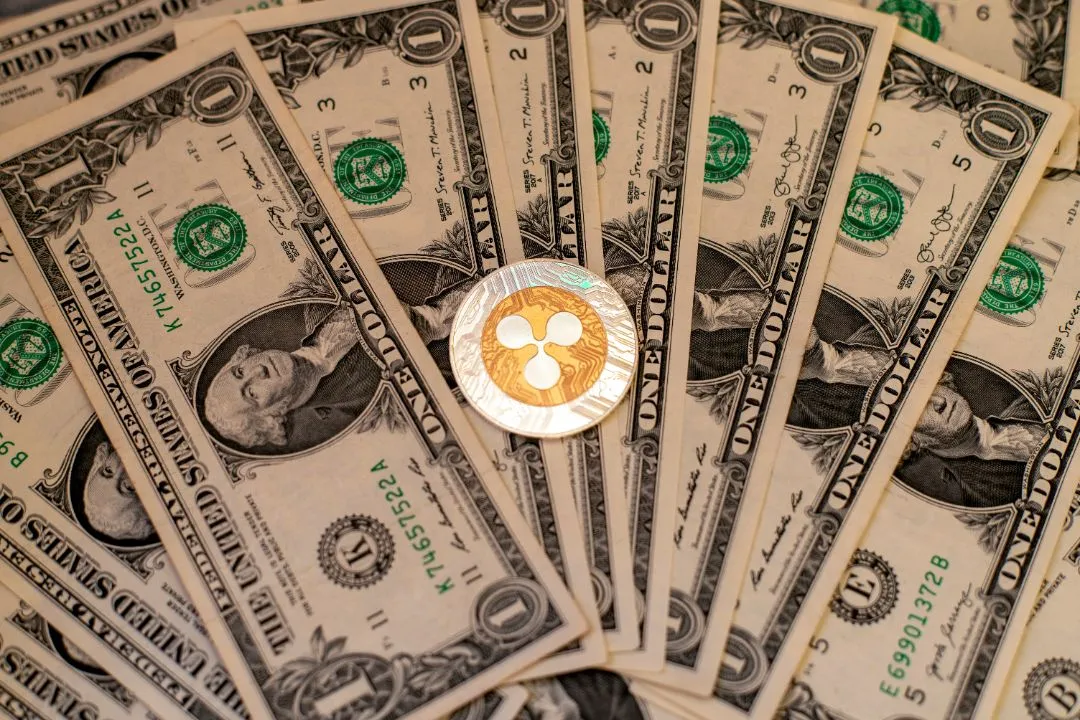
Photo by Ben Cheung on Pexels

Consultation process

The proposal has been published to the FSTB website in the form of a consultation paper titled “Legislative Proposal to Implement the Regulatory Regime for Stablecoin Issuers in Hong Kong.” Separately, the HKMA has published a press release on the topic. This development seeks to establish a regulatory framework for stablecoin issuers and address associated risks. The consultation period is scheduled to conclude on Feb. 29 of next year.


At the heart of this legislative proposal is the requirement for companies actively marketing the issuance of FRS to the public of Hong Kong to obtain a specific local license from the HKMA. The proposed criteria for obtaining this license are robust and include key elements such as maintaining reserves “at least equal to the par value” of all circulating stablecoins. This measure ensures that stablecoins remain fully backed, contributing to their stability and reliability.


The legislation also places a strong emphasis on the segregation and secure safekeeping of reserve assets, enhancing the protection of users’ funds and preventing misuse. Furthermore, issuers will be mandated to provide transparent disclosure and regular reporting, fostering accountability and transparency within the stablecoin ecosystem.


It is noteworthy that the proposed regulations explicitly exclude algorithmic stablecoins from obtaining an HKMA license, underlining a preference for stablecoins with solid reserve backing. No doubt the spectacular collapse of the UST algorithmic stablecoin in 2022 has informed the Hong Kong regulator’s decision to exclude consideration of algorithmic stablecoins in this instance.


Need to establish Hong Kong presence

To underscore their commitment to regulatory compliance, stablecoin issuers seeking an HKMA license will also be required to establish a registered office in Hong Kong. This office must have a chief executive, senior management team and key personnel in place, aligning with Hong Kong’s efforts to ensure that all activities related to stablecoin issuance are conducted responsibly.


The proposed licensing regime for FRS aligns with Hong Kong’s broader strategy to foster the growth of the Web3 ecosystem within the region. Christopher Hui, Secretary for Financial Services and the Treasury, highlighted the significance of this move, stating:


“With the implementation of the licensing regime for VA trading platforms from June this year, the legislative proposal to regulate FRS is another important measure facilitating Web3 ecosystem development in Hong Kong.”


Market competition

Back in February, the HKMA signaled its intent to regulate stablecoins when it issued a discussion paper considering various regulatory approaches. Competition is on an upward trajectory relative to stablecoin issuance and use. In June, Hong Kong-based qualified custodian First Digital Trust announced that it was gearing up to launch "First Digital USD," a U.S. dollar-backed stablecoin regulated in Asia rather than the United States.


Leading stablecoin issuer Circle has been active in furthering its product offering in Asia during 2023. It successfully attained licensing approval in Singapore while in Japan, it joined forces with SBI Holdings in an effort to propel further growth of its USDC stablecoin within the Japanese market.

More to Read
View All
Policy & Regulation·

Jun 03, 2023

Huobi Aims for Hong Kong License Within 6–12 Months

Huobi Aims for Hong Kong License Within 6–12 MonthsAccording to Justin Sun, the founder of layer one blockchain Tron and advisor to Huobi, the cryptocurrency exchange could have obtained a crypto trading license in Hong Kong by the end of the year.Photo by Pixabay on PexelsApplication submissionIn an interview with CoinDesk TV on Friday, Sun revealed that Huobi recently submitted an application to become a virtual asset service provider (VASP) in Hong Kong. While the approval process typically takes up to 18 months, Sun expressed optimism that a decision could be reached within the next six to twelve months.A legacy Chinese cryptocurrency exchange was driven out of the country a few years ago following the implementation of a crypto trading ban, and is now a Seychelles-headquartered company which currently has offices in Singapore, Japan, South Korea, and the United Kingdom.It had been previously understood that at least 10 companies with Chinese founders, including OKX, Bybit, and Huobi, had either announced or were known to be planning to announce their bid for licenses in Hong Kong. Sun’s comments today add clarity to the matter.Sun highlighted that during this grace period, which spans the next 18 months, the specific details of regulations will be developed. This includes guidelines on compliance with customer withdrawals and anti-money laundering requirements. He further explained that with the approval, Huobi Hong Kong will be able to operate, onboard customers, establish banking relationships, and serve its user base effectively.In a strategic move, Huobi relocated its headquarters from Singapore to Hong Kong, driven by the city’s aspirations to become a leading virtual asset hub as early as this summer. The exchange’s decision to establish a presence in Hong Kong positions it favorably to leverage the emerging opportunities in the region.Expectations of more applicantsWhile it’s not entirely clear who else has applied, Sun speculated that five to six other major players could follow suit. Among the potential contenders mentioned were OKX, Gate.io, Bitget, and ByBit. This suggests a potential wave of interest in Hong Kong as a regulatory-friendly jurisdiction for virtual asset trading.When asked about Huobi’s plans to enter the Canadian market and compete with established players like Coinbase and Kraken, Sun made it clear that Huobi has no immediate intentions to operate in Canada. He emphasized the importance of prioritizing friendly jurisdictions, with a specific focus on regions like the Caribbean, Hong Kong, and Japan.Hong Kong’s regulatory approach towards cryptocurrencies and virtual asset service providers has gained attention in recent months. The city’s commitment to establishing a robust framework for digital asset trading and ensuring compliance with international standards has drawn interest from industry players seeking regulatory clarity and stability.As Huobi progresses through the application process and awaits a decision on its VASP license, the outcome will have significant implications not only for the exchange itself but also for the broader crypto ecosystem in Hong Kong. The successful acquisition of a license by Huobi could set a positive precedent, attracting more exchanges to establish a presence in the region and further solidifying Hong Kong’s position as a leading virtual asset hub in Asia.The developments in Hong Kong’s regulatory landscape will be closely monitored by industry participants as they shape the future of virtual asset trading in the city.

news
Web3 & Enterprise·

Nov 01, 2023

HKMA reflects on retail CBDC pilot phase one completion

HKMA reflects on retail CBDC pilot phase one completionHong Kong’s Monetary Authority (HKMA), the Chinese territory’s central bank, recently released a report following the completion of phase one of its central bank digital currency (CBDC) pilot, highlighting the potential benefits of a retail CBDC, commonly referred to as e-HKD (digital Hong Kong dollar).Photo by Ruslan Bardash on UnsplashUndecided on full implementationIn a press release published by the HKMA on Monday, the authority clarified that the report underscores that while a retail CBDC could bring value to the payments ecosystem and unlock new economic transaction possibilities, in-depth investigation and evaluation are essential before considering large-scale implementation.At this stage, Hong Kong’s central bank has not committed to introducing an e-HKD, but the report sheds light on the prospects and challenges associated with such a move. The region has been signaling its intent to position itself as a hub for virtual assets, evident in the regulatory framework introduced in June and the granting of licenses to crypto trading platforms in August.Project e-HKD, initiated by the HKMA in 2021, is a significant step toward assessing the feasibility of a digital Hong Kong dollar. The pilot program was launched in November 2022 as part of the HKMA's “Fintech 2025” strategy. However, the HKMA remains cautious, as reflected in the comments of HKMA CEO Eddie Yue earlier this month. Yue told the South China Morning Post that the central bank is still waiting for greater clarity when it comes to the technological, legal and societal aspects of full implementation.Three core attributes identifiedThe report identifies three primary areas where an e-HKD could provide value: programmability, tokenization and atomic settlement. These attributes could lead to faster, more cost-efficient and more inclusive transactions. However, it’s essential to note that the 14 pilot programs conducted with 16 participating firms during phase one were executed on a small scale within a controlled environment.The phase one review highlights that the true potential and prerequisites for implementing an e-HKD on a larger scale depend on market developments and further investigation. It acknowledges that minor issues identified during the pilot phase could become more prominent or even unacceptable in a production environment.Gearing up for phase twoPhase one of the pilot program delved into various aspects, including full-fledged payments, offline payments, tokenized deposits, programmable payments and the settlement of Web3 transactions and tokenized assets. Hong Kong is now gearing up for phase two of the pilot, with plans to explore new use cases for an e-HKD and engage in more focused pilot initiatives. The goal is to understand how the e-HKD can facilitate innovative methods of transacting goods and services while maintaining financial stability.The HKMA’s stance on a retail CBDC places it at the center of a global debate. While the U.S. remains undecided on the issue, with the topic becoming contentious in presidential elections, India has forged ahead with plans for a retail CBDC. Meanwhile, Thailand’s central bank commenced a pilot project for a retail CBDC earlier this year.

news
Web3 & Enterprise·

Apr 26, 2023

Singapore’s Cosmose AI Jilts Stripe in Favor of Near

Cosmose AI, an artificial intelligence-driven retail analytics firm headquartered in Singapore, has opted to collaborate with the Near Foundation with the aspiration of building a blockchain-based payments system centered on low transaction fees as a more cost-efficient alternative to more conventional payments processors like Stripe and PayPal. Payment platform disruptionThe Near Foundation is a non-profit organization responsible for guiding governance, contracting protocol maintainers and funding ecosystem development relative to the proof-of-stake (PoS)-based Near blockchain protocol. In a blog post published to the Cosmose AI website on Sunday, the company set out the extent of its new partnership with the Near Foundation.Cosmose AI uses AI-powered analytics to track in-store foot traffic as a basis to engage with shoppers online. Both companies will work towards building a payment system that facilitates shoppers to purchase goods and services at low transaction fees through cryptocurrency. As part of the deal, Near has made a strategic investment in Cosmose AI, reflecting a Cosmose company valuation of $500 million.In its press release, Cosmose stated that the investment from the Near Foundation means that the Cosmose “is set to apply Web3 principles and further advance the AI-driven retail ecosystem. Cosmose believes that it can leverage Web3 such that users maintain complete control over their data while benefiting from the ecosystem they help to create.The AI-driven company has a suite of retail solutions, including the KaiKai app, which enables retail customers to discover retail stores in their local vicinity. The app also includes an online targeting platform. Both elements are being overhauled with a Web3 facelift, with the Near collaboration enabling the integration of blockchain into the app.KaiKai already settles payments by leveraging Near Protocol with the creation of its own native stablecoin, Kai-Ching. Near Foundation CEO Marieke Flament said that Near will give Cosmose “the means to leverage the full potential of Web3 in a way that is sustainable, transparent, and infinitely scalable.” Moving away from Stripe, PayPalIn an interview with TechCrunch, Cosmose Founder and CEO Miron Mironiuk stated: “ I’m not sure if you know how expensive and slow it is to process online payments. It’s absolutely crazy.” The Near protocol leads with an ability to achieve inexpensive, scalable blockchain transactions. If successful in building this blockchain-based payments system, Cosmose would be in a better position to replace the use of payments service providers like Stripe and PayPal.Mironiuk gave the example of a simple coffee purchase. Small transactions like that can involve transaction fees in excess of 10%. This overhead is reflected in the overall price of the cup of coffee, with the seller passing on the cost to the buyer. In that one isolated example, Mironiuk makes the point that a regular coffee drinker could be spending an additional $200 per year to cover the costs of payments intermediaries.Over the course of nine years, Cosmose has grown to a point where it extends its service to 20 million stores. The firm operates on a global basis, with its team of eighty staff distributed across centers such as Hong Kong, Tokyo, Paris, Shanghai and Warsaw, as well as at its Singapore headquarters.

news
Loading