Top

Changpeng Zhao denied second request to travel to UAE before sentencing

Policy & Regulation·January 02, 2024, 1:58 AM

Former Binance CEO, Changpeng Zhao (CZ), facing criminal charges and awaiting sentencing in the United States, has been denied his request to return to the United Arab Emirates (UAE) by a U.S. federal judge, according to Bloomberg.


The decision, rendered by the U.S. District Judge Richard Jones, reinforces the restrictions on CZ's movements in the months leading up to his scheduled February sentencing. In a filing on Friday, Judge Jones rejected CZ's motion seeking permission to travel to the UAE, where his children reside with former talk-show host and Binance co-founder, Yi He.


The specific grounds for the denial were sealed, providing limited insight into CZ's argument against the judge's repeated constraints. However, CZ's legal team hinted that the motion involved "medical information regarding Mr. Zhao’s child."

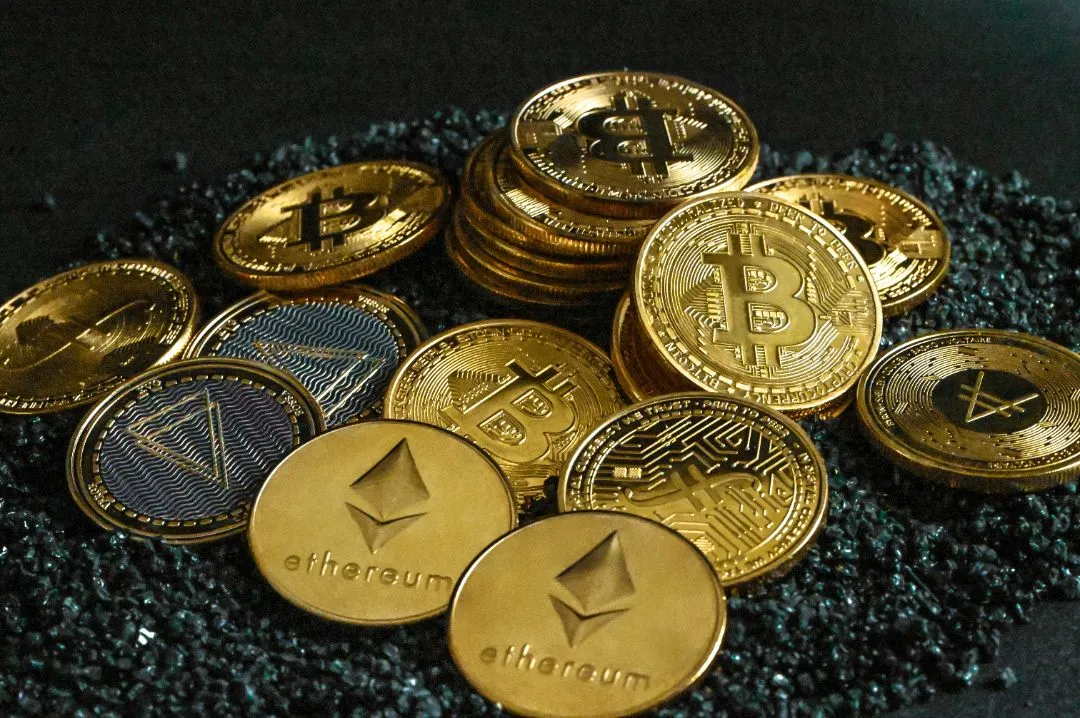
https://asset.coinness.com/en/news/6c3f6a37bf3402702d968088bef6ef6f.jpg
Photo by Kai Pilger on Unsplash

Second travel request denial

This ruling, dated Dec. 29, marks the second time CZ's request to travel to the UAE has been turned down. Earlier in the month, Judge Jones sided with U.S. prosecutors, citing CZ's substantial wealth abroad and the absence of an extradition treaty between the U.S. and the UAE, making him a potential flight risk.


CZ had previously pleaded guilty to violating the Bank Secrecy Act and resigned as CEO of Binance, the world's largest digital asset exchange. Binance, as an entity, reached a $4.3 billion settlement related to sanctions and money transmission violations. Singaporean Richard Teng, Binance’s former head of regional markets, has been installed as CEO in CZ’s place.


Despite legal challenges, Zhao secured release on a $175 million personal recognizance bond after pleading guilty. The billionaire posted $15 million from a trust account and had three guarantors pledge over $5 million in collateral to secure the bond. The court order allows CZ to remain free, but he is prohibited from leaving the U.S. until his sentencing.


40 million new users

It’s not all bad news for Zhao’s Binance. In a recent report titled "State of The Blockchain: Binance’s 2023 in Review," Binance highlighted its significant growth in 2023, welcoming over 40 million new users — a 30% increase from the previous year. The report emphasizes the company's commitment to user-centric principles, boasting 170 million registered users and 431 assets available for trading across 1,785 trading pairs by the year's end.


Key achievements outlined in the report include robust growth in crypto payment services, P2P trading and earning platforms. Binance Pay and Card experienced a 54% surge in users and the P2P platform recorded an 18% increase in trades and a 39% rise in users.


Binance Earn, a crucial component of Binance's product suite, saw a 35% increase in users and a 16.8% rise in the total value locked within its products.


Higher net worth

2023 hasn’t been all bad for CZ on a personal basis either. His wealth has seen a substantial increase of approximately $25 billion in 2023 despite the legal turmoil. His $37 billion net worth primarily stems from his controlling stake in Binance.

Despite potential imprisonment, CZ stands atop the list of cryptocurrency entrepreneurs whose fortunes have witnessed substantial growth this year, ranking 35th in the Bloomberg Billionaires Index.

More to Read
View All
Policy & Regulation·

Jun 02, 2023

Crypto.com Scores MPI License in Singapore

Crypto.com Scores MPI License in SingaporeIn a significant move for the Web3 industry, the Monetary Authority of Singapore (MAS) has granted online crypto trading platform, Crypto.com, a Major Payment Institution (MPI) license. This regulatory development showcases Singapore’s commitment to welcoming innovation and embracing the potential of the Web3 sector.Photo by Timo Volz on PexelsLicensing milestoneCrypto.com made the exciting announcement on Thursday, revealing that it has received the MPI license from the MAS, the country’s central bank and financial regulator. With this license in hand, Crypto.com can now provide its Digital Payment Token (DPT) services to residents of Singapore.This achievement follows the in-principle approvals granted to Crypto.com by the MAS in June of the previous year, further highlighting the company’s adherence to regulatory standards and its dedication to operating within the guidelines set by financial authorities.Community reactionThe news of the license has garnered positive reactions within the crypto community. Many members see the Singaporean government’s decision as a significant endorsement of the Web3 industry. ‘Aravind,’ a Twitter user, expressed this sentiment, stating, “Singapore government giving out a license is itself a massive plus for the Web3 Industry,” adding that it's probable the process to obtain the license has been hard fought, and likely two years in the making.Interestingly, another community member drew comparisons between Crypto.com’s successes and the challenges faced by global crypto exchange, Binance. While Binance has encountered difficulties in various jurisdictions, Crypto.com has been praised for its steady progress and forward-looking approach.Yet another Twitter user chimed in along similar lines, stating: “Whilst Binance seems to be losing ground, Crypto.com seems to be slowly doing things right and building for the future.”Binance has recently faced setbacks, such as its diminishing presence in the Australian and Canadian markets and trading restrictions imposed in certain European countries. Reports have even surfaced suggesting that Binance plans to lay off 20% of its staff in June.However, it’s important to note that Binance has not given up, as evidenced by its recent expansion into Thailand, where it established a regulatory-compliant platform. The exchange has also taken steps to ensure compliance in Japan through the creation of another regulatory-compliant platform.Additional licensesCrypto.com has set up its headquarters in Singapore, and it is in good company there with leading crypto firms Kraken and Coinbase also maintaining offices in the city state. The company has taken a truly global strategy, having marketed heavily in recent years. It maintains offices in nine other locations, including Miami, Dublin, London, Seoul, Malta, Sofia, Hong Kong and Shenzhen, as well as Kadıköy in Turkey.The crypto trading platform has received a Minimal Viable Product (MVP) preparatory license from the Virtual Assets Regulatory Authority (VARA) in Dubai, alongside firms like Komainu, Hex Trust, and GC Exchange. The company has also successfully pursued digital asset licensing in France, Australia, and the United Kingdom.Crypto.com’s acquisition of the MPI license in Singapore marks a significant milestone for the company and the broader Web3 industry. With Singapore embracing innovation and offering a favorable regulatory environment, Crypto.com is well-positioned to continue its growth and contribute to the advancement of the digital payment token ecosystem.

news
Policy & Regulation·

May 30, 2023

Korea Bolsters Crypto Oversight and Anti-Fraud Efforts

Korea Bolsters Crypto Oversight and Anti-Fraud EffortsThe Korean National Police Agency (KNPA) is planning to build a system that allows for the swift suspension of wallet addresses on Binance, the giant global cryptocurrency exchange, during criminal investigations, according to a report by news outlet Edaily. This move comes as Binance is in the process of acquiring Gopax, one of the five major crypto exchanges in South Korea.Photo by Pixabay on PexelsPolice and crypto exchangesThe KNPA met today with these exchanges (Upbit, Bithumb, Coinone, Korbit, and Gopax) and Binance to discuss this matter. In October last year, the KNPA signed a business agreement with the five exchanges to establish a crypto exchange compliance management system.The system serves as a tool for the police to search wallet addresses that are under investigation and determine which of the five exchanges is managing them. Operating 24 hours a day, the hotline enables them to swiftly request freezes and execute warrants. As of May of this year, the system has been utilized by 2,086 investigators.The police are currently working on expanding the system to incorporate Binance. Hence, the focus of today’s agenda is to introduce additional functionalities to the system that would allow the police to thoroughly examine wallet addresses on Binance and initiate freezes when necessary. Until now, the police have been making verbal requests via the hotline before issuing formal letters.In addition to addressing the integration of Binance into the system, the police will engage in discussions regarding enhancements to the compliance system for crypto exchanges and the management of the hotline. Looking ahead, their goal is to extend the application of the compliance system to encompass all 36 crypto exchanges operating in Korea at present.Financial authority bolsters probe unitMeanwhile, the Korean Financial Supervisory Service (FSS) held a press conference today to announce its plan for enhancing its capacity to combat the escalating prevalence of unfair trade practices. Particularly rampant in unregistered investment entities and social media chat rooms, these practices have prompted the FSS to take decisive action.To address this pressing issue, the FSS has devised a plan to bolster its investigative prowess. It intends to augment the manpower of its three investigation units, increasing the number of investigation officers from the current 70 to 95. Furthermore, the establishment of three additional teams is on the horizon, further strengthening the FSS’s investigative capabilities.The Special Investigation Team will fully dedicate its efforts to combating severe unfair trading practices that have the potential to cause substantial losses for investors. The Information Collection Team will employ a multifaceted approach to gather pertinent information. Through both in-person interactions and online activities, this team will diligently collect data essential to uncovering and addressing unfair trade practices. The Digital Investigation and Response Team will delve into the intricacies of emerging digital assets, including cryptocurrencies and security tokens. Their primary objective is to develop and refine investigative techniques specifically tailored to these novel forms of digital assets.In order to enhance its responsiveness to unfair trading practices, the FSS will introduce a new system for sharing investigative information with cryptocurrency exchanges. This collaborative effort aims to foster closer cooperation between the FSS, the prosecution, and the police, ensuring swift and effective responses to any instances of misconduct.The Korean financial authority has affirmed its commitment to working closely with relevant agencies to strengthen investor protection and promote transparency in the capital market. Additionally, it has warned investors to exercise caution and avoid falling victim to investment frauds or engaging in excessive leveraging that may result in substantial losses.

news
Policy & Regulation·

Dec 07, 2023

Japan mulls unrealized crypto gains tax exemption

Japan mulls unrealized crypto gains tax exemptionJapanese lawmakers are currently in discussions about a proposal that could exempt companies from paying taxes on unrealized cryptocurrency gains.Photo by Joshua Tan on UnsplashReforming aggressive crypto tax policyThe plan is anticipated to be incorporated into the fiscal 2024 tax reform agenda, according to a report published by Nikkei Asia on Wednesday.Up until now, Japan has had some of the most aggressive tax rates where cryptocurrencies are concerned when compared internationally. At the moment, corporations have to pay a 30% tax on crypto holdings regardless of whether they’ve sold those digital assets or not. The policy has been criticized broadly by crypto sector participants in Japan. It is seen as inequitable, considering that Japan taxes profits from stocks at a flat 20%.Corporate tax exemptionThe proposal, currently under deliberation by Japan’s ruling coalition, specifically targets Japanese companies holding digital assets for purposes other than short-term trading. If approved, these firms may be granted an exemption from corporate tax, contingent on mark-to-market valuations at the close of the fiscal year.Mark-to-market valuations involve assessing the fair values of assets with periodic fluctuations, such as cryptocurrencies. This exemption is expected to benefit various entities, including venture capital (VC) firms, non-fungible token (NFT) businesses and other blockchain companies holding cryptocurrencies for payment purposes. Additionally, crypto issuers, who are also crypto holders, would not be subjected to these taxes.Policymakers from the Liberal Democratic Party and the ruling coalition partner Komeito engaged in discussions on Tuesday regarding these potential tax exemptions.Bringing clarity to crypto taxationThis move is part of Japan’s ongoing efforts to bring clarity to crypto taxation. In June, the National Tax Agency clarified that crypto issuers in the country would not be liable to pay capital gains taxes on unrealized gains, fostering a more conducive environment for crypto-related businesses.Japan has been actively reviewing its crypto tax policies since last year, aiming to incentivize companies to stay in the country. This initiative follows the departure of several startups due to heavy tax burdens.Industry reactionWith news of this potential Japanese crypto tax reform breaking, crypto community members haven’t wasted any time in providing their thoughts. Taking to the X social media platform, Sota Watanabe, the founder of the Astar Network multichain dApp hub, wrote:”Good move. This is what I requested multiple times to the government over years. Once this issue is solved this year, all companies, especially big enterprises, can hodl crypto like ASTR much easier. Japan weighs ending tax on some corporate crypto holdings.”Former Goldman Sachs Portfolio Manager and Web3 investor, Steve Lee, said that this is “another big move in Japan that would help enterprises push their crypto business.”The Financial Services Agency (FSA), Japan’s top financial regulator, recently submitted legislation-change requests to the government, seeking alterations to the taxation of domestic crypto firms. Critics argue that the existing rule has impeded innovation in the crypto-asset and blockchain sectors, placing an undue burden on companies.On Oct. 16, major businesses in Japan, through the Japan Association of New Economy (JANE), urged the government to implement crypto tax reforms in 2024. Their appeal emphasizes the potential for reduced tax rates to stimulate growth and increase tax revenue.

news
Loading