Top

CoinGecko security breach latest threat within crypto space

Web3 & Enterprise·January 12, 2024, 1:51 AM

The crypto space continues to suffer a disproportionate share of hacks and scams that were further exacerbated on Wednesday, with Malaysian crypto data aggregator the latest to succumb to a security breach.


Serving as yet another stark reminder of the persistent threats plaguing the sector, a phishing scam targeted CoinGecko's X account, leading to a brief compromise that raised concerns about the safety of user information.

https://asset.coinness.com/en/news/665e08d0b2b6f1b715f8ec42a31003c6.webp
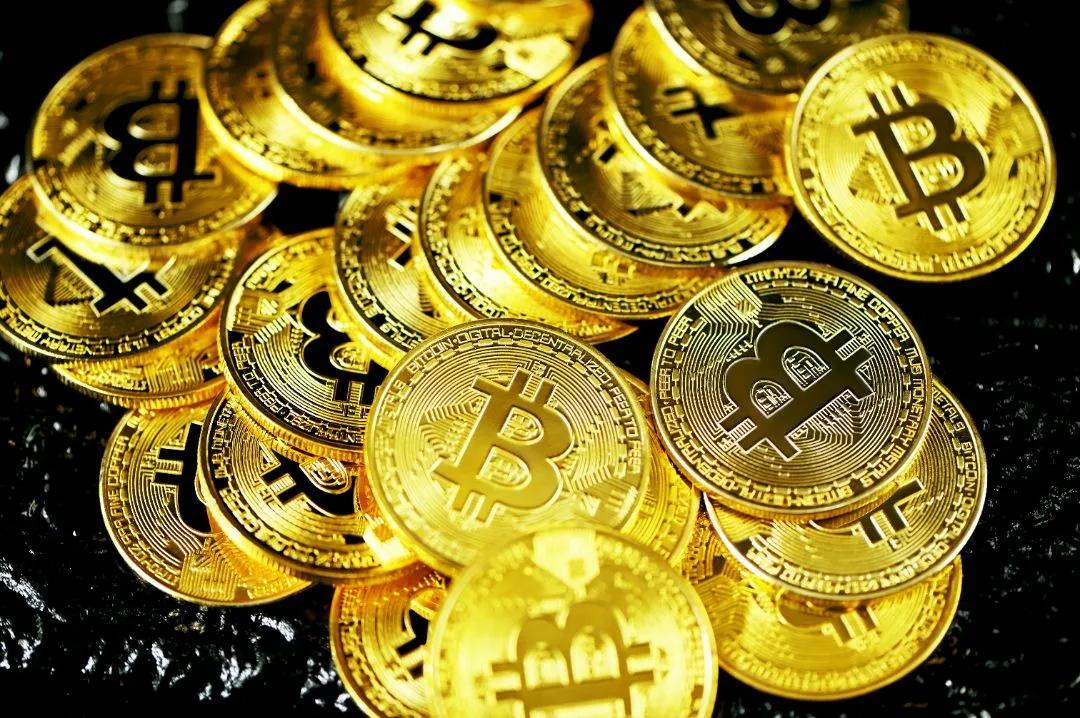
Photo by GuerrillaBuzz on Unsplash

Phishing scam

During this incident, hackers posted a phishing link on CoinGecko's X account, falsely advertising a token airdrop for a cryptocurrency named GCKO. The deceptive post claimed that GCKO could be used for API services, including the cryptocurrency ANKR. Swift action by CoinGecko involved the removal of the fraudulent post and a public warning urging users to avoid interacting with any suspicious links or content.


In an X post, CoinGecko wrote:

”Our Twitter accounts @CoinGecko and @GeckoTerminal have been compromised. We're taking immediate steps to investigate the situation and secure our accounts. Please DO NOT click on any links or engage with suspicious content. Your security is our top priority.”


Employee error

The firm followed up with an update on Thursday, attributing the breach to a team member inadvertently clicking on a fraudulent Calendly link, granting unauthorized access to the hacker.


Despite having two-factor authentication (2FA) enabled and employing robust security measures, CoinGecko emphasized that the inadvertent click allowed unauthorized access. The compromised accounts were then exploited to disseminate misleading information and potentially engage in malicious activities.


CoinGecko expressed sincere apologies for any confusion or inconvenience caused by the incident. The company reiterated its commitment to platform security and continuous improvement of internal controls, assuring users that corrective measures were promptly implemented.


SEC incompetence

CoinGecko's security incident occurred within 24 hours of a similar occurrence involving the U.S. Securities and Exchange Commission (SEC). The SEC's X account was compromised, with scammers posting a false message from Chair Gary Gensler about the approval of spot bitcoin exchange-traded funds (ETFs).


While CoinGecko identified a vulnerability in its security regimen, the SEC later confirmed that the breach in its case was far more basic. It was not due to infrastructure attacks but rather the lack of 2-factor authentication (2FA) tied to the SEC's account, the most basic form of operations security.


Gensler and the SEC have come in for major criticism from the crypto community in the U.S. due to a policy of regulation by enforcement that has been pursued. With that, the Commission came in for swift and harsh criticism in the immediate aftermath of its X account hack.


Many pointed out the irony of Gensler advising consumers to secure their accounts back in October when the SEC itself had failed to do so. Others queried who would be responsible for what some interpreted as an episode of market manipulation, something that the SEC has perennially associated the crypto markets with. During the time that the account was compromised, millions of dollars of value were liquidated in short and long trading positions.


CoinGecko's quick response serves as a valuable lesson in the importance of vigilance and proactive security measures amid the growing threats facing the cryptocurrency community.


More to Read
View All
Web3 & Enterprise·

Sep 27, 2023

Binance Explores Stablecoin Issuance on MUFG Progmat Coin Platform

Binance Explores Stablecoin Issuance on MUFG Progmat Coin PlatformMitsubishi UFJ Trust and Banking Corporation (MUTB), the trust arm of Japan’s largest bank, Mitsubishi UFJ Financial Group (MUFG), has announced a collaborative effort with Binance Japan to investigate the issuance of public blockchain stablecoins denominated in Japanese yen and other currencies.Photo by Aditya Anjagi on UnsplashProgmat blockchain platformAccording to a press release published on Tuesday, the development is centered around MUFG’s Progmat blockchain tokenization platform, which encompasses the Progmat Coin stablecoin platform. Notably, Progmat now counts among its stakeholders some of Japan’s major financial institutions, including the second and third largest banks, SMBC and Mizuho.The scope of this venture extends beyond the confines of Japanese users, potentially transforming Japan into Binance’s stablecoin issuance hub. The initiative has emerged against the backdrop of recent regulatory events in the United States, notably the New York State Department of Financial Services (NYDFS) instructing Paxos Trust to halt the issuance of the Binance USD (BUSD) stablecoin earlier this year. The timeline for the launch of Japanese Binance stablecoins is set for 2024, contingent upon Binance Japan obtaining an Electronic Settlement Methods Transaction Business Provider license.Japan has been making strides in its regulatory landscape to accommodate various types of stablecoins, including those issued by banks and trusts. Under this framework, stablecoins issued by trusts like Mitsubishi UFJ Trust enjoy some unique advantages, such as exemption from licensing requirements and the absence of Know Your Customer (KYC) protocols for stablecoin transfers. Furthermore, these stablecoins are backed by ring-fenced reserve assets, mirroring the approach taken by Paxos Trust.The underlying Progmat blockchain technology is rooted in the Corda enterprise blockchain. However, MUFG has been actively collaborating with DataChain and TOKI technology to facilitate stablecoin issuance on multiple public blockchains, allowing for cross-chain transfers. The initial plan encompasses blockchain platforms like Ethereum, followed by Cosmos, Polygon, Avalanche, and others. This development raises questions about the potential elevation of Binance’s BNB Chain in the broader blockchain ecosystem.Tatsuya Saito, Founder and CEO of Progmat, remarked on the collaboration, stating:“We believe that the new stablecoin from this collaboration will be a step forward in advancing the Web 3.0. Progmat is a neutral infrastructure that enables the issuance of various brands of stablecoins with the greatest flexibility of use and the least risk of de-pegging, it does not compete with players issuing their own stablecoins.”Saito also hinted at other stablecoin projects in the pipeline with Japanese financial institutions and partners, underscoring Binance’s dominant position in the cryptocurrency trading world.Expanding presence in JapanBinance Japan, which recently acquired an existing crypto exchange and rebranded it as Binance Japan, currently lists 34 tokens. In addressing the WebX conference in July, Binance Founder and CEO Changpeng Zhao (CZ) recognized the positive regulatory environment that exists in Japan relative to Web3.From Binance’s perspective, this latest collaboration represents a substantial win, especially after the loss of its own stablecoin. Binance has been promoting lesser-known stablecoins on its exchange by reducing transaction costs, a strategy with inherent risks. In contrast, the alliance with MUFG, a globally significant bank, adds credibility and a different level of assurance to stablecoins.

news
Web3 & Enterprise·

Aug 10, 2023

Bithumb META Unveils Naemo World: A Sneak Peek into Immersive Metaverse Project

Bithumb META Unveils Naemo World: A Sneak Peek into Immersive Metaverse ProjectBithumb META, the metaverse subsidiary of leading South Korean cryptocurrency exchange Bithumb, has unveiled a demonstration video of its metaverse project, Naemo World.Photo by julien Tromeur on UnsplashA glimpse into the virtual urban realmShowcased on the official YouTube channel, the 20-second video clip provides a glimpse into a virtual urban landscape that features both indoor and outdoor environments. Naemo World, a creation brought to life with Epic Games’ advanced 3D creation tool Unreal Engine 5, replicates intricate details such as the texture of fashion items, encompassing garments and accessories.More collaborations to enhance user experienceSpeaking about this development, Bithumb META CEO Cho Hyun-sik said, “The Naemo World demo video offers just a brief preview of the extensive range of content we have created thus far.” Cho added, “While our focus lies in the development of a broad and captivating content portfolio, we strive to create a multitude of practical applications by integrating content into tangible real-world products and services. To achieve this and expand our ecosystem, we are looking forward to collaborating with domestic and international partners across diverse industries.”Presently, Bithumb META is in collaboration with innovative companies such as tech firm Tencent Cloud and 3D fashion design software developer CLO. With an eye toward expanding the user experience within the metaverse, the subsidiary is poised to establish further partnerships.The forthcoming official launch of Naemo World, scheduled for next year, is projected to contribute to bolstering Bithumb’s endeavors to diversify its business ventures and foster synergistic growth.

news
Policy & Regulation·

Dec 31, 2024

Legislator calls for Bitcoin reserve in Hong Kong

In an interview with local media, Hong Kong legislator Johnny Ng called for the Chinese autonomous territory to implement a national Bitcoin reserve. Ng made the comments in a discussion with Hong Kong-based state-owned Chinese language media outlet, Wenweipo. The legislator believes that there is an opportunity for Hong Kong to take advantage of China’s “one country, two systems” approach to governance, which gives it the freedom to implement such a reserve despite mainland China remaining much less enthusiastic where Bitcoin and cryptocurrencies are concerned.Photo by Kanchanara on UnsplashSpot Bitcoin ETF impactThe Hong Kong Legislative Council member suggested that as a first step, Hong Kong needs to assess the impact that spot Bitcoin exchange-traded funds (ETFs) in the United States have had. Spot Bitcoin ETFs were launched in the U.S. in January. The leading spot Bitcoin ETF, IBIT, provided by asset manager BlackRock, has achieved a growth rate five times faster than any other ETF launched in the past. El Salvador and the Kingdom of Bhutan are examples of nations that have made Bitcoin a significant component within their national reserves. A recent report suggests that El Salvador currently holds 6,000 Bitcoin which it purchased at an average price of $45,465. In November, Arkham Intelligence reported that Bhutan was holding Bitcoin with a dollar value which had exceeded $1 billion at that time. Ng also referred to a move by individual states in the U.S. towards holding Bitcoin as a reserve asset. In August, the state of Wisconsin increased its holdings of shares in BlackRock’s spot Bitcoin ETF, IBIT. Last month, the state of Pennsylvania introduced a bill to make Bitcoin a strategic asset. Ohio has proposed similar legislation while Alabama’s State Auditor, Andrew Sorrell, has suggested that his state should establish a Bitcoin reserve. Reducing price volatilityNg believes that furthering the Chinese autonomous territory’s dealings relative to Bitcoin could prove beneficial, given that Bitcoin has the potential to play a role in attracting more talent and investment to Hong Kong. Additionally, he feels that the development of Bitcoin reserves at state level could help in reducing the price volatility of the asset as it goes through the process of global adoption. The Hong Kong lawmaker also believes that there is an opportunity for the Chinese antonymous territory to benefit from first mover advantage, stating that “the value of Bitcoin will be more stable, causing more and more other countries to follow suit and reduce their holdings of traditional assets.” Ng's latest interview follows a similar comment he made on X in July, where he suggested that Bitcoin is worth considering as an official financial reserve for a country. David Bailey, CEO of Bitcoin Magazine, took to X stating: “Hong Kong making moves, SBR here we go. President Trump must make the Strategic Bitcoin Reserve his top priority the day he enters the White House.”In recent days, soundings from Japan and Russia suggested that neither of these countries was prepared to establish Bitcoin reserves. However, just like with the advent of the Bitcoin ETF in the U.S., following Trump’s expression of interest in the establishment of a strategic Bitcoin reserve, the level of consideration of the matter has increased considerably among governments around the world.

news
Loading