Top

ClayStack expands into Ethereum restaking ahead of token launch

Web3 & Enterprise·January 25, 2024, 7:35 AM

ClayStack, the crypto liquid staking platform, has made a strategic move into the Ethereum restaking arena through EigenLayer, providing users with reward points in anticipation of its upcoming token launch.
https://asset.coinness.com/en/news/339af2bbef0b5d7051cc6407458b2a5f.webp
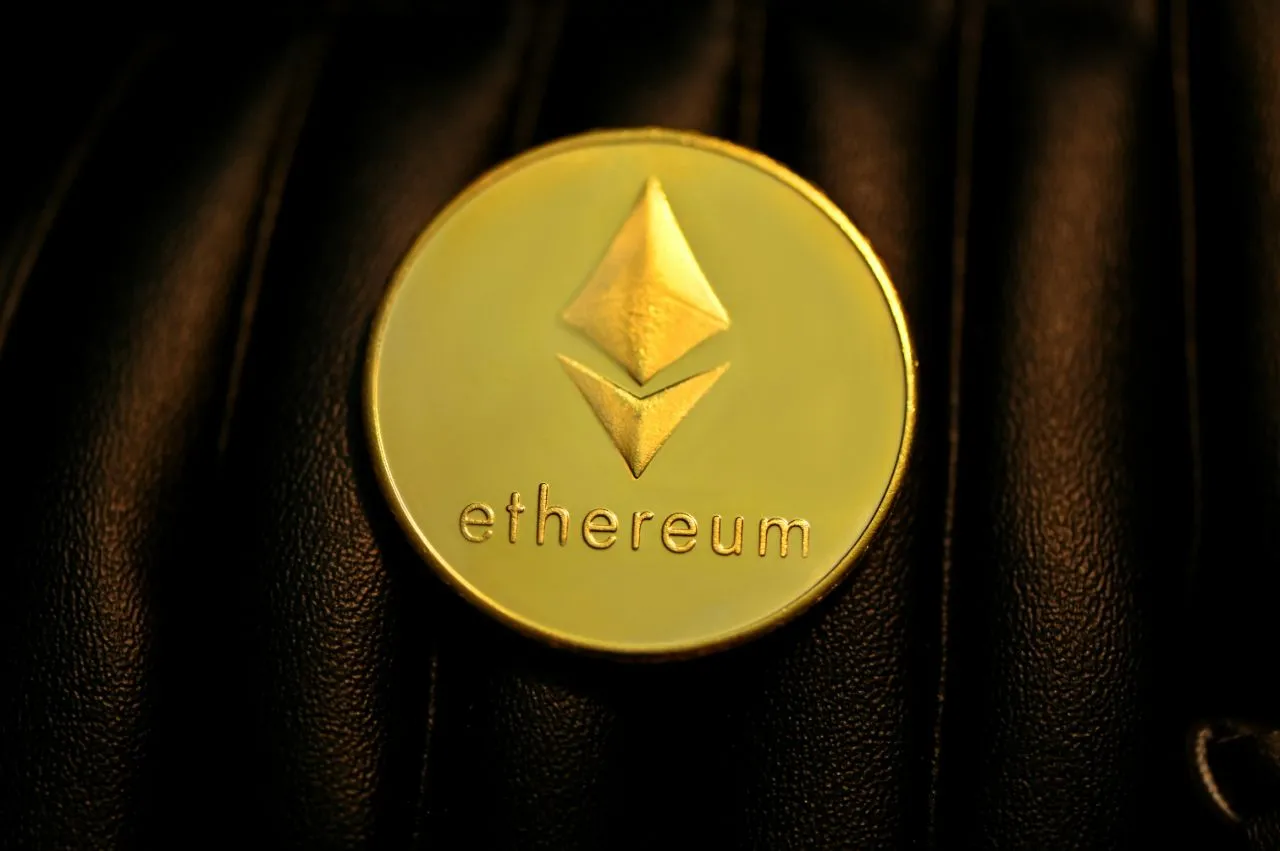
Photo by Kanchanara on Unsplash

‘Redefining the staking landscape’

The Singaporean platform describes its mission as redefining “the staking landscape by helping users unlock the underlying value of their crypto assets, and we are doing this by building a decentralized cross-chain liquid staking protocol.”


In its efforts to deliver on that mission, it appears that the crypto startup is set to convert its Ethereum liquid staking token, csETH, into a liquid restaking token, leveraging the Ethereum restaking protocol offered by EigenLayer. Eigenlayer enables restaked sidechains, through which ETH restakers can participate in Ethereum-centric consensus protocols.


Reward points

In an announcement on Tuesday, ClayStack revealed its plan to offer reward points to users participating in Ethereum restaking, with a 1:1 ratio for redemption when the platform's token is launched. Each clay point earned will be redeemable for one clay token during the token launch. Notably, the platform distinguishes itself by offering a 1:1 redemption system, setting it apart from other points programs.


Founder and CEO Mohak Agarwal explained how the project is adopting EigenLayer's protocol for this new service. Agarwal had teased that the project had something new to offer in the pipeline when taking to social media last week, writing:

”We are entering into a new era where staking will become more dynamic, accessible, and rewarding for the entire DeFi community.”


Currently, ClayStack accepts native ETH for direct restaking on EigenLayer. Agarwal confirmed to The Block that other liquid staking tokens, such as Lido staked ether (stETH) and Rocket Pool ether (rETH), will be integrated into the platform in the coming days. He emphasized that these tokens will be directly deposited on EigenLayer, streamlining the restaking process.


Growing interest in restaking

Ethereum restaking has gained significant traction since EigenLayer's launch in June of the previous year, with a total value locked (TVL) in smart contracts reaching approximately $1.7 billion. Renzo Protocol recently entered the Ethereum restaking space via EigenLayer, securing a $3.2 million seed funding round. Despite being in beta, Renzo has already achieved a TVL exceeding $116 million.


ClayStack's TVL currently stands at around $2.25 million, having initially launched liquid staking for Polygon's MATIC token in 2022. Following that, the platform introduced Ethereum liquid staking in September. However, the latest move marks a shift in focus towards Ethereum restaking due to challenges faced on the Polygon network.


Agarwal outlined the reward structure, stating that 20 clay points will be allocated per ETH per week, with rates subject to change every Monday but generally remaining constant throughout the week. There are no minimum or maximum points for individual users, although there is a weekly total cap for all users combined, which refreshes at the beginning of each week.


More to Read
View All
Web3 & Enterprise·

Feb 28, 2024

OKX launches OKX TR in Turkey

Leading global crypto exchange platform OKX has officially launched OKX TR, a specialized crypto exchange tailored to meet the needs of users in Turkey. This unveiling, announced on Feb. 27, marks a significant stride in the company’s efforts to offer Turkish users greater access to cryptocurrency trading and decentralized finance (DeFi).Photo by Engin Yapici on UnsplashOKX Wallet integrationOKX TR has integrated OKX's Web3 wallet, providing Turkish users with access to a wide array of features. The wallet offers a user-friendly portal for trading non-fungible tokens (NFTs), utilizing decentralized applications (dApps). Noteworthy features of the OKX Wallet include multi-party computation (MPC) technology and account abstraction (AA), enhancing accessibility for users with varying levels of technical expertise.OKX TR introduces localized features designed to cater specifically to Turkish users, including direct deposits and withdrawals in Turkish Lira, facilitated through strategic partnerships with banking institutions such as Fibabanka, VakıfBank, Ziraat Bankası, İş Bankası, Şekerbank and Türkiye Finans. The platform offers a range of major cryptocurrency pairs for trading, including USDT/TRY, BTC/TRY and ETH/TRY.  Moreover, OKX TR prioritizes user experience by providing round-the-clock customer support in both Turkish and English, attempting to provide prompt assistance and comprehensive guidance whenever needed. Crypto adoption backdropThe platform’s arrival should contribute further towards the burgeoning crypto ecosystem in Turkey, a market boasting a close to 50% adoption rate for cryptocurrencies. A report by OKX rival platform KuCoin back in August of last year found that there had been a significant increase in crypto users in Turkey over the course of the previous 18 months.  It’s believed that crypto adoption in Turkey is being driven partly by its role as a financial lifeline amid economic challenges. The country’s sovereign currency, the lira, has suffered from runaway inflation in recent years. On social media OKX Chief Marketing Officer (CMO) Haider Rafique wrote that the new service offers “lightning fast signup and funding,” alongside the “lowest fees in the market.” Mehmet Çamır, Chairman of OKX TR, outlined that the company had first announced expansion into Turkey in May 2023. Çamır set out the company’s intentions within the Turkish market, stating:"The launch of OKX TR represents more than just an expansion; it signifies our pledge to equip users with a transparent, compliant and user-friendly gateway to the world of blockchain. . . . We can unlock the vast potential of the Turkish crypto community and pave the way towards a future where finance is more inclusive and transparent.” Turkey is in the process of introducing a raft of crypto regulations, primarily with the intention of enabling it to be removed from the Financial Action Task Force’s (FATF) “grey list.” In December, Turkish President Recep Tayyip Erdogan appointed blockchain and cryptocurrency expert Fatma Ozkul to the Turkish central bank’s rate-setting committee.Those moves demonstrate some positive progress from the point of Erdogan’s statement in 2021 when he declared “a war on crypto.” 

news
Policy & Regulation·

Feb 27, 2025

Local crypto firms in talks with Hong Kong’s SFC on crypto staking

Local crypto firms in Hong Kong are understood to be in “active” talks with the Securities and Futures Commission (SFC), with a view towards bringing about the integration of staking within crypto exchange-traded fund (ETF) products. Haiyang Ru, chief risk officer of HashKey Group, a leading Hong Kong-headquartered digital asset financial services firm, told The Block that the Chinese autonomous territory may shortly see the introduction of staking services relative to crypto derivatives trading products and crypto ETFs. He stated: "We are actively discussing with the SFC the introduction of ETF staking and tokenized money market funds, as well as launching an 'Earn' feature alongside spot trading."Photo by tommao wang on UnsplashFocus on staking in 2025HashKey is one of a number of well-known digital asset firms that is in regular contact with the regulator. Other firms are also paying attention to developments. Alessio Quaglini, co-founder and CEO of Hex Trust, a Hong Kong-based firm that offers regulated institutional digital asset custody and staking services, believes that staking will garner greater attention in 2025. He stated: “Institutions that move into crypto custody will naturally seek yield-generating opportunities for their clients."  OSL, one of the first entities alongside HashKey to be awarded digital assets-related licensing in Hong Kong, has also identified rising customer demand for yield-generating products in the crypto space within the Chinese autonomous territory.  Global competitionThe authorities in Hong Kong are likely to be watching developments overseas also. ETH ETFs in the United States have reeled in $3 billion in capital inflows without staking. Since the launch of these products, many industry commentators have suggested that in the event that staking is approved, big institutions, particularly pension funds and wealth managers, are going to be attracted to the passive yields on these ETFs.  Traditional finance (TradFi) loves yield, and in the case of Ether ETFs that include staking, an annual percentage yield (APY) of up to 5% should be possible. Last month, an S&P Global report suggested that there was growing interest from institutional investors with regard to crypto staking opportunities.  Cryptocurrency ETF issuer 21Shares has applied to the Securities and Exchange Commission (SEC) in the U.S. to include staking within its ETH ETF product. A similar application has been made by crypto asset manager Grayscale relative to its ETH ETF offering. With that activity ongoing in the U.S. and inter-jurisdictional competition in terms of digital asset growth opportunities, it’s likely that Hong Kong will be keen to enable this market offering. Staking ‘unparalleled’ in TradFi markets Earlier this week, the SFC introduced a new roadmap geared towards strengthening the digital assets sector in Hong Kong. One of the initiatives itemized is the enabling of crypto staking.  The explanatory document published by the regulator states that it is examining the introduction of staking with safeguards in respect to digital asset custody, liquidity risks and “ensuring that the operational processes for staking are transparent.” The SFC described crypto staking as a yield generation opportunity that is unparalleled in TradFi markets.

news
Markets·

Jul 11, 2023

China Performs Well as Global Crypto Industry Employment Surpasses 190,000

China Performs Well as Global Crypto Industry Employment Surpasses 190,000According to new data, the cryptocurrency industry has seen a remarkable surge in employment, with nearly 190,000 individuals currently working in the field as of July 2023, with China fairing particularly well despite its hostile approach to crypto.This figure represents a significant increase compared to pre-2020 employment statistics, marking the onset of the crypto frenzy. The data was produced via a report published by K33 Research, a Norway-based digital assets research and data analysis firm.Photo by Valentin Farkasch on UnsplashIndia leads in AsiaThe data highlights an over-representation of crypto workers in the Western world, with more than 50% based in North America and Europe. Within this figure, the United States alone accounts for 29% of the crypto workforce. In Asia, India emerged as the leading employer in the crypto industry, employing 20% of the regional workforce, primarily in developer-related roles. Surprisingly, despite China’s historically hostile stance on the crypto industry, it stands as the second-largest employer in Asia, employing 15% of the regional workforce.It’s also interesting that China has been found to account for such a sizable chunk of Web3-related employment when recent feedback from recruiters in Hong Kong suggest that the crypto licensing program rolled out in the autonomous Chinese territory has not yet resulted in a surge in employment. Recruiters maintain though, that this employment boost will come in due course.Most employment via exchangesDuring 2021, a period characterized by high prices and soaring company valuations, the crypto industry employed approximately 211,000 individuals, highlighting the industry’s rapid growth. Researchers from K33 found that around one-third of the crypto workforce is engaged in exchanges or brokerages, emphasizing the crucial role these entities play. Additionally, 26% of employees work for companies offering a diverse range of financial services related to cryptocurrencies.Interestingly, the study revealed that NFTs occupy only a small portion of the workforce, with only 6% of individuals involved in this field. On the other hand, 21% contribute their skills to blockchain protocols, analytics, and mining operations. The remaining 13% hold cryptocurrency-related jobs that do not neatly fit into any specific category. The researchers employed various methods, including LinkedIn searches, AI-assisted web searches, and manual mappings, to gather this data.Remote workingA notable trend in the crypto industry is the prevalence of remote work arrangements. Major crypto companies have opted for globally distributed workforces, capitalizing on jurisdictions with favorable regulations and lower tax rates. By establishing headquarters in these locations, but employing individuals remotely or establishing local offices worldwide, companies can reduce costs and eliminate logistical barriers.The significant growth in crypto industry employment reflects the expanding and maturing nature of the sector. As cryptocurrencies and blockchain technology gain wider acceptance, professionals from various backgrounds are entering the industry, contributing their skills to different sectors within the crypto ecosystem. The prevalence of remote work arrangements and the global nature of the industry allow talent to be sourced from around the world, transcending geographical boundaries.This upward trajectory in employment is likely to continue as the crypto industry evolves and continues to shape the future of finance and technology.

news
Loading