Top

Hong Kong's VSFG eyes spot ether ETF application in Q2

Policy & Regulation·February 03, 2024, 6:20 AM

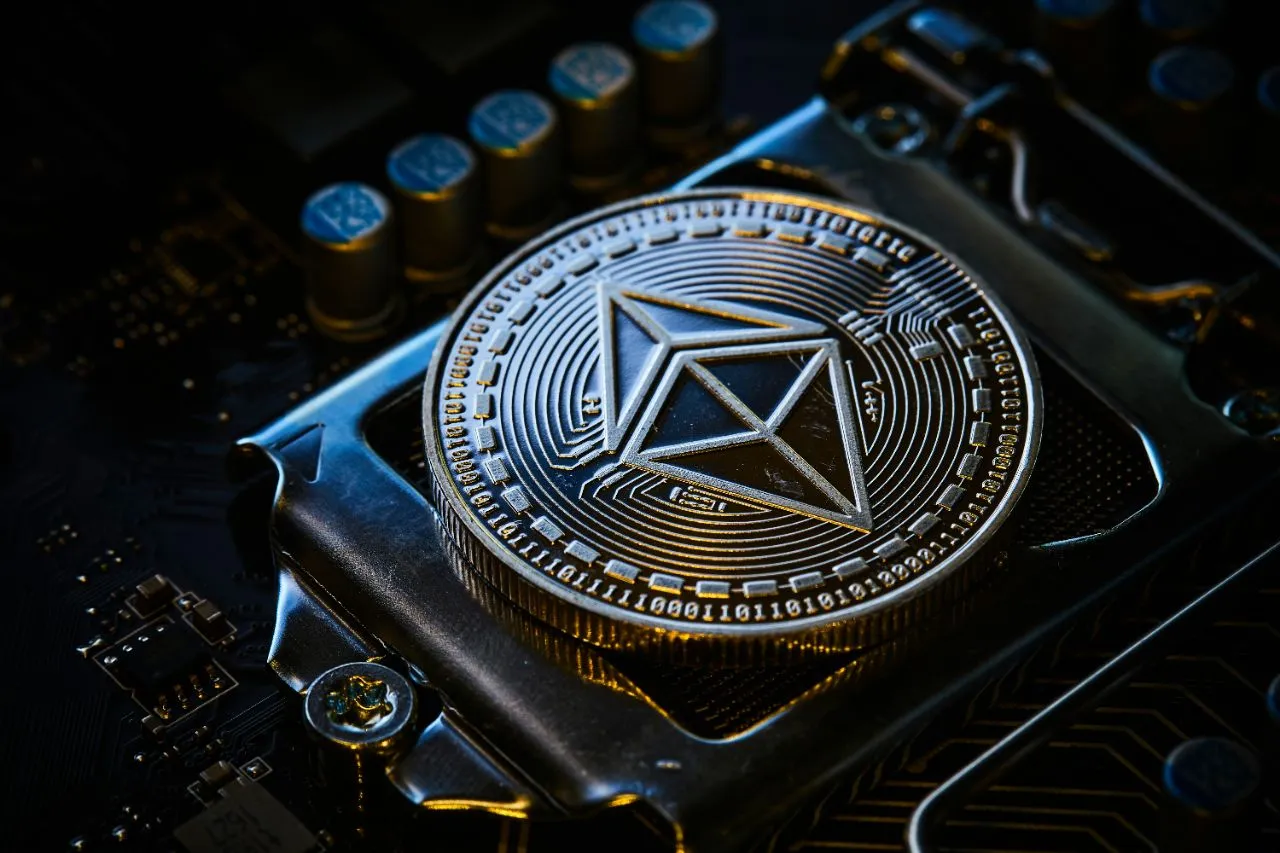
Venture Smart Financial Holdings Ltd. (VSFG), a Hong Kong-based financial services firm, is strategically positioning itself to enter the growing cryptocurrency exchange-traded fund (ETF) market, with its latest reveal being an interest in launching a spot ETH ETF in Q2.
https://asset.coinness.com/en/news/0ffd6126aa68f9f5020dd62ece629fce.webp
Photo by Michael Förtsch on Unsplash

In a recent interview with The Block, VSFG Chairman Lawrence Chu revealed the company's plans to apply for a spot ether ETF in Hong Kong. Executing on that plan is contingent upon the successful launch and approval of its spot bitcoin ETF.


Q1 launch for bitcoin ETF

Last month, the firm disclosed that it is gearing up for a spot bitcoin ETF launch within the first quarter of this year. VSFG was the first to reveal such an intention within the ETF space in Hong Kong. However, competition is already starting to bubble, as subsequently, Chinese asset manager Harvest Fund announced that it has gone one better and actually filed an application for a spot bitcoin ETF product in the Chinese autonomous territory.


Chu shared insights into the firm's current status, mentioning that VSFG is in the final phase of preparing its application for a spot bitcoin ETF to be submitted to the Hong Kong Securities and Futures Commission. He emphasized the rigorous regulatory discussions that precede such submissions in Hong Kong, characterizing the imminent application as being in the advanced stages, stating, “Submission [for application] is almost like when you're 95% there.”


Chu acknowledged the importance of ongoing conversations with regulators, expressing readiness by stating, “but that really depends on the conversation we have with the regulator. We will be ready.”


Competitive spotlight on ETF fees

Highlighting the evolving landscape in Hong Kong, Chu noted that nearly 10 fund companies are exploring the launch of potential spot crypto ETFs in the city. That call echoes similar comments made recently by Livio Weng, CEO of digital assets firm HashKey.


The prospect of a potential fee war among asset managers was also discussed, drawing parallels with developments observed in the U.S. bitcoin ETF market. That seems likely, given that downward pressure on spot bitcoin ETF fees in the United States has also spread to Europe where Invesco and WisdomTree have cut fees by 60% on similar products.


Global ether ETPs

While commentators such as Standard Chartered Bank speculate on the likely approval of spot ether ETF products in the U.S. by May and VSFG indicates a potential Q2 launch in Hong Kong, there are already a number of similar products out in the wild around the world.


According to data compiled by crypto data aggregator platform CoinGecko, the top 10 ether funds account for $5.5 billion in value. Among them is the XBT Provider ether exchange-traded product (ETP), the world’s first Ethereum-based security made available on a regulated exchange, namely Nasdaq Stockholm in Sweden, by crypto ETP specialist CoinShares.


While the race is on in Hong Kong to launch crypto ETFs, on an international basis, competition is heating up as various global fintech hubs look to kindle what is likely to make up a significant part of the ETF sector pie in the years to come.

More to Read
View All
Web3 & Enterprise·

Jun 09, 2023

Animoca Brands Expands Focus to Non-US Markets

Animoca Brands Expands Focus to Non-US MarketsHong Kong-based Web3 and blockchain unicorn, Animoca Brands, is shifting its attention to markets outside the United States following the Securities and Exchange Commission’s (SEC) classification of its $SAND token as an unregistered security.This move comes after the SEC named $SAND, along with other tokens like Solana and Polygon, in lawsuits against major exchanges Binance and Coinbase Global. The labeling of these tokens as securities by the SEC poses legal risks for companies involved in their sale.Photo by Zulian Firmansyah on UnsplashNavigating regulatory challengesAnimoca Brands, led by Co-Founder and Chairman Yat Siu, has long embraced a global approach rather than focusing solely on one territory. Siu clarified the firm’s response to the latest regulatory development to the South China Morning Post (SCMP) via email on Thursday.He emphasized that while the SEC concentrates on the US, Animoca Brands operates in more progressive jurisdictions such as Hong Kong and Japan, where $SAND is widely available and accepted. In response to the recent blockchain-hostile climate in the US, the company has proactively started emphasizing other markets, reducing its reliance on the US market and mitigating potential risks associated with regulatory actions.Exchange business impactWhile Coinbase CEO Brian Armstrong has declared that his company has no intentions of delisting tokens labeled as securities by the SEC, this decision poses challenges for other exchanges less committed to selling these tokens. Dan Gallagher, Chief Legal Compliance and Corporate Affairs Officer of Robinhood Markets, expressed concerns about listing tokens due to regulatory rules and the uncertainty surrounding tokens created by organizations outside the US.These developments could have a chilling effect on exchanges, prompting crypto firms to consider moving away from the US market due to perceived uncertainty and the associated legal risks. As a demonstration of that, in a bankruptcy court hearing on Thursday, it emerged that the FTX Debtor is talking with bidders with a view to restarting the international business but restarting the US-based business is less certain.Animoca’s Middle East ventureIn a further display of its commitment to expanding outside the US, Animoca Brands announced plans in March to make significant investments, worth tens of millions of dollars, in the Middle East. This move reflects the company’s proactive strategy to tap into non-US markets and leverage the growth potential offered by progressive jurisdictions.Animoca Brands’ decision to prioritize non-US markets and reduce its reliance on the US market aligns with its global operating approach. The SEC’s classification of $SAND as a security has prompted the company to shift its attention to more progressive jurisdictions where $SAND remains widely accessible.As other firms, including Ripple, also explore growth opportunities outside the US, the global landscape of the crypto industry is evolving. By navigating regulatory challenges and expanding into promising markets, Animoca Brands aims to position itself for continued success and mitigate potential risks associated with the SEC’s actions in the US market.

news
Policy & Regulation·

Dec 24, 2025

Japan moves toward municipal blockchain bonds as crypto tax reforms face delays

The Japanese government is moving to modernize municipal finance through blockchain technology, though the timeline for much-anticipated cryptocurrency tax reforms appears to be drifting further into the future. Municipal bonds as security tokensAccording to a Dec. 23 Nikkei report cited by CoinDesk Japan, policymakers decided to begin preparing to issue local government bonds as security tokens. The government aims to submit the necessary legislation during the ordinary Diet session in 2026. Concrete measures, shaped by requests from local municipalities, are expected to be finalized ahead of next year. Advocates say that issuing bonds as blockchain-based security tokens would modernize local government finance by reducing friction in issuance and settlement and enabling real-time tracking of investor data.Photo by Luke Stackpoole on UnsplashCrypto tax reform seen as taking timeWhile the digitization of bonds progresses, the schedule for easing the tax burden on crypto investors is reportedly facing setbacks. CoinPost reported that, according to sources, the transition to a separate tax on crypto gains is now expected to take place in January 2028, a delay from the initially envisioned target of January 2027. The legislative groundwork is still slated for the 2026 Diet session, where amendments bringing crypto assets under the Financial Instruments and Exchange Act (FIEA) will be deliberated. However, the current cautious policy approach prioritizes investor protection and adjustments to the tax reporting framework, making a delay in implementation more likely. The proposed amendments address the steep tax liabilities currently faced by domestic investors. Under Japan’s current system, crypto gains are treated as miscellaneous income, taxed comprehensively with salary and other earnings at rates that can reach roughly 55% when including local taxes. The plan, which the ruling coalition has been coordinating, aims to align crypto taxation with that of stocks and forex trading. It would introduce a flat 20% separate tax rate and allow loss offsets and carryforwards of up to three years, bringing crypto closer to other financial assets. It would also ease tax filing by potentially adopting a framework similar to the designated accounts used in Japan’s securities market, reducing the reporting burden on digital asset investors. The slow pace of these regulatory changes has drawn criticism from the private sector. Tomoya Asakura, CEO of SBI Global Asset Management, a subsidiary of SBI Holdings, took to the social media platform X to voice concerns about the pace of reform. Asakura characterized the process as "extremely slow," warning that the lag places Japan behind jurisdictions such as the U.S., Asia, and the Middle East. He argued that continued delays would further impede domestic initiatives in Web3 and digital finance. Bybit to pull out next yearAmid this shifting regulatory landscape, foreign entities are adjusting their operations. Dubai-based crypto exchange Bybit, which is not registered with Japan’s Financial Services Agency, announced on Dec. 22 it will phase out services for Japanese users to remain compliant with local rules. The exchange has stopped onboarding Japanese residents or nationals since 12:00 p.m. UTC on Oct. 31, and accounts held by customers in Japan will be gradually restricted starting next year. 

news
Web3 & Enterprise·

Dec 16, 2024

USDT stablecoin receives full regulatory approval in Abu Dhabi

The Financial Services Regulatory Authority (FSRA), a regulatory body within the Abu Dhabi Global Market (ADGM) economic free zone and financial center in the United Arab Emirates (UAE), has fully approved USD₮, the world’s leading U.S. dollar stablecoin by market cap, as an accepted virtual asset (AVA).Photo by DrawKit Illustrations on UnsplashPre-approved USDT servicesUSDT issuer Tether publicized details of the approval via a statement published to its website on Dec. 10. The company outlined that the approval means that “Authorised Persons” operating and licensed by the FSRA can offer pre-approved services related to USDT. The company stated that the approval facilitates the integration of USDT into regulated financial ecosystems in Abu Dhabi while also claiming that the move helps to advance the region’s leadership relative to digital asset innovation. The FSRA has acknowledged acceptance of the leading stablecoin with recognition of its issuance on various blockchains including Ethereum, Solana and Avalanche. Validating the importance of stablecoins With the ADGM regulator now fully accepting and recognizing the stablecoin, Tether CEO Paolo Ardoino said that the move goes beyond just “validating the importance of stablecoins as critical tools for modern finance,” as he believes it opens the door for collaboration and growth across the Middle East. Stablecoins are increasingly playing a significant role in bridging the gap between traditional finance (TradFi) and the Web3 sector. In October, crypto asset fund manager Bitwise identified a number of key insights that point to the ongoing development and use of stablecoins.  It outlined that the top five stablecoin projects are currently holding more U.S. Treasury bonds than some G20 countries. Tether recorded profits last year that surpassed those of BlackRock, the world’s largest asset manager. Bitwise identified that leading payments firms like Visa are adopting stablecoins and incorporating them into their platforms for the purpose of effecting transactions. A month prior to that, Wall Street investment bank Bernstein highlighted the fact that stablecoins are playing an increasingly important role relative to the global financial system as a whole.  It’s thought that this latest development in Abu Dhabi may act as a further driver of USDT’s market cap. At the time of writing, the stablecoin asset had a market cap in excess of $140 billion. Its inclusion as an AVA reinforces the crypto asset’s position as the most used stablecoin within the industry. AE Coin licensing In a further boost for further roll-out of stablecoins in the Middle East, the Central Bank of the UAE (CBUAE) awarded the final license to fully approve AE Coin, a UAE dirham-denominated stablecoin. Commenting on the development, AE Coin General Manager Ramez Rafeek said, "AE Coin harnesses the speed and efficiency of blockchain technology, offering instant, secure, and cost-effective transactions. It simplifies transfers, making them faster and more seamless." In an effort to bring about greater adoption of the stablecoin, the AE Coin project intends to engage in partnerships with payment gateways, financial institutions and technology providers going forward. Tether also has plans to launch a dirham-backed stablecoin, having recently partnered with UAE-based entities to bring that about.

news
Loading