Top

Regulatory crackdown as Hong Kong authorities act against crypto entities

Policy & Regulation·December 08, 2023, 12:58 AM

In a recent move, the Securities and Futures Commission (SFC) of Hong Kong has issued a public warning against suspected virtual asset-related frauds involving HongKongDAO and BitCuped, marking a significant crackdown on deceptive practices in the crypto space.

The action taken by the SFC in conjunction with the Hong Kong Police Force was outlined in a notice published on Wednesday. The notice stated:

“The SFC suspects HongKongDAO may be disseminating false and misleading information about itself and its business through online channels.”

In relation to BitCuped, it stated: “The SFC notes that BitCuped claims on its website that ‘Laura Cha’ and ‘Nicolas Aguzin’ serve as its Chairman and Chief Executive Officer respectively, when in fact none of them has any affiliations with BitCuped.”

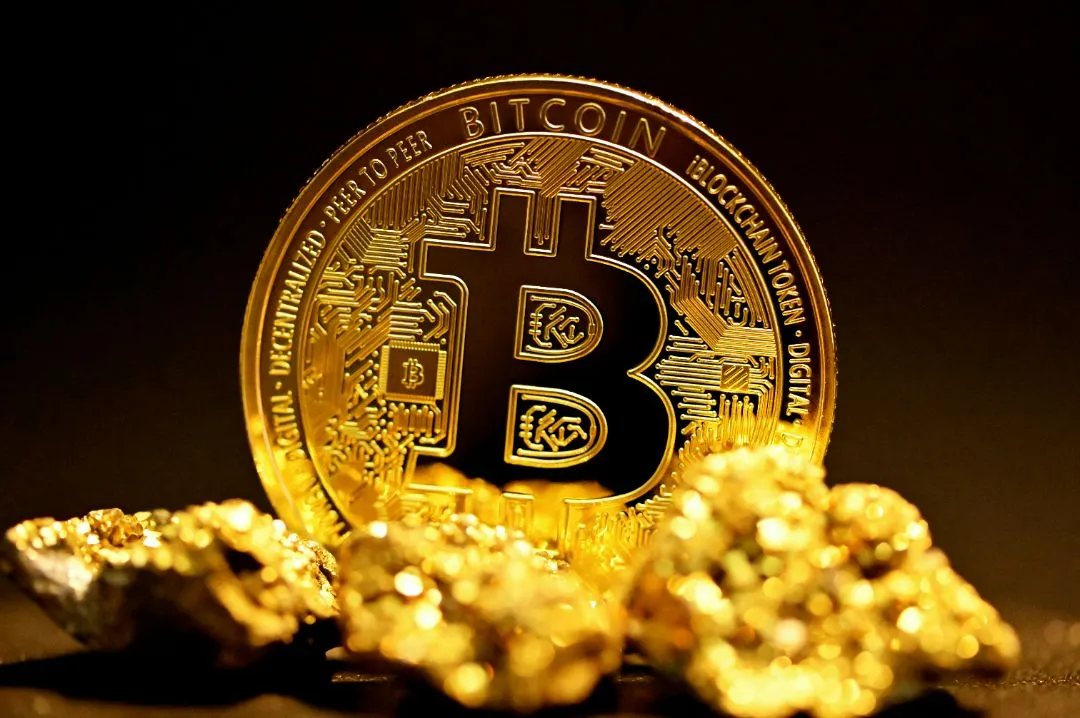
Photo by Teodor Kuduschiev on Unsplash


HongKongDAO’s alleged misinformation

Operating under the name “Hong Kong Digital Research Institute,” HongKongDAO has faced accusations of disseminating false and misleading information. The SFC expressed concerns about the claims made by HongKongDAO, including assertions of licensing by the SFC, engagement in regulated activities since July 2020, and bids for a “Hong Kong Digital Currency Exchange Licence” related to the government’s stablecoins framework.

The SFC contends that these claims are unfounded and could potentially mislead the public into believing that HongKongDAO’s services are officially sanctioned and legitimate.

HongKongDAO seems to manage at least two Telegram groups, one in Chinese with over 10,000 members and the other in English with over 1,700 members. Within these groups, there appears to be a promotion of the purported “market” price and future market value of the HKD token, enticing investors to make purchases.


Allegations of BitCuped false affiliations

Simultaneously, BitCuped has been accused of making fraudulent claims to enhance the credibility of its operations. The company falsely asserted affiliations with prominent figures Laura Cha and Nicolas Aguzin, claiming them as its chairman and CEO, respectively. However, the SFC has refuted these affiliations. Laura Cha is the Chairman of Hong Kong Exchanges and Clearing Limited (HKEX), while Nicolas Aguzin is the Executive Director and CEO of HKEX.

Taking proactive measures, the SFC has requested the Hong Kong Police Force to block access to the websites of both HongKongDAO and BitCuped. Cease and desist letters have also been issued to the operators of these websites, demanding the cessation of the sale of HKD Tokens offered by HongKongDAO.


Series of crypto scams

Following the JPEX fraud allegations in September, Hong Kong faced another cryptocurrency exchange scandal involving Hounax in November. With at least 145 police reports filed and a sum of over HK$148 million ($19 million) involved, affected investors expressed frustration at what they deemed a slow response from regulatory bodies.

These incidents have reignited discussions about the need for more robust cryptocurrency regulations in Hong Kong. The city’s aspiration to become a global hub for crypto innovation and adoption faces challenges due to a lack of clear and consistent regulation, leaving investors vulnerable to fraud and manipulation.

In light of these developments, the SFC emphasized the importance of public caution regarding investment opportunities that seem too good to be true. The regulator urged vigilance against social media and instant messaging platforms where individuals, not investment professionals, might lure unsuspecting investors.

More to Read
View All
Policy & Regulation·

Jan 23, 2024

Hong Kong crypto executive anticipates spot crypto ETF approvals by mid-2024

The launch of Hong Kong's inaugural spot crypto exchange-traded funds (ETFs) is expected to occur by mid-2024, according to one of Hong Kong’s leading crypto executives. Gary Tiu, the executive director and head of regulatory affairs at OSL, a licensed cryptocurrency exchange based in Hong Kong, made that assertion in discussion with The Hong Kong Economic Journal. Tiu provided the publication with insights into the accelerating pace of negotiations between cryptocurrency exchanges and fund companies in the region.Photo by Stella P on UnsplashUp to ten firms contemplating ETF launchOSL is actively engaged in discussions with multiple fund companies, with five to ten firms contemplating the introduction of spot crypto ETFs. Tiu revealed that certain firms have made notable progress, raising the possibility of the debut of these ETFs in Hong Kong by the middle of the year. Additionally, the OSL executive emphasized the significance of maintaining reasonable fees in collaborations between OSL and fund companies, given the limited presence of licensed crypto exchanges in the city – a total of two at present. This suggestion from Tiu aligns with similar recent soundings emanating from HashKey, another licensed crypto exchange in Hong Kong, which recently disclosed its ongoing discussions with asset managers exploring the potential launch of spot crypto ETFs. Livio Weng, the CEO of HashKey, indicated that approximately ten fund companies are considering the introduction of such ETFs in the city. VSFG’s ETF plansAligned with Tiu’s thoughts on the matter, according to a Bloomberg report last week, Venture Smart Financial Holdings Ltd (VSFG), a Hong Kong-based financial services firm, expressed plans to potentially launch a spot bitcoin ETF within the first quarter of this year. Bloomberg reported the company's goal of growing the ETF's assets under management to $500 million by the end of 2024. The regulatory landscape in Hong Kong is actively adapting to accommodate spot crypto ETFs, with the Securities and Futures Commission (SFC) and the Hong Kong Monetary Authority (HKMA) announcing in December that they have reviewed their existing policies. Two circulars were published, outlining the requirements for spot crypto ETFs, with the SFC stressing that transactions should be conducted through SFC-licensed crypto platforms or authorized financial institutions. Currently, Hong Kong has listed several futures-based crypto ETFs, including the Samsung Bitcoin Futures Active ETF, CSOP Bitcoin Futures ETF and CSOP Ether Futures ETF. Hong Kong venue for Bitcoin conferenceIn a related development, local lawmaker Johnny Ng revealed on social media on Monday that Hong Kong will host The Bitcoin Conference this year. Earlier this month Ng urged the local administration in Hong Kong to swiftly follow the United States' approval of spot bitcoin ETFs and position the city as a leading hub in the cryptocurrency space. With Hong Kong and Singapore vying for hub status in the Asian region relative to the digital assets space, the launch of ETF products would give the Chinese autonomous territory a competitive head start given that Singapore doesn’t appear to be close to accommodating crypto ETFs for the time being.

news
Policy & Regulation·

Apr 01, 2025

Japan to implement crypto insider trading restrictions

According to a report published on March 31 by Nikkei, a Tokyo-based financial news outlet, the Japanese authorities are gearing up to categorize digital assets as financial products, while in the process broadening the scope of insider trading restrictions. While the publication didn’t cite a particular source, it reported that the Japanese Financial Services Agency (FSA) is expected to file a draft amendment related to the existing Financial Instruments and Exchange Act in 2026.Photo by M.S. Meeuwesen on UnsplashFrom payment to investment productCurrently, Japan’s Payment Services Act categorizes crypto assets as a means of settlement. That categorization looks at these assets from the perspective of a payment tool rather than considering them as investment products. The move is understood to be part of a broader effort to copper-fasten crypto sector oversight. Earlier this month, the Japanese cabinet approved a proposal that seeks to amend the Payment Services Act.  At the time, it had been suggested that the amendment would look to exclude crypto assets from being classified as securities, while also bringing about a reduction in the capital gains tax rate as it is applied to digital assets. It’s likely that crypto assets will find themselves in a distinct category, apart from securities like stocks and bonds. Crypto adoptionActivity related to crypto assets has been growing in Japan. 7.34 million active accounts were found to be responsible for crypto transactions in Japan in January. That amounts to a tripling in such crypto transaction activity over the course of five years. Japan enjoyed greater adoption at a very early stage in the global development of crypto. However, following the Mt. Gox crypto exchange collapse in 2014, which at the time accounted for the loss of 7% of Bitcoin’s supply, regulators responded by clamping down on the sector.  That situation led to greater investor protection for Japanese investors but it presented as a difficulty for Japan-based exchanges to compete globally with other exchange businesses overseas. A conservative stance taken by the FSA has also held back crypto exchange-traded fund (ETF) approval and adoption. Bitcoin ETFs were approved in the United States over a year ago. Earlier this month, Astar Network founder Sota Watanabe outlined that the current ruling party in Japan plans to remove crypto assets from a securities classification, alongside other changes which could potentially lead to the approval of crypto ETFs. The Liberal Democratic Party has also put forward crypto tax reforms that, if implemented, would see a 20% tax rate brought into effect where capital gains on digital assets are concerned.The finer detail with regard to the nature of insider trading restrictions as they will be applied to crypto assets has yet to be revealed. Nikkei speculated that such restrictions would likely be similar to those applied to conventional financial products. Last week, the Asia Web3 Alliance Japan, a crypto advocacy group, put forward a proposal to the U.S. Securities and Exchange Commission (SEC) that, if implemented, would see collaboration between the U.S. regulator and Japan’s FSA, its central bank and the Ministry of Economy, Trade and Industry. The objective of the proposal is to bring about cross-border regulatory clarity related to the further development of the Web3 ecosystem in both Japan and the U.S.

news
Policy & Regulation·

Nov 24, 2023

HTX and Heco Chain exploited with $115 million loss

HTX and Heco Chain exploited with $115 million lossSeychelles-incorporated cryptocurrency exchange HTX, linked to digital-asset entrepreneur Justin Sun, has fallen victim to a significant hack, only a few months after having suffered another hack in September.Photo by Markus Spiske on UnsplashSecond HTX hack in recent monthsThe last hack, involving a loss of digital assets to the value of $8 million, was resolved when the hacker agreed to return funds in October in return for a goodwill payment of around $400,000.This latest unfortunate incident follows another hack on Poloniex, also associated with Sun, just weeks ago. Sun acknowledged the HTX hack in a tweet, announcing the temporary suspension of deposits and withdrawals without specifying the exact amount pilfered.Separate Heco Chain hackIt is understood that approximately $30 million worth of cryptocurrencies was siphoned from the exchange wallet. The platform is actively investigating the breach, aiming to uncover the specifics surrounding the attack. Simultaneously, the HECO Bridge, which was established by HTX for cost-effective fund transfers across different blockchains, experienced a separate hack.This breach resulted in losses exceeding $85 million, including ETH, US dollar stablecoin Tether (USDT) and various other tokens. Although initially launched by HTX, HECO operates independently from the HTX exchange.Crypto community concernThese security breaches cast a shadow over Sun’s crypto ventures, especially considering the recent hack on Poloniex, which saw losses surpassing $100 million in various cryptocurrencies. A spokesperson for crypto security firm Hacken told Cointelegraph that these hacks could be the work of an insider.“We can see that all these attacks have the same target: Justin Sun’s projects,” the spokesperson stated. These related incidents are the cause of significant speculation within the crypto space, with some concern expressed about the financial health of HTX, given that the firm is currently offering unsustainable interest rates of up to 100% APY on a selection of digital assets.In response to the HTX hack, Justin Sun assured the community in a post on X (formerly Twitter) that HTX would fully compensate for the losses incurred in its hot wallet. The exchange has temporarily halted deposits and withdrawals as the investigation unfolds. Sun emphasized the commitment to resume services once the investigation concludes and the cause of the breach is identified.These incidents raise questions about the security infrastructure of platforms associated with Justin Sun. The crypto community awaits further details on the investigation’s outcomes and preventive measures that will be implemented to fortify these exchanges against future attacks.Such recent security breaches have not just affected Justin Sun-related enterprises. Earlier this month, decentralized exchange (DEX) KyberSwap was exploited to the tune of $46.5 million. Earlier this week, Kronos Research — a Taipei-based crypto trading, market making and venture capital platform — experienced a $25.6 million loss. The past twenty days have seen five major hacks resulting in an aggregate loss of a staggering $290 million.As the crypto industry grapples with increasing security challenges, the importance of robust protective measures cannot be overstated. These developments underscore the need for a cautious and diligent approach in safeguarding digital assets within the rapidly evolving cryptocurrency landscape.

news
Loading