Top

Night Crows MMORPG set for global launch next month with P2E features

Web3 & Enterprise·February 14, 2024, 6:17 AM

Night Crows, a massive multiplayer online role-playing game (MMORPG) set in 13th-century Europe with play-to-earn (P2E) features, is set to launch next month. This global release will be available in nine languages across 170 countries, except for South Korea and China, according to a recent press release by its South Korean operator, the blockchain game company Wemade.


European history with fiction

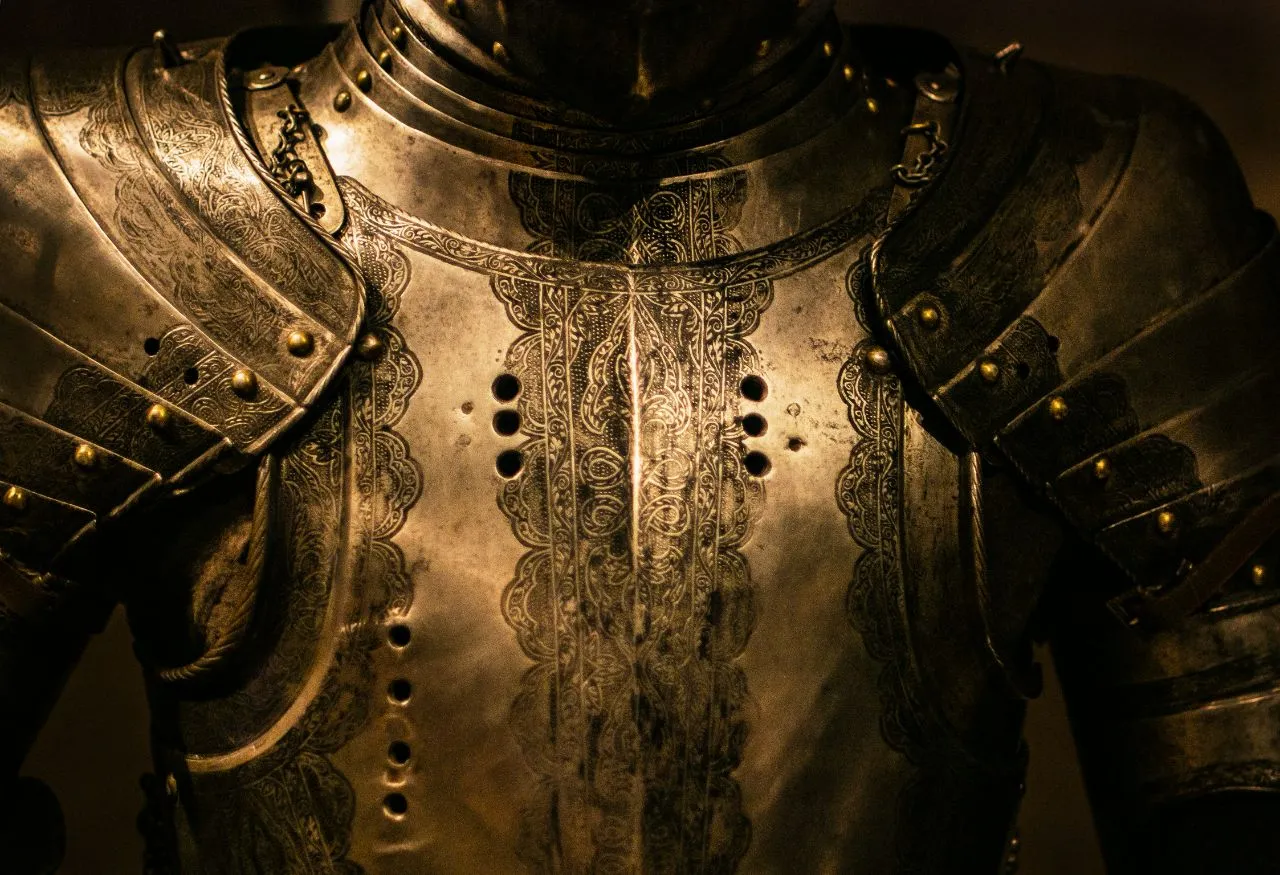
Developed by MADNGINE, Night Crows harnesses the power of Unreal Engine 5 to deliver highly realistic battles. The game merges elements of European history with fiction, creating a unique universe for players to explore. Within this universe, players can select from four classes and eight subclasses for their characters. Thanks to its inter-server technology, Night Crows enables over 1,000 players from three servers to combat against each other in the "Battlefront," as well as collaborate and trade at the "World Exchange."
https://asset.coinness.com/en/news/b367bee85b6f8e2adc8cd2c083913e63.webp
Photo by Nik Shuliahin 💛💙 on Unsplash

Blockchain-based economy

The March 12 worldwide launch of Night Crows incorporates the Multi Utility Token Economy (MUTE) within Wemade’s WEMIX 3.0 blockchain network. In this economy, users can complete requests to earn DIA, an in-game resource that can be used to mint Crow. The Crow token will serve as the base token for the game and will be supported on WEMIX Play’s GameFi platform.


Last month, Night Crows kicked off its pre-registration campaign to attract gamers from around the globe. The game will be available for pre-download on March 11 via Google Play, the Apple App Store and the web.


P2E games banned in Korea

Night Crows first made its debut in South Korea last April, where it quickly captured the interest of Korean gamers. However, the version released in Korea differs from the one planned for the global launch, as it lacks a blockchain-based economy. This absence is in line with the Game Industry Promotion Act in Korea, which prohibits the conversion of in-game resources, whether tangible or intangible, into money.

More to Read
View All
Web3 & Enterprise·

Sep 03, 2025

Japanese auto-parts maker Ikuyo invests in crypto firm for stablecoin settlements

Japanese auto-parts manufacturer Ikuyo announced last week its board has approved a 300 million yen ($2 million) investment in Galactic Holdings, the parent company of the TruBit cryptocurrency exchange. The investment expands a capital and business alliance first established on June 26.Photo by CHUTTERSNAP on UnsplashStablecoin for B2B cross-border paymentsIn a press release, the Kanagawa-based company stated the funding will be executed through a third-party allotment of new shares. The capital will support Galactic’s stablecoin infrastructure for B2B cross-border payments and help Ikuyo build expertise in digital financial services, diversify its assets, and enhance its long-term corporate value. The initiative arrives as Japan’s auto-parts sector, which counts more than 600,000 workers at roughly 20,000 firms, seeks new efficiencies amid global economic pressures. Autos represented 28.3% of Japan’s exports to the U.S. in 2024, making U.S. trade policy a key influence. This year, the sector navigated a 25% U.S. tariff on automobiles and parts imposed in April, which was then lowered to 15% on July 22 after a deal with the Trump administration. Shifts in the global trade landscape provide an incentive for companies to streamline operational costs. As a proof of concept, Ikuyo plans to pilot stablecoin settlements in transactions between its China-based subsidiary, Kunshan Veritas Automotive Systems, and Veritas in Mexico. Currently, these trades are settled in Mexican pesos and converted to U.S. dollars. The company expects the use of stablecoins to reduce remittance costs and accelerate settlement times.  While the launch timing, performance metrics, and monetization strategy are still being finalized, the pilot’s results will guide future business development. In the long term, Ikuyo aims to become an early adopter of stablecoin settlement in the auto-parts sector, applying the technology to improve efficiency and transparency in international trade, initially between Japan and Latin America and between Japan and Southeast Asia. Japan embraces Web3 in push for growthThis corporate move aligns with a broader trend of growing government support for decentralized technologies in Japan. Speaking at the WebX2025 event on Aug. 25, Prime Minister Shigeru Ishiba announced stronger state support for Web3 initiatives, describing the sector as a driver of innovation that could help Japan tackle demographic decline and foster economic transformation.  He noted that Web3 is already being implemented at the Osaka Expo and highlighted local pilot programs where communities use tokens as governance rewards. Ishiba also stressed that the government’s five-year startup growth plan would be strengthened through investment and regulatory reforms, with Web3 and related digital industries expected to take center stage. On the financial policy front, Finance Minister Katsunobu Kato recently addressed the rapid increase in crypto adoption across Japan. He explained that his role is to balance necessary oversight with providing the industry enough freedom to innovate. While acknowledging that digital assets remain highly volatile, Kato argued that creating a secure trading environment would protect investors while also helping to diversify and enrich their portfolios. Ikuyo’s initiative underscores the private sector’s quickening embrace of crypto. Last month, SBI Group, one of the nation’s largest financial conglomerates, revealed a strategic alliance with the decentralized oracle provider Chainlink. Their collaboration aims to expand the institutional adoption of digital assets and blockchain globally. The partnership will utilize Chainlink’s Proof of Reserve, SmartData, and Cross-Chain Interoperability Protocol (CCIP) to facilitate the tokenization of real-world assets (RWAs) across multiple blockchains.

news
Policy & Regulation·

Nov 30, 2023

Zipmex proposes creditor repayments of 3 cents on the dollar

Zipmex proposes creditor repayments of 3 cents on the dollarBeleaguered Singaporean crypto exchange Zipmex has unveiled a restructuring proposal aimed at repaying creditors. According to a report published by Bloomberg on Wednesday, the initial offer stands at 3.35 cents for every dollar of the creditors’ claims.Photo by Alexander Grey on UnsplashRestructuring challengesThis restructuring proposal unfolds against the backdrop of a challenging period for Zipmex, triggered by the aftermath of last year’s crypto price downturn. The crypto exchange, which operates in Thailand, Indonesia, Australia and Singapore, is currently undergoing a court-supervised restructuring process based in Singapore.In its efforts to restructure the business, Zipmex is grappling with a debt of $97.1 million. That total debt level is contingent upon the eventual recovery of assets. Bloomberg cited sources familiar with the matter, suggesting that depending on the success of these recovery efforts, the repayment figure could potentially surge to 29.35 cents per dollar.Creditor dissatisfactionHowever, not all major creditors are on board with Zipmex’s proposed plan. Expressing reservations, they are pushing for an independent review to scrutinize recent changes in the company’s assets and liabilities, as outlined in an Oct. 4 court document. This external examination is deemed crucial to ensuring transparency and fairness throughout the restructuring process.In response to these developments, Marcus Lim, the Group Chief Executive Officer of Zipmex, refrained from providing detailed comments due to the confidentiality of the ongoing arrangement. While acknowledging inaccuracies in information sourced from external outlets, he chose not to elaborate on them further.Investor deal failureA previous attempt to sell Zipmex to V Ventures, a subsidiary of Thoresen Thai Agencies, fell through. To add to the struggling company’s woes, it emerged earlier this week that Thailand’s securities regulator, the Securities and Exchange Commission (SEC) recently instructed Zipmex to halt operations in the country due to insufficient net capital.The company had been fined 11 million baht ($315,000) by the SEC earlier this year. The SEC cited the co-mingling of corporate and customer funds as one regulatory breach. Furthermore, the Thai regulator claimed that between May and July 2022, Zipmex “did not have in place a system to effectively prevent conflicts of interest in such matters and the business operation does not have an adequate risk control system.”In response to this recent regulatory directive, Zipmex Limited issued a statement to its customers, expressing its commitment to ensuring proper and compliant business operations in line with the criteria set by the Thai SEC. Consequently, the temporary suspension of digital asset trading and deposit of all types was deemed necessary.The intricacies of Zipmex’s financial restructuring will be closely watched by market observers, especially considering the volatility in the crypto market and the regulatory challenges faced by the company in multiple jurisdictions. The success of the proposed repayment plan, contingent upon asset recovery, remains uncertain, leaving creditors and industry stakeholders on edge.As Zipmex grapples with these multifaceted challenges, its future trajectory hinges on navigating both the demands of the bankruptcy process alongside regulatory requirements.

news
Policy & Regulation·

Sep 09, 2023

No Turkish Delight for Crypto Exchange CEO Sentenced to 11,196 Years

No Turkish Delight for Crypto Exchange CEO Sentenced to 11,196 YearsIn a landmark ruling, Faruk Fatih Ozer, the 29-year-old Turkish Founder and CEO of defunct Turkish crypto exchange Thodex, has been sentenced to 11,196 years in prison for orchestrating a massive fraud that left investors out of pocket.Photo by engin akyurt on UnsplashExtradited from AlbaniaBloomberg reported on Friday that Ozer, the mastermind behind the Thodex exchange, fled to Albania in 2021, vanishing along with millions of dollars in investor assets as the exchange suddenly crumbled.His arrest in Albania on an Interpol warrant marked the beginning of a lengthy legal battle. Having spent months on the run, he was finally extradited back to Turkey in June, where he faced charges of money laundering, fraud, and organized crime. During the trial in Istanbul, Ozer defended himself, claiming that his actions did not demonstrate criminal intent. He asserted:“I am smart enough to lead any institution on Earth.”“That is evident in this company I established at the age of 22. I wouldn’t have acted so amateurishly if this were a criminal organization,” he added. Nevertheless, the court found him guilty, along with his sister Serap and brother Guven, who faced the same charges.Lengthy jail termThe sentences handed down were notably long, with the defendants sentenced separately for multiple crimes against 2,027 victims. Following the abolition of the death penalty in 2004, lengthy prison sentences are quite common in Turkey.Prosecutors had initially sought a jaw-dropping 40,562-year prison sentence for Ozer, although the difference would have been purely symbolic when compared with the sentence which was ultimately handed down. The Thodex exchange, founded in 2017, quickly rose to prominence as one of Turkey’s largest cryptocurrency platforms.Ozer’s financial acumen earned him national recognition, and he even cultivated ties with influential pro-government figures. However, the sudden implosion of the Thodex exchange in April 2021 shook the cryptocurrency world. Investor assets vanished, and Ozer went into hiding.Reports initially indicated that Ozer had fled with assets worth $2 billion, but the prosecutor’s indictment put the total losses to Thodex investors at 356 million Turkish liras. The depreciation of the lira and rampant inflation since the exchange’s collapse means that this amount is now equivalent to around $13 million on the international markets.Lagging regulationThe Thodex case serves as a stark reminder of cryptocurrency market risks, given its immature state and the lag in regulators responding to the innovation in order to ensure a safe marketplace for investors.Despite this setback in the development of the crypto ecosystem within Turkey, interest in crypto is stronger than ever. A recent report produced by Seychelles-based crypto exchange KuCoin found that there has been a significant increase in crypto market participants in Turkey over the course of the past 18 months. It’s likely that runaway inflation of the Turkish lira is providing Turks with the motivation to investigate crypto as an alternative.

news
Loading