Top

Com2uS to sell Flashman NFTs on X-PLANET to raise funds for subway ad 

Web3 & Enterprise·February 19, 2024, 8:43 AM

Com2uS Platform, a blockchain subsidiary of South Korean game company Com2uS Holdings, announced today that it will sell NFTs to fund subway advertisements celebrating the upcoming fan meeting of Choushinsei Flashman, a Japanese live-action superhero series produced by Toei Animation. This year marks the 35th anniversary of the show’s introduction to Korea. 
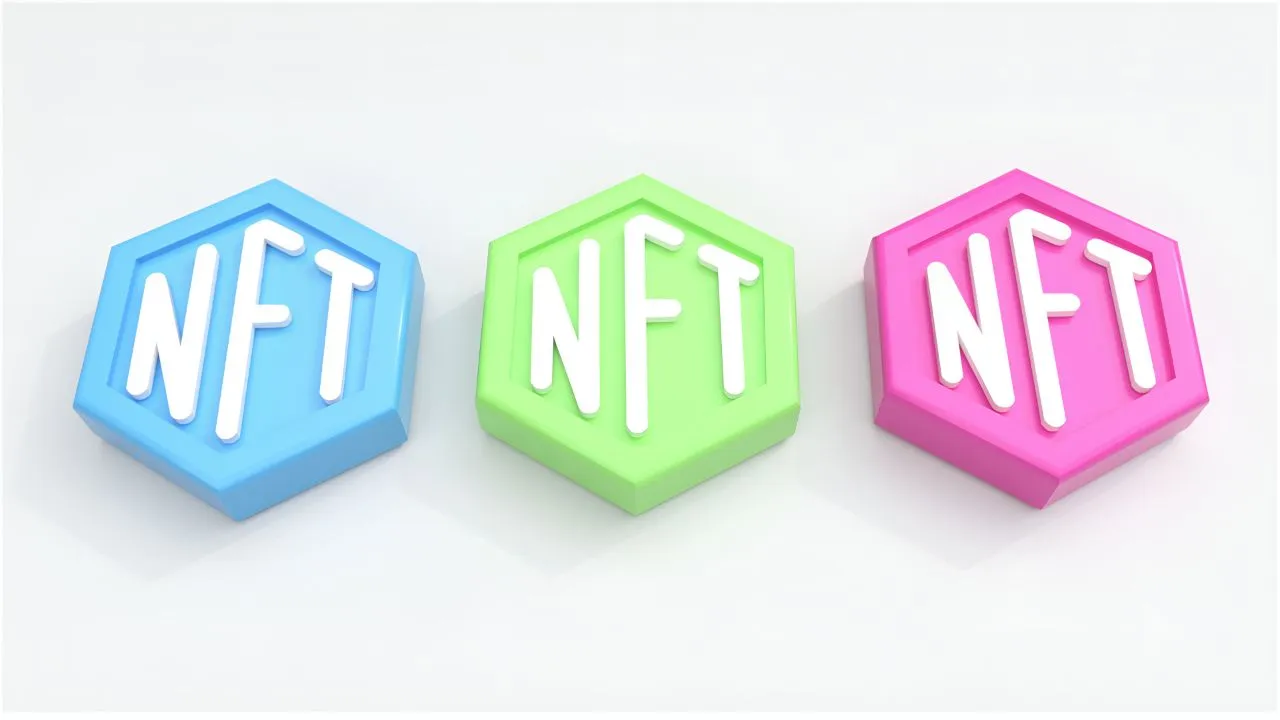
https://asset.coinness.com/en/news/97b0ed5801b7229f592fc3be546beb32.webp
Photo by Choong Deng Xiang on Unsplash

Special event for South Korean fans

This “Cosmo Sword NFTs” campaign has been launched by Com2uS Platform, backed by local fans’ voluntary participation and their enthusiasm towards the series. It has a special meaning for the fandom as it is the first time that the stars of Choushinsei Flashman are visiting Korea. The entire proceeds will be used to put advertisements on subway stations. This promotion is expected to attract a lot of fans as they can take selfies against the advertisement display or put paper notes containing messages for Flashman actors on the board. 


Fan meeting to take place in April 

The Flashman fan meeting is planned to be held on April 20 at Sky Art Hall located in Gangseo-gu, Seoul. The event will feature seven actors and actresses from Flashman, including Tarumi Tota who starred as “Red Flash,” a main protagonist, and Hagiwara Sayoko who performed as the villain “Ray Nefel.” Participants will be able to enjoy on-site giveaway events and collective exhibitions. 


Blockchain-enabled event tickets 

Fan-meeting NFT tickets can be exclusively purchased from X-PLANET, an NFT marketplace. VIP seats have already been sold out. The NFT tickets utilize blockchain technology which allows only ticket buyers to enjoy the show. They are resistant to forgery or counterfeiting since every process from purchasing to admission is recorded onchain, keeping scalpers at bay. 


Run by Com2uS Platform, X-PLANET strives to showcase various artworks in the realms of games and K-pop to NFT enthusiasts in the global Web3 market. The platform is committed to producing high-quality NFT content in collaboration with skillful artists and various organizations.



More to Read
View All
Policy & Regulation·

May 03, 2023

Korea’s Changwon City Boosts Local Art Scene with NFTs

Korea’s Changwon City Boosts Local Art Scene with NFTsOn Monday, South Korea’s Changwon City announced its plan to support local artists by promoting their work through non-fungible tokens (NFTs). This initiative aims to help artists adapt to the rapidly changing fine art industry, driven by state-of-the-art technology, and stay current with the latest trends.NFT ART in ChangwonThis project “NFT ART in Changwon” came to life after the city partnered with MetaGalaxia, a Korean NFT marketplace, earlier this year.Jung Hyun-sub, head of the city’s culture, tourism, and sports division, has encouraged local citizens to participate in the project and emphasized the city’s commitment to fostering the NFT industry, starting with a focus on local artworks.15 artistsThe application process for the project will run from May 1 to May 30, and 15 artists will be selected. Eligible applicants must be Changwon residents who have either majored or are currently majoring in fine arts or have publicly exhibited their artwork.Artists can submit various forms of artwork that can be turned into NFTs, including paintings, photographs, and videos. Those selected will benefit from registration as NFT artists on MetaGalaxia, digitization of their original artworks into NFTs, and promotion of their artworks and profiles across various social media platforms.© Pexels/Dom J

news
Policy & Regulation·

Oct 29, 2025

EU bans Ruble-backed stablecoin A7A5 in latest round of Russia sanctions

The European Council has banned all transactions within the European Union (EU) involving the Russian Ruble-backed stablecoin A7A5, according to a press release published Oct. 23. The prohibition targets the stablecoin itself, its developer, its Kyrgyzstan-based issuer, and the operator of a platform that facilitates major A7A5 trades. The package also takes aim at Russian crypto exchanges.Photo by Christian Lue on UnsplashAdditional banking restrictionsThis measure is part of a broader set of economic sanctions against sectors the EU stated assist the Russian invasion of Ukraine, including energy, finance, and defense industries. As part of this financial clampdown, the EU will also impose a ban on five additional Russian lenders starting Nov. 12. One of those lenders, Alfa-Bank, recently began offering Bitcoin buying and selling services, according to an X post by journalist Pete Rizzo. The European body said the new crypto measures address Russia’s increasing use of digital assets to circumvent existing sanctions. Russian banks were cut off from the SWIFT international payment system in early 2022, following the onset of the Russo-Ukrainian war. Reports of Russia using cryptocurrency to finance malign activities have surfaced previously. Earlier this month, Sławomir Cenckiewicz, the head of the Polish National Security Bureau (BBN), told the Financial Times that Russia has employed crypto to finance attacks on EU countries. Cenckiewicz said that a network of agents recruited by Russia’s GRU military intelligence agency and uncovered in Poland in 2023 had been substantially funded with cryptocurrency. Reflecting this concern, lawmakers in Poland’s lower house approved a bill in September to strengthen national crypto oversight, a move also expected to help curb Russian funding channels. Cenckiewicz noted that Polish intelligence agencies are closely monitoring the legislation to prevent loopholes that allow foreign actors to support agents using digital assets. Russia’s evolving crypto policyThe EU’s action comes as Russia itself is attempting to refine its own cryptocurrency rules. According to the Moscow Times, Russia's central bank wants to limit cryptocurrency use strictly to cross-border payments within an experimental legal regime (ELR). The institution continues to reject recognition of cryptocurrency as a legal means of payment and has advocated banning its use for domestic payments and retail investment, while permitting trading only for high-net-worth individuals through licensed platforms. Russia’s finance ministry has expressed a more flexible view, pointing to the scale of crypto adoption among the public. Earlier this year, the central bank estimated that domestic crypto transactions exceeded 1 trillion rubles (about $12.4 billion) per month, and that as of March, wallets linked to Russian users held roughly 827 billion rubles (about $10.2 billion). The finance ministry and the central bank have agreed to tighten supervision of the crypto market, with officials expecting to finalize the new framework before the end of the year. 

news
Policy & Regulation·

Mar 05, 2024

Indonesia mulls crypto tax policy review

Indonesia's cryptocurrency regulatory body is urging the government to reconsider its tax policies concerning digital assets. Officials from Indonesia’s Commodity Futures Trading Supervisory Agency (Bappebti) argued last week that the imposition of double taxation on crypto transactions warrants a reevaluation. That’s according to a report which appeared in local news source, Bisnis Indonesia, a Jakarta-based daily newspaper. Currently, cryptocurrencies in Indonesia are classified as commodities, subjecting them to a value-added tax (VAT) of 0.11% and an income tax of 0.1%.Photo by Bisma Mahendra on UnsplashProposed changes in 2025Tirta Karma Senjaya, the head of Bappebti, the Indonesian Commodities and Futures Trading Regulatory Authority, highlighted that the classification of cryptocurrencies as commodities might undergo changes in 2025. This potential shift is due to the planned transfer of crypto oversight from Bappebti to the Southeast Asian country’s financial services authority, OJK.It had been speculated that the switch of oversight would potentially reclassify digital assets as securities. With that change would come a necessary adjustment to the applicable tax policy. Tirta suggested that given that cryptocurrencies are expected to be integrated into the financial sector by January 2025, he urged the Tax Director General to reconsider these tax rates. The regulatory body head added that it’s been over a year since the implementation of these rules. With that, tax policies typically undergo annual reviews. Accommodating crypto’s developmental stateAddressing an event in Jakarta, the regulatory body head emphasized the nascent stage of the crypto industry and its regulatory framework. Consequently, he advocated for providing the industry with leeway to mature until it becomes a substantial contributor to national revenue. In response to Bappebti's call for a reassessment of crypto taxes, Dwi Astuti, a spokesperson for the Ministry of Finance, assured that the Ministry would consider input from both industry stakeholders and the public. "We welcome input from Bappebti and the public. It will certainly be discussed internally," remarked Astuti during a media interaction last week. 2023 crypto tax take slumpThe existing tax structure for cryptocurrencies has been in effect since April 2022, generating approximately $2.49 million in revenue in January 2024. In contrast, Indonesia recorded $41.2 million in crypto tax revenue in the previous year. However in 2023, the country witnessed a decline of 63% in crypto tax revenue compared to the previous year, despite Bitcoin's remarkable surge of approximately 160% during that period. Local crypto exchanges such as INDODAX had attributed the significant drop in trading volume throughout 2023 directly to hefty taxes, expressing concerns that it would drive users towards foreign exchanges. Hasan Fawzi from the Ministry of Finance highlighted the trend of decreasing crypto asset transaction values in 2023. Nonetheless, he noted that the number of crypto asset customers continued to rise, reaching 18.06 million users throughout the year. The crypto sector is seen as having a lot of potential in Indonesia. Last October data released by Bappebti suggested robust growth of the crypto investment landscape within the country. Over the space of a year, Indonesia had seen a 10.1% growth in the number of crypto investors. That data may not have been lost on the country’s politicians as in December, crypto featured as an election campaign issue.

news
Loading