Top

Thailand greenlights U.S. spot Bitcoin ETF access

Policy & Regulation·March 13, 2024, 8:35 AM

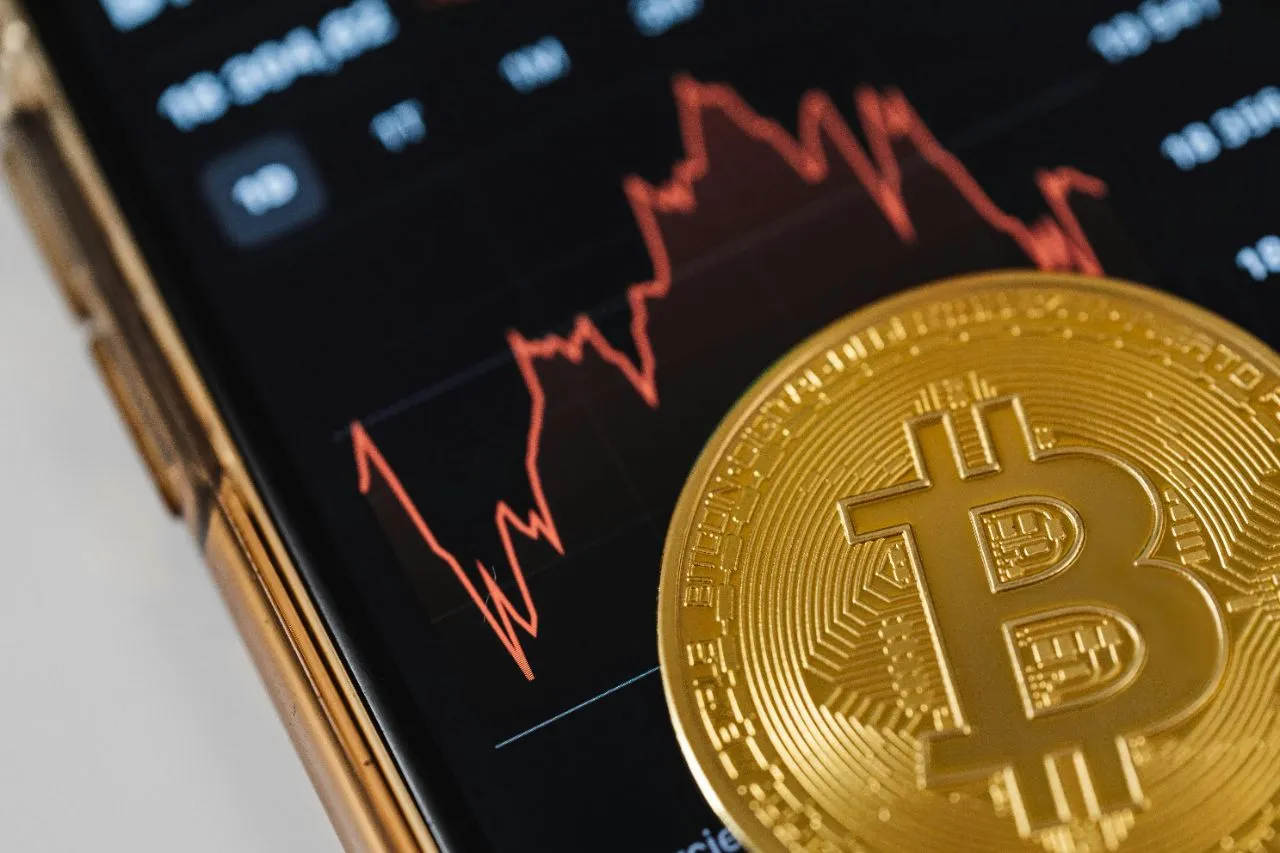
The decision by U.S. regulators to approve spot Bitcoin exchange-traded funds (ETFs) in January appears to be having some knock-on effects, with the latest such response seeing the Thai authorities enable access to such products for institutional investors and ultra-high-net-worth individuals within Thailand.
https://asset.coinness.com/en/news/82fef656e7d5a9134b98a041ff4b2a5e.webp
Photo by Karolina Grabowska on Pexels

Meeting a growing demand

According to a report in the Bangkok Post on March 12, Thailand’s Securities and Exchange Commission (SEC) has agreed that Thai asset management firms may manage and offer funds that incorporate investment in U.S. spot Bitcoin ETF products. The decision was arrived at following a recent SEC board meeting.


The SEC's decision reflects a strategic response to the growing demand for digital asset exposure among institutional investors. It would appear that spot Bitcoin ETF approval in the United States has bolstered investor confidence in this investment instrument on an international basis.


Urging caution

Despite the opportunities this presents for institutional investors, the SEC has emphasized caution, citing the high-risk nature of digital asset investments. SEC Secretary-General Pornanong Budsaratragoon verbalized that need for caution, stating:


"Asset management firms asked the SEC for them to have exposure in digital assets, especially Bitcoin and spot Bitcoin ETFs, but we need to consider carefully whether to allow asset management firms to invest in digital assets directly due to the high risk.”

It’s interesting to note that in an immediate response to the approval of these products in the United States in January, Thailand’s SEC clarified that it had no plans to allow asset management firms to launch similar products within Thailand. For the moment at least, it seems that demand will be satisfied by accessing products that have gained exposure to U.S. spot Bitcoin ETFs instead.


Retail investors excluded

While this move expands the investment landscape for institutional players, retail investors in Thailand find themselves sidelined due to regulatory restrictions. The amended regulations primarily cater to accredited investors, leaving retail participation in spot Bitcoin ETFs out of reach.


This exclusion contrasts with the popularity of retail crypto trading in Thailand, albeit within regulated boundaries. Recent government regulations have both facilitated and restricted certain crypto activities.


Thailand's move aligns with broader trends in the cryptocurrency sector, with several countries, including South Korea and Hong Kong, exploring opportunities in the space. In Hong Kong, regulators are currently processing applications for Bitcoin ETFs, with several financial institutions expressing interest in introducing spot Bitcoin ETFs.


Just like the Thai authorities, the governor of the Royal Bank of India (RBI) had also responded in the aftermath of product approval in the U.S. stating that he didn’t favor the approval of such products in India. Despite that, news emerged on March 11 that Indian crypto investment platform Mudrex is planning to meet demand by providing clients with access to these U.S. products.


As institutional investors gear up to capitalize on this opportunity in Thailand, the regulatory framework surrounding digital assets will continue to shape market dynamics, both domestically and internationally.


More to Read
View All
Web3 & Enterprise·

Jun 05, 2023

NFTs to Enrich Reading Experience for Book Lovers in Japan

NFTs to Enrich Reading Experience for Book Lovers in JapanBook lovers in Japan are soon going to be able to enjoy an enhanced reading experience with the introduction of electronic books based on non-fungible tokens (NFTs). Media Do, an ebook distributor based in Tokyo, has partnered with Hayakawa Books & Magazines to publish a series of five NFT-based ebooks. The first lineup is scheduled for release on June 20, 2023.Photo by Hiroshi Tsubono on UnsplashTraditional and digital publishingThis collaboration is noteworthy as it merges the world of physical paper books with digital editions, making it the first-ever initiative to create non-fungible token (NFT) copies of traditional books. By bridging the gap between traditional and digital publishing, readers can now enjoy the benefits of both formats.These NFT-based ebooks offer readers the convenience of accessing and reading them through smartphone apps, while also serving as proof of ownership for each book. Media Do’s NFT platform, FanTop, will facilitate the trading of these NFTs, creating a marketplace for enthusiasts to buy, sell, and collect these unique digital editions.Copyright owner supportWhat sets FanTop apart is its dedication to supporting authors. Each NFT transaction on FanTop will result in a fee paid to the copyright owners, ensuring they receive fair compensation for their valuable work. Connecting more than 2,200 publishers and 150 ebook stores, Media Do aims to develop FanTop into a platform that consistently provides fair and appropriate incentives to copyright owners, including authors and publishing houses.Enriched reading experienceMoreover, these NFT-based ebooks will elevate the reading experience by offering exclusive content such as alternative endings, commentaries, and guidelines. NFT ebooks possess a unique ability to incorporate videos and music, thereby enriching the reader’s understanding of the original text and immersing them in the world of the work. In the future, NFT ebooks may even include licensed works such as films or music that inspired the author during the writing process. This additional value will fuel demand in the secondary market, including trading on FanTop.Empowering creatorsFanTop aims to establish itself as a non-speculative platform that focuses on distributing valuable content. It is dedicated to empowering creators, allowing them to exercise autonomy in determining specific trading details for their works. This includes the ability to set royalties and other parameters that align with their preferences and goals.Higher books sales with NFTsSince October 2021, FanTop has been offering exclusive NFT materials to promote sales of paper books. This initiative has allowed readers to enjoy the digital versions of their books on FanTop. As of March 2023, the sales of about 100 works, which included NFT copies, were 32% higher than their original editions within 30 days of release. Their average sales price was also 31% higher than their original counterparts. Media Do has been collaborating with over 70 companies, including publishers, to plan and develop content with NFT-based books.

news
Policy & Regulation·

May 10, 2024

HKMA forms working group to establish tokenization standards

The Hong Kong Monetary Authority (HKMA) has outlined that it has established a community initiative relative to its recently launched Project Ensemble tokenization market development effort. 'Project Ensemble Architecture Community'In a press release on May 7, the Hong Kong regulator set out the establishment of the “Project Ensemble Architecture Community.” Project Ensemble was launched two months ago on March 7. At the time, the regulator described the project as “a new wholesale central bank digital currency (wCBDC) project to render support to the development of the tokenisation market in Hong Kong.” The HKMA is trying to create an environment in which it can “develop standards” for the emerging tokenization market, with particular emphasis on the use of a wholesale central bank digital currency (wCBDC). The Chinese autonomous territory’s central bank has launched the “Project Ensemble Architecture Community,” with a view towards supporting interoperability between a wholesale CBDC, tokenized money and tokenized assets. The HKMA has outlined the community's primary objective, stating it aims to provide recommendations on various topics, with initial emphasis on devising a mechanism to facilitate seamless interbank settlement of tokenized deposits through wCBDC for tokenized asset transactions.Photo by Jimmy Chan on PexelsPublic and private sector participantsFurthermore, the working group intends to support the design and execution of Project Ensemble. Notable participants in the "Architecture Community" include the HKMA itself, Hong Kong’s other financial regulator, the Securities and Futures Commission (SFC), the BIS Innovation Hub Hong Kong Centre, the CBDC Expert Group and seven private sector entities.  Among these are Bank of China (Hong Kong), Hang Seng Bank, HSBC, Standard Chartered Hong Kong, HashKey Group, Ant Digital Technologies and Microsoft Hong Kong. Hashkey Group owns one of two Hong Kong-regulated cryptocurrency exchanges, HashKey Exchange. It also runs a brokerage, asset manager and tokenization platform, amongst other entities. Ant was recently involved in a tokenized deposit trial with HSBC. Regulatory sandboxOne of the first matters on the agenda for the newly-formed Community is to make recommendations about using a wCBDC for interbank settlement of tokenized deposits. Following that, the project plans to work towards the design and implementation of the Project Ensemble Sandbox which will launch in the coming months. The HKMA has been actively testing its CBDC and commenced the second phase of the e-HKD pilot in March. This phase of the pilot program is slated to extend until mid-2025. The journey towards exploring CBDCs in Hong Kong dates back to 2017, with the authorities intensifying their focus on researching a potential e-HKD in 2021, spanning both wholesale and retail levels. With the participation of key stakeholders from both the public and private sectors, including leading financial institutions and technology firms, the initiative appears to be well-positioned to drive innovation and address the evolving needs of the financial industry in Hong Kong.

news
Policy & Regulation·

Dec 13, 2023

NFTs not subject to South Korea’s Virtual Asset User Protection Act

NFTs not subject to South Korea’s Virtual Asset User Protection ActIn anticipation of the Virtual Asset User Protection Act coming into effect in July of next year, the South Korean Financial Services Commission (FSC) has issued an advance notice regarding its subordinate statutes.Photo by Ethan Brooke on UnsplashSeven specific provisionsThe subsidiary regulations under the Act detail seven specific provisions aligned with the Act’s objectives. Firstly, assets categorized as electronic securities, mobile vouchers, deposit tokens backed by the Bank of Korea’s central bank digital currencies (CBDCs) and non-fungible tokens (NFTs) will not be classified as virtual assets and hence, not regulated by this Act. However, in instances where NFTs are used as a means of payment for specific goods or services, they will be regarded as virtual assets.Secondly, banks will take responsibility for managing the deposits of users on cryptocurrency exchanges. This aligns with the Act’s requirement for virtual asset service providers (VASPs) to keep users’ funds separate from their own, either by depositing them in, or entrusting them to, reputable institutions. Under these regulations, banks are required to manage users’ assets in a manner consistent with how investors’ deposits are handled under the Capital Markets Act. This means that banks are allowed to invest VASP users’ assets only in secure instruments, such as state and local government bonds, and are also obligated to pay fees to deposit owners, taking into account the yields of these investments.80% of user assets in cold walletsThe third key aspect of the regulations is that VASPs are required to store a minimum of 80% of user assets in cold wallets, which are not connected to the internet. This is higher than the current requirement of 70%, enhancing the security measures for users of virtual assets. To calculate the total value of a virtual asset at any given time, its total supply is multiplied by its average daily price over the past year. VASPs are obligated to assess the value of virtual assets every month.The fourth regulation mandates that VASPs must enroll in an insurance plan, contribute to a rainy day fund or accumulate reserves. This is to ensure they can fulfill their compensation responsibilities in the event of incidents like security breaches or technical failures. The required preparation amount is set at a minimum of 5% of the user assets stored in hot wallets, as these are more susceptible to risks. VASPs are required to update their compensation thresholds or reserves monthly and must take any necessary actions to comply with these requirements by the next working day following the update.Information disclosure guidelinesAnother regulation addresses the issue of insider trading in the context of the virtual asset market. Under the current Capital Markets Act, information is considered disclosed when it’s made available through disclosure systems of the FSC or the Korea Exchange (KRX). However, since the cryptocurrency market lacks a similar system, the new statute provides criteria for determining when information is deemed disclosed.For instance, if a VASP, including exchanges, releases crucial information about a virtual asset on an exchange and six hours pass, that information is regarded as disclosed. This acknowledges the non-stop nature of the crypto market. Moreover, information disclosed post 6 p.m. is treated as officially disclosed after 9 a.m. the next day.Additionally, if a virtual asset issuer publishes significant information about its token on a website hosting its white paper, the information is deemed public after one day. This is conditional upon the website being publicly accessible and having consistently provided important token information for the preceding six months.These rules aim to provide clarity and fairness in information disclosure in the crypto market, adapting the principles of traditional financial markets to the unique dynamics of virtual assets.No arbitrary suspension of transactionsThe sixth regulation restricts VASPs from arbitrarily halting deposits and withdrawals of virtual assets unless there are justifiable reasons for such actions. Acceptable circumstances for suspending these transactions include situations where the VASP experiences a technical disruption in its system, where regulatory authorities instruct a VASP to cease deposits and withdrawals or where cyberattacks or similar incidents have occurred or are clearly imminent.Lastly, virtual asset exchanges are required to monitor for abnormal transactions continuously. These are transactions that show substantial shifts in the prices or trading volumes of virtual assets, particularly in response to news or rumors that could influence cryptocurrency prices. If VASPs suspect unfair trading practices, they must report to the FSC or the Financial Supervisory Service (FSS). When there is ample evidence of such activities, crypto exchanges are obligated to notify the police or the prosecutors’ office. In addition, the financial regulator has the authority to levy fines based on the prosecution’s decisions or after completing consultations with the prosecution if a year has passed since the day of the report.During the period of advance notice, which spans from Nov. 11 to Jan. 22, the FSC will seek comments from relevant organizations, experts and businesses. This process is aimed at refining the rules and regulations subordinate to the Virtual Asset User Protection Act. Moving forward, the financial authorities plan to publish a set of guidelines and Q&A materials and conduct explanatory sessions, with the goal of ensuring a smooth implementation of the Act.

news
Loading