Top

Harvest Global CEO considers offering BTC and ETH ETFs to mainland Chinese investors

Web3 & Enterprise·May 13, 2024, 3:32 AM

Tongli Han, the CEO and CIO of Harvest Global, has expressed openness to the possibility of applying to offer Bitcoin and Ether exchange-traded funds (ETFs) to mainland Chinese investors through the Stock Connect program. This consideration is contingent on favorable developments in the next two years. Harvest Global, along with China Asset Management (ChinaAMC) and Bosera HashKey, recently launched Asia's first spot Bitcoin and Ether ETFs on the Hong Kong Stock Exchange, aligning with Hong Kong's ambition to establish itself as a global cryptocurrency hub. Han's remarks were delivered during the Bitcoin Asia conference in Hong Kong, underscoring the potential for expansion into the mainland Chinese market.

https://asset.coinness.com/en/news/b30e5932dab3fbec0f0d677274c3a5c4.webp
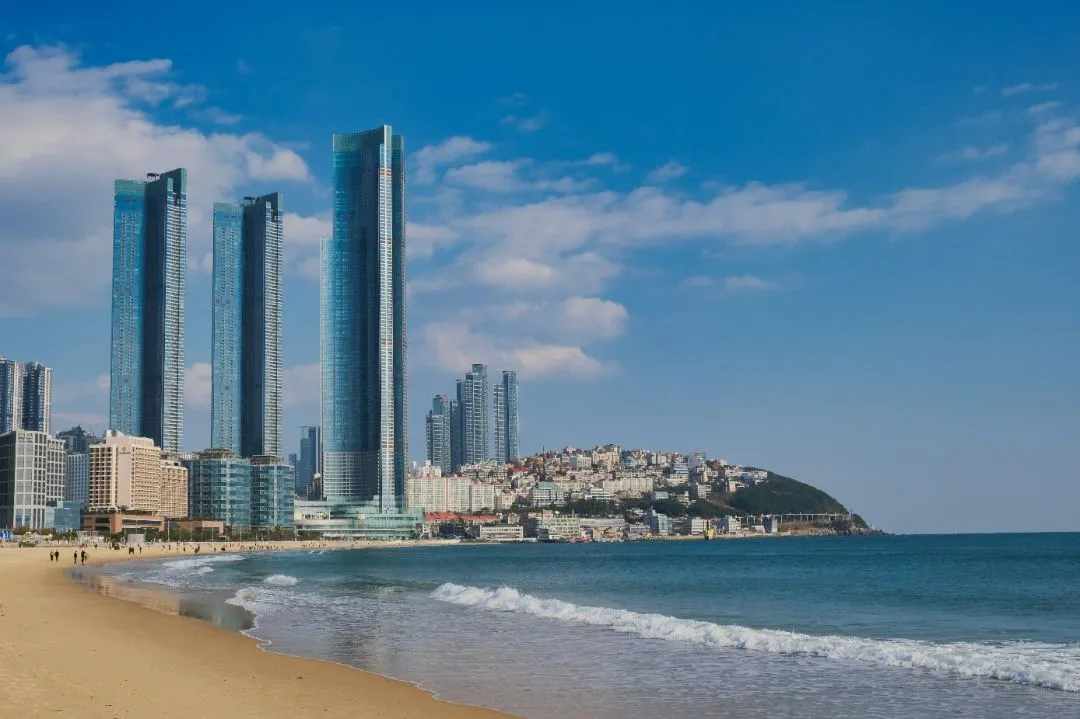
Photo by Jimmy Chan on Pexels

Uncertain regulatory landscape and growth prospects

Despite the introduction of spot crypto ETFs in Hong Kong, uncertainty looms over mainland Chinese investors' access to such products through the Stock Connect program. China's regulatory stance towards the cryptocurrency industry remains stringent, with most commercial crypto activities prohibited on the mainland. While there is speculation regarding the potential inclusion of crypto ETFs in the eligible securities list of the Stock Connect program, approval remains uncertain. The debut of Hong Kong's spot crypto ETFs recorded modest trading volumes compared to their U.S. counterparts, signaling a cautious start. However, Han anticipates the potential for growth in the Asia region, envisioning the Hong Kong ETFs to potentially double the size of their U.S. counterparts. Despite differing opinions on growth prospects, market observers highlight challenges such as the relatively small size of the Hong Kong ETF market and restrictions on mainland Chinese investors' participation, underscoring the complexities facing the expansion of crypto ETFs in the region.

 

More to Read
View All
Policy & Regulation·

Nov 22, 2023

Crypto vulnerability uncovered with $1B in digital asset exposure

Crypto vulnerability uncovered with $1B in digital asset exposureSecurity vulnerabilities in the validator infrastructure of InfStones, an established infrastructure provider, have been disclosed by Tel Aviv-headquartered cybersecurity firm dWallet Labs.Photo by Brett Jordan on UnsplashBlockchain network validator vulnerabilityIn a detailed Medium blog post published on Tuesday, dWallet Labs shed light on a series of vulnerabilities that, when exploited, could potentially allow attackers to gain full control, execute code and extract private keys from numerous validators on major blockchain networks. Cryptocurrencies such as ETH, BNB, SUI, APT and others were identified as at risk, with potential direct losses estimated to exceed one billion dollars.The vulnerabilities discovered by dWallet Labs opened the door for attackers to compromise the private keys of validators across multiple blockchain networks, putting over one billion dollars of staked assets at risk. In response to the findings, InfStones, a Web3 infrastructure platform, also released a statement on Tuesday acknowledging the potential threat. However, its representative, Darko Radunovic, disputed the figures provided by dWallet Labs in a statement sent to Cointelegraph. Radunovic stated that the vulnerabilities identified in the production environment account for below 0.1% of their active nodes launched to date, emphasizing that the impact would be limited to a small fraction of their operational nodes.According to InfStones, “237 instances were in scope, of which 212 instances were deployed for our development and testing purposes, and 25 freshly deployed instances in the production environment.”Mitigating steps takenThe company detailed the immediate actions taken to mitigate the vulnerabilities, including shutting down the affected ports, as well as rotating all credentials and keys within their platform. An internal review conducted by InfStones revealed no additional adverse effects. Notwithstanding that, the company took the additional step of hiring an external security firm to audit its systems and policies.Meanwhile, dWallet Labs Founder and CEO Omer Sadika shared his thoughts on the X platform as to how he believes such events should be handled. Sadika wrote:”The worst way to handle a cybersecurity vulnerability is not taking responsibility and lying. We were super open and transparent with the goal of eliminating the risk to web3. My take: it’s not about whether you are fully secure or not, because no one is, it’s about how you handle it and maintain the trust with your partners and customers.”The collaboration between dWallet Labs and InfStones sheds light on the ongoing challenges faced by the cryptocurrency industry in maintaining the security and integrity of blockchain networks. While vulnerabilities were identified and addressed, the incident underscores the importance of proactive security measures to safeguard the assets and data within the rapidly evolving landscape of digital assets.

news
Policy & Regulation·

Jun 27, 2023

Binance Weighs Up UAE Expansion Amid Regulatory Pressures

Binance Weighs Up UAE Expansion Amid Regulatory PressuresGlobal cryptocurrency exchange Binance is contemplating a strategic shift towards the Middle East as it faces regulatory challenges in the United States and Europe.Alex Chehade, the General Manager of Binance Dubai, believes that the United Arab Emirates (UAE) could emerge as a preferred destination for crypto businesses due to favorable and transparent regulations.Photo by Saj Shafique on UnsplashUAE’s regulatory certaintyChehade emphasized the UAE’s ambition to establish itself as a key player in the Web3 industry and diversify away from fossil fuels, with cryptocurrencies playing a significant role in this transition. Speaking to Cointelegraph, the local branch manager of Binance highlighted the certainty and predictability offered by the UAE’s regulatory framework, making it an attractive environment for business development.Binance MENA statistics indicate that the UAE has the highest number of cryptocurrency holders, with approximately 28% of UAE residents owning cryptocurrencies. This data highlights the significant interest and adoption of digital assets in the country.Binance obtained a Virtual Assets Regulatory Authority (VARA) license in Dubai in 2022, making it one of the first exchanges to do so. The license includes a Virtual Asset License obtained in March and a Minimal Viable Product (MVP) license secured in September. The MVP license allows Binance to offer a full range of approved digital assets and related services.Facing difficulties in the US & EuropeThis strategic consideration by Binance comes at a time when the exchange is grappling with legal issues on multiple fronts. Lawsuits filed by the Securities and Exchange Commission (SEC) and the Commodities Futures Trading Commission (CFTC) in the United States have added to the regulatory pressure. In Europe, Binance has faced challenges, including an order from the Belgian FSMA to cease operations immediately, de-registration in the UK, ongoing investigations in France, and withdrawal from the Netherlands and Cyprus.In Europe, Binance recently decided to delist privacy tokens, such as Zcash and Monero, due to changes in local anti-money laundering regulations. However, the exchange later reversed that decision on the basis that the classification of these assets has been revised to comply with legal requirements within the EU.While European officials aim to establish Europe as a hub for cryptocurrencies with the implementation of Markets in Crypto-Assets (MiCA) regulations, Binance’s actions suggest a preference for other jurisdictions.The rise in popularity of cryptocurrencies in the UAE can be attributed, in part, to the VARA. Chehade commends VARA for providing a clear regulatory framework for crypto businesses, which he believes is lacking in other regions.As Binance faces regulatory pressure in the West, the company is exploring opportunities in the Middle East, particularly in the UAE, where the regulatory framework, growing crypto community, and commitment to becoming a Web3 hub make it an attractive prospect for expansion.It is understood that Binance’s Founder and CEO, Changpeng Zhao (CZ), lives in Dubai. However the headquarters of the company has remained unclear. Originally founded in Shanghai in 2017, the firm was later moved to Tokyo and later to Malta. Perhaps the UAE will serve as the company’s base going forward.

news
Policy & Regulation·

Apr 10, 2023

Binance Headlines List of Japan FSA Warning Letter Recipients

Binance Headlines List of Japan FSA Warning Letter RecipientsJapan’s Financial Services Agency (FSA) issued a warning letter on Friday stating that several foreign cryptocurrency exchanges have been operating in the country without proper registration, thereby infringing Japan’s fund settlement laws. The regulatory authority specifically named Binance, Bybit, MEXC Global, and Bitget as the entities in question.The FSA indicated that these exchanges need to register with the agency to continue operating in Japan. Failure to comply with the registration requirements would result in enforcement actions by the FSA, which could include the suspension of their operations in the country.©Pexels/David DibertUnregistered digital asset exchangesThe FSA’s warning letter detailed that the cryptocurrency exchanges mentioned had contravened Japan’s fund settlement regulations by engaging in crypto asset exchange operations without proper registration. The regulatory body emphasized that the current list of unregistered traders may not accurately reflect the current state of unregistered businesses in the country.The FSA intends to continue monitoring the market and taking appropriate regulatory measures to protect consumers and the integrity of the financial system. The agency also encouraged all unregistered operators to register with the FSA to avoid any possible enforcement actions.Clamping down on unregistered exchangesThe FSA’s recent action against unregistered cryptocurrency exchanges is in line with the regulatory body’s ongoing efforts to clamp down on non-compliant operators in Japan. In 2020, the FSA introduced new regulations mandating that all crypto exchanges must register with the agency and obtain a license to operate in the country. These regulations were put in place to strengthen consumer protection and enhance the transparency of the cryptocurrency market. By taking these measures, the FSA aims to foster a more stable and secure environment for the burgeoning crypto industry in Japan.The FSA’s warning to Binance is indicative of the growing regulatory scrutiny that the cryptocurrency industry in Japan and other nations is currently facing. Regulators are increasingly concerned about the potential risks associated with unregulated cryptocurrency exchanges, such as fraud, money laundering, and market manipulation. As a result, many regulatory bodies are implementing stricter rules and guidelines to promote transparency, accountability, and consumer protection in the cryptocurrency market.These regulations aim to create a more secure and reliable environment for investors and industry participants. The FSA’s actions against Binance serve as a reminder to all market players that compliance with regulatory requirements is critical for the long-term success of the cryptocurrency industry.Global regulatory variationWhile Japan is taking steps to implement new regulations for the cryptocurrency and Web3 sectors, the country has not been as stringent in its approach as some other major economies, such as the United States. However, this does not mean that regulators in Japan are not actively monitoring the industry and taking appropriate action where necessary.One example of such action is the recent lawsuit filed by the US Commodity Futures Trading Commission against the popular crypto exchange firm, Binance, and its founder, Changpeng Zhao, over regulatory violations. This highlights the fact that regulatory bodies in different parts of the world are taking a more proactive approach to monitoring the cryptocurrency industry.Moreover, the FSA in Japan issued a formal warning letter to Binance in 2021 for operating without the necessary permissions. This is an indication that the regulatory landscape in Japan is evolving, and that crypto exchanges must comply with the relevant regulations to avoid potential legal repercussions. While the severity of regulatory measures may differ across different jurisdictions, the message is clear: compliance is crucial for the long-term viability of the cryptocurrency industry.

news
Loading