Top

Suspects emerge in Taiwan in ongoing JPEX scandal fallout

Policy & Regulation·November 10, 2023, 12:43 AM

In the ongoing saga surrounding the collapse of Dubai-headquartered cryptocurrency exchange JPEX, Taiwanese prosecutors have identified new suspects, marking a significant development in the case.

The Taipei District Prosecutors Office (TDPO) has requested the custody of Chang Tung-ying, chief partner at JPEX’s Taiwan office, over allegations of fraud. That’s according to a report by local TV channel TVBS News on Thursday.
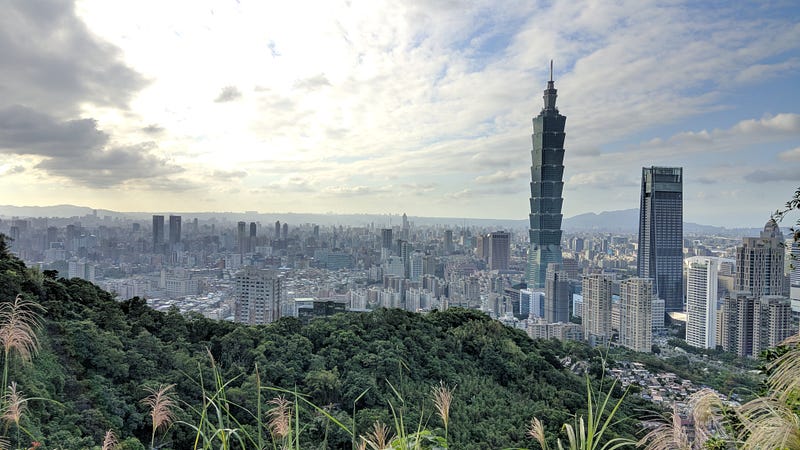
Photo by Ricky Zeng on Unsplash


Money laundering and Banking Act violations

This latest development brings a new twist to the scandal, which has largely been playing out in the Chinese territory of Hong Kong. The TDPO reportedly conducted searches at nine locations linked to the JPEX investigation. Chang, along with three other individuals, including JPEX lecturer Shih Yu-sheng (also known as Shi Yu), was summoned by the authorities. Chang and Shih are being investigated for violations of the Banking Act and the Money Laundering Control Act.

During the investigation, JPEX salespersons Liu Chien-fu and Niu Keng-sheng were released, with Liu being granted bail of 50,000 New Taiwan dollars ($1,550). Niu, the registered person in charge of JPEX Taiwan, was released after questioning.


Celebrity promoter focus

The report also revealed that Nine Chen, a Taiwanese celebrity and singer who previously served as a brand ambassador for JPEX, was summoned by prosecutors. He has cooperated with law enforcement in the role of a witness to the alleged fraud who has testified to illicit activity carried out by the platform. However, it is now understood that recent events have developed such that Chen is now being treated as a defendant.

This action resonates with actions taken by the authorities in Hong Kong some weeks ago in the earlier stages of investigation into this affair. In September, one of the first actions taken by Hong Kong law enforcement was the arrest and detention of social media influencer and former lawyer Joseph Lam, known to followers as “Jolamchok” on the Instagram platform.


Alleged liquidity crisis

JPEX, once a successful crypto exchange, abruptly halted some services in mid-September, citing a liquidity crisis triggered by alleged “unfair treatment” from institutions in Hong Kong. The sudden implosion led to accusations of misleading investors regarding the application for a crypto trading license and other issues.

The scandal surrounding JPEX has escalated into a major industry concern, prompting investigations by Hong Kong authorities. Over 2,000 complaints from JPEX users, reporting losses of nearly $180 million, have triggered significant regulatory attention.

As investigations progressed in Hong Kong, the authorities took the decision to block access to the platform, with the platform responding by advising customers to circumvent this restriction through the use of a virtual private network (VPN).

As of September 25, law enforcement has arrested at least 11 alleged suspects in the JPEX case, while the alleged masterminds remain at large. At that time, Hong Kong’s Securities and Futures Commission (SFC) pledged to renew its efforts to combat unregulated crypto platforms in Hong Kong.

A survey conducted by the Hong Kong University of Science and Technology (HKUST) business school has indicated that the affair has had a negative impact on public sentiment towards crypto more recently.


More to Read
View All
Policy & Regulation·

Jun 16, 2023

New York Bans CoinEx While Seizing Crypto Assets

New York Bans CoinEx While Seizing Crypto AssetsCoinEx, a Hong Kong-based cryptocurrency exchange, has been banned from operating in the US state of New York by Attorney General Letitia James. The ban comes after the exchange allegedly failed to register as a securities and commodities brokerage and falsely represented itself as an exchange.Photo by Jan van der Wolf on Pexels$1.7 million seizureThat’s according to a statement published by the Office of the New York State Attorney General on Thursday. As part of an agreement reached between the parties, over $1.7 million worth of CoinEx’s funds have been seized.Under the terms of the agreement, approximately $1.1 million will be returned to 4,691 investors from New York, and an additional $600,000 will be paid in penalties to the state. To prevent access by New York IP addresses, CoinEx must implement geo-blocking. Moreover, the exchange is forbidden from creating new accounts for customers based in the United States.Trade prohibitionThis recent development resolves a lawsuit filed against CoinEx in February by the New York state. The state accused the exchange of misleading investors and failing to register with local authorities. In accordance with the consent order, CoinEx is now prohibited from offering, selling, or purchasing securities and commodities in New York and cannot make its platform available in the state.James emphasized the consequences for crypto companies that disregard New York’s laws and put investors at risk. The agreement serves as a warning that her office will continue to crack down on such companies. CoinEx users have a 90-day period to recover their crypto funds directly from the exchange.After this period, eligible investors can request fiat currency refunds by emailing coinexrefund@ag.ny.gov. Refunds will be provided in cryptocurrency or cash equivalents held in accounts as of April 25.CoinEx faced a lawsuit in the New York Supreme Court on February 22, where Attorney General James alleged that the exchange engaged in fraudulent practices and violated the state’s Martin Act, known for its strict anti-fraud provisions. The complaint included tokens such as Amp, LBRY Credits (LBC), Rally (RLY), and Terra.Harsh stanceThe banning of CoinEx in New York highlights the regulatory scrutiny surrounding cryptocurrency exchanges and the importance of compliance with local laws and regulations. On the one hand, the enforcement actions taken by authorities aim to protect investors and ensure the integrity of the financial system.However, the state of New York has been particularly harsh in its dealings with crypto companies. As today’s statement reveals, the New York Attorney General has taken action previously against crypto exchange Kucoin, crypto lending platform Nexo, and USDT stablecoin issuer Tether.These actions tie in with the current anti-crypto regulatory pushback that prevails in the United States right now. Other state agencies, including the Securities and Exchange Commission (SEC) who last week sued global crypto exchanges Coinbase and Binance, the Federal Reserve, the Department of the Treasury, and the Federal Deposit Insurance Corporation (FDIC), have all conspired to crack down on the industry in the US in recent months.

news
Web3 & Enterprise·

Jan 19, 2024

STELSI and Young Architects Forum Korea to host 38th Young Architects Forum in Seoul next week

The 38th Young Architects Forum, which will explore the integration of metaverse technology into architecture, is set to take place next Thursday at the Weple NFT Gallery building in Yongsan-gu, Seoul, according to an official announcement on Friday (KST). Co-hosted by STELSI, a Build-to-Earn (B2E) decentralized metaverse project, and the Young Architects Forum Korea, the event will revolve around the theme “Beyond Realms: Architectural Odyssey in the Metaverse Era,” hosting experts from the architecture industry and anyone interested in the topic. Photo by Redd F on UnsplashArchitectural imperatives in the era of Web3In particular, the forum will delve into the impact of the Fourth Industrial Revolution and blockchain technology on AI architecture and the metaverse. A crucial consideration in this topic is the role that architects must play in an unprecedented era of Web3, namely promoting creativity while determining ethical boundaries through collaboration and sharing of ideas. Another point for discussion will be expanding diversity and the possibilities in architecture by tapping into advancements in digital technologies. STELSI is a decentralized metaverse island that provides a realistic and intuitive extended reality (XR) experience where users can design, construct and manage buildings. Built with the 3D creation tool Unreal Engine, it aims to support the seamless application of blockchain technology across different sectors of the construction industry, including architectural planning and design, construction and real estate. The platform also runs on a native token called STELSI, which users can earn by staking building NFTs. The event’s other organizer, the Young Architects Forum Korea, was established in 2011 with a mission to boost the presence of young architectural visionaries in South Korea. The forum provides opportunities for them to leverage their talents and expertise to contribute to societal advancement. In addition to the Young Architects Forum, it also hosts other events like exhibitions, cooperative projects and seminars. Professionals uniteSpeakers set to attend include STELSI CEO Ryan Shim, CSO and Co-Founder of IoTrust Yoo Min-ho, CCO of jpa. JUNGLIM Architecture Kim Kyung-hoon and more. Firms like blockchain news outlet Tokenpost, LandFi metaverse OrbCity and Wepin Wallet are also sponsoring the event. STELSI stated in its announcement that the forum aims to “provide a unique space for architects who perceive the world differently, transcending dimensions.”

news
Policy & Regulation·

Sep 06, 2023

Japan’s FSA Proposes Tax Exemption for Unrealized Crypto Gains

Japan’s FSA Proposes Tax Exemption for Unrealized Crypto GainsThe Financial Services Agency (FSA) of Japan has taken the step of putting forward amendments that provide a notable tax exemption for unrealized gains on cryptocurrency holdings.Photo by Erik Eastman on UnsplashFSA proposalThe move is significant in that it spares domestic companies from the standard 30% corporate tax rate typically imposed on digital assets up until now. According to reports in local media, that proposal was detailed in a comprehensive 16-page document outlining various regulatory modifications.The most pivotal change within this document is the exemption of domestic companies from the annual “unrealized gains” tax on cryptocurrencies. Unlike some countries that only tax crypto assets when they are converted into fiat currency, Japan currently enforces an annual tax on these digital assets.2023 tax reform agendaThe proposed amendment has garnered support from the Ministry of Economy, Trade and Industry, indicating its potential passage. These discussions are part of Japan’s broader tax reform agenda for 2023, suggestive of the Asian nation’s interest in fostering a favorable environment for the blockchain and cryptocurrency industries.It is important to note that this tax exemption applies exclusively to companies that issue their own tokens and does not extend to entities solely involved in investing in other digital currencies. Additionally, individual crypto investors will still be subject to a maximum income tax rate of 55% on earnings exceeding JPY 200,000 ($1,355) related to cryptocurrency, categorized as “miscellaneous income.”The exemption is structured in a way that excludes these digital coins when assessing a company’s asset market value, provided specific conditions are met. Presently, Japanese law mandates that companies holding crypto assets must pay taxes on unrealized gains at the end of each tax period.To qualify for the tax exemption, a company must meet specific criteria outlined by the tax authority. Firstly, the company must be the issuer of the cryptocurrency in question. Additionally, it must retain continuous ownership of the crypto asset after issuance, while the asset itself remains subject to transfer restrictions.Blockchain ambitionsThis development aligns with Japan’s broader ambition to nurture and expand its blockchain and cryptocurrency sectors. Prime Minister Fumio Kishida recently articulated a vision for a “new form of capitalism,” emphasizing the importance of fostering innovation and growth in emerging industries, inclusive of the Web3 sector. As Japan moves forward with these changes, it signals its interest in creating a conducive environment for blockchain and crypto ventures to thrive.Over time Japan has been iteratively building a framework in respect of digital assets. In 2017 the country recognized Bitcoin as a legitimate property in accordance with the Payment Services Act (PSA). That same year, the Tax Agency classified crypto earnings as miscellaneous income. In 2020, crypto assets were included in Japan’s fund settlement law. Around the same time frame, the FSA brought in the requirement for crypto exchanges to register and obtain a license.These amendments also form part of a series of changes that the Japan Blockchain Association (JBA), an industry advocacy group, has been canvassing for. The proposed changes reflect a pragmatic approach to taxation, doing away with a paper profits taxation treatment in favor of a more progressive approach.

news
Loading