Top

Coins.ph Suffers 12M XRP Exploit

Policy & Regulation·October 24, 2023, 12:15 AM

Coins.ph, a leading cryptocurrency exchange in the Philippines, is grappling with the alleged loss of over 12 million XRP tokens, valued at $6 million, in a purported exploit.

That’s according to various reports that have been emerging from the Philippines in recent days. The incident not only spotlights serious questions about the security protocols and regulatory oversight of crypto exchanges in the Philippines but it also sparked fears of an impact on market sentiment relative to the XRP unit price.
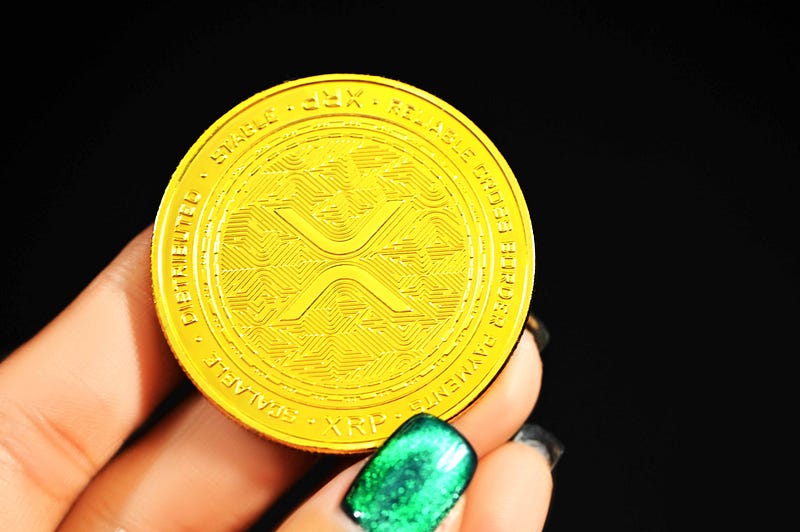
Photo by Kanchanara on Unsplash


Hacker used various platforms

The reports revealed that an exploit targeted Coins.ph, resulting in the unauthorized transfer and exchange of 12 million XRP tokens in a mere 30 minutes. The hacker behind this incident managed to navigate through various platforms, including OKX, WhiteBIT, OrbitBridge, SimpleSwap, ChangeNOW, and Fixed Float, leaving users and investors alarmed.

Coins.ph’s wallet, the focal point of the exploit, has a connection to BitGo, a California-based crypto custody firm, which initiated its activation back in 2018. At present, neither Coins.ph nor BitGo has issued any official statements regarding this reported breach.

The alleged exploit brings to the forefront once again, the importance of robust security protocols and regulatory oversight within the cryptocurrency industry in the Philippines and elsewhere. Coins.ph is a major player in the crypto sector in the Southeast Asian country, having more than 10 million users.

The hacker responsible for the exploit attempted to execute several transactions, trading nearly 13 million XRP tokens, with one transaction seemingly failing to go through. Following the successful acquisition of approximately 12.2 million XRP tokens, the hacker swiftly moved these assets to different exchanges.

Responding to the incident, some platforms promptly blocked or marked the stolen XRP tokens and sought assistance from blockchain analysis firms such as Cristal and Chainalysis. This exploit is being deemed as one of the most substantial thefts of XRP tokens in recent history.

It’s understood that WhiteBIT blocked the movement of some of the XRP that has been implicated in the hack. WhiteBIT told The Block: “WhiteBIT, as soon as received a request from the Philippines-based exchange Coins, promptly reacted and blocked 445,000 Ripple.”


XRP impact

XRP, the native cryptocurrency of the Ripple network, which primarily focuses on facilitating cross-border payments, has been grappling with its price stability in recent times. This has been largely due to the ongoing legal disputes between Ripple and the US Securities and Exchange Commission (SEC) over allegations of conducting unregistered securities offerings.

While it had been speculated initially that the hack would have impacted the XRP unit price, XRP seems to have held up well. At the time of writing, it was trading at $0.526. There has been an overall uplift in the crypto market as a whole over the course of the past 24 hours which may be a contributing factor, with digital asset market cap being up 2.7%.

As the crypto community waits for official responses from Coins.ph and BitGo, the incident serves as a stark reminder of the importance of safeguarding digital assets and enhancing regulatory oversight in an industry that continues to evolve and expand.


More to Read
View All
Web3 & Enterprise·

Jan 17, 2024

$100M funding sees HashKey unlock unicorn status

HashKey Group, the operator of one of Hong Kong's two licensed crypto exchanges, declared its newfound unicorn status on Tuesday, having successfully raised nearly $100 million in a recent funding round.Photo by Markus Winkler on UnsplashSeries A funding roundThe term "unicorn" denotes privately held companies valued at $1 billion or more, reflecting the remarkable achievement for HashKey in the rapidly evolving crypto landscape. With a valuation now surpassing $1.2 billion, HashKey positions itself as a major player in the crypto space within East and Southeast Asia. It’s leveraging its activities that span trading platforms, venture funding, wealth management and asset management in key locations like Hong Kong and Singapore. Its Singapore arm was awarded a capital markets license by the local regulator in December. Undisclosed investorsThe fundraising initiative was first reported in May of last year and later announced by HashKey in August. It attracted contributions from both existing and new investors. While the company refrained from divulging specific investor names, it referred to them as "prominent institutional investors" and "leading Web3 institutions," signaling a mix of established entities and those already at the forefront of Web3 innovation. It was previously disclosed that the company has been backed by the support of OKX Ventures, the investment arm of the well-known OKX digital asset exchange. The funds secured will serve a dual purpose – fostering the development of a robust Web3 ecosystem and supporting licensed products in Hong Kong. HashKey's diverse business arms, including asset management, a blockchain node validation service, a tokenization service, and a Web3 incubation arm, are set to benefit from the fresh capital infusion. The allocation of funds towards these ventures aligns with HashKey's strategic vision to contribute significantly to the evolving crypto ecosystem. Hong Kong hubHong Kong, eager to establish itself as a digital asset hub, has been the backdrop for HashKey's growth. The city's dedicated virtual-asset regulatory framework, introduced in June, aims to attract companies while prioritizing investor protection. Under this framework, retail investors can trade major tokens such as Bitcoin and Ether on licensed exchanges, with HashKey Exchange and BC Technology Group Ltd.’s OSL currently leading the way. Despite the optimism surrounding Hong Kong's potential as a crypto hub, uncertainties linger. The city's ability to support multiple crypto exchanges and the long-term commitment of officials to the sector remain open questions, given its susceptibility to occasional scandals. Since commencing its retail trading service in late August, HashKey Exchange has garnered over 155,000 registered users. The platform's 24-hour spot trading volume is estimated at approximately $11 million, according to CoinMarketCap data as of this writing. While this figure may pale in comparison to Binance, the world's largest crypto platform, HashKey's focus on building a resilient and user-friendly ecosystem positions it as a strong contender in the crypto industry's ongoing evolution. The successful funding round and unicorn status attained by HashKey underscore the renewed optimism in the crypto venture capital landscape. Following a market slump in 2022 and various challenges faced by crypto startups, the recent resurgence in token prices has reignited hopes for a more favorable venture capital outlook.

news
Policy & Regulation·

Jun 04, 2024

Hong Kong lawmaker criticizes strict crypto exchange regulations

Duncan Chiu, a member of Hong Kong's Legislative Council, has expressed concerns over the stringent regulations imposed on cryptocurrency exchanges by the Securities and Futures Commission (SFC). In an opinion piece for the Hong Kong Economic Journal, Chiu argued that these rigorous standards have deterred major global exchanges from entering the Hong Kong market, undermining confidence in the region's commitment to developing Web3 technologies. He highlighted the recent withdrawal of license applications by prominent exchanges such as OKX, Gate.io and HTX as indicative of the flaws in the current regulatory framework.Photo by Chapman Chow on UnsplashLicensing system and industry developmentChiu criticized the fragmented approach to policy development for Hong Kong’s virtual asset market, noting that various aspects like VATP (Virtual Asset Trading Platforms), stablecoin issuance and virtual asset over-the-counter trading are managed by different departments without strategic industry consideration. He also mentioned feedback from license applicants who feel that the authorities lack a forward-thinking vision for fintech and are applying traditional financial principles too rigidly to the dynamic and innovative sector of Web3. Furthermore, Chiu pointed out the disconnect between the industry and regulators, particularly in the experience required of management in licensed crypto operations versus the practical experience of regulators in Web3, complicating effective communication and progress. 

news
Policy & Regulation·

Jul 27, 2023

Ripple and the Republic of Palau Collaborate to Mint First PSC Stablecoin

Ripple and the Republic of Palau Collaborate to Mint First PSC StablecoinIn a groundbreaking partnership, the Republic of Palau has teamed up with Ripple Labs to introduce its inaugural stablecoin, the Palau Stablecoin (PSC).This occasion was shared by Jay Hunter Anson, the Director of Palau’s Digital Residency Program and a member of Palau’s Ministry of Finance, who took to Twitter on Wednesday to shed light on the collaboration between the Palau National Treasury and Ripple Labs.The event unfolded at the National Capitol in Ngerulmud, Palau, where representatives from both the Palau National Treasury and Ripple gathered to celebrate the successful launch of the Palau Stablecoin. Anson emphasized that this marks a significant step in their joint exploration of the stablecoin’s potential use cases within the Micronesian island nation.Photo by Kanchanara on UnsplashReducing payment costsPalau’s Ministry of Finance initiated the Stablecoin project to address specific needs within the nation’s financial landscape. By sponsoring this project, the ministry aims to reduce payment costs within the Republic of Palau and enhance access to financial services, especially for underserved communities and various socio-economic groups, utilizing digital solutions.Notably, the Palau Stablecoin operates on the XRP Ledger (XRPL), demonstrating Ripple’s technology as the backbone of this financial initiative.Anson’s tweets also shed light on the meticulous approach taken in developing the Palau Stablecoin. Controlled and limited PSC pilot tests have been conducted to assess the effectiveness and efficiency of the solution co-designed with Ripple. These pilot experiments provide valuable insights into the stability and usability of the Palau Stablecoin before its potential public release.Extensive testingAlready, the Palau Stablecoin pilot program has seen volunteer users actively participating in the testing phase. Videos shared by Anson on Twitter showcased smooth transactions at partner vendors in Palau, promptly confirming the transaction receipts.The successful implementation of the Palau Stablecoin pilot program has drawn attention from the XRP community, and anticipation is building for the official joint press release scheduled for July 27, Thursday morning in Ngerulmud, Palau, as Anson revealed.The collaboration between Ripple and the Republic of Palau was initiated at the end of 2021, with launch originally scheduled to take place in 2022. Ripple has claimed to be in dialogue with in excess of twenty governments relative to enabling central bank digital currency (CBDC) issuance.Given that the island state lacks a functioning central bank and the US dollar is recognized as the primary medium of exchange throughout the country, the creation of a USD-backed stablecoin is a significant achievement resulting from the national stablecoin initiative. The president described this as a “step towards our own central bank digital currency.”There has been plenty of activity in Micronesian nations relative to cryptocurrency in recent times. Tonga is understood to be considering introducing bitcoin as legal tender. The Marshall Islands is considering issuing a CBDC although it is being discouraged by the International Monetary Fund (IMF) in that endeavor. Meanwhile, the government of Vanuatu announced its support for the Satoshi Island project.With a strategic focus on addressing financial needs and enhancing accessibility within Palau, this partnership sets the stage for a new era of digital financial solutions for the Micronesian nation.

news
Loading