Top

Korean Government Explores Methods for Reporting Statistics on Crypto

Policy & Regulation·October 12, 2023, 5:36 AM

Lee Hyoung-il, the head of South Korea’s national statistics agency, Statistics Korea (KOSTAT), said that the organization is currently exploring methods for reporting national statistics related to virtual assets. His comments came during an audit hearing held Thursday (local time) by the Strategy and Finance Committee of the National Assembly.

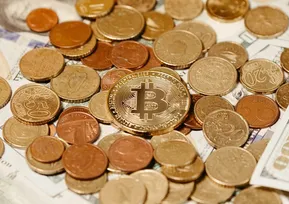
Photo by Алекс Арцибашев on Unsplash


Cryptocurrency surveys

KOSTAT initiated its study into cryptocurrencies in 2022 and subsequently conducted a second survey in April this year to better understand the distribution of cryptocurrency holdings among the Korean population.

Commissioner Lee emphasized the importance of enhancing the linkage and utilization of statistical data. He mentioned that the agency would combine statistical registration records with private credit information to conduct in-depth analysis of the characteristics of household debt for all households.


Supporting national and municipal policies

Lee also stated that KOSTAT is dedicated to creating statistical data to support policies at both the national and municipal levels. Specifically, the agency intends to formulate statistics to assess social mobility and to conduct a survey on the costs of educating young children next year.

More to Read
View All
Markets·

Jun 03, 2023

Beosin Report: Crypto Rug Pulls Surpass DeFi Exploits in May

Beosin Report: Crypto Rug Pulls Surpass DeFi Exploits in MayAccording to a recent report by blockchain security firm Beosin, losses from “rug pulls” or “exit scams” in the cryptocurrency space exceeded the amount stolen from decentralized finance (DeFi) projects during the month of May.The report, published on June 1 by Beosin Blockchain Security, revealed that rug pulls and scams resulted in losses of over $45 million across six incidents during the month. Beosin is headquartered in Chengdu, in China’s Sichuan province. The firm uses formal verification methods to secure smart contracts.In general there were 22 security incidents in the digital assets space over the course of the month. That overall figure accounts for losses totaling $20 million, and represents a vast improvement on the previous month.Three of the incidents were accounted for by security issues related to hardware wallets such as the Trezor and imKey wallets. Six were rug pulls/crypto scams, two were crypto crime incidents while another implicated a critical vulnerability relative to zero-knowledge proof technology.Photo by Tara Winstead on PexelsDeFi protocol attacksIn contrast, there were 10 attacks on DeFi protocols, amounting to $19.7 million in stolen funds. This figure represents a significant decrease of nearly 80% compared to April, and the losses from these types of exploits had been declining for two consecutive months, as per Beosin’s findings.The largest rug pull incident in May involved the alleged disappearance of $32 million associated with the crypto project Fintoch on May 24. Meanwhile, the largest attack on a DeFi platform was a $7.5 million breach targeting Jimbos protocol, according to Beosin’s report.Shifting hacker strategyBeosin noted a shift in the targeting strategy of hackers and scammers, who are now increasingly focusing their attacks on ordinary users rather than various project parties. To mitigate risks, the report recommended that crypto users enhance their anti-fraud awareness, conduct thorough due diligence before investing in projects, and learn how to improve the security of their digital assets.The report also issued a warning against using shared or public charging devices for mobile phones. Beosin highlighted the potential risks associated with these devices, as they could be manipulated to inject malicious programs that compromise private keys. This caution aligns with a similar advisory issued by the United States Federal Bureau of Investigation (FBI) in April.The FBI’s Denver office cautioned against using public USB ports, including those found at airports, due to the potential introduction of malware and monitoring software onto devices. Instead, they suggested carrying a personal charger and USB cord for use with electrical outlets.As the cryptocurrency landscape continues to evolve, it is crucial for users to remain vigilant and proactive in safeguarding their investments. With the rise of rug pulls and the ongoing threats in the DeFi space, staying informed, exercising caution, and adopting robust security measures are essential for protecting one’s digital assets in this rapidly changing industry.

news
Web3 & Enterprise·

Jun 01, 2023

Bithumb Shuts Down Crypto Research Center Amid Trading Volume Slump

Bithumb Shuts Down Crypto Research Center Amid Trading Volume SlumpBithumb, a cryptocurrency exchange based in South Korea, is shutting down its research center less than a year after its launch, according to a report by news agency Newsis. The closure is seen as a strategic move to enhance business performance in response to the recent decline in trading volume.Photo by Kelly Sikkema on UnsplashCostly research centersEstablished on June 8 last year, the Bithumb Economic Research Institute is reportedly ceasing operations tomorrow. Research centers are often perceived as costly endeavors, particularly when the company is experiencing poor financial performance. In the traditional financial sector, small and medium-sized securities firms typically prioritize restructuring their research divisions when dealing with profitability challenges.Relevance of research hubsAn official from a Korean cryptocurrency exchange told Newsis that research centers can be a financial burden during times of low trading volumes and subpar performance. Nonetheless, the official underscored the need to furnish investors with refined information through these research hubs, encouraging exchanges to cultivate an environment conducive to informed decision-making based on high-quality data.Since its inception, Bithumb’s research organization has published 55 reports aimed at forecasting cryptocurrency market trends using comprehensive macroeconomic and crypto data analysis. These reports have contributed to drawing investors to the sector.Global restructuring trendThe wave of workforce reductions in the crypto industry isn’t isolated to South Korea; it’s a global phenomenon. Chinese reporter Colin Wu, known for his crypto news platform Wu Blockchain, shared via Twitter that Binance, the world’s largest cryptocurrency exchange, is planning to lay off roughly 20% of its staff, totaling about 8,000 employees.In response to these concerns, Binance CEO Changpeng Zhao, also known as CZ, wrote a tweet yesterday. According to CZ, employee layoffs are a weekly occurrence within the company, based on considerations such as alignment with corporate culture. As an example, he mentioned the remote work environment and how it may not be suitable for everyone. However, CZ reassured that Binance remains engaged in hiring, with a focus on enriching its talent pool.

news
Web3 & Enterprise·

Jun 30, 2023

Hang Seng Ponders Crypto Product Offering

Hang Seng Ponders Crypto Product OfferingHang Seng Investment Management Co., the largest exchange-traded fund (ETF) manager in Hong Kong, is considering entering the decentralized ecosystem.According to a report in local news media in Hong Kong on Wednesday, Li Peishan, the firm’s Director and Executive President, stated that Hang Seng is paying close attention to the development of digital assets. She clarified that the company is examining the possibility of including digital assets within its existing investment product offering.Photo by Jonathan Borba on UnsplashCrypto ETF expansionThis news comes shortly after HSBC, one of the largest banks in Hong Kong, introduced Bitcoin (BTC) and Ethereum (ETH) ETFs to its customers, becoming the first bank in the region to do so. This development has opened up possibilities for greater cryptocurrency adoption in the area.While most people in the space recognize that the authorities in the US have gone too far in their clampdown on the digital assets space, it’s interesting to note that recent weeks have seen a plethora of established TradFi players filing Bitcoin spot ETF applications. That list includes the world’s largest asset manager, BlackRock, multinational financial services firm Fidelity Investments, WisdomTree, VanEck, and others.Assessing potentialPeishan stated that while the company does not have a specific plan to develop a crypto ETF, Hang Seng is actively assessing the potential of incorporating digital assets into their existing investment products. She highlighted the remarkable growth in the average daily asset management scale, which has surged by 80% since December and has surpassed HK$12 billion.On June 24, Leung Fung Yee, the CEO of the Securities and Futures Commission of Hong Kong (SFC), emphasized the importance of crypto service providers embracing the next generation of the web and finance. He expressed Hong Kong’s ambition to establish itself as the central hub for crypto companies, fostering innovation within the region.Responding to Yee’s statement, the Hong Kong Virtual Assets Consortium (HKVAC) announced the inclusion of XRP, SHIB, and ADA in its newly developed HKVAC index. The creation of the HKVAC index aims to assist investors in analyzing the potential of cryptocurrencies and gaining insights into their prospects.The digital assets landscape in Hong Kong is evolving rapidly, driven by increasing interest in the asset class and the recognition of their transformative potential. Hang Seng Investment Management’s exploration of the decentralized ecosystem signifies the growing demand for exposure to cryptocurrencies among traditional financial institutions.TradFi IntegrationThe introduction of Bitcoin and Ethereum ETFs by HSBC represents a significant milestone in the adoption of cryptocurrencies within the traditional banking sector. This recent indicator from Hang Seng suggests that we are likely to see more developments unfold within the ETF space in Hong Kong in the not-too-distant future where digital assets are concerned. That view is further endorsed by the findings of a recent report produced by the Hong Kong Stock Exchange, pointing to the yet-to-be-realized potential of crypto ETFs.As the industry continues to mature, the integration of digital assets into traditional investment products is likely to become increasingly common, leading to a more diversified and inclusive financial ecosystem.


news
Loading