Top

Report Cites Escalating Crypto Use by Pro-ISIS Groups

Policy & Regulation·July 25, 2023, 1:41 AM

A recently published report suggests that pro-ISIS terrorist groups in central and southeast Asia and the Middle East are increasing their use of cryptocurrency.

According to the report which was published on Friday by blockchain analytics firm TRM Labs, cryptocurrency has become a favored tool for terrorist organizations, with ISIS affiliates showing an increasing preference for the Tron network’s USDT stablecoin. The report highlights that terrorist groups worldwide, including those linked to ISIS, are actively utilizing cryptocurrencies for fundraising purposes, allowing them to attract supporters and bolster their operations.
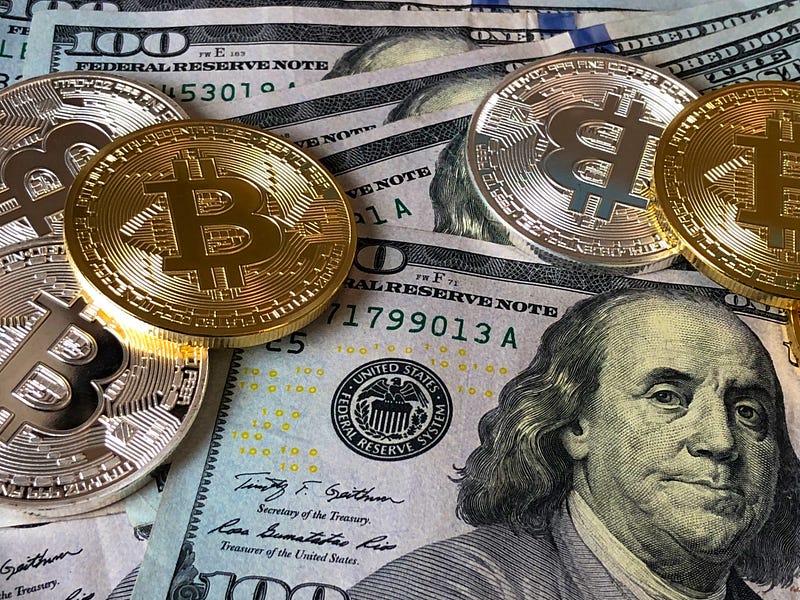
Photo by David McBee on Pexels


On-chain evidence

TRM Labs has been closely monitoring these activities over the past year and has uncovered a growing amount of on-chain evidence. Pro-ISIS networks in countries such as Tajikistan, Indonesia, Pakistan, and Afghanistan have been observed using crypto assets to facilitate their illicit activities, with Tether (USDT) stablecoin on the Tron network (TRX) being their preferred choice for transactions.

The disturbing revelations show how recruited fighters were enticed to join ISIS’ Afghanistan affiliate (ISKP) through the use of cryptocurrency fundraising campaigns. One such campaign operated for over a year and managed an address that received approximately $2 million in USDT on Tron in 2022. TRM Labs played a role in getting the operation dismantled, leading to the arrest of Shamil Hukumatov, a senior ISIS fundraiser allegedly responsible for the scheme.


Indonesia & Pakistan

In Indonesia, individuals used a crypto platform to transfer over $517,000 in 2022 to addresses linked to pro-ISIS fundraising campaigns in Syria, all using USDT on Tron. This connection demonstrates the global reach and sophistication of the terrorist groups’ crypto operations.

Additionally, a media unit associated with ISPP, the Pakistan affiliate of ISIS, ramped up its fundraising efforts in the latter half of 2022. The entity sought to capitalize on natural disasters, such as earthquakes in Turkey and Syria, to raise funds by publicizing various cryptocurrency addresses flagged by TRM Labs as associated with the terrorist organization.


Syria

TRM Labs’ investigation ultimately points to pro-ISIS fundraising campaigns in Syria as a central hub for cryptocurrency usage by the terrorist group and its supporters. A significant portion of the donations ends up supporting ISIS families in camps like al-Hol and Roj, as well as funding local cryptocurrency exchanges that facilitate the group’s activities.

For TRM Labs, the identification and tracking of these campaigns and their donors are crucial steps in mapping out and potentially disrupting pro-ISIS networks worldwide. Their efforts aim to mitigate the risks posed by the misuse of cryptocurrencies in financing terrorism and illegal activities.

The rising adoption of cryptocurrencies by terrorist organizations poses significant challenges to law enforcement agencies and regulatory authorities worldwide. It’s a worrying development for legitimate users of digital assets as it may result in far more heavy-handed regulation as a direct consequence.

Under these circumstances, it is crucial for the crypto community, governments, and regulatory bodies to collaborate in implementing effective safeguards against the abuse of digital currencies for nefarious purposes. Only through collective action can this threat be neutralized.

More to Read
View All
Policy & Regulation·

Jun 08, 2023

Philippines Delays Crypto Framework Publication

Philippines Delays Crypto Framework PublicationThe Philippines’ financial regulator has decided to postpone the release of a legal framework for the crypto industry, originally scheduled for late 2022, despite a tumultuous year.That’s according to a report published by local news outlet, Philstar Global. In the face of numerous market failures in 2022, the Philippines’ financial regulator has opted for a cautious approach and delayed the publication of a legal framework for the crypto industry, which was initially expected to be released by the end of the same year. However, work on the guidelines is still ongoing, and there is a possibility that the results could be made public in 2023.Photo by Krisia on PexelsScrutinizing crypto failuresAccording to the chairman of the Philippines Securities and Exchange Commission (SEC), Emilio Aquino, the regulatory authority has adjusted its previous deadlines for introducing the crypto framework in the country. The SEC had originally planned to roll out the guidelines in 2022, but they held back in order to thoroughly study the reasons behind the collapse of the FTX exchange and ensure the protection of investors.Aquino stated that there is still a chance that the framework will be issued by the end of 2023, saying, “We haven’t closed the door. We really just have to make sure people don’t get burned.”Earlier this year, the SEC joined forces with the University of the Philippines Law Center (UPLC) to collaborate on the development of guidelines for digital assets. In January 2023, the regulator introduced the Implementing Rules and Regulations of Republic Act No. 11765 for public comment. This act, which was signed into law in 2022, however, does not explicitly mention “crypto” or “blockchain.”The crypto industry in the Philippines has been facing increasing pressure. The country’s central bank has been urging citizens to refrain from engaging in any transactions with unregistered or foreign crypto exchanges, and the SEC has echoed these recommendations.In May 2023, the SEC identified Gemini Derivatives as an unregistered security product under national law. In the investor advisory, the Commission wrote: “The public is advised not to invest or to stop investing in the investment scheme of Gemini Trust Company, LLC.”Last month the country hosted a meeting of the Regional Consultative Group for Asia of the Financial Stability Board. That meeting, held in the Philippines' oldest city, Cebu, highlighted the risks pertaining to crypto assets.Potential for positive approachNevertheless, the Philippines remains an attractive destination for crypto enthusiasts. With its rapidly growing economy, it has emerged as one of the world’s fastest-growing markets, with over 11.6 million Filipinos owning digital assets, placing it 10th worldwide in terms of crypto adoption.In an opinion piece published by Forkast News in April, Robert De Guzman, Head of Legal Compliance at Philippines-based cryptocurrency exchange Coins.ph, outlined his view that the country is forging a positive, workable framework for crypto assets. With that, it sounds like while the delay is unwelcome, the more important factor is that the South East Asian country devises a framework that is fit for purpose relative to the innovation at hand.

news
Web3 & Enterprise·

Jun 27, 2023

Algorand Foundation and DWF Labs Partner for Ecosystem Growth

Algorand Foundation and DWF Labs Partner for Ecosystem GrowthThe Algorand Foundation has joined forces with DWF Labs, a global digital asset market maker and Web3 investment firm, in a strategic partnership aimed at accelerating the growth of the Algorand ecosystem.An announcement of the collaboration was made on Monday, with the expectation that it will provide more opportunities for developers, businesses, and the wider blockchain community where the Algorand layer one blockchain is concerned.Photo by Shubham Dhage on Unsplash$50M token purchaseDWF Labs has committed to purchasing $50 million worth of $ALGO tokens, the native cryptocurrency of the Algorand network. This infusion of funds will enhance liquidity within the Algorand ecosystem, bolstering stability and growth.Beyond the token purchase, the partnership is reinforced by a memorandum of understanding (MOU), establishing a comprehensive funding framework to support projects built on the Algorand blockchain. This commitment will foster innovation across various sectors such as decentralized finance (DeFi), art and music, gaming, oracles and bridges, and infrastructure.Ecosystem collaborationsWeb3 investment firms like DWF Labs play a pivotal role in accelerating the growth of blockchain ecosystems. By investing in startups and projects that complement existing blockchain platforms, DWF Labs creates synergies that drive growth.It’s not the first time that DWF Labs has collaborated with blockchain network ecosystem projects. Earlier this month, the firm announced a deal with the project team behind layer one blockchain TRON, that will see it become a liquidity provider to that TRON network.In April, DWF entered into a partnership with the EOS Network Foundation (ENF) which included a $45 million $EOS token purchase agreement, with a further $15 million allocated towards investment into EOS ecosystem projects.Andrei Grachev, Managing Partner of DWF Labs, expressed enthusiasm for the partnership, highlighting Algorand’s technological superiority, security, and commitment to environmental sustainability and social impact.Through funding and strategic collaboration, DWF Labs will support the creation of diverse applications, services, and solutions within the Algorand ecosystem. This will foster the ALGO network effect, attracting more users and driving further growth.Algorand network stability and growthThe Algorand Foundation and DWF Labs partnership aligns with ongoing efforts to drive blockchain network adoption. Algorand’s platform offers scalability and security, while DWF Labs’ expertise and financial support will propel the ecosystem’s growth and adoption.The Algorand network is a proof of stake (PoS)-based blockchain network. It aims to accelerate the convergence between existing TradFi and emerging decentralized networks and technologies.The $50 million investment in ALGO tokens injects liquidity into the ecosystem, promoting stability and facilitating economic activities. The partnership’s funding framework ensures that projects built on Algorand receive the necessary resources.Collaborations like this drive blockchain adoption and development. The Algorand Foundation and DWF Labs share a vision of innovation and collaboration, fostering a thriving ecosystem.As the blockchain industry expands, strategic alliances play a crucial role in accelerating innovation and establishing interconnected ecosystems. The collective efforts of the Algorand Foundation and DWF Labs contribute to blockchain’s advancement, leading towards a decentralized future with transparency and inclusivity.

news
Policy & Regulation·

Oct 29, 2025

EU bans Ruble-backed stablecoin A7A5 in latest round of Russia sanctions

The European Council has banned all transactions within the European Union (EU) involving the Russian Ruble-backed stablecoin A7A5, according to a press release published Oct. 23. The prohibition targets the stablecoin itself, its developer, its Kyrgyzstan-based issuer, and the operator of a platform that facilitates major A7A5 trades. The package also takes aim at Russian crypto exchanges.Photo by Christian Lue on UnsplashAdditional banking restrictionsThis measure is part of a broader set of economic sanctions against sectors the EU stated assist the Russian invasion of Ukraine, including energy, finance, and defense industries. As part of this financial clampdown, the EU will also impose a ban on five additional Russian lenders starting Nov. 12. One of those lenders, Alfa-Bank, recently began offering Bitcoin buying and selling services, according to an X post by journalist Pete Rizzo. The European body said the new crypto measures address Russia’s increasing use of digital assets to circumvent existing sanctions. Russian banks were cut off from the SWIFT international payment system in early 2022, following the onset of the Russo-Ukrainian war. Reports of Russia using cryptocurrency to finance malign activities have surfaced previously. Earlier this month, Sławomir Cenckiewicz, the head of the Polish National Security Bureau (BBN), told the Financial Times that Russia has employed crypto to finance attacks on EU countries. Cenckiewicz said that a network of agents recruited by Russia’s GRU military intelligence agency and uncovered in Poland in 2023 had been substantially funded with cryptocurrency. Reflecting this concern, lawmakers in Poland’s lower house approved a bill in September to strengthen national crypto oversight, a move also expected to help curb Russian funding channels. Cenckiewicz noted that Polish intelligence agencies are closely monitoring the legislation to prevent loopholes that allow foreign actors to support agents using digital assets. Russia’s evolving crypto policyThe EU’s action comes as Russia itself is attempting to refine its own cryptocurrency rules. According to the Moscow Times, Russia's central bank wants to limit cryptocurrency use strictly to cross-border payments within an experimental legal regime (ELR). The institution continues to reject recognition of cryptocurrency as a legal means of payment and has advocated banning its use for domestic payments and retail investment, while permitting trading only for high-net-worth individuals through licensed platforms. Russia’s finance ministry has expressed a more flexible view, pointing to the scale of crypto adoption among the public. Earlier this year, the central bank estimated that domestic crypto transactions exceeded 1 trillion rubles (about $12.4 billion) per month, and that as of March, wallets linked to Russian users held roughly 827 billion rubles (about $10.2 billion). The finance ministry and the central bank have agreed to tighten supervision of the crypto market, with officials expecting to finalize the new framework before the end of the year. 

news
Loading