Top

Non-Fiat Crypto Exchanges in Korea Urge Banks for Real-Name Accounts

Policy & Regulation·June 20, 2023, 5:39 AM

The Virtual Asset Exchange Association (VXA) made an announcement today regarding its recent due diligence request sent to 12 South Korean banks, as reported by local news outlet Digital Today. These banks have not yet entered into contracts to provide real-name deposit and withdrawal accounts to cryptocurrency exchanges.

VXA is a group comprised of representatives from ten non-fiat crypto trading platforms in the country. Among its members, eight exchanges–Aprobit, Probit, BTX, Foblgate, GDAC, Flata Exchange, Flybit, and High Block (previously known as Huobi Korea)–participated in the request.
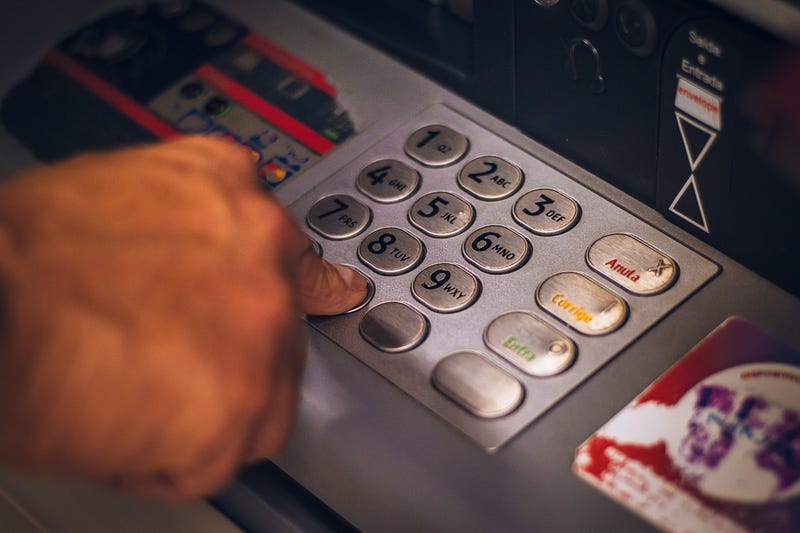
Photo by Eduardo Soares on Unsplash


Partnerships with banks

The objective of the request is to urge the banks to consider establishing partnerships with competent non-fiat exchanges. The requesters argued that such collaborations would promote fair trading in the market and provide customers with more options. They highlighted the growing presence of the virtual asset trading sector in the capital market.


Uneven crypto market

An official from VXA emphasized the key role played by real-name bank account issuers in creating a healthy environment that addresses the existing monopoly in the Korean crypto market. According to a March report published by the Financial Services Commission, non-fiat crypto trading platforms accounted for only 3 percent of the total Korean crypto market capitalization during the second half of 2022. The remaining 97 percent was attributed to fiat-supporting crypto exchanges.

The official further explained that allowing more exchanges to support the trading of the Korean won currency would contribute to shaping a free market while bolstering transparency and investor protection.


Legal requirements

Earlier this month, VXA also sought fair due diligence from five Korean banks that have already formed partnerships with fiat-supporting crypto exchanges. In Korea, crypto trading platforms are required by law to obtain real-name accounts from banks in order to provide cash deposit and withdrawal services.

More to Read
View All
Policy & Regulation·

Apr 14, 2023

Hong Kong Enticing Crypto Firms from Mainland China

Hong Kong Enticing Crypto Firms from Mainland ChinaIn the wake of various scandals and high-profile bankruptcies, some governments have shunned the cryptocurrency industry, but Hong Kong is instead embracing mainland China crypto companies, urging them to relocate to the city in a bid to bolster its status as a financial hub.©Pexels/RODNAE ProductionsEmbracing cryptoAfter enduring an exodus of bankers amid a China security crackdown and stringent COVID curbs, Hong Kong is now making a concerted effort to revitalize its finance sector by embracing crypto. Top Hong Kong government officials, including Chief Executive John Lee, have voiced their support, and the city is planning to hold 100 crypto-related conferences and lavish parties throughout April. Hong Kong is “very serious about building an international virtual asset center,” said Xiao Feng, chairman of Hong Kong crypto exchange HashKey, which drew 13,000 people on the first day of its Hong Kong Web3 Festival, the most significant conference of the month.HashKey obtained a license to operate in Hong Kong last November, making it one of two licensed crypto exchanges in the city, alongside rival exchange OSL. Xiao told Reuters that many people in the crypto industry had initially assumed that Hong Kong would inevitably adopt the same regulations as mainland China. However, the government is now emphasizing that Hong Kong operates under the “One Country, Two Systems” framework and enforces distinct laws.SkepticsDespite this, many remain skeptical of Hong Kong’s promise of a stable regulatory regime on cryptocurrencies. One crypto venture capitalist, who spoke to Reuters on the condition of anonymity due to the sensitive nature of the matter, expressed concern over China’s crypto ban, which still looms large in the background. “If Hong Kong can suddenly claim to be crypto-friendly, that switch can be flipped off just as quickly should things become challenging,” he said.Crypto licensing interestNevertheless, at least 10 companies with Chinese founders, including OKX, Bybit, and Huobi, have announced or are planning to announce their bid for licenses in Hong Kong. These firms, which have exited countries like Canada and the UK, are among the sponsors of the most glamorous Hong Kong parties this week. Bybit held a private dinner for industry heavyweights, and OKX reserved a rooftop venue overlooking Victoria Harbour, where guests could enjoy a stunning view.At one event on Tuesday, Tron founder Justin Sun, addressed a mainly Chinese-speaking audience, stating, “I can’t believe that we are having such conferences on Chinese soil.” Sun has been charged with fraud by the US Securities and Exchange Commission (SEC), but he argued that the charges lacked merit and accused the regulator of targeting crypto players. “Hopefully, one day, we will have such events in Shanghai and Beijing,” he remarked.Despite the lingering concerns, Hong Kong is committed to establishing itself as a leading finance hub in the cryptocurrency industry and is sparing no effort to achieve its goals.

news
Web3 & Enterprise·

Jun 02, 2023

Gemini Targets UAE Crypto License

Gemini Targets UAE Crypto LicenseGemini, the US-headquartered cryptocurrency exchange owned by the Winklevoss twins, has announced its intention to obtain a cryptocurrency service license in the United Arab Emirates (UAE). The move comes as the exchange seeks to navigate the perceived “hostility and lack of clarity” surrounding cryptocurrency regulations in the United States.In a blog post published on Wednesday, Gemini highlighted the growing interest in cryptocurrencies among UAE citizens and referred to positive interactions with UAE regulators as driving factors behind its pursuit of the license. The co-CEOs of Gemini, Cameron and Tyler Winklevoss, explained in an interview with The National that their decision was influenced by the challenges they faced with crypto regulation in the US. Gemini CEO Tyler Winklevoss expressed optimism about the regulatory environment in the UAE, stating:“We’ve been super encouraged with our conversations here with the regulators. There’s an effort to make the UAE a home and a hub for crypto and, most importantly, to enact thoughtful regulation that connects, that protects both consumers, but also a company’s ability to innovate.”Photo by Nextvoyage on PexelsAbu Dhabi or Dubai — or bothAs of now, the Winklevoss twins have not yet determined the specific location for Gemini’s operations in the UAE. They hinted that the exchange’s headquarters could be established in both Abu Dhabi and Dubai, reflecting the potential for growth and development in both cities.Gemini’s decision to pursue a crypto license in the UAE underscores the country’s growing importance in the cryptocurrency industry. With its efforts to create a favorable regulatory environment and attract crypto-related businesses, the UAE aims to position itself as a crypto hub while safeguarding the interests of both consumers and innovators.Discouraging US outlookAccording to Gemini’s Global State of Crypto Report, which provides insights into cryptocurrency adoption and usage, more than 35% of respondents surveyed in the UAE reported purchasing crypto. In contrast, only 20% of respondents in the United States said they had bought cryptocurrencies.The report also revealed that nearly 32% of non-crypto owners in the UAE expressed their intention to enter the market within the next year. Furthermore, 33% of UAE crypto holders indicated that they plan to use their digital assets for in-person purchases at physical retailers, a significantly higher percentage compared to the global average of 19%.Although still a US-headquartered business, Gemini has been turned off the US market more recently. The Winklevii twins have taken a similar stance to Coinbase’s Brian Armstrong and Ripple’s Brad Garlinghouse. Coinbase has expanded in Singapore, acquired digital asset licensing in Bermuda, and has the intention of establishing a presence in Abu Dhabi.Garlinghouse has matched Armstrong’s outspokenness in criticizing the regulatory approach to digital assets in the United States. Likewise, he has acted to place Ripple on an international footing, establishing a presence in Dubai. In April, Gemini announced the opening of an engineering center in India, together with plans to expand its base in Singapore.As Gemini proceeds with its application for the UAE crypto license, industry observers will be closely monitoring the development, anticipating the potential impact of this expansion on the exchange’s operations and the broader cryptocurrency landscape in the region.

news
Policy & Regulation·

Jul 03, 2023

Seoul’s Seocho District Leverages Blockchain Coins to Catalyze Social Impact

Seoul’s Seocho District Leverages Blockchain Coins to Catalyze Social ImpactSeocho District, one of the 25 districts in the South Korean capital of Seoul, is leveraging blockchain technology to tackle environmental and welfare issues with the introduction of the “Good Seocho Coins,” as reported by local news outlet Shinailbo.Photo by TANIM MUNSHI on UnsplashContribute and earn rewardsUnder this program, residents of Seocho can earn Good Seocho Coins by engaging in socially beneficial activities. Each coin holds a value of 100 KRW ($0.076) and can be utilized for various purposes such as accessing facilities, enrolling in educational courses, and making purchases at the Seocho Community Center and the Seocho Joongang Senior Welfare Center.From recycling to in-kind donationsTo earn these coins, residents can participate in three categories of activities: recycling, identifying marginalized households, and making in-kind donations. By returning items like paper bags, clothes hangers, empty plastic bottles, and ice packs to 300 Carbon Zero-certified stores within the district — ranging from coffee shops to laundromats and butcher shops — residents can earn coins. For instance, returning ten hangers or empty plastic bottles would earn them a coin.Residents who identify marginalized households and assist them in obtaining welfare benefits will receive ten coins, while those who connect them with social services will earn five coins.Talented individuals can also contribute to the community and earn coins. For example, photographers, hairdressers, makeup artists, and performers of the non-verbal comedy show Nanta can donate their services and earn one coin per hour. Additionally, health educators and volunteers can earn coins by assisting residents aged 60 or older.Expanding horizonsOriginally conceived as an initiative to promote the health and community engagement of elderly individuals, the Good Seocho Coin project underwent revisions last month to encompass a broader community through regulatory changes.Mayor Jun Sung-soo of Seocho District stated that the aim of this initiative is to harness the potential of blockchain technology and motivate district residents to actively contribute towards tackling a wide range of social challenges. He further highlighted the district’s intention to broaden the scope of this initiative in order to cultivate a sense of pride and satisfaction among the residents, leading to a positive ripple effect throughout the community.

news
Loading