Top

Superscrypt Backs Airstack’s Web3 Developer Platform

Web3 & Enterprise·May 17, 2023, 11:26 PM

Singapore-based Superscrypt, an early stage blockchain investment company founded by state-owned global investment conglomerate Temasek, has led an investment round into Web3 developer platform, Airstack.

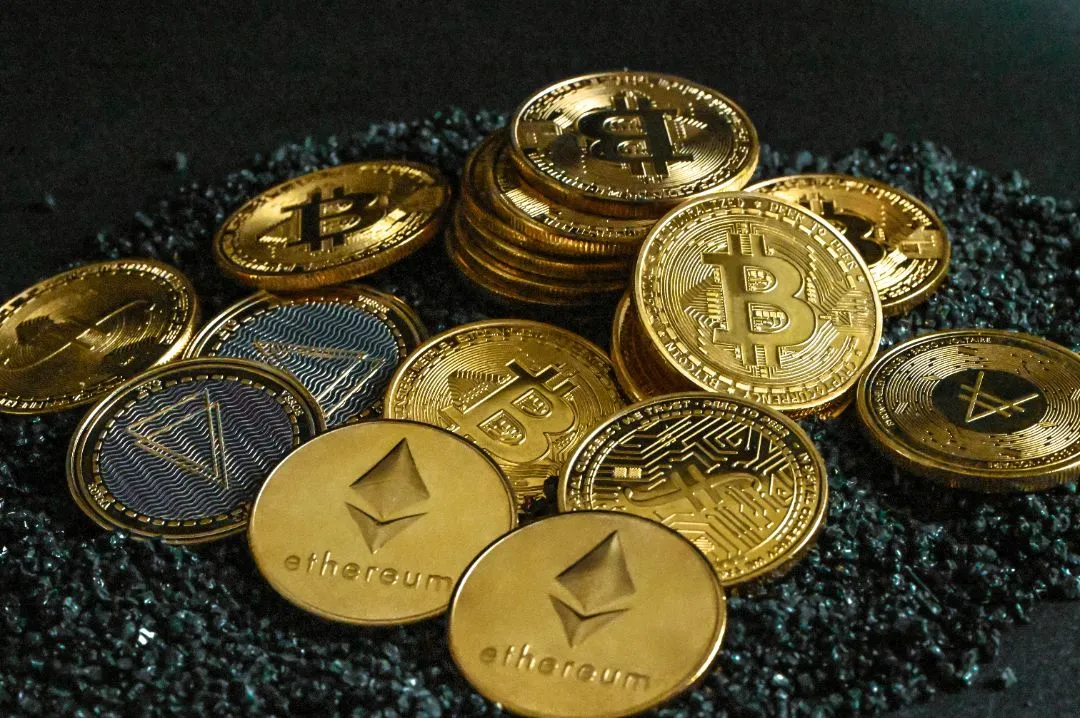
Photo by Giorgio Trovato on Unsplash


Indian influence

Airstack closed out the second tranche of its pre-seed funding round, having raised the largest portion of the $7 million raise via Superscrypt. Although based in Miami Beach, Florida, Airstack has a strong Indian influence. Three of its five founders, Deepesh Kumar, Vysakh Nair and Sarvesh Jain originate from the world’s most populous country.

The firm’s main offering is to enable developers to be able to easily query on and off-chain data and integrate that same data into the Web3 apps that they are building. Airstack enables this functionality by featuring GraphQL, a query language for APIs and a runtime for fulfilling those queries with the user’s existing data, as a core component of its platform.

Achieving greater functionality still, the start-up enhances that use of GraphQL by incorporating the use of artificial intelligence (AI). The company’s Miami Beach-based CEO and Co-Founder, Jason Goldberg, elaborated on the technology it is using in an interview with CoinDesk: “We did extensive interviews with developers over the past year, gaining insights into their previous tool usage and the challenges they faced. Airstack was built to directly address those pain points.”


Recent platform launch

The product offering was launched last month and has already lured in over two hundred developers to use the platform. Those developers are harnessing the functionality of Airstack’s platform to assist them in their efforts to bring a broad range of dApps to market.

Developer projects are grounded in areas such as marketing engines, decentralized finance (DeFi) portfolio optimizers, customer resource management tools, advertising platforms, and decentralized social media apps, together with messaging applications.

With just a straightforward query and response approach, developers can use Airstack platform functionality to query, combine, and integrate on-chain or off-chain, cross-chain, and cross-application data. The offering applies to queries relative to the Ethereum and Polygon blockchain networks. The project intends to support additional blockchain networks going forward, while also intending to increase the level of query complexity made available to platform users.

Joining Superscrypt on the Airstack cap table are Hashed Emergent, NGC, Primal Capital, UOB Ventures, Signum Capital, and others. Goldberg articulated the firm’s strategy going forward: “Our immediate focus is to onboard thousands of developers onto Airstack in the coming months. We aim to identify the areas where we add the most value and where genuine business use cases emerge before finalizing our pricing model.”


Social app upgrade

At the same time as this funding announcement, Airstack also revealed a separate development related to its Jam social app. Taking to Twitter on Tuesday, Goldberg provided details on an update to the app which utilizes Airstack functionality in order to create social groups based on NFT ownership and collector status. That functionality can be extended further, so that data can be gathered across projects, creating bespoke user profiles relative to the user’s blockchain activity and presence.

At the same time as this funding announcement, Airstack also revealed a separate development related to its Jam social app. Taking to Twitter on Tuesday, Goldberg provided details on an update to the app which utilizes Airstack functionality in order to create social groups based on NFT ownership and collector status. That functionality can be extended further, so that data can be gathered across projects, creating bespoke user profiles relative to the user’s blockchain activity and presence.
More to Read
View All
Web3 & Enterprise·

Aug 16, 2023

Dubai Tempts AI and Web3 Enterprises With Subsidized Commercial Licenses

Dubai Tempts AI and Web3 Enterprises With Subsidized Commercial LicensesDubai has demonstrated over the past twelve months that it has its sights set on becoming a regional hub for innovation, and we have further evidence of that strategy today with news that the city is now enticing artificial intelligence (AI) and Web3 businesses with an unprecedented offer — commercial licenses at a 90% subsidy.Photo by Aleksandar Pasaric on PexelsAI and Web 3.0 CampusThe focal point of this strategic move is the Dubai AI and Web 3.0 Campus, a burgeoning tech haven designed to foster innovation and collaboration. The campus recently unveiled its decision to heavily subsidize licenses for companies choosing to establish a foothold within the city, publishing details of the move on Monday via a press release. The issuance of these licenses falls under the auspices of the Dubai International Financial Centre (DIFC), underscoring the city’s determination to attract global talent and diverse investment opportunities.Mohammad Alblooshi, CEO of DIFC’s Innovation Hub, expressed confidence in the power of this initiative, stating:“We are confident that by granting these licenses, we will attract more global talent and investment to the region and create a culture of collaboration and innovation.”The Dubai AI and Web 3.0 Campus is geared up to cater to its prospective denizens, equipped with cutting-edge AI lab facilities, comprehensive training programs, essential hardware support, and accelerator initiatives.All enterprises setting their sights on seizing the opportunity presented by the 90% subsidized commercial licenses are required to follow an application process.Crypto trading licensingDubai’s tech evolution extends beyond AI and Web3 realms. The city has been proactive in granting operational licenses to cryptocurrency exchanges, marking yet another stride toward its tech-driven future.In a recent development, Nomura’s crypto arm, Laser Digital Middle East, secured an operational license from Dubai’s Virtual Asset Regulatory Authority (VARA). This coveted license empowers Laser Digital to provide broker-dealer services and manage virtual asset investments within the emirate.The progressive regulatory approach taken in Dubai has led to crypto exchanges such as Bybit, choosing the city as the location for its headquarters. In June MENA-focused digital assets platform BitOasis became the first crypto company to be awarded a broker dealer license by the Dubai regulator.The regulatory approach taken in Dubai is proving to be progressive yet firm. The emirate hasn’t made the mistake of opting for ineffective light touch regulation that would attract the wrong type of crypto startup.That’s evidenced by the response of VARA to the establishment of the OPNX exchange within its jurisdiction. OPNX was founded by Su Zhu and Kyle Davies, the founders of failed Singapore-based crypto hedge fund, Three Arrows Capital (3AC). VARA issued the business’ founders with a reprimand earlier this year, for establishing a crypto-related platform in Dubai without having obtained a crypto trading license.Dubai’s willingness to embrace innovative technologies, coupled with its strategic initiatives and progressive regulation, is propelling it to the forefront of the global tech revolution. As it beckons AI and Web3 pioneers with enticing subsidized licenses and facilitates the growth of the cryptocurrency ecosystem, Dubai is carving a unique niche as a hub of technology and innovation and exploiting the potential growth opportunity that presents as a consequence.

news
Web3 & Enterprise·

May 15, 2023

LG Goes Further Down the Web3 Rabbit Hole with NFT Patent

LG Goes Further Down the Web3 Rabbit Hole with NFT PatentSouth Korean consumer electronics behemoth LG has delved deeper into the Web3 world, this time with a patent filing that would make NFTs more available to TV viewers.Enabling NFTs for the mass marketAccording to the filing, which was made with the World Intellectual Property Organization (WIPO), the electronics giant is seeking to acquire intellectual property protection on a capability to have a smart TV connect with an NFT market server.That ability would allow the user to then send, receive and display digital artwork. Furthermore, the consumer could complete purchases using an associated digital wallet, relative to NFT-based artwork that they would have the ability to browse through on their LG smart TV.While crypto and Web3 continue to garner a lot of attention, it can still seem sometimes that it exists in a bubble all of its own. Moves like this one from an organization as professional as LG are encouraging, as they demonstrate that LG believes that NFTs are going to be a part of the future, and most importantly, that they’re going to enable mass market participation and adoption.Blade WalletThis is not LG’s first venture into the world of NFTs. Last year, the corporation launched its very own NFT marketplace. Known as “LG Art Labs”, it enables users of US LG TVs that run the WebOS 5.0 operating system, to trade digital collectibles.Earlier this year, the firm launched the Blade Wallet, a third party audited, self-custody digital wallet which runs on the Hedera public ledger. That development has come out of a partnership that LG has developed with the Hedera Hashgraph platform much earlier in 2020. Just as with the Blade Wallet, the LG Art Labs NFT marketplace also runs on Hedera. To support these early stage products, LG itself has been a node operator on the Hedera network since 2020.This recent patent filing references an NFT marketplace and a digital wallet. As we’ve established, the corporation has already launched both of them already. All of that points to the electronics giant executing on a well thought through plan which will bring NFTs to the mass market.Broader interestLG isn’t going to have it all to itself. Samsung, yet another South Korean consumer electronics giant, has also dipped its toe in the water where NFTs are concerned. In January 2022, the company released an NFT marketplace on three of its TV models. That initiative was enabled due to its partnership with leading curated NFT marketplace, Nifty Gateway.Neither will the South Koreans have the consumer electronics-enabled NFT market all to themselves. Japanese consumer electronics conglomerate Sony filed a patent in March that will allow players of Sony products to access interactive Web3 gameplay. That application will be centered upon the use of NFTs also.Sony’s attempts to delve into the Web3 arena have been more recent. In February of this year, Sony Network Communications, its internet provider division, partnered with the project team behind the Astar blockchain in order to create an incubation program for companies who are working on NFT-based innovation and decentralized autonomous organizations (DAOs).Photo by Shubham Dhage on Unsplash

news
Policy & Regulation·

Oct 14, 2023

Terraform Labs Accuses Citadel Securities of Stablecoin Sabotage

Terraform Labs Accuses Citadel Securities of Stablecoin SabotageTerraform Labs, the bankrupt Singaporean blockchain firm, is pointing fingers at American market maker Citadel Securities, alleging that it played a role in an orchestrated effort to destabilize Terraform’s TerraUSD (UST) stablecoin back in May 2022.In its pursuit of justice, Terraform Labs has now called upon the United States District Court in the Southern District of Florida to compel Citadel Securities to furnish vital documents concerning their trading activities during that critical period, when the stablecoin underwent a depegging crisis, now referred to as TerraUSD Classic (USTC).Photo by Tingey Injury Law Firm on UnsplashAllegations of intentional destabilizationThat’s according to a motion filed by Terraform in the United States District Court in the Southern District of Florida, earlier this week. As alleged by Terraform Labs, the catastrophic depegging event in May 2022, which saw UST plummet from $1 to a mere $0.02, was not solely due to inherent instability in the algorithm supporting the UST stablecoin. Instead, the firm contends that it was a result of the deliberate and collaborative actions of specific third-party market participants who engaged in “shorting” to trigger the depegging.Terraform stated in its motion:“Movant [Terraform] contends that the market destabilization that occurred did not result from instability in the algorithm underlying the UST stablecoin. Instead, Movant contends that the market was destabilized due to the concerted, intentional effort of certain third party market participants to ‘short’ and cause UST to depeg from its one dollar price.”The motion also alludes to “publicly available evidence” hinting at Citadel’s intention to short the stablecoin at the time of the depegging event. In particular, it references a Discord channel chat screenshot where a pseudonymous trader purportedly had a conversation with Citadel head Ken Griffin. Griffin allegedly remarked:“They were going to Soros the f*** out of Luna UST,” seemingly drawing a connection to George Soros’ trading strategies, which often involve highly leveraged, one-way bets.Citadel refuted allegations previouslyNotably, Citadel Securities has previously refuted allegations of trading the TerraUSD stablecoin in May 2022, according to Forbes.In its motion, Terraform refers to the importance of these documents for its defense in a lawsuit filed by the US Securities and Exchange Commission (SEC) in February. The SEC lawsuit alleges that Terraform Labs and its founder, Do Kwon, played a significant role in orchestrating a multi-billion dollar cryptocurrency securities fraud.The motion concludes with Terraform arguing that its defense would be substantially hampered if Citadel Securities were to successfully withhold the requested information. In the event that the court fails to compel Citadel, Terraform has requested that the matter be transferred to the US District Court for the Southern District of New York.The matter has been the subject of debate within the crypto community in recent months. In May a community member stated:“As I’ve been saying. People blamed Citadel et al. This was nothing but a rug pull. Wake up. Do Kwon says the dissolving of Terraform Labs in Korea days before the $LUNA and $UST crash is ‘purely coincidental.’”With the matter now being raised in the courts, it looks like the legal system will be the final adjudicator regarding the issue.

news
Loading
