Top

Cronos Labs launches zkEVM chain testnet

Web3 & Enterprise·December 15, 2023, 2:04 AM

Cronos Labs, the developer behind the Cronos blockchain ecosystem, is charting a new path in the blockchain space by launching a zkEVM chain.


From Cosmos to Ethereum

The Cronos zkEVM chain is being launched in the first instance as a test network. The layer-2 blockchain will rely upon ZK Stack, the software kit developed by Matter Labs. In this way, the project will be extending its scaling roadmap from Cosmos to Ethereum. As Matter Lab’s SVP of Business and Operations, Marco Cora put it:

“When we introduced the ZK Stack, we opened up the door for anyone wanting to build on top of Ethereum to do so by deploying hyperchains. Whether you’re building a specialized Rollup or a general purpose one, hyperchains allow you to tap into Ethereum’s extensive userbase base and liquidity while preserving its robust security and decentralization.”

The journey began with the creation of the first chain in the Cronos ecosystem — a Cosmos appchain developed in collaboration with Singapore-headquartered crypto platform Crypto.com and launched in 2021. Subsequently, Cronos introduced an EVM-compatible chain in 2022, built using the Cosmos SDK. Notably, these new endeavors complement, rather than replace, the earlier established chains.
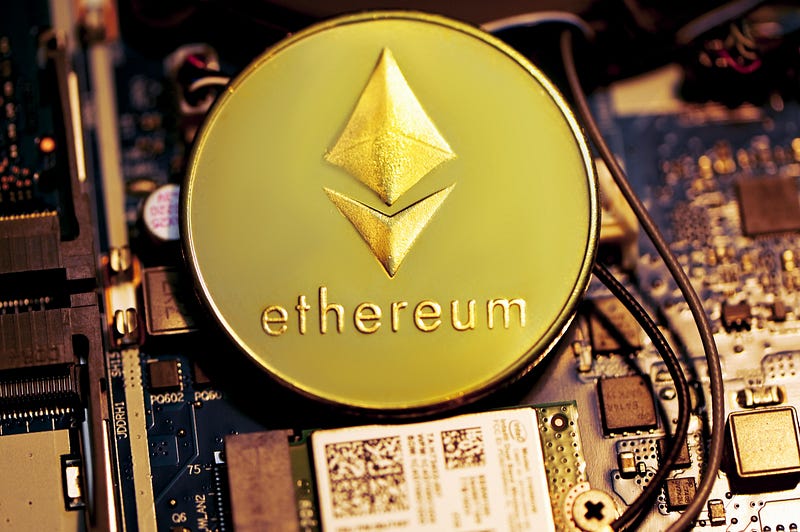
Photo by Kanchanara on Unsplash


The product of collaborative efforts

A significant development in Cronos’ evolution is the introduction of zkEVM, a result of collaborative efforts involving Cronos Labs, Matter Labs and engineering teams from stakeholders Crypto.com and existing dApp developers. The zkEVM testnet is a breakthrough, utilizing Ethereum’s Sepolia testnet and incorporating zkSync’s open-source prover, Boojum — a STARK-based zero-knowledge proof system known for its efficiency in the layer-2 rollup space, with low hardware requirements and fees.

The decision to launch a native Ethereum chain stemmed from challenges in bridging EVM chains and bridging between Cosmos and Ethereum, according to Ken Timsit, Managing Director at Cronos. Timsit emphasized the richness and robustness of the Ethereum developer ecosystem for building DeFi and NFT applications.


Native account abstraction

Hyperchains within the ZK Stack share components, including a native bridge to the Ethereum mainnet and zkSync’s trustless bridging mechanism, ensuring assets remain secured by Ethereum. The implementation of zkSync’s native account abstraction allows transaction fee payments in various cryptocurrencies, including Cronos’ native token (CRO).

Cronos’ zkEVM is anticipated to progress to the mainnet in the second quarter of 2024, marking a pivotal moment in the evolution of hyperchains.

The landscape of hyperchains is expanding, with projects like GRVT and Tradable utilizing the ZK Stack. GRVT, a derivatives exchange, and Tradable, a tech firm focused on bringing private credit on-chain, exemplify the diversity and specialization within this emerging sector. Tradable aims to establish an institutional-focused hyperchain, potentially forming a decentralized chain alongside other institutional partners.

Matter Labs views the zkSync hyperchain as a superior option compared to app-specific chains in Cosmos, emphasizing the scalability and security benefits. Hyperchains, a potential alternative to private blockchain frameworks like Hyperledger or Corda, offer technical scalability with the benefits of Ethereum. However, practical scalability remains a challenge due to cost considerations and the social coordination problem.


More to Read
View All
Policy & Regulation·

Apr 10, 2023

Korean Lawmakers Complete First Rough Draft of Virtual Asset User Protection Bill

Korean Lawmakers Complete First Rough Draft of Virtual Asset User Protection BillKorean lawmakers have completed the first rough draft of the virtual asset user protection bill at a National Policy Committee meeting held later last month.©Pexels/Matthias ZomerAgreeing on term usage ‘virtual assets’So far, 18 bills have been proposed to regulate cryptocurrencies, and the lawmakers and the Financial Services Commission (FSC) agreed to use the term “virtual assets” to encompass similar terms such as digital assets and crypto assets.Phased enactment of billsThe bills are likely to be reviewed under the title “Virtual Asset User Protection Act.” The bipartisan group agreed to enact the bills in phases, introducing the user protection bill in the first phase and the virtual asset listing and issuance bill in the second phase.Meanwhile, there were mixed opinions on the content of the bills. In particular, there was debate over whether the bills should stipulate that the central bank digital currency (CBDC) is excluded from virtual assets, and whether the bills should include a standard for determining if a virtual asset is a security.Debate over stipulating CBDC’s statusThe stipulation of excluding CBDC from virtual assets was the most divisive topic since it would lead to defining the conditions for other assets such as non-fungible tokens. Moreover, the Act on Reporting and Using Specified Financial Transaction Information, which currently regulates virtual asset service providers (VASPs), does not contain any stipulation on CBDC. Some raised concerns that such discrepancies could later cause confusion. In the end, assembly members decided to discuss the matter again in April after consulting with the Bank of Korea and the Ministry of Government Legislation.Criteria for classifying virtual assets as securitiesRegarding whether to include criteria for classifying virtual assets as securities, the lawmakers and financial regulators took different sides.Lee Yong-woo, a member of the Democratic Party of Korea, underlined that a clear statement of the relationship between the issuer and the recipient of virtual assets in a whitepaper can determine their security status. He added that such provisions should be included in the bills.Park Min-woo, an FSC official, on the other hand, commented on a cautious note that in case virtual assets fall under the category of securities, they may not be applicable to the virtual asset act. He explained that VASPs might deal with both securities and virtual assets, and in such cases, there could be a misunderstanding that VASPs are not subject to the virtual asset act simply because they trade securities.

news
Policy & Regulation·

Jun 27, 2023

Singapore’s Central Bank Paves the Way for Digital Asset Networks

Singapore’s Central Bank Paves the Way for Digital Asset NetworksSingapore’s Monetary Authority (MAS) has taken a significant step towards the future of digital assets by proposing a comprehensive framework for the design of open and interoperable networks for tokenized digital assets.Photo by Pixabay on PexelsDetailed frameworkIn a report published on Monday, titled “Enabling Open & Interoperable Networks,” MAS presented a detailed framework aimed at understanding the design options necessary to facilitate the seamless trading of digital assets across diverse networks and liquidity pools. The framework is rooted in the core principles of financial market infrastructure and draws inspiration from cutting-edge projects that have been at the forefront of advancing these concepts.To ensure a robust and comprehensive approach, the report was jointly developed with subject matter experts from the Bank for International Settlements’ (BIS) Committee on Payments and Market Infrastructure (CPMI), with valuable contributions from prominent financial institutions including DBS Bank, JP Morgan, HSBC, SBI Digital Asset Holdings, Standard Chartered, and UOB.MAS defines digital asset networks as platforms that leverage distributed ledger technology (DLT) or blockchain to enable secure and efficient transfers of digital assets without the need for traditional intermediaries. These networks serve as the foundation for open and interoperable infrastructure, facilitating the issuance, transfer, and custody of digital assets. By promoting transparency, efficiency, and trust, the report suggests that they will play a pivotal role in shaping the digital asset ecosystem.Project GuardianThe report underscores the immense potential of digital asset networks in a future financial landscape, where digital assets and currencies can be seamlessly exchanged across different networks. MAS believes that these networks could revolutionize the way financial transactions occur, leading to increased efficiency and expanded possibilities. The framework also lays the groundwork for future exploration as part of the Project Guardian initiative, encompassing additional focused themes such as Trust Anchors and Institutional DeFi.MAS has also announced the expansion of Project Guardian to include a broader range of financial asset classes. The project now features an industry group comprising 11 leading financial institutions that will spearhead industry pilots in asset and wealth management, fixed income, and foreign exchange. Esteemed banks such as HSBC, Standard Chartered, DBS, and Citi are set to conduct multiple trials focusing on tokenization. For instance, Standard Chartered, in collaboration with Linklogis, is developing an initial token offering platform to issue asset-backed security tokens listed on the Singapore Exchange.Despite its cautious stance on cryptocurrency speculation, MAS recognizes the immense potential for value creation and efficiency gains within the digital asset ecosystem. Leong Sing Chiong, MAS’ Deputy Managing Director of Markets and Development, emphasized the authority’s optimism, stating: “We see significant potential for value creation and efficiency gains in the digital asset ecosystem.”This latest initiative by MAS comes on the heels of its recent proposal for standards governing the use of digital money, including central bank digital currencies (CBDCs) and stablecoins. Singapore’s central bank is paving the way for the future of digital assets and making a strong effort to assert its position as a global leader in digital asset innovation through the establishment of this framework alongside industry collaboration.

news
Web3 & Enterprise·

Sep 21, 2023

Upbit Investor Protection Center Launches Second Cohort of Up!To Program

Upbit Investor Protection Center Launches Second Cohort of Up!To ProgramThe Upbit Investor Protection Center of Dunamu, the operator of South Korea’s largest cryptocurrency exchange Upbit, recently announced that it conducted an inauguration ceremony in Gangnam-gu, Seoul, for the second cohort of its Up!To program. This initiative encourages university students to engage in the promotion of the virtual asset industry through the creation of innovative content. Notably, this new cohort consists of 30 members, almost double the size of the initial group.The event kicked off with a warm congratulatory speech from Dunamu CEO Lee Sirgoo. Following that, appointment letters and welcome kits were presented to the attendees. Then, each participating team took the stage to deliver their presentations.Photo by Annie Spratt on UnsplashThree months of engagementUnder the slogan “Build Your Own Block,” the second Up!To cohort will engage in a range of activities for about three months. These activities will involve creating content focused on digital assets and investor protection, brainstorming ideas to enhance Upbit’s services, and attending events hosted by Upbit. The group will also take part in various environmental, social, and governance (ESG) activities to contribute to society.Financial support and incentivesThe Upbit Investor Protection Center will offer financial support to participants to help fund their activities. In addition, the top-performing team will be awarded a cash prize of KRW 5 million (approximately $3,700), while standout individual participants will receive KRW 3 million. Those who excel in the overall evaluation will also have the chance to earn a three-month internship at Upbit.At the ceremony, Lee Hae-boong, the head of the Upbit Investor Protection Center, expressed his hope that the Up!To participants would seize this opportunity to build meaningful “blocks” in their own lives. He also encouraged them to bring forward innovative ideas that would contribute to fostering a healthy culture around digital asset investment.Meanwhile, updates on the activities of the second Up!To cohort will be available on the official YouTube channel and website of the Upbit Investor Protection Center.

news
Loading