Top

Upbit Investor Protection Center Launches Second Cohort of Up!To Program

Web3 & Enterprise·September 21, 2023, 4:51 AM

The Upbit Investor Protection Center of Dunamu, the operator of South Korea’s largest cryptocurrency exchange Upbit, recently announced that it conducted an inauguration ceremony in Gangnam-gu, Seoul, for the second cohort of its Up!To program. This initiative encourages university students to engage in the promotion of the virtual asset industry through the creation of innovative content. Notably, this new cohort consists of 30 members, almost double the size of the initial group.

The event kicked off with a warm congratulatory speech from Dunamu CEO Lee Sirgoo. Following that, appointment letters and welcome kits were presented to the attendees. Then, each participating team took the stage to deliver their presentations.

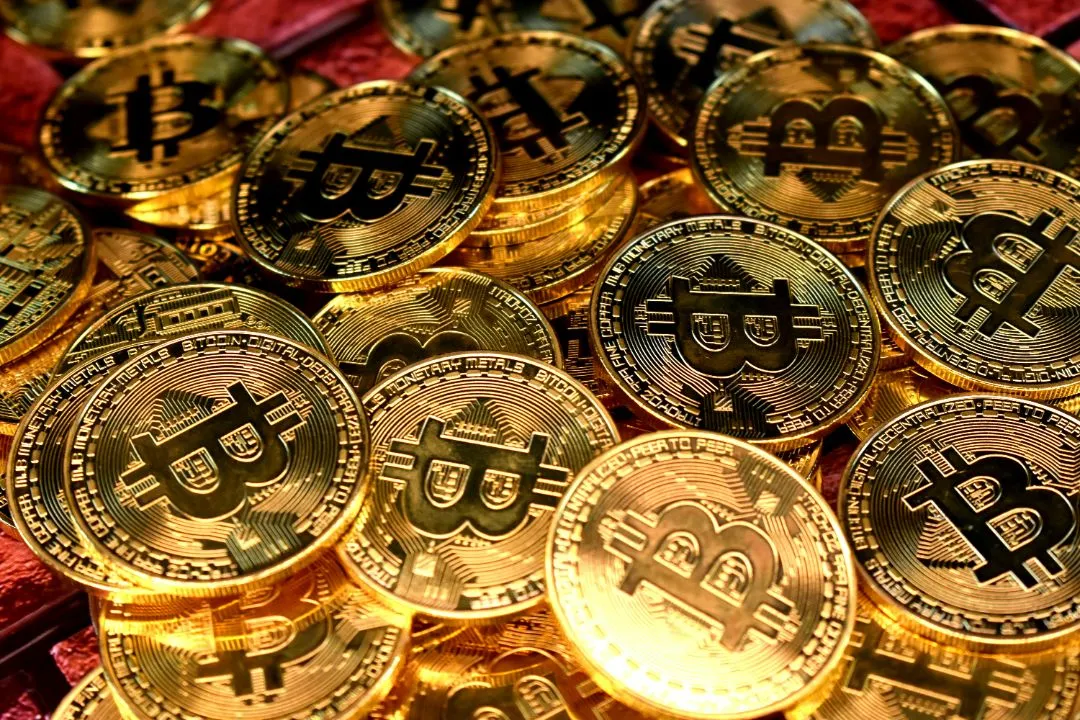
Photo by Annie Spratt on Unsplash


Three months of engagement

Under the slogan “Build Your Own Block,” the second Up!To cohort will engage in a range of activities for about three months. These activities will involve creating content focused on digital assets and investor protection, brainstorming ideas to enhance Upbit’s services, and attending events hosted by Upbit. The group will also take part in various environmental, social, and governance (ESG) activities to contribute to society.


Financial support and incentives

The Upbit Investor Protection Center will offer financial support to participants to help fund their activities. In addition, the top-performing team will be awarded a cash prize of KRW 5 million (approximately $3,700), while standout individual participants will receive KRW 3 million. Those who excel in the overall evaluation will also have the chance to earn a three-month internship at Upbit.

At the ceremony, Lee Hae-boong, the head of the Upbit Investor Protection Center, expressed his hope that the Up!To participants would seize this opportunity to build meaningful “blocks” in their own lives. He also encouraged them to bring forward innovative ideas that would contribute to fostering a healthy culture around digital asset investment.

Meanwhile, updates on the activities of the second Up!To cohort will be available on the official YouTube channel and website of the Upbit Investor Protection Center.


More to Read
View All
Policy & Regulation·

Dec 24, 2025

Japan moves toward municipal blockchain bonds as crypto tax reforms face delays

The Japanese government is moving to modernize municipal finance through blockchain technology, though the timeline for much-anticipated cryptocurrency tax reforms appears to be drifting further into the future. Municipal bonds as security tokensAccording to a Dec. 23 Nikkei report cited by CoinDesk Japan, policymakers decided to begin preparing to issue local government bonds as security tokens. The government aims to submit the necessary legislation during the ordinary Diet session in 2026. Concrete measures, shaped by requests from local municipalities, are expected to be finalized ahead of next year. Advocates say that issuing bonds as blockchain-based security tokens would modernize local government finance by reducing friction in issuance and settlement and enabling real-time tracking of investor data.Photo by Luke Stackpoole on UnsplashCrypto tax reform seen as taking timeWhile the digitization of bonds progresses, the schedule for easing the tax burden on crypto investors is reportedly facing setbacks. CoinPost reported that, according to sources, the transition to a separate tax on crypto gains is now expected to take place in January 2028, a delay from the initially envisioned target of January 2027. The legislative groundwork is still slated for the 2026 Diet session, where amendments bringing crypto assets under the Financial Instruments and Exchange Act (FIEA) will be deliberated. However, the current cautious policy approach prioritizes investor protection and adjustments to the tax reporting framework, making a delay in implementation more likely. The proposed amendments address the steep tax liabilities currently faced by domestic investors. Under Japan’s current system, crypto gains are treated as miscellaneous income, taxed comprehensively with salary and other earnings at rates that can reach roughly 55% when including local taxes. The plan, which the ruling coalition has been coordinating, aims to align crypto taxation with that of stocks and forex trading. It would introduce a flat 20% separate tax rate and allow loss offsets and carryforwards of up to three years, bringing crypto closer to other financial assets. It would also ease tax filing by potentially adopting a framework similar to the designated accounts used in Japan’s securities market, reducing the reporting burden on digital asset investors. The slow pace of these regulatory changes has drawn criticism from the private sector. Tomoya Asakura, CEO of SBI Global Asset Management, a subsidiary of SBI Holdings, took to the social media platform X to voice concerns about the pace of reform. Asakura characterized the process as "extremely slow," warning that the lag places Japan behind jurisdictions such as the U.S., Asia, and the Middle East. He argued that continued delays would further impede domestic initiatives in Web3 and digital finance. Bybit to pull out next yearAmid this shifting regulatory landscape, foreign entities are adjusting their operations. Dubai-based crypto exchange Bybit, which is not registered with Japan’s Financial Services Agency, announced on Dec. 22 it will phase out services for Japanese users to remain compliant with local rules. The exchange has stopped onboarding Japanese residents or nationals since 12:00 p.m. UTC on Oct. 31, and accounts held by customers in Japan will be gradually restricted starting next year. 

news
Web3 & Enterprise·

Oct 10, 2023

Shinhan Card’s Membership NFTs Offer Discounts at Emart24 Convenience Stores

Shinhan Card’s Membership NFTs Offer Discounts at Emart24 Convenience StoresShinhan Card, a major South Korean credit card company, announced on October 10 (local time) that it is launching membership non-fungible tokens (NFTs) in collaboration with convenience store chain Emart24 and Kakao’s blockchain subsidiary Ground X.Photo by Andrey Metelev on UnsplashNFT and loyalty pointsOwners of the membership NFTs can make purchases of KRW 5,000 ($3.71) or more at Emart24’s brick-and-mortar stores using the Shinhan Card mobile app, known as Shinhan pLay, to earn KRW 1,000 worth of My Shinhan Points. This benefit can be claimed up to three times a month.Moreover, upon purchasing the NFT, buyers will be gifted a KRW 2,000 off Emart24 coupon. Every month, they’ll be treated to a KRW 1,000 off coupon, a 10% off coupon on alcoholic beverages (with savings of up to KRW 3,000), and another 10% off coupon (with savings of up to KRW 1,500).NFT holders also get a KRW 2,000 discount coupon for the card company’s shopping platform, Allthat. Furthermore, every month, when they spend over KRW 10,000 in the food and nutrition category, they can use a 20% discount coupon, saving up to KRW 10,000 on their purchase.Valid for three monthsThese benefits will remain valid for three months starting from the date of issuance of the NFT. A total of 1,000 membership NFTs will be offered for sale at KRW 9,900 each on the Allthat platform until October 16.Purchased NFTs can be received via Ground X’s Klip Wallet, which is accessible through the Emart24 app and the Shinhan pLay app.This initiative stems from an NFT alliance established in July of last year, comprising Shinhan Card, Emart24, and Ground X. The alliance, known as GRID, has set its sights on promoting the widespread adoption of NFTs across diverse sectors, including finance, commerce, and entertainment. Commencing with this effort, Shinhan will engage in collaborative efforts with fellow GRID members to explore additional avenues for expanding its services through its pLay app.

news
Policy & Regulation·

Nov 07, 2023

Hong Kong regulators consider opening up crypto ETFs to retail

Hong Kong regulators consider opening up crypto ETFs to retailHong Kong regulators are now exploring the possibility of allowing retail investors to participate in spot crypto exchange-traded funds (ETFs).The CEO of Hong Kong’s Securities and Futures Commission (SFC), Julia Leung, was cited by Bloomberg on Sunday as having indicated that provided that the necessary regulatory approvals and checks are in place, the regulator may be open to the notion of retail participation where spot crypto ETFs are concerned. Leung emphasized the regulator’s openness to innovative technology that enhances efficiency as long as it addresses potential new risks.Photo by Markus Winkler on Pixabay‘Happy to give it a try’She stated: “We welcome proposals using innovative technology that boosts efficiency and customer experience. We’re happy to give it a try as long as new risks are addressed. Our approach is consistent regardless of the asset.”While both the United States and Hong Kong currently permit futures-based cryptocurrency exchange-traded funds (ETFs), the adoption of such instruments has been relatively modest in comparison to the broader fund industry.In Hong Kong, there are currently ETF listings for products like Samsung Bitcoin Futures Active, CSOP Bitcoin Futures and CSOP Ether Futures, with a total combined asset value of approximately $65 million. In June, Hong Kong’s largest ETF manager, Hang Seng, suggested that it too was considering a crypto product offering.In accordance with the SFC’s digital asset regulations, individual investors already have the opportunity to trade prominent cryptocurrencies like Bitcoin and Ether on licensed cryptocurrency exchanges since June 1. Presently, BC Technology Group Ltd.’s OSL and HashKey Exchange are the only platforms in Hong Kong with permits for cryptocurrency trading. Additionally, there are expectations that mandatory regulations concerning stablecoins will be introduced over the course of the next year.Prioritizing investor protectionLeung expressed the regulator’s cautious approach, stating:“As the crypto ecosystem evolves step-by-step to the point where we’re comfortable, then we’re happy to open up more access to the wider investing public.”Notably, Hong Kong also recently unveiled its Web3 plans, highlighting its commitment to embracing blockchain and decentralized technologies.Hong Kong introduced a specialized regulatory framework for virtual assets in June which are designed to attract businesses while prioritizing investor protection. That need to protect consumers has been underscored recently by the alleged fraud that has subsequently been uncovered involving HK$1.6 billion ($204 million) at the unlicensed JPEX cryptocurrency exchange in the city.Market reactionThe significance of such a move isn’t lost on crypto market participants. Taking to X, one wrote: “Seismic shift. Hong Kong’s play could reshape the Asian crypto landscape. #Bitcoin ETFs? A strategic move to anchor HK as the digital nexus of Asia.” Another claimed that this “might redefine the crypto landscape and fuel the next bull market.”A report published by the Hong Kong Stock Exchange in April found that crypto ETFs have the potential to play a significant part in the next phase of digital asset innovation in Asia.Leung emphasized the importance of a strong and comprehensive regulatory structure, highlighting the SFC's efforts to enhance transparency in processing license applications for virtual asset exchanges.Moreover, the Hong Kong Monetary Authority (HKMA), the Chinese autonomous territory’s central bank, is actively exploring the possibility of offering guidance to banks regarding the provision of digital asset custodial services. These services are considered vital for nurturing the growth of a digital asset ecosystem and ensuring investor security.

news
Loading