Top

KuCoin affiliate applies for license in Hong Kong amid identity mix-up

Policy & Regulation·November 29, 2023, 2:36 AM

In a recent development on the Hong Kong crypto scene, VAEXC Limited, a cryptocurrency exchange, has submitted an application for a crypto trading license. The move had sparked a misunderstanding as some reports suggested the application was submitted by a Binance-linked company when in fact, it turns out to be a KuCoin-affiliated entity.
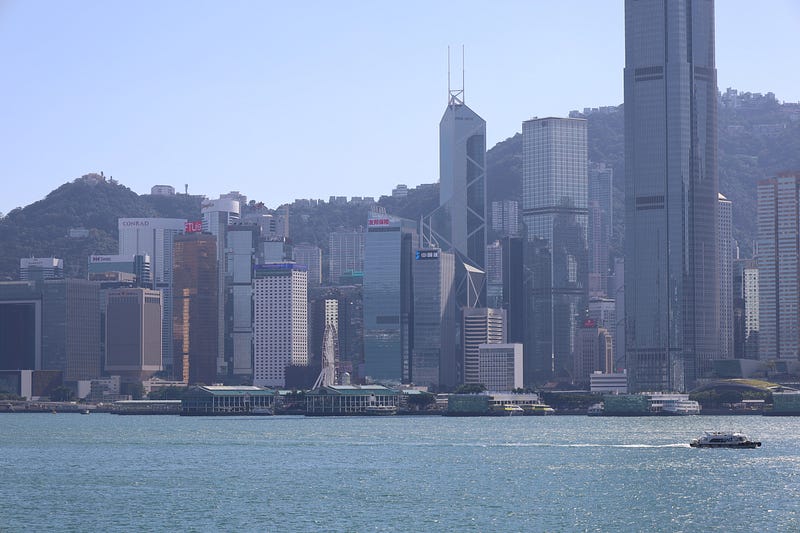
Photo by Stella P on Unsplash


Reporting confusion

A report published in October by the South China Morning Post (SCMP) asserted that a newly established crypto exchange named HKVAEX appeared to be connected with global crypto platform Binance.

In the meantime, it emerged more recently that an application for a trading license had been submitted by the similarly named VAEXC Limited. While many reports confused this entity with what is believed to be a Binance-linked company, subsequent reports have emerged to confirm that the application pertains to an entity associated with the Seychelles-incorporated cryptocurrency exchange, KuCoin.

In response to these initial wayward reports, a HKVAEX spokesperson confirmed that the company is in the process of preparing a licensing application in Hong Kong but that it has yet to do so. The spokesperson stated:

“We are still in the preparatory stages for the application” . . . “VAEXC is an entirely separate applicant, and our operations are completely independent.”


Leveraging KuCoin technology

The SFC updated the list of virtual asset trading platform applicants on Nov. 27, disclosing that Hong Kong VAEXC Limited submitted its application on Nov. 25. Operating under the name VAEX, the exchange places a strong emphasis on security and regulatory compliance, positioning itself as a next-generation, trusted virtual asset exchange.

Backed by a team with extensive industry expertise and leveraging KuCoin Tech, VAEX aims to offer a secure, reliable, stable and user-friendly platform for crypto asset trading and management. In celebration of VAEX’s launch, KuCoin conducted a public testing campaign, featuring a 15,000 USDT prize pool for eligible KuCoin users and participants.

Despite the recent scandals in Hong Kong’s crypto scene — including an alleged fraud at the JPEX crypto exchange and more recently still, an alleged Ponzi scheme orchestrated by unlicensed crypto exchange Hounax — the regulatory stance in Hong Kong remains unwaveringly positive where digital assets are concerned.

Introduced in June, regulations in Hong Kong mandate cryptocurrency exchanges to apply for a Virtual Asset Service Provider (VASP) license from the SFC by June 2024 or face de-registration. Notably, unregistered exchanges are permitted to operate during the interim transition period.

KuCoin’s investment arm, KuCoin Ventures, has also been active in Hong Kong. In March, the firm led a $10 million investment in CNHC, a Hong Kong-based stablecoin issuer. Three months later, amid a changing regulatory environment in 2023, the platform confirmed a tightening of its compliance procedures with the introduction of mandatory know-your-customer (KYC) identity checks.

Meanwhile, it’s unclear as to what plans Binance has to expand in Hong Kong if any. The leading global exchange is facing very challenging legal issues in the United States currently. That could have a bearing on its plans in Hong Kong, while it remains unclear as to what level of involvement it has with HKVAEX.

More to Read
View All
Policy & Regulation·

Aug 11, 2023

DigiFT Unveils First Fully Regulatory-Compliant US Treasury Token

DigiFT Unveils First Fully Regulatory-Compliant US Treasury TokenDigiFT, a pioneering decentralized exchange (DEX) for digital assets with a Singapore-based project team, has made waves in the financial landscape with the official launch of the DigiFT US Treasury Token.Photo by Karolina Grabowska on PexelsTradFi and blockchain convergenceThe company announced the launch of the Treasury token, known as “DUST,” via a press release on Thursday. It’s the first-ever fully regulatory-compliant US Treasury token issued on a public blockchain, signaling a powerful convergence of traditional finance and blockchain technology.DUST has the potential to be a game-changer in the crypto space, offering accredited and institutional investors an unparalleled opportunity to seamlessly invest in US Treasuries through a secure and transparent on-chain channel. One of its standout features is its backing by a single US Treasury note with a specific maturity date, instilling confidence and reassurance in investors seeking stable and reliable assets.Regulatory complianceThere are other tokenized treasuries in existence already. However, DigiFT differentiates its product through adherence to rigorous regulatory standards, ensuring that the tokenization process aligns with established financial norms.Henry Zhang, CEO of DigiFT, expressed his enthusiasm about this groundbreaking achievement:“The launch of DigiFT US Treasury Token represents our commitment to bring the best of both decentralized finance (DeFi) and traditional yield to investors.”He emphasized that DUST not only bridges the gap between DeFi and real-world assets (RWAs) but also upholds the highest standards of regulatory compliance.DUST’s innovative structure offers investors the flexibility to participate using US dollars or US dollar stablecoin (USD Coin). The product is accessible to all, given that it facilitates a minimum investment amount of 1 USD or USDC. To enhance accessibility further still, DUST ensures same-day settlement for investments below USD 50,000, contingent on liquidity conditions.Zhang emphasized the transformative potential of DUST, stating: “We believe that tokenization of RWAs is poised to become the future of investing, and DUST will support the wider adoption of digital tokens with its compliant features.”Rapid progressThe issuance of DUST tokens is overseen by Red Cedar Digital Pte. Ltd., an affiliate of DigiFT, with a yield to maturity (YTM) of 5.40% as of August 3, 2023. DigiFT’s journey began in 2020 when it became the first and only DEX to be accepted into the Monetary Authority of Singapore (MAS) FinTech Regulatory Sandbox.Since then, DigiFT’s list of achievements has grown exponentially. The platform successfully listed a tokenized corporate note from Diners Club (Singapore), which achieved full subscription at its initial offering.Additionally, a tokenized bond, backed by a Barclays 8% Perpetual Bond and custodied with a licensed global financial institution, reinforced DigiFT’s reputation for innovation. The platform’s regulatory-compliant access to Matrixdock’s Short-term Treasury Bill Token (STBT) further solidified its role in pioneering secure and transparent investment avenues.DigiFT’s product offering demonstrates that we are likely to see an ongoing blurring of the lines between blockchain-based innovation and traditional products in conventional finance over the next few years. As DigiFT continues to champion regulatory compliance and innovation, investors can anticipate even more transformative solutions that harmonize the best of both worlds.

news
Policy & Regulation·

Apr 11, 2023

Korean Prosecutors Say Do Kwon and His Colleagues Knew Terra Was Unviable from the Beginning

Korean Prosecutors Say Do Kwon and His Colleagues Knew Terra Was Unviable from the BeginningKorean prosecutors claimed that Terraform Labs founder Do Kwon and the key members behind the Terra-LUNA crash were aware of the project’s unviability from the beginning, according to a file issued by the Seoul Southern District Court.©Terraform LabsTerraform Labs founders misleading Korean investorsTerraform Labs founders Do Kwon and Daniel Shin attracted 280,000 investors in Korea alone, claiming that the Terra stablecoin is a means of transaction, even though the company leaders had been notified by the financial authority that Terra-accepting businesses were impermissible. It is reported that during a search and seizure of the company, Korean prosecutors collected evidence that its employees shared such knowledge on their internal messaging system.Terra’s cross trading on crypto exchangesKnowing their cryptocurrency’s unviability, Terra executives registered its sister token LUNA for listing on major Korean crypto exchanges in May 2019. According to the Korean prosecution, they used a bot to create a trade volume of more than 800 million won in three domestic crypto exchanges by cross trading between 2019 and early last year.Cross trading is illegal in the stock market, as it is considered as an act of price manipulation, but LUNA was traded in crypto exchanges and it hasn’t been determined whether their token is a security or not. Under current Korean law, the court has to accept it as a security to punish those behind the Terra collapse.Shin’s denial of allegationsMeanwhile, Daniel Shin denied the prosecution’s allegations and argued that they had never received such a notice from the financial regulator.

news
Policy & Regulation·

Jun 28, 2023

Korea’s Most Populated Province to Conduct Survey on Unfair Crypto Trading

Korea’s Most Populated Province to Conduct Survey on Unfair Crypto TradingGyeonggi-do, the most populated South Korean province that encircles the nation’s capital of Seoul, announced today a plan to conduct a survey among its residents later this year to assess their experiences with unfair cryptocurrency trading practices.Photo by mockupbee on UnsplashRising crypto-related complaintsThe decision to conduct this survey was prompted by the increasing number of residents experiencing unfair losses from cryptocurrency investments amid an economic slowdown. Last year, the consumer counseling center in Gyeonggi-do received 448 complaints related to crypto assets, which was more than triple the number in 2020.The objective of the survey, which will run from August to November, is to gather data on residents’ perceptions of crypto assets, their methods of accessing them, the types of investment victims, and the extent of investment losses. To obtain a comprehensive understanding of the current situation, Gyeonggi-do will also analyze complaints from the past three years and establish appropriate response measures.In-depth interviewsIn addition to the survey, Gyeonggi-do plans to conduct in-depth interviews with victims by making visits and phone calls. The provincial government aims to categorize each case into major groups such as illicit pyramid schemes, suspicious investment advice channels, illegitimate fund-raising activities, market manipulations, and fake crypto sales.Legislation in progressMeanwhile, the Virtual Asset User Protection Bill is currently undergoing the legislative process in the National Assembly. Gyeonggi-do is committed to devising appropriate consumer protection policies within its jurisdiction to safeguard residents and prevent further damages until the act becomes effective. Cases of unfair trading practices uncovered during the survey will undergo legal reviews and may result in fines or lawsuits.Heo Seong-cheol, the head of the Fair Economy Division at the Gyeonggi-do government, expressed the province’s dedication to minimizing financial losses incurred by consumers due to criminal activities in the crypto industry. He said the survey will provide valuable insights to the local government, enabling them to gain a comprehensive understanding of the current situation regarding unfair crypto trading practices and take necessary actions.

news
Loading