Top

BRC-20 token standard architect objects to proposed fork

Web3 & Enterprise·January 04, 2024, 1:07 AM

Disagreement has emerged within the Bitcoin blockchain community, revolving around the BRC-20 token standard.


Domo, the pseudonymous developer behind the creation of the token standard, has publicly expressed his opposition to an upcoming upgrade proposed by the Hong Kong headquartered project, UniSat Wallet.
https://asset.coinness.com/en/news/885344b26338306a909580daea0ae347.jpg
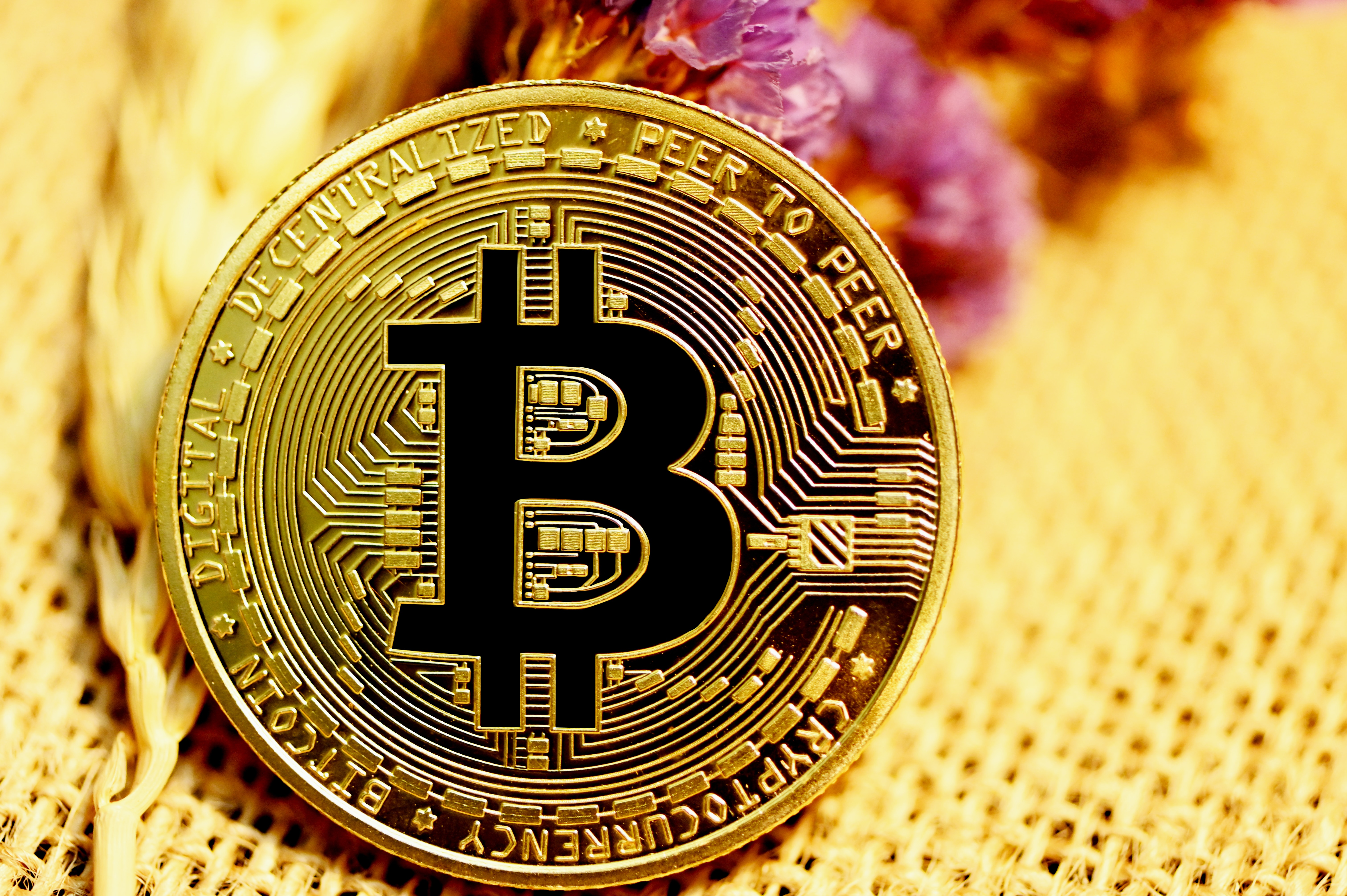
Photo by Kanchanara on Unsplash

Due diligence concerns

On Tuesday Domo took to the X social media platform (previously Twitter) to articulate his concerns. He voiced apprehensions about hastily implementing updates in BRC-20, asserting that such a rush could potentially harm the broader BRC-20 user community. Domo's resistance is rooted in his belief that UniSat Wallet's proposed updates lack due diligence and are being introduced precipitously without considering potential repercussions. He wrote:

”Recognizing the serious implications and valuations involved, I believe rushing these updates in BRC20 is reckless, disregards their peer indexers, and could potentially harm the broader community of BRC20 users.”


‘Split’ rather than ‘fork’

Conversely, UniSat Wallet has declared its intention to “follow the Ordinals Jubilee upgrade, to confirm that BRC-20 is still on Ordinals without splitting into an isolated protocol."


Described as a "split" rather than a "fork," UniSat Wallet's approach adapts to the Ordinals Jubilee upgrade, a transformative change in how the Bitcoin blockchain manages tokenized assets. In mapping the way forward its proposing to take, UniSat outlined that it would publish a whitepaper on Jan. 31, describing it as “the most significant present we are able to deliver” for BRC-20, Ordinals and Bitcoin.


The crux of the matter lies in the method and pace of implementing these changes. Domo's concerns reflect a broader sentiment within the crypto community, where the rapid pace of advancements often collides with the need for stability and thorough vetting. UniSat Wallet's proposed changes, though innovative, may be viewed as potentially destabilizing by certain community members, especially those deeply entrenched in the current BRC-20 standard.


Striking a balance

This development is pivotal, highlighting the dynamic and occasionally contentious nature of blockchain technology and cryptocurrency standards. Web3 project incubator and investor TrustlessLabs summed up the matter in a social media post on Wednesday, drawing the following conclusions:

”This situation encapsulates a critical challenge in blockchain protocol development: finding the right balance between preserving stability and embracing technological advancements.”


As technology evolves, divergent opinions on the trajectory of these advancements are inevitable. The ongoing debate between Domo and UniSat Wallet serves as a microcosm of the larger conversations transpiring in the crypto space about how to strike the right balance between progress and stability.


The BRC-20 token standard, an experimental fungible token standard on Bitcoin, draws inspiration from Ethereum's ERC-20 standard. It allows the creation of fungible tokens using Bitcoin’s Ordinals protocol, constituting a significant breakthrough in cryptocurrency by enabling novel forms of tokenization on the Bitcoin blockchain.


This disagreement not only spotlights a critical debate in the crypto realm but also emphasizes the delicate equilibrium between innovation and stability.




More to Read
View All
Web3 & Enterprise·

Aug 01, 2023

Superblock Rolls Out Crypto Wallet, Garnering Over 680K Pre-Registrants

Superblock Rolls Out Crypto Wallet, Garnering Over 680K Pre-RegistrantsSouth Korean blockchain startup Superblock has successfully rolled out its own cryptocurrency wallet, named Over Wallet, according to a report by local news outlet Newsis. The wallet has already amassed over 680,000 pre-registrants since April, ahead of its official release.Photo by Shubham’s Web3 on UnsplashAccessibility and cost reductionOver Wallet serves as the mobile crypto wallet for the Over Protocol, a blockchain mainnet developed based on the paper published by Superblock’s CEO, Kim Jae-yun. The Over Protocol distinguishes itself through its accessibility, offering enterprises interested in the Web3 industry an opportunity to reduce costs associated with infrastructure investment and service operation.With the introduction of Over Wallet, Superblock empowers users with the capability to collect and manage Over points. The company plans to add functions for the management and transfer of token assets to provide an even more optimized user experience.Currently, Over Wallet is available for download on the Apple App Store and Google Play Store.Mainnet launch next yearAs part of the preparations leading up to the Over Protocol’s mainnet launch in the first half of next year, the Over Community Access Program (OCAP) has also been unveiled. OCAP enables users to earn Over points by completing various tasks. These accumulated points can then be used at the Over Protocol pop-up store, a side event scheduled for the annual blockchain conference, Korea Blockchain Week 2023, taking place in Seoul in September. The event will collaborate with KREAM, a resale and trading platform catering to collectors of limited editions.Superblock CEO Kim has a notable background, having founded Decipher, a blockchain study group at Seoul National University, in 2018. During the establishment of Superblock, Kim successfully secured funding from investors Spring Camp and Naver Z, both affiliates of the Korean search engine giant Naver.There has been additional support that underpins Superblock’s commitment to blockchain ventures. Last October, the company partnered with Shinhan Securities for technological cooperation. Subsequently, in February of this year, Superblock raised a Series A funding round of 9 billion KRW ($7 million). Investors in this round include notable names like conglomerate SK Inc., game developer Netmarble, and venture capital firm DSC Investment.

news
Web3 & Enterprise·

Aug 17, 2023

Wemade to Participate as Main Sponsor in G-STAR 2023

Wemade to Participate as Main Sponsor in G-STAR 2023South Korean blockchain game developer Wemade will participate as the main sponsor in this year’s G-STAR 2023, the global game exhibition to take place from November 16 to 19 in the southern port city of Busan. This marks the company’s second consecutive year as a main sponsor of the event, highlighting its commitment to promoting Korea’s rapidly growing global blockchain gaming market.“We hope that G-STAR will mark a turning point for Wemade as a blockchain pioneer in the domestic gaming market,” said Henry Chang, the company’s CEO.Leading the future of gamingAt the exhibition’s B2C section, Wemade will unveil its upcoming releases set to enter the global market via WEMIX PLAY, its blockchain gaming platform. The developer said it will showcase games including the MMORPG “Legend of YMIR,” which is currently in the works at Wemade’s extended reality subsidiary Wemade XR, and the baseball game tentatively titled “Round 1 Baseball” under development by Round 1 Studio, which Wemade will publish.Photo by Jack B on UnsplashWemade also plans to participate in discussions regarding potential collaboration opportunities with other domestic and international gaming and blockchain companies in the B2B section.CEO Chang is set to deliver the opening keynote speech at G-CON 2023, a conference to be held at the exhibition, on November 17 at 10 AM. He will present his insights into the future vision for the blockchain gaming market.Moreover, various outdoor events are being prepared to create a festive atmosphere for visitors to enjoy throughout different areas of Busan.Wemade plans to publish an online page for G-STAR 2023 to provide detailed information about their showcased works and general details about the event.Success storyNotably, at last year’s G-STAR, Wemade unveiled “Night Crow,” — an MMORPG made by Madngine, a game-developing company that Wemade invested in this year — which drew the attention of the attendees. The game has since topped popularity and sales rankings following its domestic release in April. A blockchain version of the game utilizing tokenomics is also set to launch in the global market at the end of this year.

news
Policy & Regulation·

Oct 26, 2023

Korean Financial Authorities to Provide Support for Security Token Market

Korean Financial Authorities to Provide Support for Security Token MarketAmid growing calls for accelerating the growth of the emerging security token (ST) market, the South Korean government is preparing to introduce supportive measures. The security token market is powered by blockchain technology which allows fractional investment in real world assets (RWAs) such as real estate and artwork.Security tokens are digital assets that represent securities generated through a process called security token offering (STO). These tokens, backed by RWAs, can be traded similarly to traditional securities. Investors can use these tokens to obtain shares, voting rights, interest, or profits.Photo by Philip Jang on UnsplashSupport measures for security token IndustryNext month, the Financial Services Commission (FSC) will draw up support measures and policy improvement plans to bolster the nascent security token industry. An FSC representative mentioned that the agency intends to work with the National Assembly to finalize the legislation of security token-related bills by November. Furthermore, the government official said the FSC will actively seek input from industry stakeholders to formulate strategies for enhancing policies designed to promote the growth of the security token market.To align with the national objective titled “The Establishment of Digital Asset Infrastructure and Regulatory Framework,” the FSC revealed regulatory guidelines for security token issuance and distribution in February. These new guidelines are centered around the establishment of institutions responsible for account management and entities engaged in over-the-counter (OTC) trading. Subsequently, in July, lawmaker Yun Chang-hyun, a member of the National Assembly’s National Policy Committee, proposed a bill to amend the Electronic Securities Act and the Capital Markets Act with the aim of ensuring that these Acts are consistent with the new regulatory guidelines.Security token market’s growth potentialWith growing anticipation that the security token market could rival the size of the exchange-traded fund (ETF) stock market, securities firms, banks, and blockchain companies have been eager to carve out a niche for themselves since the start of the year. However, their progress has been hindered by a potentially extended period of higher interest rates in the US and the slow advancement of security token-related legislation. While these organizations tried to explore opportunities through the financial regulatory sandbox, their endeavors proved more or less fruitless. An official from a securities firm voiced concerns over the escalating costs of setting up security token infrastructure, especially with legislative delays.On this matter, the Korea Financial Investment Association (KOFIA) has emphasized the urgent need to pass security token legislation to clear up regulatory ambiguities. They’ve also called for measures to stimulate market growth, such as relaxing regulations related to token issuance and distribution and increasing investment caps.At a seminar hosted by the Korea Capital Market Institute, Ahn Hyuk, Head of the Platform Division at Korea Investment and Securities, highlighted that the rigorous review of security registration applications by the Financial Supervisory Service (FSS) might impede the security token market’s growth. Responding to this, Jang Young-shim, Head of the Corporate Disclosure Department at FSS, said that both the FSC and FSS will carefully listen to industry feedback, addressing a range of topics from regulatory relaxation to investor protection.

news
Loading
