Top

Asian Market Surge for XRP Amid Broader Market Implications

Markets·April 06, 2023, 9:07 AM

XRP, the cryptocurrency and native token used by real time gross settlement system, Ripple, has seen renewed activity in recent weeks in terms of trading volume. That trading volume appears to be more pronounced in Asian markets such as South Korea.

Asian Market Surge for XRP Amid Broader Market Implications
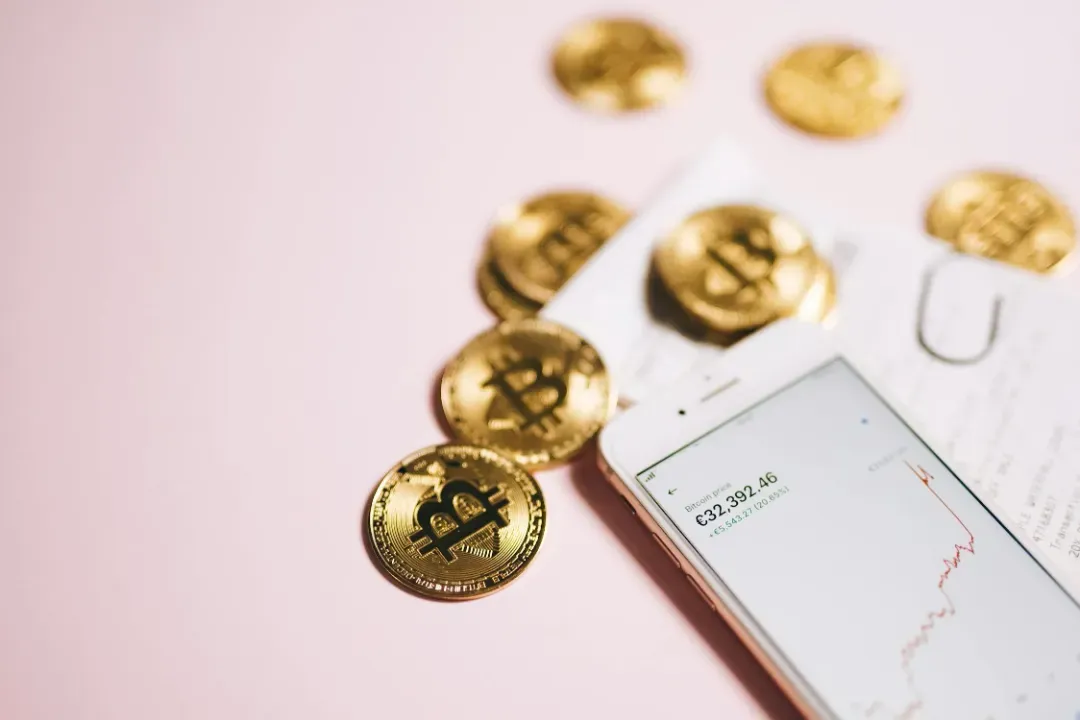
©Pexels/RODNAE Productions

The XRP token has traded up 22% over the course of the past seven days, with a current unit price of $0.54. Trading volume has surged on South Korean exchanges such as Bithumb UpBit and Korbit where volume spiked 18%, 37% and 50% respectively over the past 24 hours. This trading activity is irregular as ordinarily the trading volume of Bitcoin and ether would account for the vast bulk of trading on the three leading Korean exchanges.


Speculative interest

XRP has under-performed in recent years and at the heart of its difficulties has been a multi-year legal battle with the Securities and Exchange Commission (SEC) in the United States. In its complaint, the SEC has claimed that XRP is an unregistered security. Speculation in recent weeks suggests that this highly litigated battle may be drawing to a conclusion. Many commentators have suggested that either a deal will be struck or the court could soon decide to rule on the matter.

During the 2017 bull market, the token reached the heady heights of a $3.40 unit price. That’s a target that the cryptocurrency has never been able to reach ever since. During the last bull market, it rose to around $1.76 for a short time in April 2021. There’s little doubt but the regulatory cloud hanging over it has suppressed the price. Much depends on the outcome of this lawsuit, not just for XRP but for crypto as a whole.

Another notion driving speculative interest is the idea that the Commodity Futures Trading Commission (CFTC) may classify XRP as a commodity. That line of thought is more recent and follows the CFTC classifying a number of cryptocurrencies as commodities in its lawsuit against global crypto exchange Binance. In follow up comments earlier this week, CFTC Chair Roistin Behnam reiterated the claim.

The very fact that the CFTC has made this claim is significant in terms of the case being pursued by the SEC, potentially weakening the SECs case. Lawyers for Ripple have made the court aware of the CFTCs claims.


Crypto moving forward

Crypto traders in South Korea have been notorious in the past for pursuing speculative trends within the industry with the Kimchi Premium on Bitcoin back in the day as a stand out example. Whether speculative or not, the outcome for XRP, Ripple and the broader cryptocurrency space relative to the cryptocurrency’s regulatory status will be significant.

A positive result will not just be a fillip for XRP, Ripple and Asian and other crypto traders who have speculated on such an outcome. It will also serve to provide a level of regulatory protection for all other crypto projects within the United States. A negative outcome to the lawsuit will not be ideal for XRP, Ripple and US-based crypto projects. However, Ripple CEO Brad Garlinghouse has said in the past that if innovation is driven overseas, Ripple will focus on developing its product overseas.

In an interview this week Ripple President Monica Long suggested that over and above the lawsuit, crypto innovation is generally being pushed outside of the United States. Long cites Asia as taking the lead on “thoughtful crypto policy”. On that basis, it’s likely that one way or another crypto moves forward and maybe South Korean speculators will be proven right regardless of the outcome of the XRP..

More to Read
View All
Policy & Regulation·

Oct 25, 2023

China Makes History by Settling Cross-Border Oil Deal with Digital Yuan

China Makes History by Settling Cross-Border Oil Deal with Digital YuanThe digital yuan, China’s central bank digital currency (CBDC), also known as e-CNY, was used for the first time to settle a significant oil transaction.Chinese state-owned media outlet China Daily reported on Saturday that the Shanghai Petroleum and Natural Gas Exchange (SHPGX) revealed on October 20 that PetroChina International, a subsidiary of the China National Petroleum Corporation (CNPC), successfully acquired 1 million barrels of crude.Photo by engin akyurt on UnsplashAdvancing e-CNY use internationallyThis transaction is a response to the call by the Shanghai Municipal Party Committee and Municipal Government to incorporate the digital yuan into international trade, marking a noteworthy stride towards the broader adoption of the digital currency.The exact seller and price details for the deal were not disclosed. This historic crude oil transaction signals not only the increasing use of the digital yuan in global trade but also a noteworthy step in the movement towards de-dollarization. Reports from China Daily suggest that the use of the yuan in cross-border settlements experienced a remarkable 35% year-on-year increase in the first three quarters of 2023, reaching a total of $1.39 trillion.This milestone isn’t the first time the yuan has been utilized in the energy sector. In March, the yuan was first used in a liquefied natural gas (LNG) purchase on the SHPGX, as French TotalEnergies reached an agreement to sell LNG to the China National Offshore Oil Corporation (CNOOC). Recently, another LNG deal was executed between CNOOC and French Engie, although these transactions did not involve the digital yuan.In parallel developments, First Abu Dhabi Bank announced on October 19 that it had established an agreement on digital currency with the Bank of China during the third Belt and Road Forum for International Cooperation. China and the United Arab Emirates, including Abu Dhabi, are participants in the mBridge platform designed to facilitate cross-border transactions using CBDCs. The mBridge platform is expected to launch as a minimum viable product in the coming year.Furthering mass adoptionThe Chinese authorities are taking several distinct approaches in furthering mass adoption of the e-CNY. The Chinese subsidiaries of both Singapore’s DBS Bank and France’s BNP Paribas have recently partnered with the People’s Bank of China to enable their international clients operating in China to use the digital yuan.A long list of initiatives have been taken within mainland China by regional governing authorities to further the use of the CBDC. To further enable mass adoption at home, a new offline SIM card-based digital yuan wallet was developed and launched earlier this year.The successful use of the digital yuan in settling this oil deal represents a significant step forward in the internationalization of China’s currency and the growing influence of CBDCs on the global economic stage. As the world watches these developments unfold, the digital yuan continues to make strides towards becoming a crucial means of exchange in international trade and finance.

news
Policy & Regulation·

Jun 17, 2023

Huobi Expands Crypto Trading Services in Hong Kong

Huobi Expands Crypto Trading Services in Hong KongHuobi, the Seychelles-headquartered prominent cryptocurrency exchange, is making strides in Hong Kong as its local subsidiary, Huobi HK, now offers crypto trading services to clients in the region.Following its expressed intention to apply for a virtual asset exchange license from the Hong Kong Securities and Futures Commission (SFC), Huobi HK has commenced providing crypto spot trading and virtual asset custody in Hong Kong. In order to comply with regulatory and anti-money laundering (AML) requirements, the exchange will collaborate with independent auditors, as announced by Huobi HK on Twitter.Photo by Shubham Dhage on UnsplashCrypto business licensingThis move aligns with the broader trend of crypto firms shifting their focus toward the East, where regulatory environments are becoming increasingly accommodative. A spokesperson for Huobi stated in a prepared statement: “Regulation of Web3 in Hong Kong will contribute to the widespread adoption of cryptocurrencies on a global scale.”Hong Kong, a Special Administrative Region under Chinese governance, recently introduced a regulatory framework for crypto exchanges, which took effect on June 1. Under these new regulations, retail investors in Hong Kong will be able to trade cryptocurrencies on licensed platforms, removing previous restrictions that limited trading to investors with portfolios exceeding HK$8 million (approximately $1 million).The new regulations impose requirements on virtual asset trading platforms to implement “suitable” onboarding processes and disclosures. Additionally, tokens must meet “minimum criteria” to ensure that “retail investors should be less prone to market manipulation.”Crypto sector interestHong Kong’s inviting regulatory landscape has already piqued the interest of crypto firms. The Greater China division of WeWork, a coworking provider, reported receiving 40 to 50 applications and inquiries from crypto businesses seeking to establish a presence in Hong Kong in recent months.Justin Sun, Tron founder and Huobi global adviser, drew parallels between the developments in Hong Kong and Beijing in a tweet, stating, “It is indeed fascinating to witness the Beijing government’s recent focus on Web 3.0, particularly considering the imminent June 1st developments in Hong Kong.” Sun added that this represents “a significant step towards recognizing the transformative potential of decentralized systems and blockchain-based solutions.”Huobi is actively involved in the development of Hong Kong’s Web3 ecosystem. In addition to its cryptocurrency trading license application, the firm became a significant contributor to Hong Kong’s first Web3 ecosystem fund during this year’s Hong Kong Web3 Carnival.HK Virtual Assets ConsortiumIn a separate announcement, Huobi disclosed that it has become the first member of the Hong Kong Virtual Assets Consortium (HKVAC), an organization dedicated to providing credit ratings for crypto asset exchanges and trading products. HKVAC, a collaborative effort between crypto industry players, including exchanges, institutional investors, and Hong Kong-licensed rating agencies, aims to enhance the security risk management capabilities of the crypto industry and assist authorities in establishing Hong Kong as a regional hub for virtual assets and digital finance.As a founding member of HKVAC, Huobi will serve as a reference point for the organization, leveraging its expertise in security technology and its compliance-oriented, standardized processes.

news
Web3 & Enterprise·

May 10, 2024

SBI and Chiliz join forces in fan token offering in Japan

SBI Digital Asset Holdings (SBI DAH) has unveiled a new joint venture with Chiliz, geared towards introducing soccer club fan tokens to Japan.  Bringing a fan engagement token offering to JapanThese tokens, operating under the Socios fan engagement brand, encompass soccer clubs such as Arsenal, AC Milan, Manchester City, FC Barcelona, Inter Milan and Paris Saint-Germain. Both companies outlined to The Block in a joint statement that the purpose of the joint venture is to provide local sports fans in Japan with access to tokens associated with these high profile soccer clubs.Photo by Konstantin Evdokimov on UnsplashAlongside this collaboration, SBI DAH intends to establish a node on the Chiliz Chain. Notably, over 2 million users have already engaged with the Socios fan tokens, signifying a burgeoning interest in this space. Rather than depend upon non-fungible tokens Chiliz relies upon fan tokens, representing a distinct category. They're fungible, akin to tracking stocks, facilitating fan engagement through voting, competitions, VIP experiences, merchandise and exclusive offers.  In Japan, private investors traditionally exhibit more active engagement with companies, often receiving incentives such as discount coupons, gift cards, points and memberships. While fan tokens don't confer ownership rights in the clubs, they offer similar avenues for engagement.  Fernando Luis Vázquez Cao, CEO of SBI DAH, highlighted the importance of technology in enhancing community experiences, expressing enthusiasm for collaborating with industry leaders like Chiliz to introduce novel experiences to the Japanese audience. Vázquez Cao stated:”The partnership between SBI DAH and Chiliz will bring together the best-in-class capabilities of both traditional finance and Web3, leveraging fintech innovations to transform the sports and entertainment experiences for communities.” The recent transition of the Chiliz blockchain from a Proof of Authority (PoA) to a Proof of Staked Authority (PoSA) version marks a significant step forward, attracting node operators like Paris Saint Germain and enhancing the network's capabilities. PoSA is a hybrid consensus algorithm that enables faster block times and reduced transaction costs. Additional partnershipsIn addition to its collaboration with Chiliz, SBI DAH boasts a diverse portfolio of blockchain interests, spanning initiatives such as AsiaNext, SBI Digital Markets and crypto custodian Zodia Custody. Many crypto projects have partnered with the company as a means to gain access to the Japanese market. One of the most recent examples is its partnership with USDC stablecoin issuer Circle.  The objective of that partnership has been to expand the circulation of stablecoins in Japan, but particularly USDC. Moreover, SBI DAH has made strategic investments in prominent players like Swiss digital asset bank Sygnum, Blockdaemon and the Tangem wallet. SBI Holdings, the parent company of SBI DAH, similarly maintains an extensive involvement in blockchain investments and activities.  In tackling the Japanese market, Chiliz will have to contend with a local competitor in the form of FiNANCiE. It has emerged to fill a similar role, fostering relationships with domestic sports teams, including J-League soccer clubs. By contrast,  Chiliz has provided broader international exposure. International competitors include Sorare and Dapper Labs, which concentrate on NFTs.

news
Loading