Top

KISA Seeks Partners for Regional Blockchain Innovation Support Center Project

Policy & Regulation·October 30, 2023, 9:54 AM

The Korea Internet & Security Agency (KISA) announced on Monday (local time) that it is working with the Ministry of Science and ICT to recruit metropolitan local governments to participate in the 2024 Regional Blockchain Technological Innovation Support Center Establishment Project, which seeks to aid the balanced development of the nation’s blockchain industry and the exploration of technology and services.

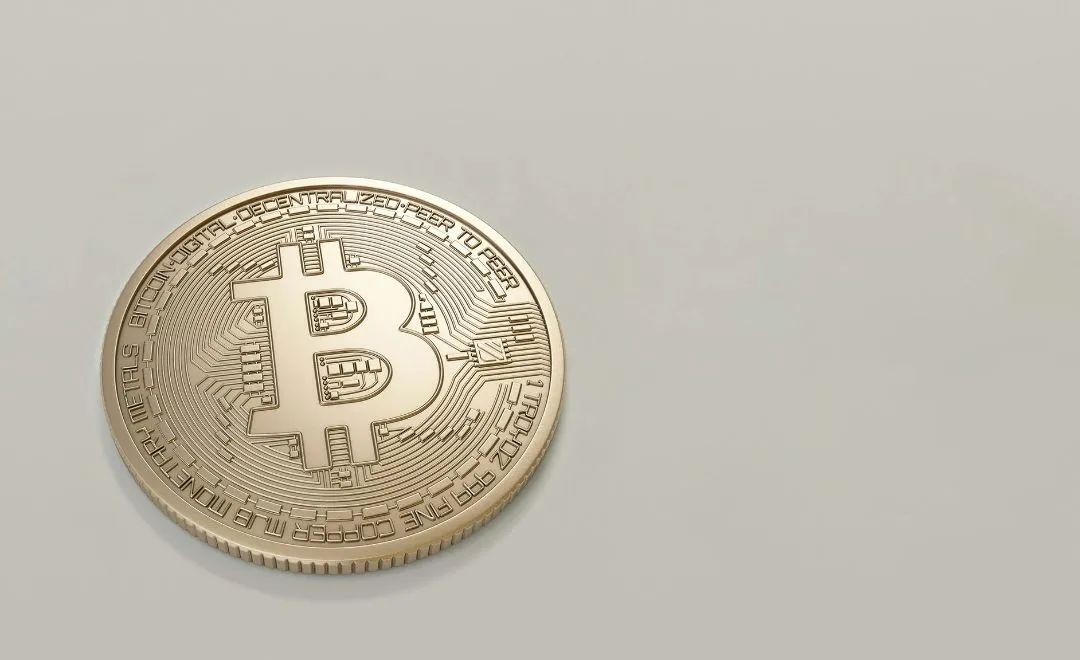
Photo by Shubham Dhage on Unsplash

With the establishment of the support center, KISA plans to seek out blockchain services linked to regional industries and provide support for the development of blockchain technology and services to foster local businesses.


Funding opportunities and application process

The metropolitan local governments selected for this project will be able to leverage KRW 1.8 billion (approximately $1.3 million) in government funding as well as regional expenses to pursue activities such as verifying related services and supporting blockchain and service development through incubation, workforce training, investment endorsement and legal consultations.

Applications are open to 14 metropolitan local governments nationwide, excluding those in the country’s largest cities, Seoul, Busan and Daegu. Each applicant is required to form a consortium with one local information technology and communication (ICT) organization that the government invested in or funded and submit their applications through the KISA website by December 5 at 4 p.m. KST.


Envisioning the future of Korea’s blockchain industry

KISA President Lee Won-tae expressed his hopes that the support centers would become central hubs for blockchain technology within regions nationwide, ultimately contributing to regional economic prosperity. “KISA will continue our efforts to promote balanced regional development and nurture the blockchain industry ecosystem,” he said.


More to Read
View All
Policy & Regulation·

Jun 22, 2023

Singaporean Regulator Proposes Framework for Digital Money Use

Singaporean Regulator Proposes Framework for Digital Money UseThe Monetary Authority of Singapore (MAS) has released a White Paper that outlines proposed standards for the use of digital assets. The aim is to establish a common protocol and conditions for the utilization of these assets.While the paper identifies the potential digital assets bring in streamlining transactions and promoting financial inclusion, it also outlines challenges that need to be addressed before digital money can be successfully implemented.Photo by Pixabay on PexelsPurpose Bound Money (PBM)MAS’s White Paper, which was published on Wednesday, provides requirements to protect the use of digital assets as a medium of exchange and offers a technical overview of Purpose Bound Money (PBM). PBM allows the sender of digital money to specify certain conditions such as validity periods or how the money can be spent.The covered digital monies include central bank digital currencies (CBDCs), tokenized bank deposits, and potentially well-regulated stablecoins, excluding digital assets that it considers volatile such as Bitcoin. These digital monies are generally pegged to real-world currencies, commodities, or financial institutions, making them more stable.MAS highlights that PBMs utilize a common protocol compatible with different ledger technologies and forms of money. This protocol enables money to be directed toward a specific purpose without requiring the money itself to be programmed. It functions as a secure two-layered delivery vehicle, with funds held as collateral in a “wrapper” until specific conditions are met for its release.Standardized formatThe standardized format outlined in the White Paper will allow users to access digital money using their preferred wallet provider. By establishing these standards, the prospects for digital money to become a significant component of the future financial and payments landscape are enhanced. Standardization and regulated use of PBMs can unlock economic value, facilitate efficient and inclusive digital transactions, and provide additional consumer protection.One notable application of PBMs is in protecting online payments, such as e-commerce transactions and prepaid packages. With PBMs, advance payments can be securely held until the service is fulfilled, ensuring that the product or service is delivered before funds are released. This benefits both consumers and merchants, assuring consumers of product delivery and allowing merchants to verify payment before delivering.PBMs can also aid businesses in mitigating risks associated with international trade transactions, ensuring secure and efficient payments while reducing the potential for fraud or non-payment.InteroperabilityTo ensure the safety and usability of digital monies, MAS highlights considerations that will impact PBM implementation. Interoperability across different platforms is crucial to avoid fragmentation and excessive fees. The choice of underlying digital currencies also affects usability and value, with CBDCs, tokenized bank liabilities, and stablecoins offering varying levels of guarantees and regulatory oversight. Additionally, privacy, digital readiness, and the impact on users need to be carefully assessed.MAS acknowledges that the regulatory landscape for digital monies is still evolving globally, which may lead to varying regulatory treatment of PBMs across jurisdictions. It believes that policy considerations should be thought through when designing PBM-based solutions, including decisions regarding issuance, distribution, and conditions for use.

news
Web3 & Enterprise·

Feb 19, 2025

HashKey secures $30M in funding from Chinese VC firm

A Beijing-headquartered venture capital firm has invested $30 million in Hong Kong’s HashKey Exchange. That’s according to a report published by Bloomberg on Feb. 14, citing unnamed sources understood to be familiar with the matter. HashKey’s capital injection has come from Gaorong Ventures.  The Chinese VC firm was founded in 2014, initially known as Banyan Capital before rebranding as Gaorong Ventures in 2018. The VC firm focuses on early and growth-stage investments, with a specific interest in new technology.  Gaorong has 23 IPO portfolios on its books, together with 30 projects valued at in excess of $1 billion. It has been an early-stage investor in Chinese tech firms such as Chinese shopping platform Meituan and online retailer PDD Holdings.  Last year, the company participated in a funding round for Dongchedi, the car information and trading platform belonging to ByteDance, the parent company of TikTok.Photo by Towfiqu barbhuiya on UnsplashBeyond unicorn statusIn this instance, the funds were invested with HashKey Group weighing in with a post-money valuation in the region of $1.5 billion. That puts the company well beyond unicorn status, which it achieved in a previous $100 million funding round over a year ago. At that time, HashKey didn’t disclose the names of investors other than to state that they were “prominent institutional investors” and “leading Web3 institutions.” It’s understood that the round included both existing and new investors. Surging VC investment in crypto startups This latest investment comes amid a backdrop of a surge in venture capital investment into the crypto sector. Well-known American venture investors Sequoia Capital and Andreessen Horowitz (a16z) invested almost $1.2 billion in crypto projects last month.  In 2024, $13.7 billion was invested in crypto and blockchain startups by venture capital firms, marking a 28% increase on the previous year. In Q4 2024, the United States took first place, accounting for 46% of investment into startups across the market in general. Hong Kong weighed in with 17% in second place.HashKey is also playing its own role in crypto and blockchain startup investment. HashKey Exchange’s sister company, HashKey Capital, is an institutional asset manager that also invests in crypto startups. In recent weeks, the company has invested in SignalPlus, a crypto trading software firm focused on the Asian market, and Kelpr, a Cosmos (ATOM) ecosystem wallet project. More crypto VC investment in 2025In January, HashKey Capital CEO Deng Chao told Cointelegraph that he expected more VC capital investment in crypto startups in 2025. He stated: “As we enter into a supportive macro environment driven by stimulative US policies and the formalization of crypto regulatory frameworks, these macro tailwinds are set to drive more VC investments heading into 2025.” Meanwhile, the overarching HashKey Group is positive in its outlook with regard to the crypto and blockchain sector in 2025. Last month, it outlined that it expects Bitcoin and Ethereum to surge in price, the share of the market held by decentralized exchanges (DEXs) to increase, capital inflows into the sector from institutions to grow, the approval of more crypto ETFs and further development of layer-2 networks over the course of the year.

news
Policy & Regulation·

May 26, 2023

Korea’s Incheon City Takes Steps to Boost Blockchain Startup Growth

Korea’s Incheon City Takes Steps to Boost Blockchain Startup GrowthIncheon Technopark (ITP) announced today a collaborative effort with the Incheon Metropolitan City aimed at fostering the development of blockchain startups, with the goal of transforming the South Korean city into a blockchain hub.Photo by GuerrillaBuzz on UnsplashTailored support programsAs a public organization dedicated to assisting startup businesses, ITP will offer tailored support programs, including funding for technology development and accelerator initiatives.Funding for tech developmentThe tech development funding aspect will identify and select seven enterprises based in Incheon, each receiving up to 50 million KRW ($38,000) in funding. These businesses will be expected to integrate blockchain technology into local industries and contribute to Incheon’s economic growth.Accelerator initiativeThe accelerator program, on the other hand, will carefully select two operators who will provide education and consultation services for blockchain startups. Each operator will receive 100 million KRW ($75,000) to support five blockchain firms.An ITP official said Incheon is seeing a growing number of blockchain enterprises, most of whom are startups and small- and medium-sized enterprises. The official emphasized the city’s commitment to fostering an environment conducive to the growth and success of such businesses.Incheon’s emphasis on blockchain innovationIncheon is among the Korean cities that have been proactively pursuing blockchain projects. Earlier this month, this city, which encompasses an airport, held the Incheon Metanomics 2023, a conference centered on blockchain technology. Guest speakers at the event were representatives from high-profile corporations, including the global crypto exchange Binance, the online gaming platform Roblox, and the semiconductor firm AMD.In addition, Incheon is progressing with a $10 million urban blockchain plan that spans over five years until 2026, according to its press release. Since last year, the city has been conducting blockchain-powered pilot programs focused on public parking and recycling systems.

news
Loading