Top

Animoca Brands ventures into Bitcoin ecosystem

Web3 & Enterprise·May 03, 2024, 7:41 AM

Hong Kong-based game software company Animoca Brands has announced its foray into the Bitcoin industry by endorsing the Opal Foundation, a novel Bitcoin ecosystem protocol. The move involves the Opal Protocol and BLIF token, initiated by Animoca Brands and Darewise, a metaverse technology platform.


On April 30, Animoca Brands disclosed its plans to become the "largest Web3 ecosystem" for gaming, education and culture built on Bitcoin. The company aims to establish the Opal Protocol and BLIF token as key components of this ecosystem.
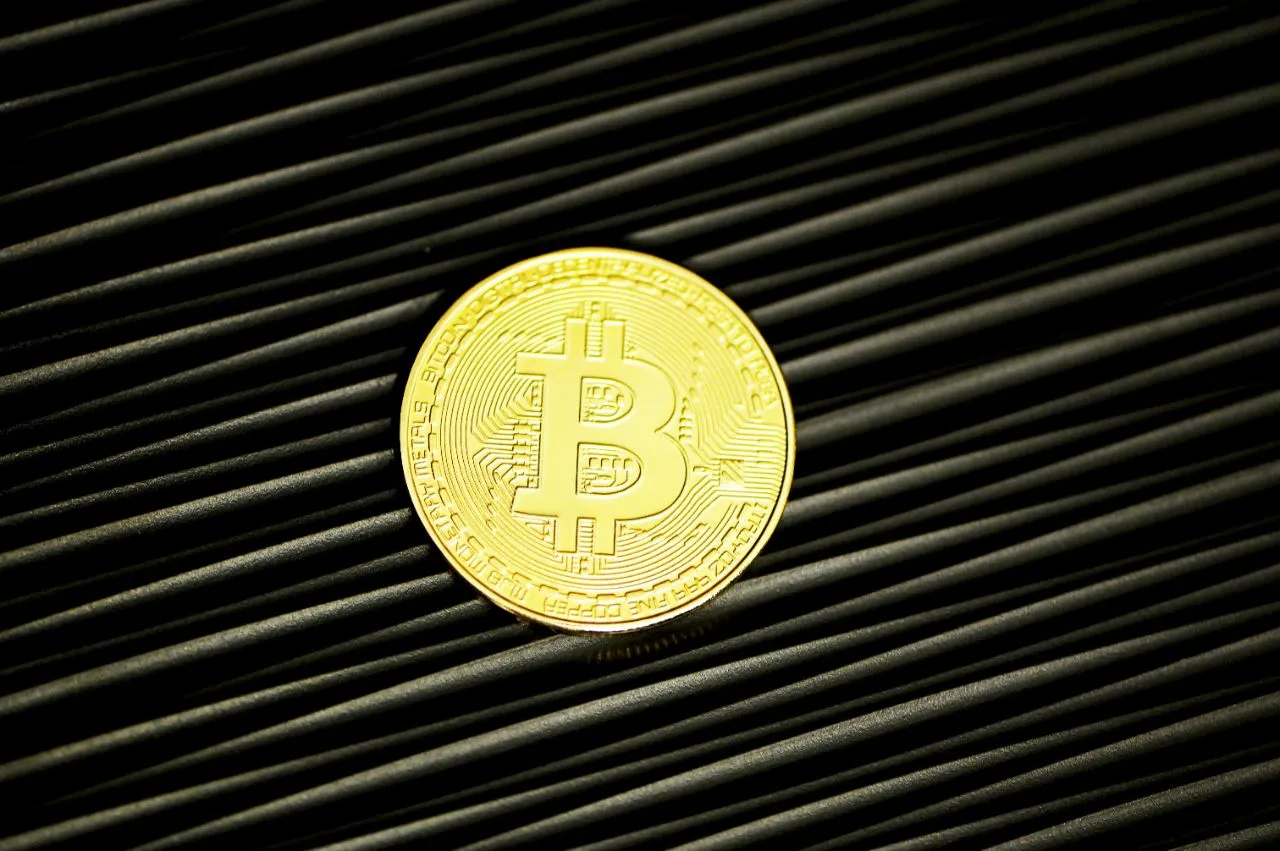
https://asset.coinness.com/en/news/51441a10d0048144065d9d0ed29425a1.webp
Photo by Kanchanara on Unsplash

BLIF token and Opal Protocol

The BLIF token, also known as the Opal Protocol Runes token, is hailed by Animoca as a means to enable a "true digital life" on Bitcoin. According to Animoca's executive chairman and co-founder Yat Siu, Bitcoin is now primed for Web3, transitioning from a mere store of value to a store of culture for the Web3 age.


Six of Animoca Brands' portfolio companies have already joined as Genesis members, signaling a strong start for the Opal Protocol. Additionally, all future Bitcoin-based projects from Animoca Brands will collaborate with the Opal Foundation.


Launched in 2024, the Opal protocol positions itself as a decentralized ecosystem protocol on Bitcoin, powered by BLIF. Its litepaper describes it as a seamless blend of virtual and real-life experiences, offering digital extensions of reality across various domains such as banking, entertainment, education and social interactions.


The launch date of the Opal protocol and BLIF airdrop is yet to be announced, but Opal's Telegram group has hinted at its impending arrival. Despite not being operational, Opal's X profile already boasts over 270,000 subscribers.


Strategic partnership

Animoca Brands is hailed as the first strategic launch partner for the Opal Foundation. The company's collaboration aims to integrate its vision into the open Opal protocol on Bitcoin and ordinals.


Animoca's venture into Bitcoin coincides with the recent trading debut of spot Bitcoin and Ether exchange-traded funds (ETF) in Hong Kong. However, the initial trading volumes of these ETFs were relatively modest compared to spot Bitcoin ETFs launched in the United States in January 2024.


 

More to Read
View All
Web3 & Enterprise·

Feb 21, 2025

Shares in Moon Inc. surge following 1 BTC purchase

Shares in Moon Inc. (formerly HK Asia Holdings Limited), a publicly listed Hong Kong-based firm that acts as an investment holding company while engaged in activities such as wholesale and retail sales of prepaid products such as SIM cards, have surged following the company’s symbolic purchase of one Bitcoin (BTC).Photo by Thought Catalog on Unsplash93% share price increaseThe stock (1723.HK), which is listed on the Hong Kong Stock Exchange (HKEX), closed at HKD 5.50 following Monday’s trading. That represents a 93% increase compared to the closing share price following the previous day’s trading. The share price has settled somewhat following Tuesday’s trading, pulling back 16% to HKD 4.60. However, it jumped again on Feb. 21, closing at HKD 6.48. Bitcoin adoptionIt’s believed that the stock has been influenced by a decision taken by the company to adopt Bitcoin. The firm bought just one Bitcoin. However, the move has led to speculation as to whether Moon Inc. will become the MicroStrategy (now rebranded as “Strategy”) of China.  Michael Saylor’s Strategy has pioneered the use of Bitcoin as a corporate treasury asset. The company has positioned itself as the frontrunner in terms of the corporate adoption of Bitcoin. The company has amassed 471,000 Bitcoin within its reserves. This accounts for 2% of all Bitcoin. With Strategy’s Bitcoin playbook having been well documented, other companies now appear to be following its lead.  In recent weeks, Metaplanet, a Japanese Bitcoin treasury company, has demonstrated that it is pursuing the same strategy, outlining its ambition to build a reserve of 21,000 Bitcoin by 2026. On Feb. 18, it announced a 10-to-1 stock split in an effort to improve liquidity while executing on that overall Bitcoin treasury goal. Metaplanet shares have surged 3,900% over the course of the past 12 months on the back of its Bitcoin treasury pivot. On Feb. 16, Moon Inc. announced the purchase of its first Bitcoin at a unit price of $96,150. In a statement, the company said that the purchase was financed by way of the firm’s “internal resources.” An evolving global financial landscapeThe company’s board noted the increasing popularity of cryptocurrencies in the commercial world, with particular emphasis on the use of Bitcoin as an investment portfolio asset. It believes that Bitcoin acts as a dependable store of value. It added: “The Board believes that this initial investment is symbolic in scale, and marks a significant step toward aligning with the evolving global financial landscape, and would diversify the Group’s investment portfolio and enhance its asset value.” The company’s stock rose significantly last month when details emerged of a 70% stock position in the firm, taken by UTXO Management, in collaboration with Sora Ventures and other investors. Recently appointed board member John Riggins of BTC Inc. said that this recent Bitcoin purchase by Moon Inc. “is more than a transaction.” He stated, “It’s a bold step toward creating a vision for the future of the company.”

news
Web3 & Enterprise·

Mar 26, 2025

Chainlink partners with Abu Dhabi’s ADGM on tokenization framework development

Chainlink, a prominent decentralized oracle network, has partnered with the Abu Dhabi Global Market (ADGM), a free zone and international financial center located on Al Maryah Island in Abu Dhabi in the United Arab Emirates (UAE), with a view towards further developing tokenization frameworks.Photo by Shubham Dhage on UnsplashCompliant tokenization frameworksAccording to an announcement on the ADGM website, the international financial center signed a memorandum of understanding (MOU) with Chainlink. It claimed that the collaboration marks “a major step in advancing compliant tokenisation frameworks.” Chainlink provides a suite of services. Central to that is the delivery of real-world data feeds into blockchain networks. ADGM believes that through the partnership, projects located within the free zone will be able to access this technology, while the ADGM’s Registration Authority will ensure regulatory compliance. The CEO of the ADGM Registration Authority, Hamad Sayah Al Mazrouei, said that the strategic alliance is a significant step towards ADGM leadership in blockchain innovation. He added: “By collaborating with Chainlink, we are aiming to set a global benchmark that spearheads transparency, security, and trust across the blockchain space.” The collaboration includes plans to host events and workshops aimed at educating the blockchain sector within the UAE. The two parties also aspire to the initiative, sparking greater dialogue on regulatory matters relative to blockchain, artificial intelligence and other emerging technologies. Global collaborationsThis is the latest in a long list of collaborations that Chainlink has entered into, relative to asset tokenization. In October, it partnered with Singapore’s DigiFT, an exchange dedicated to tokenized real-world assets (RWAs). The following month, it completed a pilot program alongside financial messaging service SWIFT and UBS Asset Management under the umbrella of the Monetary Authority of Singapore’s (MAS) Project Guardian. The project concerned itself with the settlement of tokenized funds. Earlier in 2024, Chainlink partnered with U.S. financial market infrastructure firm DTCC on the Smart NAV pilot project. The initiative centered on the creation and issuance of tokenized funds, counting JPMorgan, State Street, BNY Mellon, Invesco and Franklin Templeton among its participants. In the UAE, Chainlink has been added as a member of the Digital Asset Lab of one of the country’s largest banking groups, Emirates NBD. For its part, the ADGM has also been on the front foot with regard to tokenization initiatives. Its Regulatory Authority has established a regulatory framework with regard to asset tokenization, with an emphasis on investor protection. In October of last year, RWA tokenization platform Realize launched the financial center’s first tokenized U.S. treasury bill fund. At the time, the ADGM said that the development highlighted an objective for the region in becoming the global market leader where RWA tokenization is concerned. The ADGM began operations in 2015 with its own legal system. As of the end of 2024, the financial center hosted 134 fund and asset managers. Market maker and Web3 investment firm DWF Labs moved its headquarters from Singapore to Abu Dhabi’s ADGM at the end of last year, citing the goal of wanting to expand tokenized RWA-based projects as one of the reasons for the move.

news
Policy & Regulation·

Apr 10, 2023

Binance Headlines List of Japan FSA Warning Letter Recipients

Binance Headlines List of Japan FSA Warning Letter RecipientsJapan’s Financial Services Agency (FSA) issued a warning letter on Friday stating that several foreign cryptocurrency exchanges have been operating in the country without proper registration, thereby infringing Japan’s fund settlement laws. The regulatory authority specifically named Binance, Bybit, MEXC Global, and Bitget as the entities in question.The FSA indicated that these exchanges need to register with the agency to continue operating in Japan. Failure to comply with the registration requirements would result in enforcement actions by the FSA, which could include the suspension of their operations in the country.©Pexels/David DibertUnregistered digital asset exchangesThe FSA’s warning letter detailed that the cryptocurrency exchanges mentioned had contravened Japan’s fund settlement regulations by engaging in crypto asset exchange operations without proper registration. The regulatory body emphasized that the current list of unregistered traders may not accurately reflect the current state of unregistered businesses in the country.The FSA intends to continue monitoring the market and taking appropriate regulatory measures to protect consumers and the integrity of the financial system. The agency also encouraged all unregistered operators to register with the FSA to avoid any possible enforcement actions.Clamping down on unregistered exchangesThe FSA’s recent action against unregistered cryptocurrency exchanges is in line with the regulatory body’s ongoing efforts to clamp down on non-compliant operators in Japan. In 2020, the FSA introduced new regulations mandating that all crypto exchanges must register with the agency and obtain a license to operate in the country. These regulations were put in place to strengthen consumer protection and enhance the transparency of the cryptocurrency market. By taking these measures, the FSA aims to foster a more stable and secure environment for the burgeoning crypto industry in Japan.The FSA’s warning to Binance is indicative of the growing regulatory scrutiny that the cryptocurrency industry in Japan and other nations is currently facing. Regulators are increasingly concerned about the potential risks associated with unregulated cryptocurrency exchanges, such as fraud, money laundering, and market manipulation. As a result, many regulatory bodies are implementing stricter rules and guidelines to promote transparency, accountability, and consumer protection in the cryptocurrency market.These regulations aim to create a more secure and reliable environment for investors and industry participants. The FSA’s actions against Binance serve as a reminder to all market players that compliance with regulatory requirements is critical for the long-term success of the cryptocurrency industry.Global regulatory variationWhile Japan is taking steps to implement new regulations for the cryptocurrency and Web3 sectors, the country has not been as stringent in its approach as some other major economies, such as the United States. However, this does not mean that regulators in Japan are not actively monitoring the industry and taking appropriate action where necessary.One example of such action is the recent lawsuit filed by the US Commodity Futures Trading Commission against the popular crypto exchange firm, Binance, and its founder, Changpeng Zhao, over regulatory violations. This highlights the fact that regulatory bodies in different parts of the world are taking a more proactive approach to monitoring the cryptocurrency industry.Moreover, the FSA in Japan issued a formal warning letter to Binance in 2021 for operating without the necessary permissions. This is an indication that the regulatory landscape in Japan is evolving, and that crypto exchanges must comply with the relevant regulations to avoid potential legal repercussions. While the severity of regulatory measures may differ across different jurisdictions, the message is clear: compliance is crucial for the long-term viability of the cryptocurrency industry.

news
Loading