Top

Thailand plans to enable tourists to spend crypto

Policy & Regulation·May 29, 2025, 5:27 AM

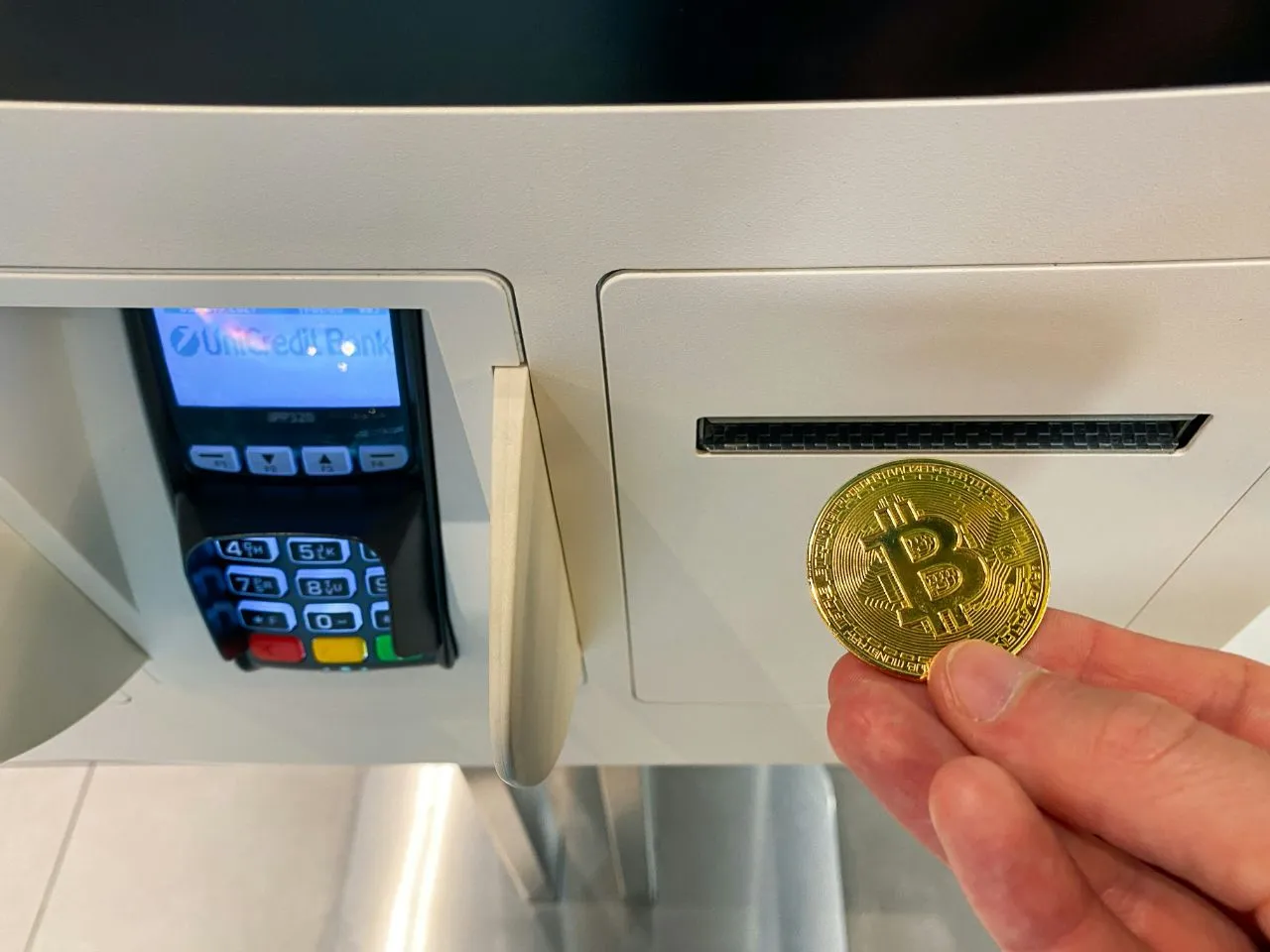
The Thai government is planning to enable tourists to spend crypto via credit card, according to information revealed by Thailand’s finance minister on May 26.
https://asset.coinness.com/en/news/6f1ef91bbb685b21725ae76f1c130e8c.webp
Photo by rc.xyz NFT gallery on Unsplash

Pichai Chunhavajira, the Southeast Asian nation’s finance minister and deputy prime minister, delivered a keynote speech at an investment seminar in Bangkok in which he outlined that while some countries enable people to purchase goods directly with cryptocurrency, another option is to allow consumers to link their digital assets with other services such as credit cards. 


In that way, the consumer can spend crypto through credit card services. English language news outlet The Nation reported that Chunhavajira confirmed that the government is preparing to launch a pilot project that would allow tourists to spend crypto in this manner within Thailand.


Seamless conversion from crypto to fiat

With this system, merchants would still receive payment in Thai baht. From the point of view of the user, crypto could be spent but any exchange between crypto and fiat currency would happen seamlessly and automatically via the credit card service provider’s platform.

Discussions between officials from the Bank of Thailand and the Ministry of Finance are ongoing with regard to the proposed scheme. It’s understood that similar existing models which have been introduced overseas are being examined.


It’s likely that the pilot program is the same as the project that was announced by Chunhavajira in January when he alluded to a program enabled for foreign tourists visiting the Thai tourist resort of Phuket.


At that time, it was envisaged that the scheme would adhere to existing legal frameworks and implicate identity verification through a third party service provider, with conversion from crypto to Thai baht to be enabled such that there would be no material difference experienced by merchants.


Targeting tourists

This is not the first occasion in which tourists have been targeted by crypto-related initiatives. Earlier this month, it was announced that Binance Pay, a crypto payment service offered by global crypto exchange Binance, had partnered with the government of the Buddhist kingdom of Bhutan to launch the world’s first national-level crypto tourism payment system.


In July 2024, the governor of Jeju Province in South Korea advocated for the use of non-fungible tokens (NFTs) and crypto as part of Jeju Island’s tourism strategy. Last December the province announced a digital transformation roadmap that sets out a cashless future. Plans include the introduction of a system for converting digital assets and facilitating payment methods from neighboring countries like China and Japan.


However, not all governments have been keen to facilitate tourists in spending crypto. In May 2023, the governor of the province of Bali in Indonesia cautioned foreign visitors to the region against the use of cryptocurrencies as a means of payment for goods and services. Governor Wayan Koster warned that visitors using cryptocurrency for payments could face severe consequences, including criminal penalties and deportation.

More to Read
View All
Policy & Regulation·

Jul 25, 2023

Report Cites Escalating Crypto Use by Pro-ISIS Groups

Report Cites Escalating Crypto Use by Pro-ISIS GroupsA recently published report suggests that pro-ISIS terrorist groups in central and southeast Asia and the Middle East are increasing their use of cryptocurrency.According to the report which was published on Friday by blockchain analytics firm TRM Labs, cryptocurrency has become a favored tool for terrorist organizations, with ISIS affiliates showing an increasing preference for the Tron network’s USDT stablecoin. The report highlights that terrorist groups worldwide, including those linked to ISIS, are actively utilizing cryptocurrencies for fundraising purposes, allowing them to attract supporters and bolster their operations.Photo by David McBee on PexelsOn-chain evidenceTRM Labs has been closely monitoring these activities over the past year and has uncovered a growing amount of on-chain evidence. Pro-ISIS networks in countries such as Tajikistan, Indonesia, Pakistan, and Afghanistan have been observed using crypto assets to facilitate their illicit activities, with Tether (USDT) stablecoin on the Tron network (TRX) being their preferred choice for transactions.The disturbing revelations show how recruited fighters were enticed to join ISIS’ Afghanistan affiliate (ISKP) through the use of cryptocurrency fundraising campaigns. One such campaign operated for over a year and managed an address that received approximately $2 million in USDT on Tron in 2022. TRM Labs played a role in getting the operation dismantled, leading to the arrest of Shamil Hukumatov, a senior ISIS fundraiser allegedly responsible for the scheme.Indonesia & PakistanIn Indonesia, individuals used a crypto platform to transfer over $517,000 in 2022 to addresses linked to pro-ISIS fundraising campaigns in Syria, all using USDT on Tron. This connection demonstrates the global reach and sophistication of the terrorist groups’ crypto operations.Additionally, a media unit associated with ISPP, the Pakistan affiliate of ISIS, ramped up its fundraising efforts in the latter half of 2022. The entity sought to capitalize on natural disasters, such as earthquakes in Turkey and Syria, to raise funds by publicizing various cryptocurrency addresses flagged by TRM Labs as associated with the terrorist organization.SyriaTRM Labs’ investigation ultimately points to pro-ISIS fundraising campaigns in Syria as a central hub for cryptocurrency usage by the terrorist group and its supporters. A significant portion of the donations ends up supporting ISIS families in camps like al-Hol and Roj, as well as funding local cryptocurrency exchanges that facilitate the group’s activities.For TRM Labs, the identification and tracking of these campaigns and their donors are crucial steps in mapping out and potentially disrupting pro-ISIS networks worldwide. Their efforts aim to mitigate the risks posed by the misuse of cryptocurrencies in financing terrorism and illegal activities.The rising adoption of cryptocurrencies by terrorist organizations poses significant challenges to law enforcement agencies and regulatory authorities worldwide. It’s a worrying development for legitimate users of digital assets as it may result in far more heavy-handed regulation as a direct consequence.Under these circumstances, it is crucial for the crypto community, governments, and regulatory bodies to collaborate in implementing effective safeguards against the abuse of digital currencies for nefarious purposes. Only through collective action can this threat be neutralized.

news
Policy & Regulation·

Nov 04, 2023

SEC seeks summary judgment against Terraform Labs

SEC seeks summary judgment against Terraform LabsThe U.S. Securities and Exchange Commission (SEC) is making a strong push for a summary judgment in its ongoing legal battle against Singapore’s Terraform Labs and its co-founder Do Kwon. Such an outcome would spare the need for a protracted trial.According to a motion filed by the SEC on Thursday, the record shows that there is “no genuine dispute as to any material fact and that the moving party is entitled to judgment as a matter of law.”Photo by Caleb Fisher on UnsplashRelying on the Howey TestThe SEC’s filing underscores its central argument that Kwon and Terraform Labs were involved in the sale of securities. The document categorically states:“There is no dispute that purchasers made an investment of money, either through fiat currency or crypto assets, for each crypto asset — LUNA, wLUNA, MIR, and UST, thereby satisfying the first prong of Howey.” The Howey Test refers back to a U.S. Supreme Court case — SEC v. Howey — which took place in 1946. The case set a precedent and has subsequently become the cornerstone of determining what is or is not a security in the United States.This argument hinges on the idea that funds were pooled in a common enterprise with the expectation of profits primarily derived from the efforts of the promoters.Citing fraud as well as unregistered securitiesThe SEC’s assertion is two-fold, contending that not only did Terraform and Kwon engage in selling securities, but they also engaged in fraudulent activities and disseminated misleading information. The SEC reiterates these claims in its filing, emphasizing that the defendants committed fraud by duping investors about the stability of UST.They allegedly falsely attributed the algorithm for price stabilization while orchestrating clandestine third-party interventions. This purported deception made their claims regarding the algorithm’s effectiveness deceptive and involved the omission of crucial information. The fallout from Terra’s collapse in May of the previous year resulted in the destruction of substantial investor wealth, totaling billions of dollars.Similar defense team filingThe SEC’s move to seek summary judgment comes in the wake of a similar filing by Kwon’s defense team last Friday. Kwon is currently serving a sentence for document forgery in Montenegro, a situation stemming from his arrest at an airport with forged passports.Notably, Terraform’s co-founder, Daniel Shin, who is currently on trial in South Korea, has attributed the collapse of Terraform Labs to Kwon’s mismanagement. Shin has claimed his separation from the company and its activities occurred two years before its eventual collapse.In this legal battle that holds significant implications for the cryptocurrency and blockchain space, the SEC continues to emphasize its position, asserting that Kwon and Terraform Labs engaged in the sale of securities through deceptive means. The outcome of this case could have far-reaching consequences, setting precedents for future regulatory actions in the industry.

news
Policy & Regulation·

Dec 30, 2023

India’s FIU moves to block overseas exchanges

In a widening crackdown on overseas crypto exchanges operating illegally in India, the Financial Intelligence Unit (FIU) has issued “compliance show-cause” notices to some of the leading global crypto platforms. In a statement published by the FIU on Thursday, the agency outlined that it has issued compliance show-cause notices to nine offshore virtual digital assets service providers. These include Bitfinex, Bittrex, Binance, Bitstamp, Gate.io, Huobi, Kraken, Kucoin and MEXC Global.Photo by Naveed Ahmed on UnsplashRequest to block URLsThe FIU has also called on the information ministry to block the URLs of these entities, citing their non-compliance with Anti Money Laundering (AML) and Counter Financing of Terrorism (CFT) frameworks. The FIU is a national agency tasked with receiving, analyzing and disseminating information to enforcement agencies where suspect financial transactions are concerned. The move comes as part of India’s broader efforts to tighten oversight of the digital asset sector. Earlier this year, the government imposed money-laundering provisions on the crypto industry, aligning its regulations with those of other nations. In 2022, local crypto exchanges were dealt a significant blow with the introduction of a transaction tax, leading to a sharp decline in trading volumes. Unregistered platformsAccording to the FIU statement, offshore entities, despite serving a substantial number of Indian users, were operating without proper registration under AML and CFT frameworks. To address this, the FIU issued show-cause notices — a formal request for entities to demonstrate compliance with Indian laws when suspected of misconduct. It emerged earlier this month that in excess of 28 crypto platforms had registered with the FIU. Those compliant platforms were largely native Indian businesses. If the FIU’s recommendation is followed and in due course, URL access to the cited overseas exchanges is blocked, this could potentially be a boon for complaint platforms like WazirX, CoinDCX and ZebPay, at least in the short term. India’s actions against Binance, in particular, are not new. In 2021, the country’s anti-money laundering agency was reportedly investigating Binance’s potential involvement in a case related to betting apps. Binance, the world’s largest crypto exchange, has faced increasing regulatory pressure globally. In November, the company agreed to a $4.3 billion settlement, pleading guilty to anti-money laundering and U.S. sanction violations. As part of the settlement, CEO Changpeng Zhao agreed to step down. Community reactionNews of this development has caused some disquiet among Indian crypto advocates. However, taking to social media, Web3 marketer Abhinav Kumar wrote: “This isn’t a sign that crypto trading is suddenly going to be banned. . . . It’s a routine thing. The government wants to make sure foreign companies play by the same rules as Indian ones. That’s fair enough! Also remember India has over 20 million crypto investors now.” Leading crypto adoptionDespite regulatory challenges, India has emerged as a significant player in the global crypto market. Chainalysis’ 2022 global crypto adoption index ranked India as the top country by raw estimated transaction volume, second only to the United States. Responding to the growing crypto adoption, India is actively working on a regulatory framework based on joint recommendations from the International Monetary Fund and the Financial Stability Board. The government’s actions underscore its commitment to ensuring compliance within the crypto sector and aligning with international standards.  

news
Loading