Top

GDAC Joins Hands with Bitgo to Fortify Crypto Wallet Security

Web3 & Enterprise·October 19, 2023, 8:55 AM

Cryptocurrency trading platform GDAC, which is operated by South Korean blockchain fintech company Peertec, revealed on October 19 (local time) a partnership with crypto wallet provider Bitgo. This collaboration aims to bolster the security measures for the exchange’s wallets.

Bitgo, headquartered in Palo Alto, California, and backed by investment bank Goldman Sachs, is renowned for its secure wallet solutions. As a qualified custodian for digital assets across various jurisdictions such as the United States, Switzerland, and Germany, Bitgo has been serving more than 1,500 institutional clients in over 50 countries since 2013. The company also touts that it processes about 20% of all on-chain Bitcoin transactions by value.

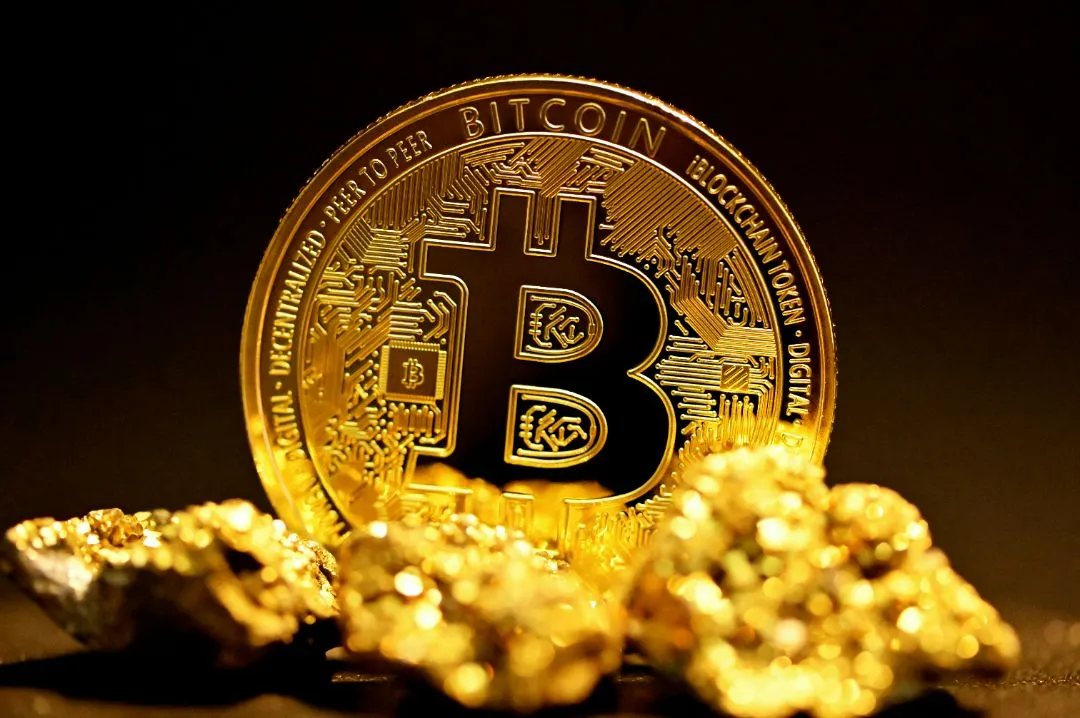
Photo by Shubham’s Web3 on Unsplash


Bitgo’s growing presence in Korea

Bitgo’s latest partnership with GDAC isn’t its first venture in the Korean market. Just last month, the company entered into a strategic partnership with Hana Bank, one of Korea’s leading banking institutions. This collaboration aims to drive the development of security solutions, foster technical cooperation, and even explore a potential joint venture in the future.

With this collaborative initiative, GDAC is now a partner of two major digital asset custodians: Bitgo and Fireblocks. Through this cooperative network, the Korean exchange seeks to take a leading role in enhancing security as a virtual asset service provider (VASP). In May, GDAC launched a mobile application where users can seamlessly enjoy all of its crypto services, including exchange, custody, and staking.

Han Seung-hwan, CEO of GDAC, said that the company places the utmost priority on bolstering its security technology and ensuring the secure storage of customer assets. He added that having solidified its position as an exchange dedicated to institutional clients, GDAC will focus on delivering customer-centric, high-quality services.
More to Read
View All
Policy & Regulation·

Jun 15, 2023

Haru Invest Announces Withdrawal & Deposit Pause

Haru Invest Announces Withdrawal & Deposit PauseHaru Invest, a crypto yield platform founded in South Korea and headquartered in Singapore, has announced the suspension of deposits and withdrawals on Tuesday, citing concerns over the accuracy of information provided by one of its service partners.Photo by Muhammad Zaqy Al Fattah on UnsplashInternal investigationIn a statement, the company expressed its apologies to investors and customers, assuring them that the suspension was a necessary measure taken to protect their interests. In another blog post, the company stated: “For the purpose of protecting our users’ assets under our custody, we have come to make a tough decision that any deposit and withdrawal requests will be suspended until further notice, starting from June 13, 2023, at 0:40 UTC.”Following an internal inspection process, Haru Invest conducted a thorough investigation into the matter and concluded that immediate action was required. The company stated that it is currently engaged in a fact-finding process against the operator in question and intends to take the necessary measures to address the situation.“Rug pull” denialHaru Invest emphasized that this issue does not involve a “rug pull,” a term commonly associated with scams in the cryptocurrency space. The company assured its stakeholders that it remains committed to protecting its investors and is actively working towards a resolution.Earlier reports suggested that Haru Invest employees were working remotely and that the company’s offices had closed. However, Haru Invest clarified that certain media articles contained inaccurate information regarding these claims. The company expressed regret over the misinformation and emphasized the importance of factual accuracy in reporting.According to Haru Invest’s website, the platform boasts a significant user base of over 80,000 members. It has facilitated crypto-earn payouts totaling 9.8 million and processed a staggering $2.27 billion in transactions. Haru Invest aims to provide an annual yield of 12% on most of its earn products, offering investors an attractive opportunity in the crypto space.Haru MiningIn September of the previous year, Haru Invest successfully raised $4 million in funding, valuing the company at $284 million. This achievement demonstrates the confidence investors had in the platform and its potential for growth.As recently as last month nothing looked untoward when it emerged that the company had launched Haru Mining, a collaboration with Canadian crypto miner, Pow.re. In a press release at the time, the firm explained that the move would help to diversify its products, with mining always having been an area of interest for the company.In the same month, Haru had announced an integration with Mercuryo, a London-based digital asset management platform.As Haru Invest continues to address the concerns raised by the investigation, investors and customers await further updates regarding the resumption of normal operations. The company has promised that “more details will be shortly announced on the Haru Invest Blog as soon as we get to the bottom of this.”

news
Policy & Regulation·

Oct 31, 2023

Terraform Labs Co-Founder Daniel Shin Denies Wrongdoing in LUNA Collapse

Terraform Labs Co-Founder Daniel Shin Denies Wrongdoing in LUNA CollapseShin Hyun-seong, popularly known as Daniel Shin, has refuted accusations against him related to the $40 billion collapse of the stablecoin TerraUSD and its companion token, LUNA, according to a report by local news outlet Newspim. He presented this defense during his initial trial at the Seoul Southern District Court on October 30 (local time).Shin co-founded Terraform Labs, the company responsible for issuing TerraUSD and LUNA. His co-founder, Do Kwon, is currently serving a four-month prison sentence in Montenegro for passport forgery.Photo by Tingey Injury Law Firm on UnsplashProsecution’s allegationsKorean prosecutors allege that since 2018, Shin and his colleagues have concealed the fabricated nature of the “Terra project.” By manipulating trades and releasing misleading information, they purportedly misled investors into thinking the project was successful. It’s believed they sold off their tokens before the LUNA crash in May 2022, earning KRW 462.9 billion ($343.3 million) from these activities. They are suspected of personally taking KRW 376.9 billion from this amount.Prosecutors are focusing on Shin as the potential orchestrator of the LUNA crash. They speculate he began selling LUNA tokens around when Terraform Labs launched the Anchor Protocol in March 2021. This DeFi protocol increased the popularity and value of LUNA tokens. Before the crash, Shin is alleged to have gained at least KRW 154.1 billion.Defense argumentHowever, Shin’s legal team countered by asserting that Shin had cut ties with Kwon in 2020. They argued the decline of TerraUSD and LUNA was due to Kwon’s mishandling of the Anchor Protocol and an external attack, neither associated with Shin. Regarding the exploit, Terraform Labs has pursued legal action in the United States Southern District of Florida, claiming that American market maker Citadel Securities played a part in undermining TerraUSD in May 2022.Defending Shin, his lawyers emphasized that at the inception of the Terra project, there were no legal guidelines specifically for cryptocurrency transactions. Additionally, unlike Do Kwon who kept fleeing abroad, Shin willingly came back to Korea and has been cooperating with the investigation. They also noted he received only 32% of the 70 million LUNA tokens initially promised. Regarding classification, they stated LUNA isn’t legally recognized as a security.Shin’s lawyers further argued the prosecution hasn’t clearly identified victims or adequately outlined the components of fraud in this case. They said the prosecution’s case hinges on viewing LUNA as a security. However, Shin’s legal representatives maintained that under the Korean Capital Markets Act, LUNA isn’t a security, making its trades non-fraudulent.To counter a US court ruling the prosecution presented — that a token is a security — Shin’s defense highlighted that the verdict is from a lower court and remains contested. Earlier, prosecutors had cited a ruling from the United States Southern District Court of New York, which classified the XRP tokens sold to institutional investors as securities.

news
Policy & Regulation·

May 01, 2025

South Korea maintains single-bank policy for crypto exchanges

South Korean financial regulators have decided, at least for the time being, to maintain the current policy requiring cryptocurrency exchanges to partner with only one bank, according to a report from the Seoul Economic Daily.Photo by POURIA 🦋 on UnsplashDominance and money laundering concernsA government official cited concerns that allowing multiple banking relationships could potentially strengthen market dominance by leading platforms and increase money laundering risks. Regulators plan to revisit the issue after monitoring new developments following upcoming regulations that will permit institutional participation in the crypto market. This decision runs counter to a recent proposal put forward by the People Power Party (PPP) ahead of the presidential election that seeks to eliminate the one-bank-per-exchange requirement. Bizwatch reported that while the crypto industry initially supported the removal of this restriction unanimously, opinions have recently diverged among market participants. Divided industryMajor exchanges offering Korean won-based trading are mostly against the potential policy change. Except for Upbit, the country's largest platform, competitors express concern that modifying the rules could weaken their existing banking relationships if more financial institutions choose to partner with the market leader. Conversely, crypto-only exchanges, which cannot offer Korean won trading services, generally favor eliminating banking restrictions. These platforms believe relaxed regulations could create more opportunities to establish banking partnerships. Under current rules, virtual asset service providers must secure real-name accounts from a local bank to offer Korean won trading, placing those without such accounts at a competitive disadvantage. Banks also want changeKorean commercial banks align with crypto-only exchanges in supporting the easing of banking regulations. Jung Jin-wan, CEO of key financial institution Woori Bank, recently called for allowing multiple banks to serve individual crypto exchanges. He argues that the current one-bank-per-exchange system not only undermines systemic stability but also limits customer choice. While an official from a crypto-to-fiat exchange acknowledged the need for eventual reform of the one-bank-per-exchange system to improve customer options and market development, they also pointed out that industry stakeholders hold different views depending on their position in the market. The official said that dominant platforms perceive minimal practical benefits from permitting multiple banking relationships. 

news
Loading