Top

HashKey Gears Up to Offer Trading Service to Retail Traders

Web3 & Enterprise·August 26, 2023, 12:11 AM

HashKey is gearing up to launch its services to retail traders in Hong Kong with the intention of offering them Bitcoin and Ether trading products initially.

The Hong Kong-based digital asset management platform received full licensing approval from the local regulator, the Securities Futures Commission (SFC), earlier this month. It’s anticipated that the platform will launch to retail on August 28.

That’s according to a report from a local media source earlier this week. Financial publication Investing.com stated: “General investors in the period can only trade Bitcoin (BTC) and Ethereum (ETH), because these two currencies currently account for most of the trading volume in the market.“

It’s worth noting, however, that investors will be subject to a cap, permitted to allocate only up to 30% of their net worth into the realm of cryptocurrencies while utilizing the platform.
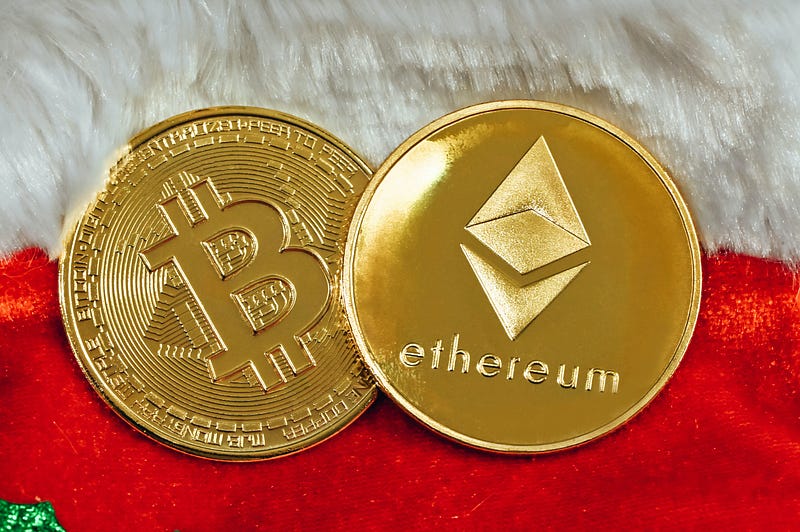
Photo by Traxer on Unsplash


Serving retail clients

It’s a significant milestone for both HashKey and the regulator, given that Hong Kong has been making huge efforts to further the development of digital asset innovation within the Chinese autonomous territory over the course of the past twelve months. Hashkey, alongside brokerage and exchange business OSL (also successful in obtaining a license), has been collaborating with regulators from an early stage in the lead-up to both receiving full licensing.

HashKey got to this point by focusing on two pivotal licenses offered by the SFC. The first of these licenses, known as Type 1, paved the way for HashKey to initiate a virtual asset trading platform, aligning seamlessly with the regulatory framework laid out under Hong Kong’s securities laws. The second license, Type 7, empowers the crypto platform to furnish automated trading services to both institutional and retail clientele.


Nurturing digital asset innovation

Hong Kong has maintained a resolute focus on cultivating a crypto-friendly environment within its borders in 2023. Echoing this sentiment, Financial Secretary Paul Chan asserted the government’s and regulatory bodies’ determination to incubate a robust crypto and fintech ecosystem throughout the year.

By March, over 80 crypto enterprises signaled their intent to establish a presence in Hong Kong, with several major players in the crypto industry among them. In April, the Hong Kong Monetary Authority (HKMA) issued a call to banks, urging them to extend their services to cryptocurrency companies.

Banking remains a difficulty in Hong Kong for crypto businesses despite the HKMA’s efforts. However, in the case of both HashKey and OSL, both are being banked by Hong Kong’s largest virtual bank, ZA Bank.

In May, the HKMA unveiled a comprehensive licensing framework tailored for crypto platforms, imposing a deadline of June 1 for compliance. As August rolled in, a select few crypto platforms clinched the green light to offer crypto trading services to an eclectic client base encompassing both retail and institutional participants.

This regulatory framework, designed to safeguard the interests of investors, is playing a large part in Hong Kong’s recent success in developing the sector. In this particular instance, it will mean that retail traders will be granted access to Bitcoin and Ethereum exclusively. This curtailed selection provides a good starting point for retail trading, and it’s likely that we will see HashKey’s trading offering being extended to cover additional digital assets as soon as local regulators permit it.

More to Read
View All
Web3 & Enterprise·

Oct 02, 2023

Coinbase Acquires License to Enhance Crypto Operations in Singapore

Coinbase Acquires License to Enhance Crypto Operations in SingaporeUS crypto exchange business Coinbase has reached a significant milestone in its Singapore operations by obtaining a Major Payment Institution (MPI) license from the Monetary Authority of Singapore (MAS).The achievement, announced by the firm via a blog post published on Sunday, represents a pivotal moment for Coinbase as it expands its digital payment token services in Singapore to serve both individuals and institutions. The issuance of the full MPI license comes approximately one year after Coinbase initially received in-principle approval from MAS.Photo by Duy Nguyen on UnsplashEnabling broader service offeringThe importance of this development lies in Coinbase’s ability to provide advanced services, not only to individual traders but also to institutional investors. Hassan Ahmed, the country director of Coinbase Singapore, stressed the significance of this full license, stating that it will play a crucial role in strengthening relationships with stakeholders, especially regulated entities like banks. The regulatory milestone is anticipated to further cement Coinbase’s presence in the institutional finance sector in the region.Coinbase’s commitment to the Singaporean market has been evident in its continuous expansion initiatives. The company established a technology hub in Singapore last year, actively recruiting and training product managers and engineers specializing in Web3 technologies.In May the firm extended its product offering to Singaporean customers, introducing fee-less purchases of the USDC stablecoin and introducing digital asset staking. Meanwhile Coinbase Ventures, the firm’s investment arm, has also demonstrated confidence in the region by investing in more than 15 Web3 startups within Singapore over the past three years.Singapore earmarked for growthSingapore has emerged as the focal point for Coinbase’s Asia-Pacific institutional business, owing to its progressive stance on cryptocurrencies and a robust Web3 ecosystem boasting over 700 Web3 companies. According to Coinbase’s surveys, 25% of Singaporeans perceive cryptocurrencies as the future of finance, and 32% have had some form of crypto asset ownership. These statistics underscore Singapore’s growing importance in the global cryptocurrency landscape.Coinbase’s interest in meeting the demands of the local market is evident with the introduction of funding options like PayNow and the banks’ Fast And Secure Transfers (FAST) service, in addition to the integration of the Singpass onboarding system earlier this year.Despite facing regulatory challenges, including a lawsuit from the US Securities and Exchange Commission (SEC) accusing Coinbase of operating illegally, the exchange continues to explore avenues to grow and expand the business further. In August, Coinbase reported a significant improvement in its financials, with a narrower net loss and higher-than-expected revenue. This performance is reflected in its appreciating stock prices, which have more than doubled in 2023.This move places Coinbase among a select group of just over a dozen firms licensed to offer digital payment token services in Singapore. Last month, institutional investor-focused AsiaNext was officially designated as a Recognized Market Operator (RMO) by MAS. The firm was building on previous success in Singapore, having acquired a Capital Markets Services (CMS) license from MAS in June.That same month USDC stablecoin issuer Circle was awarded a full trading license. Other crypto firms to achieve licensing success in the city-state include Crypto.com and Blockchain.com.

news
Policy & Regulation·

Aug 22, 2023

Bitget Adopts Stricter KYC Measures in Line with Global Regulations

Bitget Adopts Stricter KYC Measures in Line with Global RegulationsBitget, the cryptocurrency derivatives exchange registered in Seychelles, has announced a significant update to its Know Your Customer (KYC) requirements.Announced via a blog post published to its website on Sunday, the move is aimed at enhancing user security and ensuring compliance with evolving global regulatory guidelines, joining other exchanges like KuCoin and OKX in tightening its KYC policies.Photo by Brett Jordan on UnsplashChanges taking effect in SeptemberStarting from September 1, Bitget will enforce level 1 KYC verification for all new users accessing its services, including depositing and trading digital assets. Existing users are also required to complete this level 1 verification by October 1. After this deadline, users who have not completed the verification will have limited functionality on the Bitget platform, including only being able to withdraw, cancel orders, redeem subscriptions, and close positions. They will be unable to initiate new trading orders.The KYC process involves verifying users’ identities and is commonly used by regulated entities to assess risk. Bitget emphasizes the importance of this verification process to maintain a secure trading environment and comply with regulatory recommendations.Following an industry trendBitget’s decision to reinforce its KYC standards aligns with the broader trend observed across the cryptocurrency exchange landscape. In the wake of increased regulatory scrutiny earlier this year, many exchanges have taken steps to strengthen their verification procedures. KuCoin, for instance, introduced mandatory identity checks in July to align with global Anti-Money Laundering (AML) regulations. Similarly, OKX is implementing a KYC process for identity verification, with a deadline also set for September.As regulatory frameworks evolve worldwide, cryptocurrency exchanges are under increased pressure to align with stricter standards. Bitget’s decision to enhance its KYC measures signifies its intention to maintain a secure and compliant trading environment for users, and to appease global regulators. This announcement follows a series of proactive steps taken by the exchange this year, indicating its dedication to navigating the changing regulatory landscape and promoting user security.Bitget has made headlines throughout the year for various developments, including the inclusion of Liquid Staking Derivatives (LSDs) as a margin option for crypto futures customers. As recently as last week, the platform garnered attention within the crypto sector, having gotten itself embroiled in a legal dispute with crypto influencer Evan Luthra.Earlier this year the platform acquired the Singapore-based BitKeep cross-chain wallet business. It’s believed that acquisition has assisted the company in achieving further growth in 2023, with 20 million users.Bitget invested $10 million in Fetch.ai, an artificial intelligence platform, and launched a referral program to expand its user base. Moreover, Bitget’s collaboration with comedian Adam Devine for a promotional campaign underscored its innovative marketing strategies.Bitget’s adoption of stricter KYC measures reflects the broader trend of exchanges bolstering their verification procedures in response to global regulatory changes. As regulatory expectations continue to evolve, exchanges worldwide are revisiting their policies to ensure a secure and trustworthy trading environment for their users.

news
Policy & Regulation·

Oct 24, 2025

U.S.-sanctioned Huione Group suspected of supporting crypto transactions in Korea

A Cambodia-headquartered financial group recently cut off from the U.S. financial system is suspected of having operated in South Korea, raising fresh questions about cross-border crypto and currency flows tied to the group. According to the Dong-A Ilbo, which cited data from the Korea Customs Service (KCS), Huione Group—now sanctioned by the U.S. Treasury Department’s Financial Crimes Enforcement Network (FinCEN)—appears to have run a currency exchange in Seoul from 2018 to July 2024. The outlet reported that a banner on the premises displayed a logo identical to Huione’s, prompting suspicions about its ownership and control.Photo by Aleksandar Pasaric on PexelsTies to North Korean hackersThe exchange reported conducting roughly $20,000 in annual currency conversions during that period, excluding cryptocurrency transactions. The timeline overlaps with a period in which Huione Group reportedly received $150,000 in cryptocurrency from the North Korean hacking group Lazarus.  Connections also extend to Cambodia. Panda Bank—a local lender that shares a building with Huione subsidiaries—supports USDT transactions originating from South Korea. Panda Bank director He Yanming is listed as the owner of Huione Crypto, a virtual asset service provider (VASP), suggesting potential links between operations in Seoul and Phnom Penh. These developments come against the backdrop of a U.S. investigation disclosed in May, in which FinCEN said Huione’s business networks, including payments arm Huione Pay, collectively laundered at least $4 billion in illicit proceeds between August 2021 and January 2025. Crypto used in $2.6B illegal conversionsMeanwhile, recent KCS data also shows a rise in illegal currency conversions involving cryptocurrency by foreign nationals. The Korea Economic Daily reported conversions totaling 432 billion won ($302 million) in 2021, climbing to 836 billion won ($584.5 million) in 2023 and 956 billion won ($668.4 million) last year. Over the past eight years, the total amount involved in such cases reached 3.7 trillion won ($2.59 billion) across 28 instances. By value, Chinese nationals accounted for 84.1% of the total, followed by Australians (11.1%), Vietnamese (3.2%), and Russians (1.6%). The growing prevalence of cryptocurrency in illicit activity parallels a broader surge in crypto investment within the country. Many South Koreans have turned to digital assets, often with home ownership as a long-term goal. Trading on local exchanges, Bloomberg reported, is heavily skewed toward more volatile altcoins, which make up more than 80% of total volume.  That stands in contrast to global markets, where investors largely focus on Bitcoin and Ethereum, which together make up more than half of overall trading. The momentum in local crypto investment intensified after Donald Trump’s U.S. presidential victory, with crypto trading in Korea reaching $27 billion in December 2024, about 80% of turnover on the KOSPI stock index. The investigation underscores the growing challenge for regulators in tracking and containing cross-border financial networks that rely on cryptocurrency and informal money transfers. As crypto adoption deepens in South Korea and scrutiny widens abroad, authorities find themselves navigating an increasingly intricate intersection of financial opportunity, enforcement, and risk. 

news
Loading