Research Finds Over 90% of Korean Cryptos Prone to Pump-and-Dump Schemes
The Korea Institute of Finance (KIF) has released a report revealing that 91.3% of South Korean-issued cryptocurrencies, known as “kimchi coins,” are prone to pump-and-dump (P&D) schemes. These schemes involve intentionally spreading false information on social media platforms to manipulate token prices. This is done with the intention of selling the tokens at artificially inflated prices.
P&D prevalence
These manipulative practices were frequently observed during the rapid growth of the cryptocurrency market from 2020 to 2022. Previous research papers indicate that P&D schemes commonly occur on multiple crypto exchanges and typically unfold within a time frame of 10 minutes. It has been observed that cryptocurrencies with lower liquidity and smaller market capitalization are particularly vulnerable to becoming prime targets for these schemes.
Korean market and global market
The Korean cryptocurrency market stands out with its significant number of cryptocurrencies listed on a single exchange, including kimchi coins. This distinction becomes evident when comparing it to the global market. In the Korean market, the top 10 global cryptocurrencies, ranked by their market capitalization, account for 59% of the total market share. Meanwhile, in the global market, they represent 84.9%. This contrast indicates that the Korean market has a larger proportion of alternative coins, also known as altcoins, which are more susceptible to pump-and-dump schemes and other manipulative activities.
According to a survey conducted by the Financial Services Commission in the second half of 2022, there were a total of 625 listed coins (excluding duplicate listings), with 389 (62.24%) of them being listed on a single exchange. Among these single-exchange listed cryptos, 223 were kimchi coins, which is equivalent to 57%.
OHLCV data analysis
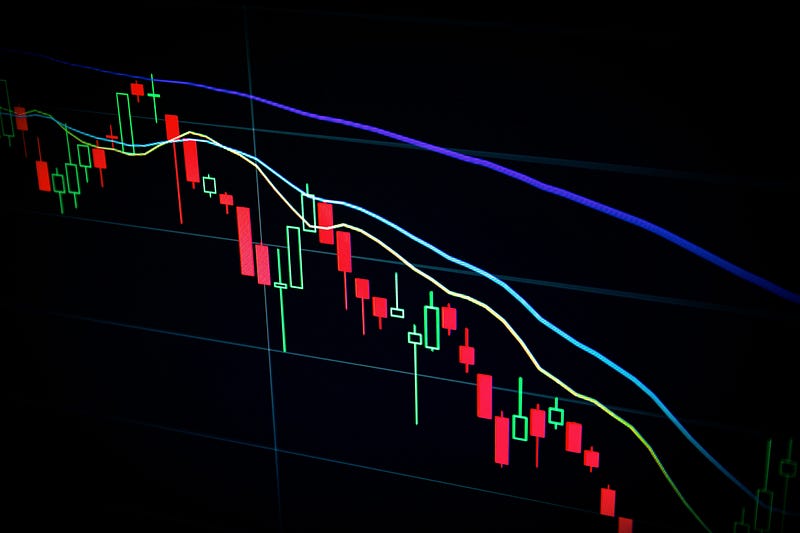
In this KIF paper, research analyst Baik Yeon-ju delved into abnormal price patterns within the Korean cryptocurrency market. She analyzed the hourly Open-High-Low-Close-Volume (OHLCV) data of kimchi coins in October 2021. The study revealed that out of a total of 16,560 hourly price and volume observations, approximately 4.7% exhibited characteristics consistent with P&D schemes. Baik noted that 91.3% (21 of the 23) observed kimchi coins witnessed such movements.
Legislative efforts
Meanwhile, it is encouraging that the South Korean National Assembly passed the Virtual Asset User Protection Bill during its plenary session on June 30. This legislation, set to go effective in July next year, aims to provide protection for customers’ assets in the virtual asset space. The act not only establishes regulations to combat unfair trading practices but also enforces penalties for non-compliance.
Call for further measures
However, Baik suggested that policies should be further strengthened to enhance investor protection within the crypto market. In order to achieve this, she proposed the implementation of a monitoring system for virtual asset service operators (VASPs) and the allocation of inspection and investigation personnel, as well as technical resources. It is also necessary to address potential conflicts that may arise with the Act on Real Name Financial Transactions and Confidentiality, particularly if the data required from VASPs falls under the classification of financial transaction information and personal information.
Furthermore, considering the lack of transparency surrounding many altcoins regarding their projects and exchange listings, Baik suggests that the upcoming second virtual asset bill should tackle this issue by regulating the issuance and disclosure of these cryptocurrencies. Additionally, she highlighted the importance of conducting research based on empirical data to detect abnormal transactions. This approach enables the recognition of existing issues and the acquisition of concrete evidence, which serves as a credible basis for policymakers to enact relevant legislation.