Top

China’s Jiangsu Province Integrates Digital Yuan Into Education System

Policy & Regulation·May 16, 2023, 12:34 AM

China has taken a raft of measures to try to build momentum in its digital currency, the digital yuan or e-CNY, with the latest step being an expansion into the education system in Jiangsu Province.

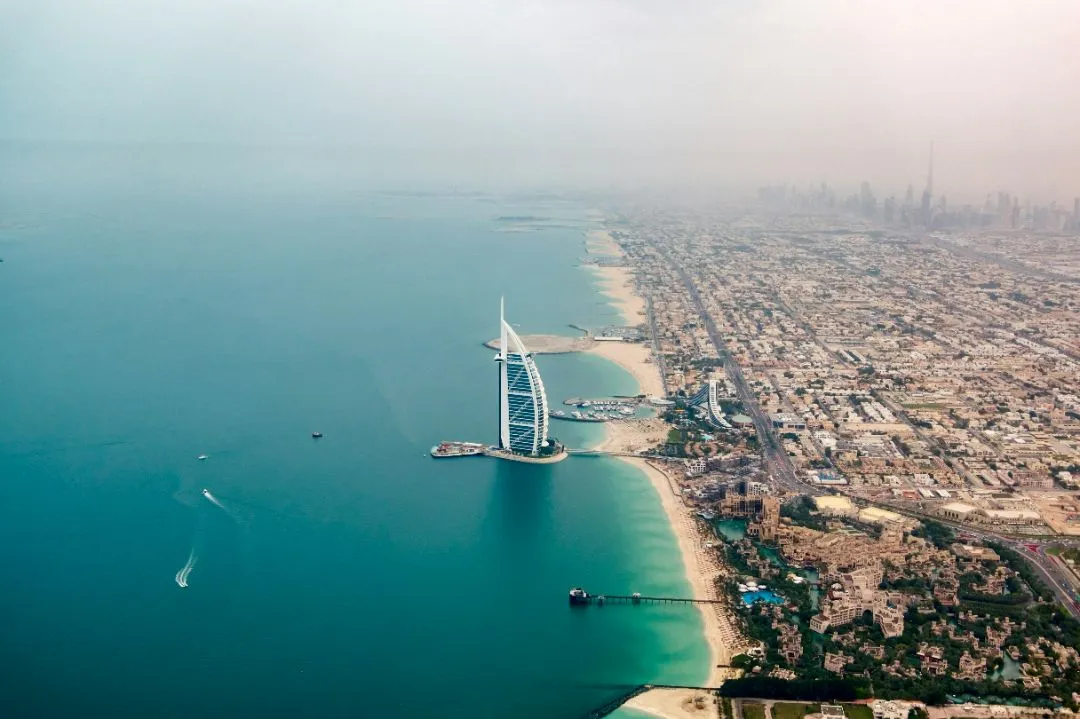
Photo by Kimberly Farmer on Unsplash

China’s digital yuan is a legal tender fully backed by the People’s Bank of China (PBOC) and pegged to the renminbi. Unlike most cryptocurrencies, it is not decentralized or anonymous but is monitored by the PBOC. While adoption has been slow, China has been first off the blocks in developing a central bank digital currency (CBDC) to the point of some level of active use by comparison with its international peers.


Enforcing a payments use case

Jiangsu Province will attempt to establish the use of the digital yuan in its education system by the end of 2025, according to the Jiangsu Education Department. By the end of the year, students studying within the province are likely to be paying tuition fees using the digital currency. The pilot plan that Jiangsu administrators within the province’s Education Department have put together also aims to establish a means through which examination registration fees will be paid in digital yuan, while scholarships will be received in the digital currency.

Zhou Maohua, a researcher with Beijing-headquartered Everbright Bank, told China Daily that it is imperative that more users are registered and go on to actively use the digital yuan to further its development.

“The establishment of infrastructure for the digital yuan should be further accelerated,” said Maohua. “Its software and hardware must be upgraded to improve user experience. The security and reliability of the system must also be strengthened,” he added.

Over the course of the past three months, four million digital yuan accounts have been opened by ordinary citizens within Jiangsu Province. Total e-CNY transactions have reached a level in excess of 200 billion yuan ($29 billion).


Multiple initiatives

In April, the administrators of the city of Changshu, which is situated within Jiangsu Province, announced that it was gearing up to commence paying state employees within the city in digital yuan. Around the same time, officials within the city of Xuzhou, also located within Jiangsu Province, announced that they were in the process of publishing a pilot scheme which will set out a means for promoting China’s e-CNY digital currency.

If that was enough in proving Jiangsu’s commitment to furthering the development of the e-CNY, another Jiangsu Province city, Suzhou, was one of the first locations in China to run a digital yuan pilot scheme in April 2020.

Earlier this month, it was revealed that the French international banking group, BNP Paribas, had partnered with the BOC in enabling an initiative to promote the use of the digital yuan among its corporate clients.

China is working with other countries on a Multiple CBDC Bridge project to explore the feasibility of cross-border fund transfers among different currencies. Launching its own CBDC for cross-border transfers may allow China to reduce its reliance on the US dollar and increase its influence over global trade and monetary policy.


More to Read
View All
Policy & Regulation·

Mar 10, 2025

Government-owned bank enables crypto trading through digital app in Dubai

Dubai-based Emirates NBD, one of the United Arab Emirates’ (UAE) top banks, has enabled a crypto trading service via its subsidiary bank, Liv Digital Bank. Liv Digital Bank has launched the crypto trading service through its Liv X mobile banking app. App users now have the ability to buy, hold and sell a range of cryptocurrencies. Users will have access to custody solutions. They can control both virtual currencies and fiat currencies from within one application.Photo by Markus Winkler on UnsplashAquanow collaborationThe offering has been brought online through a collaboration with digital assets infrastructure provider Aquanow. Taking to X, Aquanow CEO Phil Sham said that "incumbent institutions like Emirates NBD will play a pivotal role in driving the next wave of digital asset adoption.” Aquanow has acquired the necessary licensing from the Virtual Assets Regulatory Authority (VARA) in Dubai to enable the service offering on a compliant basis. Sham told Cointelegraph that the collaboration “showcases how traditional banking and digital assets can coexist, providing consumers with seamless, secure, and compliant access to the evolving digital economy.” Zodia as digital asset custodianZodia Custody, a virtual asset custodian that serves institutional clients, has been chosen to custody assets held as a result of crypto trading on the app. The custodian, a subsidiary company of British multinational banking group Standard Chartered, launched its service in Dubai back in 2023. Emirates NBD is government-owned and the UAE’s second largest bank. The service will facilitate users in trading Bitcoin (BTC), Ethereum (ETH), Solana (SOL), XRP, Cardano (ADA) and some other cryptocurrencies. The bank’s Group Head of Retail Banking and Wealth Management, Marwan Hadi, commented on the development, stating: “Offering cryptocurrency on Liv X is the next step towards the overall vision of Liv being a pioneer in innovation and excellence.” He added that “with the highest crypto adoption rate in the UAE, [Emirates NBD is] keen to launch [its] own virtual asset offering to capitalise on this trend.” This is not the first touch point with the crypto sector for the Emirates NBD subsidiary. Last year, Liv Digital partnered with tokenized real-world assets (RWA) firm Ctrl Alt. Accessing Ctrl Alt’s RWA tokenization expertise, Liv is opening investing opportunities for its customers in the area of tokenized assets. In November 2024, Emirates NBD signed up as a member of the Partior Network, the distributed ledger technology (DLT) clearing and settlement network. Partior uses tokenized instruments for the wholesale settlement of cross-border payments in conjunction with correspondent banks. In the past, the Dubai-based bank had made efforts to educate its customers with regard to the benefits of cryptocurrency and blockchain. Last year, American blockchain analysis firm Chainalysis reported that the Middle East and North Africa (MENA) accounted for 7.5% of global digital asset trading volume over the course of 12 months from July 2023 to June 2024. Chainalysis itself chose Dubai to set up its regional headquarters in May 2024.

news
Policy & Regulation·

Jul 14, 2023

Busan City Aims to Cultivate Growth in Blockchain and Fintech Industries

Busan City Aims to Cultivate Growth in Blockchain and Fintech IndustriesThe South Korean Ministry of SMEs and Startups (MSS) convened a meeting at the Korea Technology Finance Corporation today to address issues related to emerging industries, including blockchain and fintech, and devise strategies for their growth in Busan, a city rapidly establishing itself as a global hub. That’s according to a report by local news media News1.Photo by Minku Kang on UnsplashBlockchain, fintech, and hydrogenThe meeting saw the presence of MSS Minister Lee Young, Lawmaker Park Soo-young, Busan government officials, and university representatives. Local business leaders specializing in blockchain, fintech, and hydrogen also attended to provide their opinions.During the meeting, two presentations were delivered, each focusing on key policies. The first presentation outlined Busan’s strategic initiatives aimed at bolstering the finance and hydrogen sectors. The second presentation detailed the plans of the MSS’ Busan branch to support innovative enterprises.Following the presentations, local businesses put forth additional ideas pertaining to the policies. Minister Lee presided over a 100-minute discussion, facilitating an in-depth exploration of these ideas and extracting valuable insights. The proposed ideas encompassed mid-to-long-term strategies aimed at strengthening the connections between innovative firms, streamlining inspection standards for hydrogen containers, and promoting systematic research and development to address the sluggish adoption of new services in the fintech industry.Government’s visionExpressing the government’s commitment, MSS Minister Lee stated that up to ten global innovation clusters will be established across the nation by 2027, accompanied by expanded R&D support for new technologies. She called upon local governments and businesses to collaborate and spearhead innovation in the region.Meanwhile, in February, the MSS implemented a regulatory forecasting system to provide small businesses with advance notice of forthcoming regulations and gather their opinions for consideration. Additionally, the MSS intends to select two municipalities outside of the Seoul metropolitan area by October to enable businesses to drive innovation with minimal regulatory barriers.Busan’s blockchain driveBusan has been actively promoting blockchain initiatives through various events. An example of such an event, as reported by local news outlet Erounnet, is an upcoming three-day educational program on blockchain technology, organized by the Busan Creative Economy Innovation Center. The program will take place from July 25 to 28, followed by another event scheduled for September.

news
Policy & Regulation·

Jul 04, 2023

Hong Kong Embraces Web3 Development with Dedicated Task Force

Hong Kong Embraces Web3 Development with Dedicated Task ForceHong Kong has taken another step towards embracing the potential growth of the crypto industry by creating a dedicated task force for Web3 development.Led by Financial Secretary Paul Chan, the task force, which was announced on Friday, consists of 15 non-official members, including university professors and entrepreneurs. As official members, government officials and financial regulators are involved.Financial Secretary Chan expressed his optimism about blockchain technology, the foundation of Web3, highlighting its potential for innovation through features such as disintermediation, security, transparency, and cost-efficiency. The task force envisions Web3 as a solution to challenges faced in sectors like finance, trade, business operations, and everyday life.Photo by Shubham Dhage on UnsplashMulti-agency participationNotable members of the task force include the CEOs of the Hong Kong Monetary Authority (HKMA), Securities and Futures Commission (SFC), and Hong Kong Exchanges and Clearing. Their presence demonstrates the commitment of top finance regulators in Hong Kong to the Web3 initiative. Additionally, Yat Siu, chairman of metaverse firm Animoca Brands, joins as a non-official member, bringing diverse perspectives to the table.Financial Secretary Chan emphasized Hong Kong’s ambition to become a significant player in the Web3 space. The city-state aims to support companies and nurture local talent within the ecosystem. This initiative aligns with Hong Kong’s long-term vision for crypto development, as set out in a policy document released last October. It’s the latest in a whole series of measures officials have taken since then to further that crypto ambition.Strategic positioningBy establishing the Web3 task force, Hong Kong seeks to position itself as a prominent hub for crypto activities. The city-state recognizes the potential economic benefits and job opportunities associated with the crypto industry. The task force’s diverse composition reflects the government’s intention to collaborate with stakeholders from various sectors and gather insights from academia, government bodies, and industry experts.Furthermore, the task force aims to create a supportive environment for digital asset development. Hong Kong’s financial regulators have been actively working on regulatory frameworks to ensure investor protection and promote market integrity.While it is still in the early stages, global crypto exchanges like Huobi, OKX, and BitMEX have recently expressed their intentions to establish a presence in Hong Kong. This indicates growing interest in the city-state’s crypto potential and validates the government’s efforts to position Hong Kong as a welcoming and conducive environment for crypto-related businesses.With its commitment to fostering digital asset development, Hong Kong demonstrates a forward-thinking approach to leverage the benefits of blockchain technology and position itself as a thriving ecosystem for Web3 innovation.The collaboration between academic, governmental, and regulatory stakeholders sets the stage for the Chinese autonomous territory to capitalize on the opportunities presented by the evolving crypto space. Hong Kong’s proactive stance and the establishment of the Web3 task force reinforce its position as a global financial hub and a front-runner in embracing emerging technologies for future economic growth.

news
Loading