Top

Crypto emerges as topic in Indonesian election campaign

Policy & Regulation·December 20, 2023, 12:25 AM

As Indonesia gears up for its upcoming presidential election, the country’s crypto market has become a focal point for political discourse. Gibran Rakabuming Raka, a vice presidential candidate and the eldest son of President Joko Widodo, recently unveiled his plans to foster expertise in blockchain and crypto within the Southeast Asian nation.

Chosen as the running mate for presidential candidate Prabowo Subianto, the 36-year-old politician aims to elevate tech education in Indonesia, opening avenues for the younger generation, particularly in the realm of digital assets. According to a report by Indonesian online news portal detikNews, while speaking at a political gathering on Dec. 10, Gibran asserted:

“We are preparing blockchain experts, we are preparing cyber security experts, we are preparing crypto experts.”
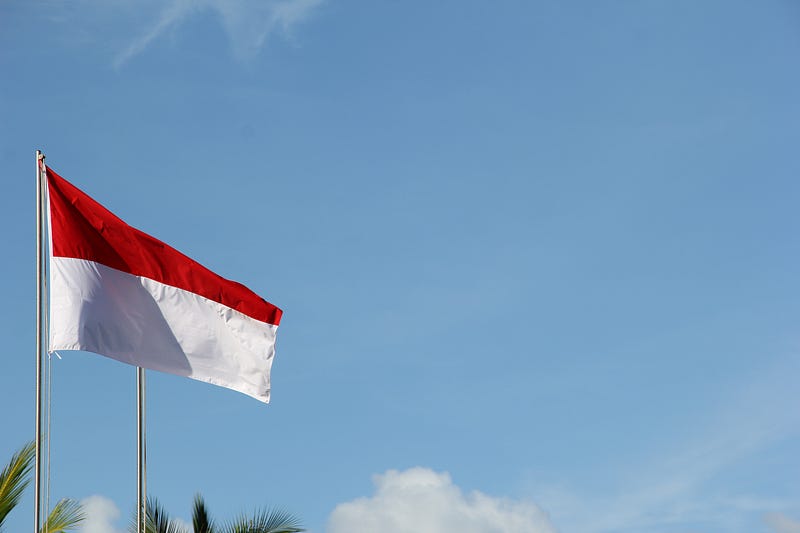
Photo by Nick Agus Arya on Unsplash


Crypto potential

Indonesia has emerged as being ahead of the curve in terms of crypto adoption, ranking seventh on Chainalysis’ 2023 global crypto adoption index. With an estimated 18 million crypto investors, the country boasts a robust industry association that also functions as a self-regulatory body.

Local news media reported in October that the Southeast Asian country has seen a 10.1% year-on-year increase in the number of crypto investors. At the time, Tirta Karma Senjaya, Head of the Commodity Futures Trading Regulatory Agency, said, "Growth in the number of crypto investors in Indonesia continues to increase, but investors are still looking for the right time to buy crypto.”

Private sector entities have also identified the raw potential. In the same month, Web3 consulting firm Tiger Research, in partnership with South Korean crypto data platform Xangle, produced a report which identified significant potential for the development of Indonesia’s Web3 market. There are over 30 crypto exchanges operating in the country, acting as the primary channel through which growth in crypto is propelled in Indonesia.


Capitalizing on crypto interest

The government, under President Widodo, has actively sought to capitalize on this crypto enthusiasm, going as far as establishing a local “stock market” dedicated to crypto assets.

Gibran’s proactive stance on crypto education aligns with his broader vision of positioning Indonesia at the forefront of the global digital revolution. The country’s rapidly growing tech landscape and crypto adoption make it an opportune space for fostering expertise in these cutting-edge technologies.

As the presidential election approaches, Gibran’s commitment to cultivating a pool of crypto experts underscores the potential influence of the crypto industry in shaping Indonesia’s economic future.


An international topic

Crypto is increasingly becoming an important topic in elections globally. In the United States, many of the presidential candidates, particularly within the Republican Party, have publicly expressed their interest in crypto and blockchain. Yesterday, Ripple CEO Brad Garlinghouse took to the X social media platform on the subject, stating:

”Team @Ripple is putting a stake in the ground, leading the charge with other industry leaders to support pro-innovation and pro-crypto candidates in the 2024 US election cycle. The US cannot afford to continue taking a back seat on the global stage.“

With Indonesia’s election frontrunners, Prabowo and Gibran, expressing interest in the sector, it remains to be seen how this focus on crypto will resonate in the upcoming political debate on Feb. 4.


More to Read
View All
Web3 & Enterprise·

Apr 11, 2023

Chinese Insurer Founds 2 Crypto Funds in Hong Kong

Chinese Insurer Founds 2 Crypto Funds in Hong KongChina has been in the headlines lately as the country continues to take a growing interest in cryptocurrencies in spite of a previous clampdown. According to a blog post published last Thursday, a Chinese state-owned insurance company launched two crypto funds, further solidifying the country’s stance on digital assets.©Pexels/Charlie JinChinese crypto resurgenceChinese insurance behemoth, the China Pacific Insurance Company (CPIC) has launched the two cryptocurrency funds in Hong Kong. The funds will be managed by the firm’s asset management unit, CPIC Investment Management, and have been established in conjunction with venture capital and blockchain start-up investment firm, Waterdrip Capital. Furthermore, they will focus on investments in cryptocurrencies and related assets, with a particular emphasis on Bitcoin and Ethereum.Waterdrip was originally founded in Shanghai in 2017, and has previously invested in the Chinese crypto mining sector, together with other blockchain-related projects. The move comes as China continues to make strides towards becoming a leader in the digital currency space. Last year, the country’s central bank announced plans to create its own digital currency, which is currently in the testing phase. The move is seen as a way for China to gain more control over its financial system and reduce its reliance on the US dollar.Hong Kong crypto hubChina’s growing interest in cryptocurrencies has been driven in part by the country’s rapidly growing tech industry. Companies like Tencent and Alibaba are leading the way in digital payments and e-commerce, and many believe that cryptocurrencies will play a key role in the future of online transactions.The launch of these two crypto funds by a state-owned insurance company is just the latest indication of the formative development of Hong Kong as a crypto hub. Its believed that China is treating crypto development in Hong Kong as a manner in which it can determine how digital assets can be utilized subsequently on mainland China.It’s not the first time a state-owned entity has gotten involved in cryptocurrency. Earlier this year, a state-owned company launched two crypto funds in Hong Kong, with a focus on investing in Bitcoin and other digital assets.Previous crypto crackdownDespite China’s growing interest in cryptocurrencies, the country has also taken a tough stance on the industry in the past. In 2017, the Chinese government banned initial coin offerings (ICOs) and shut down local cryptocurrency exchanges. However, it appears that the country’s stance is shifting, with the launch of these two crypto funds serving as a clear indication of China’s growing interest in digital assets.While China’s embrace of cryptocurrencies is seen by many as a positive development for the industry, there are also concerns about the country’s growing influence in the space. With China’s central bank developing its own digital currency, some worry that the country could use it to further extend its financial reach and influence around the world.Despite these concerns, it’s clear that China’s interest in cryptocurrencies is only growing. As the country continues to make strides in the digital currency space, it will be interesting to see how it impacts the global economy and the future of finance.

news
Policy & Regulation·

Feb 29, 2024

Korea’s ruling party retracts its pledges to approve spot bitcoin ETFs

With the general election just over a month away, South Korea’s ruling People Power Party (PPP) has retracted its campaign pledges to allow trading of spot bitcoin ETFs, local media outlet Chosun Biz reported. The PPP has previously drawn substantial attention from the crypto industry, as the party showed its intention to ease a range of crypto regulations in hopes of gaining more votes in the general election.  A political insider familiar with the issue said yesterday that the PPP has recently removed crypto-related agendas from its priority list. The crypto pledges, initially planned to be announced last week, have been permanently suspended, the person said. “The leaders of the PPP are currently focusing on nomination for local constituencies and its satellite People’s Future Party, rather than coming up with additional crypto agendas. As the PPP appears to be embarking on the election campaign starting in March, the likelihood of the ruling party releasing crypto pledges is very slim,” another political circle insider mentioned.Photo by Traxer on UnsplashTalks between PPP and FSC go in vainThe PPP’s decision to retract crypto-related pledges comes after its attempt to approve the introduction and trading of spot bitcoin ETFs met with opposition from the Financial Services Commission (FSC).  Unlike the PPP or its opposition Democratic Party of Korea (DPK) that scrambled to ease crypto regulations ahead of the general election, the FSC’s stance on viewing crypto assets as risky hasn’t changed much. Despite last month’s approval of spot bitcoin ETFs by the U.S. Securities and Exchange Commission (SEC), the FSC continues to ban the issuance of crypto-based financial products or investments in them, stating that crypto assets are not defined as underlying assets under the current Capital Markets Act. This has gotten in the way of the PPP’s plan to delay taxation on crypto gains for as long as two years and allow institutional investments in virtual assets.  The PPP also had to verify all the party members to see if any of them had a record of wrongdoings related to crypto transactions, which further delayed the pledges. This shows politicians’ heightened awareness of crypto-related issues. Last year, the DPK lawmaker Kim Nam-guk made headlines for a scandal, as he was accused of failing to report a considerable amount of crypto assets transactions to the financial authority. PPP lags a step behind its opposition DPKThe DPK has also strived to come up with crypto pledges alongside the PPP. The crypto-related pledges released by the DPK so far largely overlap with those of the PPP, meaning there’s no particular merit to the PPP’s campaign vows leading up to the general election. Many see this as another reason for the PPP’s decision to withdraw crypto pledges. The DPK unveiled its plan on Feb. 21 to legalize spot bitcoin ETFs, and pledged to deduct taxes on crypto gains worth less than KRW 50 million ($37,400). Under the current law, only crypto gains that are worth less than KRW 2.5 million qualify for the tax deduction. Most of these pledges largely align with those of the PPP.  With the PPP’s withdrawal of its plan to ease crypto regulations, the excitement among crypto industry insiders for the upcoming general election appears to have subsided. “Despite the DPK’s promise to allow spot bitcoin ETFs, it is unlikely that we’ll see crypto assets being incorporated into the conventional financial system without the ruling party’s approval, let alone fostering the blockchain industry,” said one crypto insider. 

news
Policy & Regulation·

Jul 21, 2023

Kuwait Implements Full Ban on Crypto Activities

Kuwait Implements Full Ban on Crypto ActivitiesIn a significant move to combat money laundering and terrorist financing, Kuwait has taken a decisive step by announcing a complete ban on all crypto-related activities.Photo by Jan Dommerholt on Unsplash“No legal status”According to a circular issued by the Capital Markets Authority (CMA), Kuwait’s top financial regulator, earlier this week, cryptocurrencies are deemed to have “no legal status” and lack the support of any government or any asset. As a result, the prices of these digital assets are vulnerable to speculative swings, exposing investors to potential substantial losses. Consequently, the CMA asserts that engaging in crypto activities can lead to adverse consequences and financial risks for individuals and businesses alike.The ban extends beyond trading and mining. It also prohibits public companies from offering any cryptocurrency-related services. The CMA emphasized that it has never granted approval for crypto services in the past, and this outright ban reinforces the country’s commitment to curbing illicit financial activities facilitated by cryptocurrencies.Aligning with FATFThe decision comes in the wake of Kuwait’s determination to align with the Financial Action Task Force’s (FATF) global requirements for handling crypto assets. The country is attempting to demonstrate its compliance with international anti-money laundering guidelines by clamping down on digital assets.Kuwait’s approach towards cryptocurrencies diverges significantly from other Gulf states that have embraced the nascent industry with more openness. The likes of the United Arab Emirates (UAE), Saudi Arabia, and Bahrain have previously engaged with crypto assets in various ways.For example, Bahrain granted approval to global crypto exchange platform Binance to provide digital asset services within the country. It’s keen to embrace digital assets as it pivots away from an oil-based economy. The Kingdom recently welcomed plans by Singapore-based private equity firm Whampoa Group to establish a crypto-friendly digital bank there.Meanwhile, Saudi Arabia’s sovereign wealth fund has also invested in several US-based venture capital funds which are focused on crypto and blockchain technologies.Dubai, in particular, has been actively working on establishing a regulatory framework for digital assets, aiming to position itself as a digital hub in the region. The UAE as a whole has recognized crypto assets as securities for several years, fostering a favorable environment for crypto businesses.CriticismNews of the ban also provoked criticism, including commentary from Alex Gladstein, Chief Strategy Officer with the Human Rights Foundation. Gladstein, taking to Twitter, stated: “ Not surprising. I expect all authoritarian regimes (especially gulf tyrannies like the UAE and Saudi Arabia) to follow in Kuwait’s footsteps and eventually pass severe restrictions on citizen use of Bitcoin.” While the UAE trends in the opposite direction, Gladstein is not optimistic about the free use of decentralized cryptocurrencies in the UAE over the longer term.As the global crypto landscape continues to evolve, each country in the Gulf region is adopting unique approaches to address the opportunities and challenges posed by digital assets. While there may be opposition to the technology, decentralized digital assets will benefit from jurisdictional arbitrage in efforts to get this innovation rolled out for the benefit of ordinary people around the world.

news
Loading
