Top

Phoenix Group strikes $380M deal with MicroBT

Web3 & Enterprise·December 09, 2023, 2:02 AM

Phoenix Group, a Dubai-headquartered Bitcoin (BTC) mining company, has sealed a $380 million deal with Chinese mining equipment manufacturer, MicroBT.

The deal comes just days after Phoenix’s stock made its debut on the Abu Dhabi Securities Exchange (ADX). The miner announced on Thursday that it would promptly receive mining equipment valued at $136 million, with an additional option for equipment worth $246 million.

Phoenix asserts that this transaction stands as the most substantial order for MicroBT’s Whatsminer equipment in the past two years. Whatsminer is a brand of mining hardware and chip design which has been developed by MicroBT.

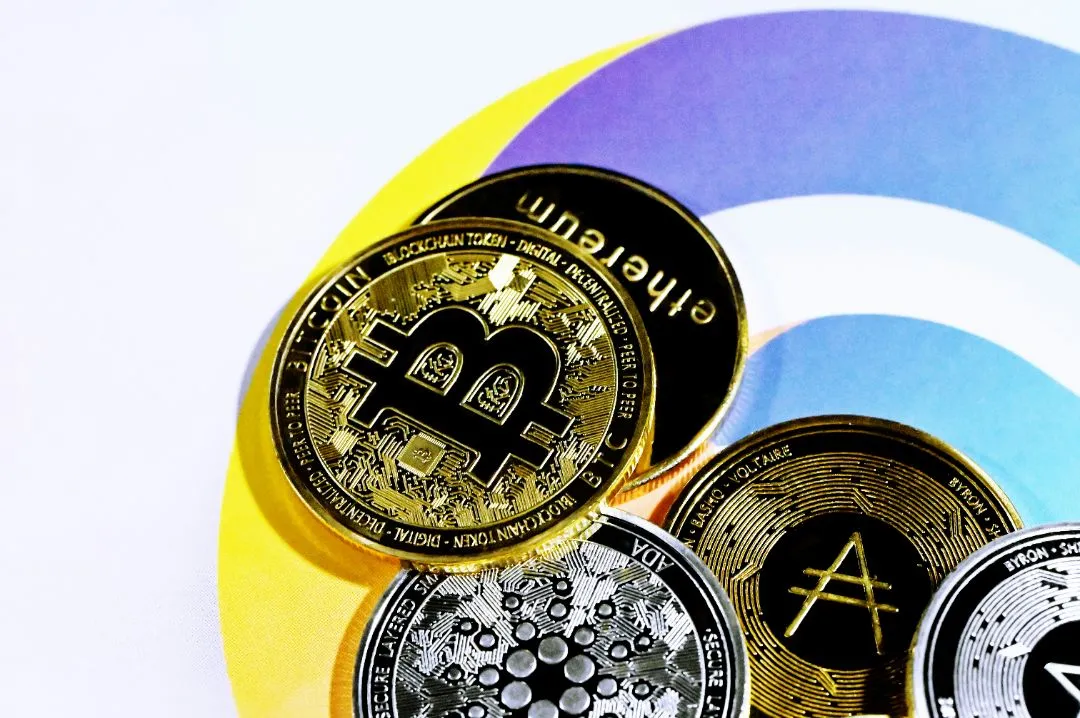
Photo by Traxer on Unsplash


Green mining equipment

As outlined in a press release published by the company, the Middle East-based miner is taking a step towards sustainability by incorporating hydro-cooling miners, a collaborative effort with MicroBT aimed at establishing world-class high-performance computing (HPC) data centers. The move highlights Phoenix Group’s interest in pursuing eco-friendly crypto-mining practices, something that will help to position the company as a leader in furthering efficient and responsible mining solutions.

Munaf Ali, co-founder of Phoenix Group, emphasized the significance of partnering with MicroBT and advancing hydro-cooling technologies in achieving the company’s vision for sustainable and innovative mining operations. Ali stated:

“Our partnership with Whatsminer and the development of hydro cooling technologies are key components of our vision for sustainable and innovative mining operations. These advancements are not only a leap in our technological capabilities but also align with our commitment to environmental responsibility.”

While Phoenix did not disclose further specifics about the type of mining machines it is acquiring, the move signifies a broader trend among mining companies making substantial investments in cutting-edge hardware. Texas-based Bitcoin miner Riot Platforms recently spent $290 million to acquire over 66,000 mining machines from MicroBT.


GCC distribution agreement

Phoenix has an ongoing business relationship with MicroBT. In November 2022 the firm signed a deal with MicroBT that enabled it to act as a distributor of MicroBT’s Whatsminer brand of mining equipment. Under the terms of that partnership, Phoenix distributes Whatsminer products across Gulf Cooperation Council (GCC) countries such as the United Arab Emirates (UAE), Oman, Saudi Arabia, Bahrain, Qatar and Oman.

Phoenix Group’s recent accomplishments extend beyond hardware acquisitions. Following its historic debut on the ADX on Tuesday, where it raised $370 million from its initial public offering in November, the company has experienced positive market performance.

Data from ADX’s website reveals that Phoenix Group’s stock has propelled its market capitalization to over $4 billion (15.1 billion AED) within the first two days of trading. The initial public offering (IPO) price of 1.50 dirhams had been set earlier this week. Immediately, the shares increased by 50% to 2.25 dirhams.

Bijan Alizadehfard, co-founder and group CEO of Phoenix Group, expressed the company’s success on the ADX as a catalyst for forging significant partnerships with major mining firms like MicroBT. Alizadehfard highlighted that the listing has bolstered the company’s capabilities in the blockchain and cryptocurrency sector, contributing to its ongoing advancements in the industry.

More to Read
View All
Policy & Regulation·

Oct 31, 2023

Busan Blockchain Special Zone Gears Up with Expert-Led Operations Committee

Busan Blockchain Special Zone Gears Up with Expert-Led Operations CommitteeGovernment officials and various executives from financial enterprises have been appointed as members of the operations committee of the Busan Blockchain Regulation Free Special Zone project, according to local news outlet Etoday on Tuesday. This project is geared towards growing the city as a blockchain hub and nurturing blockchain-related businesses in the special zone that are exempt from regulatory oversight. The operations committee will be responsible for overseeing the designated area, fostering new businesses and facilitating the development of Busan’s blockchain industry.Photo by Maicon Fonseca Zanco on PixabayDiverse lineup of expertsA total of 25 members have been appointed to the committee, including two ex-officio members — Lee Sung-kwon, Deputy Mayor of Busan for Economic Affairs, and Son Sung-eun, Policy Advisor for Financial Startups in Busan. Other members include Kim Sang-min, the leader of Busan’s initiative to establish its own digital asset exchange; Lee Keun-ju, President of the Korea Fintech Industry Association; and Jin Hyeong-gu, Vice President of KakaoPay, along with other relevant personnel and academic experts. Notably, the only representative affiliated with a cryptocurrency exchange is Seo Byung-yoon, Director of Bithumb’s Economic Research Institute.The participation of Jin Hyeong-gu, Vice President of KakaoPay, is also noteworthy given the fact that KakaoPay is under the internet juggernaut Kakao Group along with GroundX and Klaytn Foundation — two entities that served as the main driving force of blockchain projects at Kakao. However, KakaoPay clarified that its involvement in the operations committee is unrelated to any plans for blockchain and virtual asset-related businesses, instead attributing it to Jin’s experience and expertise in anti-money laundering (AML) procedures. Prior to joining KakaoPay, he had been an AML expert at prominent financial institutions like the Financial Services Commission (FSC) and Kookmin Bank.In addition, Kiwoom Securities and Hanwha Asset Management are both members of the Busan Blockchain Industry Association. Kiwoom Securities explained that it was asked to join the committee to serve as a representative of the association.Key milestones and plansThe committee’s first meeting is scheduled for Nov. 9, the first day of this year’s Blockchain Week in Busan (BWB) event, during which it will discuss matters such as the appointment of a chairman and detailed plans for setting the special zone in motion.The promotion committee of the city’s plan for a digital asset exchange, which has been active until now, is also being dissolved as the term for the members serving in the committee has ended. Subsequently, the new operations committee will become a priority.The committee’s detailed blueprint and action plan will be unveiled during BWB. Touting the theme “Target 2026 Blockchain Busan,” the event is set to host local and overseas experts in the field of blockchain and Web3 to jointly discuss the prospects and potential of Busan to become an urban blockchain hub by 2026.

news
Web3 & Enterprise·

Aug 24, 2023

MARBLEX Partners with Aptos to Expand Its Multichain Endeavors

MARBLEX Partners with Aptos to Expand Its Multichain EndeavorsMARBLEX, a blockchain subsidiary of South Korean gaming developer Netmarble, has made an announcement today about its new collaboration with Aptos Foundation, a layer-1 blockchain company.Designed with key principles such as scalability, safety, and upgradeability, the Aptos blockchain aims to address prevalent issues within the blockchain sphere, including frequent outages, high costs, throughput limitations, and security concerns.Photo by Shubham Dhage on UnsplashMARBLEX WARP BridgeThrough the strategic partnership between the two companies, MARBLEX plans to leverage the MARBLEX WARP Bridge, a technology connecting diverse blockchain ecosystems, to introduce the MBX ecosystem’s games, non-fungible tokens (NFTs), and other services to Aptos users.MARBLEX’s multichain collaborationsThis partnership is part of MARBLEX’s effort to expand its multichain endeavors. MARBLEX has already established collaborations with renowned entities such as global cryptocurrency exchange Binance and blockchain project NEAR Foundation.Moon Jun-ki, Business Division Director of MARBLEX, said that this partnership will create synergy, particularly in terms of enhancing scalability and fostering interactions among users of both networks.Bashar Lazaar, Ecosystem and Grants Lead at Aptos Foundation, noted that this collaboration will drive innovation in Web3-based gaming experiences, benefiting global users.

news
Policy & Regulation·

Feb 12, 2025

Japan orders Apple, Google to remove unregistered crypto exchange apps

Japan’s Financial Services Agency (FSA), a government agency and financial regulator responsible for overseeing banking, securities and exchange, has ordered both Apple and Google to remove specified unregistered crypto exchange apps from the Japanese versions of their app stores.Photo by Louie Martinez on UnsplashFive exchange apps specifiedIt is understood that the request was made at the beginning of this month, with the regulator specifically calling for the removal of the ability of Japanese consumers to download apps related to Bybit, MEXC Global, LBank Exchange, KuCoin and Bitget. In response to a query from The Block, Bitget Chief Legal Officer (CLO) Hon Ng said that the company is “aware of the issue and sincerely apologize for any inconvenience caused by the temporary removal of the Bitget app from the iOS App Store in Japan." The Bitget CLO went on to state that the company is working with Apple and regulators to resolve the matter. News of the regulator’s request emerged via a report published by Japanese financial media platform Nikkei on Feb. 7.  Apple had removed the apps from its App Store on Feb. 6. Reclassification of digital assets as securitiesA subsequent report by Nikkei on Feb. 10 suggests that the FSA is considering classifying digital assets as financial products akin to securities. The objective of the move is to protect Japanese investors as it would mean increased disclosure requirements from those that offer crypto-related investment products. Last August, FSA Commissioner Hideki Ito told Bloomberg that any decision to approve crypto-linked exchange-traded funds (ETFs) requires “careful consideration.” At the time Ito said that many people believe that digital assets “do not necessarily contribute to the wealth creation of the Japanese people in a stable and long-term manner.” The Japanese have been far more cautious in their approach to virtual assets by comparison with other Asian centers such as Hong Kong, which had approved spot Bitcoin and Ether ETFs some time ago. It appears that Japan’s FSA is wary of the volatility of cryptocurrencies and risks associated with the nascent assets. It’s understood that the FSA will announce crypto policy reforms by June 2025. Legislative amendments would then follow in the following parliamentary session in 2026. The change would mean a lifting of the current prohibition related to crypto ETFs. Another aspect likely to be reformed is taxation as it relates to crypto. It’s thought that a reduction from the existing 55% tax rate on crypto to 20% is on the cards. This is not the first occasion when a regulator has leaned on Apple and Google to cut off access to crypto exchange apps. In January 2024 Apple India blocked access to eight exchanges which had been subject of a show-cause notice from India’s Financial Intelligence Unit (FIU). Following a seven month ban, access to the Binance app was subsequently restored once it had come back into compliance in India. In April 2024 the Securities and Exchange Commission (SEC) in the Philippines had ordered both Google and Apple to remove the Binance app from their app stores on the basis that it posed a risk to Filipino investors at the time.

news
Loading