Top

Standard Chartered joins China’s CBDC pilot trials

Policy & Regulation·November 29, 2023, 12:24 AM

Standard Chartered Bank has joined the advanced stages of China’s central bank digital currency (CBDC) pilot trials, making it one of the world’s largest multinational banks to partake in such an initiative.
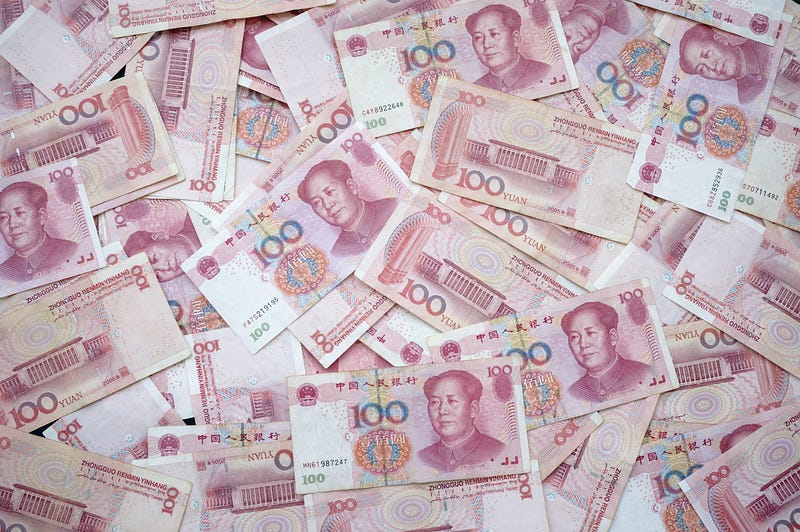
Photo by Eric Prouzet on Unsplash


Enabling e-CNY exchange

China initiated its CBDC pilot trials over a year ago, with it being much further ahead of other CBDC initiatives internationally in terms of development. It has now expanded its trials to include more lenders, with Standard Chartered China becoming the latest participant.

This development means that Standard Chartered Bank’s users in the Asian nation will soon have access to the digital version of the Chinese yuan by seamlessly integrating its platform with China’s dedicated CBDC app. According to an announcement by Standard Chartered Bank (China) Ltd. on Monday, the bank will be enabled, through partner firm City Bank Clearing Services Co., to offer its clients the ability to purchase, exchange or redeem e-CNY.

In its announcement, Standard Chartered China’s President, Zhang Xiaolei, stated:

“As an international bank rooted in the Chinese market for 165 years, Standard Chartered is optimistic about the development prospects of digital renminbi.”


Joining e-CNY testing program

The e-CNY pilot testing program in China has been extended to 26 cities and provinces. Standard Chartered’s Chinese subsidiary will involve itself with supply chain financing, trade financing and cross-border merchant payments as part of that pilot program.

The adoption of CBDCs is anticipated to reduce reliance on physical currency notes while ensuring transparent and tamper-proof transaction histories. China’s CBDC, known as the digital yuan or e-CNY (digital renminbi), has garnered international attention for its progressive approach to digital currency.


Broader digital assets sector involvement

Standard Chartered’s involvement in China’s CBDC pilot marks a milestone, emphasizing the bank’s commitment to digital innovation. However, the British banking conglomerate has had a broader approach to digital assets beyond this CBDC collaboration. A report by Nikkei Asia last month suggested that the banking group was making a concerted effort to develop its digital assets-related business within the Asian region through its Singapore-based investment arm, SC Ventures.

Earlier this month, SC Ventures unveiled Libeara, a platform which plans to offer the first-ever tokenized Singapore dollar government bond fund. Subsidiary companies include digital asset custodian Zodia Custody and institution-first digital asset marketplace Zodia Markets.

China has been at the forefront of CBDC experimentation, with initiatives like testing offline payment systems integrated with SIM cards. This innovative approach allows users to initiate CBDC payments by simply bringing their phones close to sale terminals. The trials, initially launched in major cities such as Shanghai, Beijing and Shenzhen, have encouraged residents to embrace e-CNY for everyday transactions.

While China’s advancements in CBDC trials are noteworthy, other nations, including India, Japan and the U.S., are also actively engaged in the advanced phases of CBDC-related research and development. These global efforts seek to diversify financial settlement options, providing individuals with a broader range of choices in the evolving landscape of digital currencies.

More to Read
View All
Policy & Regulation·

Aug 26, 2023

Binance Takes P2P Service Measures in Response to Sanctioned Russian Banks

Binance Takes P2P Service Measures in Response to Sanctioned Russian BanksGlobal crypto exchange Binance has removed the option for users to conduct transactions via sanctioned Russian banks on its peer-to-peer (P2P) platform, a decision that comes on the heels of a Wall Street Journal exposé published earlier this week, shedding light on the platform’s involvement in facilitating the movement of funds for Russian users.Previously, Binance’s peer-to-peer service featured five Russian banks under sanctions as a method for ruble transfers between users. However, the company swiftly acted to address potential compliance concerns. Fittingly, this latest news was also broken by the Wall Street Journal on Friday.Dmitry Sidorov on PexelsSailing too close to the windWhen approached regarding the omission of these banks, a Binance spokesperson stated: “We regularly update our systems to ensure compliance with local and global regulatory standards. When gaps are pointed out to us, we seek to address and remediate them as soon as possible.”The Wall Street Journal’s article outlined how Binance’s peer-to-peer platform facilitated ruble-to-crypto trades that frequently involved the sanctioned Russian banks, with Rosbank and Tinkoff Bank being prominent examples.These trades often utilized layers of intermediaries to convert funds from these banks into Binance balances, as detailed by various company resources, user screenshots, and messages in official chat groups. Despite these revelations, Binance’s exchange had continued to handle significant volumes of ruble trading, according to data compiled by digital asset research firm CCData.US DoJ probeBinance’s activities in Russia could potentially contribute to its ongoing legal challenges in the United States. The US Justice Department (DoJ) has been probing the company’s actions for potential violations of American sanctions on Russia. In response to such concerns, the Binance spokesperson emphasized:“Binance aims to diligently comply with the global sanctions rules and enforces sanctions on people, organizations, entities, and countries that have been blacklisted by the international community, denying such actors access to the Binance platform.”WorkaroundsTraders, however, had reportedly found workarounds to the bank removals, as observed in the official Telegram chat group for Russian clients. Many shared that they could still engage with sanctioned banks by selecting alternative payment methods and then manually inputting their Rosbank or Tinkoff bank details.Earlier this year, an investigative report by CNBC alleged that employees of the company had told it that Binance staff regularly helped Chinese customers to bypass Know Your Customer (KYC) controls in order to access the platform. More recently, another report, once again by the Wall Street Journal, found that business in China was booming, which surprised many given that China banned crypto trading within the country in 2021.It’s apparent that the company is reacting to regulatory and legal pressures in taking the decision to make these changes to its P2P service. Perennial crypto critic US Senator Elizabeth Warren took to X (formerly Twitter) on Friday, stating:“I rang the alarm about sanctions evasion by Russia using the crypto platform Binance — and urged [the DoJ] to investigate potentially false statements it made to Congress. We need stronger crypto regulations to rein in illicit finance.“

news
Policy & Regulation·

Dec 01, 2023

KCC sets guidelines for user protection on metaverse platforms

KCC sets guidelines for user protection on metaverse platformsThe Korea Communications Commission (KCC) has established its latest guidelines for ensuring the protection and safety of users of metaverse platforms, dubbed the “Basic Principles for the Protection of Metaverse Users”.Photo by GuerrillaBuzz on UnsplashNavigating the metaverse landscapeAlthough metaverse platforms can create new economic and business opportunities by linking reality with the virtual realm and providing users with a realistic and immersive experience, the agency argued that various problems may arise due to the use of anonymous profiles or avatars.In response, the KCC assembled six voluntary principles for metaverse service providers to apply to their operations through discussions with a policy advisory group for metaverse ecosystem user protection. The group is composed of 29 members, including academics, legal experts and domestic and overseas companies. It has been active since last year.Fostering ethical metaverse environmentsThe principles cover topics like ensuring free yet respectful communication between users; granting users a platform for voicing their opinions on issues related to their rights and interests; and ensuring that transactions involving digital products and services are conducted on proper terms. They also urge companies to give users the right to use and manage their own data along with that of the metaverse.On a less technical level, the last principle mentions that companies should make efforts to study the long-term impact of the metaverse on users’ physical and mental health, and on society, culture, environment and economy.The agency has also proposed to draft a code of practice outlining more specific measures to protect users, such as prohibiting sexual harassment and stalking, reporting and punishing cyberbullying and transferring the right to purchase NFTs.Responsible governanceMajor metaverse platform operators like Naver, SKT and Meta, who are members of the agency, agreed to apply the guidelines and include them in their relevant terms and conditions documents and service operation regulations. The KCC stated that it plans to monitor whether or not these commitments are met.Although not mandatory, the guidelines are recommended as measures to resolve user inconvenience, enhance service reliability and provide standards for user protection. User protection includes that of children, adolescents and personal privacy.

news
Web3 & Enterprise·

Sep 13, 2023

Bullish Emerges as a Bidder for Bankrupt FTX Exchange

Bullish Emerges as a Bidder for Bankrupt FTX ExchangeBullish, a Gibraltar-based crypto exchange with strong ties to Asia, has emerged as a prominent bidder for the bankrupt trading platform FTX, which filed for bankruptcy protection in November last year.Photo by Kelly Sikkema on UnsplashValuable customer baseUp until that point, FTX was a thriving player in the cryptocurrency market. However, it is now in the process of seeking new ownership or financial restructuring to resurrect its operations. In a report published on Tuesday, The Block outlined that according to sources familiar with the situation, Bullish is eager to acquire FTX primarily for its valuable customer base.The news follows the filing of a stakeholder brief to the bankruptcy court in Delaware in the United States by the FTX Debtor on Monday. The brief outlined that the Debtor, led by new CEO John Ray, has reached out to more than 75 bidders to evaluate the potential relaunch of the FTX exchange business.Bullish aims to leverage FTX’s existing user network, intending to convert as many of them as possible into Bullish customers. However, it’s worth noting that this complex negotiation process may face challenges and uncertainties along the way.Asian connectionsAlthough it’s incorporated and registered in Gibraltar, only 4% of the company’s staff are Gibraltar-based. Meanwhile, the firm has offices in Singapore and Hong Kong with those locations accounting for 49% of the company’s overall workforce, according to LinkedIn data. Back in November the firm confirmed that it wasn’t one of the many crypto businesses with exposure to the FTX collapse.Bullish was founded by Brendan Blumer, with Bloomer currently acting as the exchange’s Chairman. Blumer previously founded Block.one, the developer behind the EOS blockchain. He also successfully founded and later exited Okay.com, Hong Kong’s largest digital property agency.Other Asia-centric players in the crypto sector had expressed interest in buying the FTX business (or parts of the business) earlier in the year. These included Singapore’s BSQ Capital and Gamepay, India’s CoinDCX, Japan’s 5G networks developer Docomo and e-commerce giant Rakuten, and Hong Kong’s OKC Holdings.Tribe Capital interestThe Block article also outlines that US-based Tribe Capital is another significant bidder in the running. Tribe Capital had FTX within its venture portfolio prior to the exchange’s downfall and subsequent bankruptcy at the close of the previous year. It had also appeared on the list of 363 sales parties back in June, and prior to that still, it had expressed its interest in buying the business.To establish a clear timeline for its business restructuring efforts, the estate has set a deadline for new bids, which falls on September 24. The FTX estate is still at an early stage in trying to resuscitate the business. Even if it’s successful in that endeavor, it’s not expected that a new business will emerge until Q2 2024 at the earliest.Separately, a criminal prosecution against FTX Founder Sam Bankman-Fried is progressing with a trial scheduled to take place in New York in October. Presently Bankman-Fried is incarcerated in a New York City jail while he awaits trial, having been found to have breached his bail conditions on the grounds of witness tampering.

news
Loading