Top

Philippine central bank tightens rules on crypto transfers

Policy & Regulation·January 03, 2024, 6:27 AM

In a move to enhance the oversight of cross-border wire transfers involving virtual assets, Bangko Sentral ng Pilipinas (BSP), the central bank of the Philippines, is fortifying the implementation of regulations relative to crypto transfers.
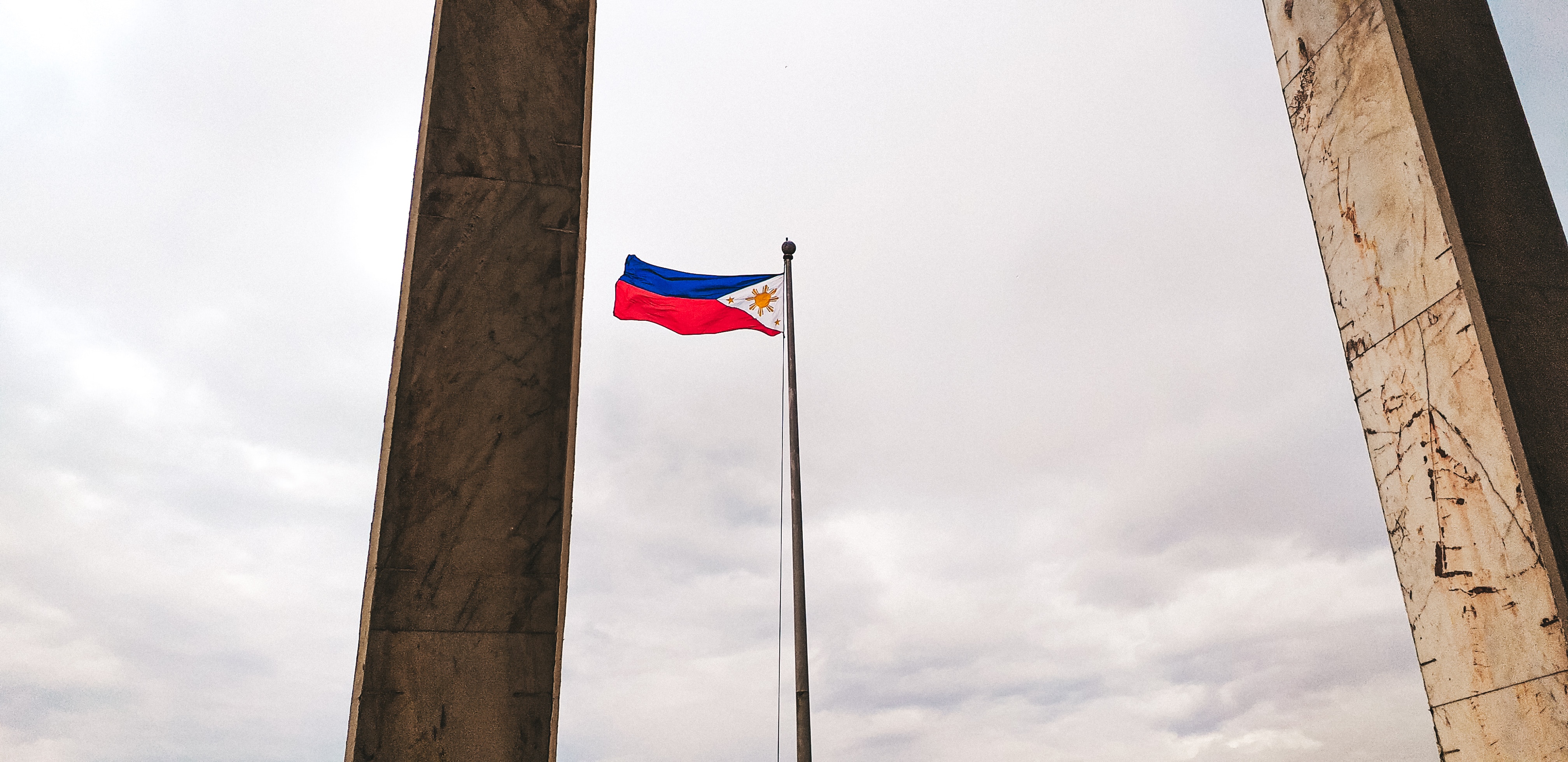
https://asset.coinness.com/en/news/cff389421e61abe59d6ce3bd777eaf88.jpg
Photo by C Bueza on Unsplash

Travel rule clarifications

Local news outlet, the English language newspaper The Philippine Star reported that central bank memorandum 2023-042 provides clarifications on the travel rule for virtual asset service providers (VASPs). The travel rule requires financial institutions to pass on information to the next institution where a transaction takes place.


The BSP aims to bring greater clarity to several aspects, including the applicability of the P50,000 transaction threshold and expectations regarding transactions involving jurisdictions without travel rules. Additionally, further interpretation is being provided concerning the extension of the Philippine travel rule to non-custodial VASPs and regulatory expectations surrounding transactions with unhosted wallets or crypto wallets controlled directly by their owners, rather than managed by third-party service providers.


FATF compliance ambition

This regulatory move is in response to the directives from the Paris-based Financial Action Task Force (FATF). In 2021 the Philippines came under greater scrutiny from the intergovernmental organization, when it was included on its "gray list," making it a candidate for increased monitoring.


The FATF has called upon the Philippines to establish guidelines for the travel rule to prevent terrorists and criminals from exploiting virtual asset transfers for the unrestricted movement of their assets and to detect and prevent misuse effectively.

BSP-supervised financial institutions (BSFIs) are now mandated to scrutinize specific details of virtual asset transfers, including the originator's name, account number used in the transaction, originator's physical address or national identity and the beneficiary's name and account number.


International moves towards compliance

This latest move by the Philippine central bank is not unusual. In recent months, a plethora of similarly motivated central banks around the world have tightened up on crypto regulation as it relates to the FATF directives.


Being on the FATF's "gray list" is bad for a country’s reputation. It has the potential to result in loss of investor confidence and lead to higher compliance costs and greater monitoring. Additionally, it may have an impact on trade relations and damage a country’s ability to access international finance.  Turkey has also found itself on the organization’s gray list. Working towards repairing that situation, Turkey is in the process of establishing a crypto regulatory framework that will be FATF compliant.

In May, Pakistan went a step further in banning cryptocurrency. At the time, its Minister of State for Finance and Revenue, Aisha Ghaus Pasha, stated that the ban had been a requirement for Pakistan’s removal from the FATF gray list.


A tightening of crypto regulations has also occurred in the United Arab Emirates (UAE) and in Hong Kong more recently, as those territories work towards ensuring FATF compliance.


The BSP emphasizes that transactions not surpassing the P50,000 threshold or its equivalent in foreign currency must include the names and account numbers of both the originator and beneficiary. Both originating and beneficiary VASPs are required to establish and adhere to robust sanction screening procedures, ensuring compliance with sanctions lists and preventing transactions involving sanctioned individuals, entities, or jurisdictions.

More to Read
View All
Web3 & Enterprise·

Jan 23, 2024

Coinone receives over 600 applications for development staff recruitment

South Korean cryptocurrency exchange Coinone disclosed that it has received more than 600 applications in two weeks following the start of its mass recruitment for development staff for 2024, according to local news outlet Law Issue on Tuesday (KST).Photo by Clem Onojeghuo on UnsplashOffering hope in a job market downturn"We believe this large influx of applications is due to our recruitment’s role in revitalizing the job market of both domestic and foreign virtual asset industries, which has been inactive lately," the exchange explained. Coinone opened applications on Jan. 8, recruiting employees for a total of eight fields related to development. As of Monday, more than 600 people have applied. The exchange’s website received over 3,000 visitors on the first day of recruitment. The final number of applicants is expected to increase as the application deadline is January 26th. More applications are expected to flood in until the deadline on Jan. 26. Job category preferencesAccording to the applications by job category, applicants were most interested in front-end positions (57.1%), followed by back-end (24.4%) and data (18.4%) positions. More specifically, positions in front-end development (29.8%), data analytics (21.3%) and Android development (15.8%) had the highest application rates. The popularity of these categories can be attributed to a combination of Coinone's corporate identity rooted in its solid technology and a positive outlook for this year’s cryptocurrency market. Throughout last year, the exchange also implemented more than 13 service updates across its trading, information and security services, demonstrating its commitment to service integrity and improvement.

news
Policy & Regulation·

Nov 20, 2023

Ministry of Science and ICT to hold conference to explore future of Web3

Ministry of Science and ICT to hold conference to explore future of Web3The Korean Ministry of Science and ICT is set to host the Next-Generation Web Conference next Monday (local time) at the Science and Technology Convention Center in Seoul. Jointly organized by the Korea Internet and Security Agency (KISA), the Web 3.0 Convergence Technology Forum and the World Wide Web Consortium’s (W3C) Korean office, the event aims to explore Web3’s role in heralding a new era. Experts and attendees will gather to share insights on current Web3 technology trends and industry developments as well as future prospects.Photo by Shubham Dhage on UnsplashWeb3’s promising opportunitiesTouted as the future of the internet, Web3 is recognized for its ability to address current issues with the internet such as platform monopolies and data concentration. As one of the most anticipated emerging industries, it is expected to lead economic and societal transformation through convergence between technologies like blockchain, artificial intelligence and big data.“The growth of new technologies such as big data and blockchain, coupled with the integration of intelligent web technologies, is accelerating the transition to the new Web3 era,” said President Lee Won-tae of the KISA. Regarding the KISA’s role in facilitating this transition, he added, “The KISA will strive to foster a secure and convenient internet environment based on Web3 technologies, promoting the discovery of new services.”Event detailsThe conference will feature two keynote speeches, titled “The Current State of Web3 and Our Readiness” and “Web 3.0 from W3C perspective, and the future of Web.” This will be followed by four sessions, which will delve into various topics such as blockchain business strategies, tokenized securities and Web3 service development.Pre-registration for the conference is open until Sunday, with a chance to win various prizes available for those who register to attend in person. The event will also be livestreamed on YouTube.

news
Web3 & Enterprise·

Nov 29, 2023

Seoul Auction Blue seeks to register security tokens with the FSS for Andy Warhol’s artwork

Seoul Auction Blue seeks to register security tokens with the FSS for Andy Warhol’s artworkSeoul Auction Blue, the operator of fractional artwork investment platform Sotwo, recently submitted an application to the South Korean Financial Supervisory Service (FSS), local news outlet Seoul Economic Daily reported on Wednesday (local time). Its aim is to register security tokens linked to artworks with the financial authority, marking it the third entity in the country to pursue this innovative financial venture.Photo by Guido Coppa on UnsplashAndy Warhol’s ‘Dollar Sign’The artwork investment app plans to issue security tokens based on Andy Warhol’s “Dollar Sign,” a piece measuring 51.0 cm in height and 40.5 cm in length. This artwork was purchased by Seoul Auction Blue at an auction for KRW 626.2 million (approximately $485,000). The total value of the security tokens, inclusive of issuance costs, is approximately KRW 700 million. The firm will issue a total of 7,000 tokens, each valued at KRW 100,000. Upon receiving regulatory approval, Seoul Auction Blue is set to open for subscription requests from Dec. 20 to 26.In its endeavor to issue digital investment contract securities, Seoul Auction Blue has meticulously prepared its documentation in line with the FSS’s guidelines. The selection of the artwork of Andy Warhol, the renowned and iconic 20th-century artist, aligns with the FSS’s recommendation to choose a significant piece by an internationally acclaimed artist. This strategic choice reflects the company’s commitment to compliance and the recognition of Warhol’s global stature in the art world.Preventing conflicts of interestThe registration application submitted by Seoul Auction Blue includes specific restrictions aimed at preventing conflicts of interest with its affiliates related to security tokens. As per these rules, the company is barred from buying idle assets of affiliates to back its security tokens. Instead, Seoul Auction Blue is permitted to acquire them only through public methods like participating in an open bid or a post-sale bid process. Notably, the token issuer is in principle prohibited from purchasing these assets via intermediaries in private sales or any other non-transparent settings.The acquisition of underlying assets requires approval from the compliance monitoring committee. Furthermore, this regulation strips Seoul Auction Blue of the capacity to determine the final trading prices or conditions for these transactions.In addition, the company is collaborating with a couple of securities firms to safeguard investors’ funds, creating a buffer against any potential bankruptcy of the issuer. The funds raised from subscriptions for the security tokens will be managed in accounts overseen by KB Securities. Additionally, an investor protection fund is being set up, which will be handled as a trust fund by Shinhan Securities. This fund acts as an extra layer of security, offering investors enhanced protection for their investments.

news
Loading