Korea’s crypto exchanges resume charging fees, shifting market shares
Korea’s prominent crypto exchanges Bithumb and Korbit have recently resumed charging trading fees, local media outlet Edaily reported. However, these changes in fee policies are reinforcing Upbit’s dominant market position while downsizing Bithumb’s and Korbit’s market shares. Meanwhile, the local banks affiliated with crypto exchanges are benefitting from an uptick in fee revenue from the recent bitcoin boom.
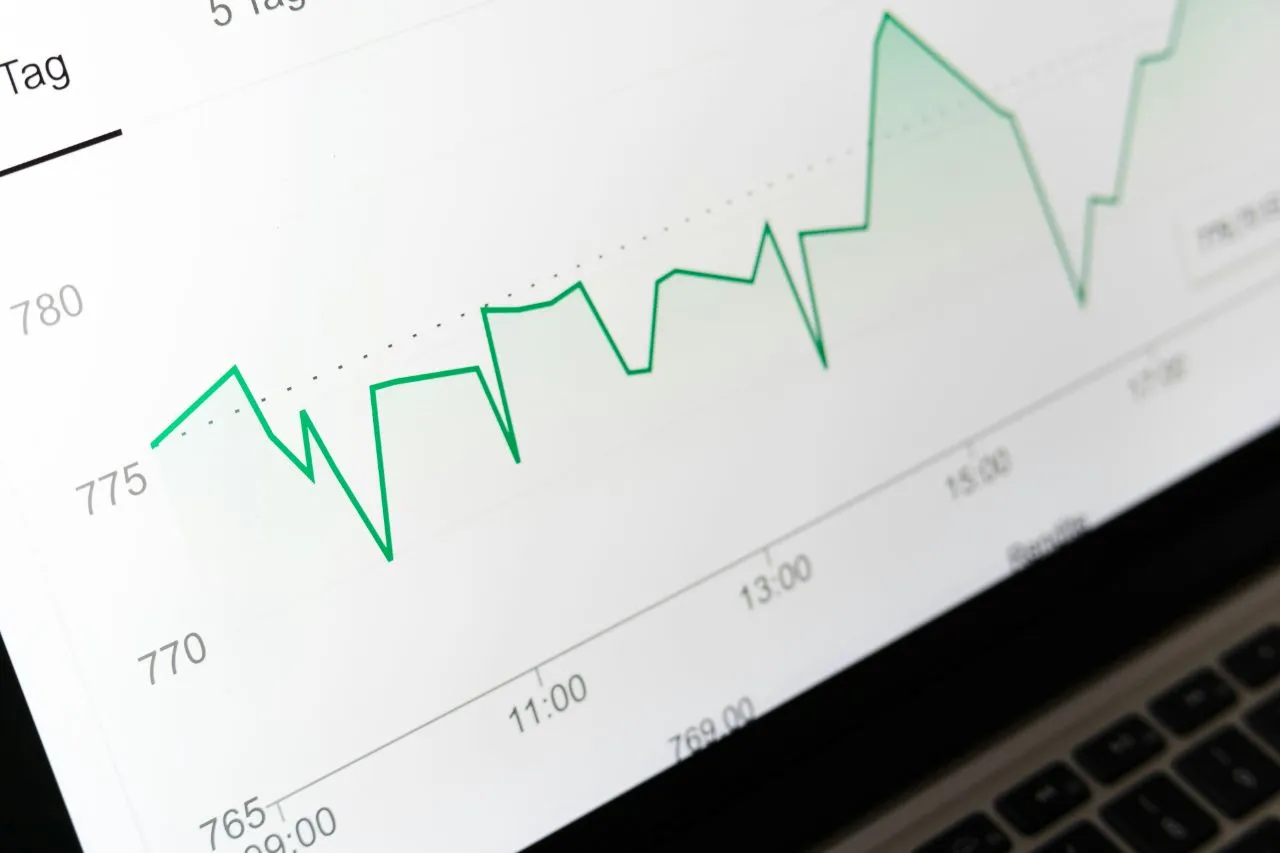
According to crypto data intelligence platform CoinGecko on Feb. 28, Upbit accounted for 77.4% of the local market share in crypto transactions, followed by Bithumb (20.43%), Coinone (1.73%), Korbit (0.35%) and Gopax (0.09%).
Shifts in market shares
As of March 2, the market shares of Bithumb and Korbit decreased by 8.59 percentage points and 0.21 percentage points, respectively. Conversely, Upbit’s dominance grew to 86.57%, up by over 9 percentage points.
A Korbit official said it’s too early to pass judgment on Korbit’s market performance, as the exchange’s policies on trading fees could change depending on the market sentiment. The person added that CoinGecko tracks only eight types of tokens traded on Korbit and does not cover all the transactions on the exchange.
Bithumb had previously benefited from charging no fees, driving up its market share to as high as over 40% in December. Following the decision to impose a fee of 0.04% on Feb. 6, however, the exchange has been experiencing a drop in transaction volume.
Korbit also reinstated trading fees last Thursday, roughly four months after eliminating them on Oct. 10 as a promotional move. However, it's worth mentioning that the newly introduced trading fee is 0.07%, which is lower than the earlier rate of 0.2%.
Meanwhile, Gopax currently exempts fees for users who trade BTC, ETH, XRP and USDC.
No local regulations on fees for crypto transactions
At the moment, there are no local regulations on fees for crypto transactions, leaving the task of setting such fees to individual trading platforms. It is known that crypto exchanges in other countries, such as the U.S., set their own rates as well.