Top

Mt. Gox moves $9B in Bitcoin for first time in years

Markets·May 29, 2024, 8:24 AM

Wallets belonging to the defunct Japanese Bitcoin exchange Mt. Gox have transferred over 140,000 Bitcoin (BTC), valued at approximately $9 billion, to an unknown address. 


Sell-off fears

This significant movement began in the early hours of Tuesday morning in Asia, marking the first such transfer from Mt. Gox’s cold wallets in over five years. Julio Moreno, head of research at CryptoQuant, initially confirmed that 12,239 Bitcoin had been transferred from Mt. Gox over the course of an hour. A short time later, he provided an update on X, stating:

"All coins have been transferred to a new address."


Despite market disquiet, the prevailing view which subsequently emerged is that the transfer is believed to be part of a plan to distribute assets back to creditors before the October 31, 2024 deadline. Alex Thorn, head of research at Galaxy Digital, shared his perspective on X, suggesting that most of the transferred Bitcoin would likely be held by creditors rather than being sold on the open market.


Despite these reassurances, the market reacted negatively for a time. Bitcoin's price dropped by 1.4% since the start of Asian trading hours, falling to a low of $67,680 from a Monday high of over $70,000.
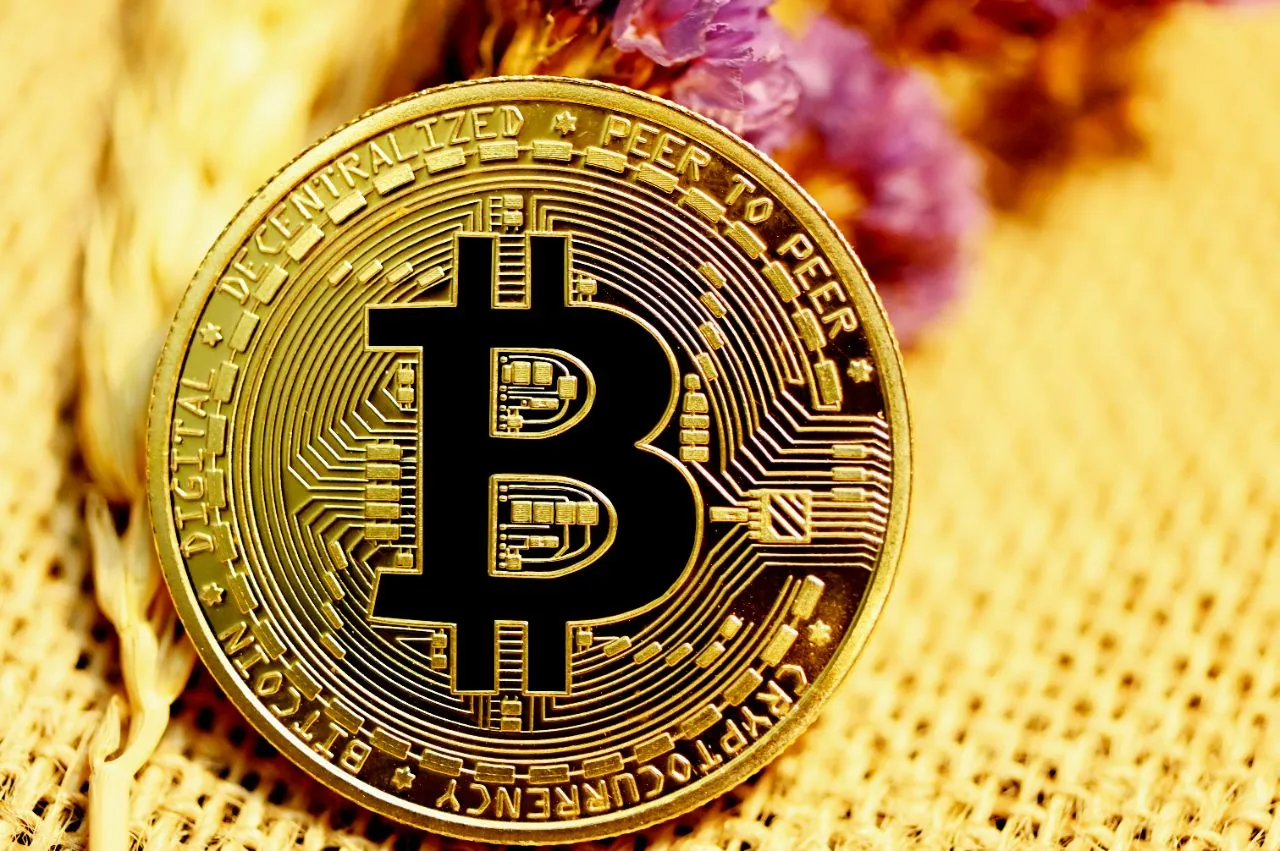
https://asset.coinness.com/en/news/1035212b80c4b1ac157dcf12797a0a1e.webp
Photo by Kanchanara on Unsplash

No Bitcoin Firesale

To quell fears of a massive Bitcoin sell-off, Mark Karpeles, the former CEO of Mt. Gox, addressed the situation on X. He stated:


“As far as I know, everything is fine with MtGox. The trustee is moving coins to a different wallet in preparation for the distribution that will likely happen this year. There is no imminent sale of bitcoins happening."


Rehabilitation trustee Nobuaki Kobayashi also issued a press release, clarifying that no sale of Bitcoin or Bitcoin Cash (BCH) had taken place. He assured that the group was "managing bitcoin and bitcoin cash in a secure manner."


Wallet activity reveals that these movements were executed through thirteen transactions. A test transaction worth $3 was made on May 20, followed by another smaller transaction of $160 early Tuesday. The remaining transactions varied from $1.2 million to $2.2 billion worth of Bitcoin. Bitinfocharts data shows that all of Mt. Gox's Bitcoin has now been consolidated into a single wallet.


A long road to repayment

In September 2023, Mt. Gox’s trustee announced that the repayment deadline had been extended by 12 months to October 31, 2024. It looked like repayments were imminent in November. However, those communications referenced cash repayments rather than the distribution of Bitcoin and Bitcoin Cash. Some cash repayments had started in December 2023. Speculation in January that the bankruptcy estate would begin the distribution of Bitcoin led to market fears of the impact that would have on the Bitcoin unit price. The extension provided a longer timeframe for preparing the distribution of assets to creditors.


Mt. Gox, launched in 2010, quickly rose to prominence, becoming the largest Bitcoin exchange by 2013, handling 70% of all Bitcoin trades worldwide. However, the exchange faced a dramatic downfall in early 2014. 


It suspended trading and stopped all withdrawals after losing hundreds of thousands of Bitcoin in a hack. Subsequently, the site went offline, and the company filed for bankruptcy protection after losing over 800,000 Bitcoins. Creditors have been waiting for repayment ever since.


More to Read
View All
Web3 & Enterprise·

Nov 07, 2023

NEOPIN wallet users gain access to Pala’s NFT marketplace

NEOPIN wallet users gain access to Pala’s NFT marketplaceNEOPIN, a centralized decentralized finance (CeDeFi) platform, has entered into a strategic partnership with South Korean NFT marketplace Pala. This collaboration aims to connect the NEOPIN wallet to Pala’s NFT trading platform, thereby facilitating a more interconnected blockchain ecosystem on a global scale.Photo by Pete Linforth on PixabayNEOPIN wallet integrated into PalaThis partnership paves the way for enhanced user experience, as NEOPIN wallet holders will have the added convenience of trading non-fungible tokens (NFTs) directly on Pala using the virtual assets in their NEOPIN wallets. Furthermore, these wallets will also serve as a repository for purchased NFTs.Additionally, Pala stands to benefit from access to NEOPIN’s international users who have gone through the Know Your Customer (KYC) and anti-money laundering (AML) checks, broadening its market reach.Growing network connectionsNEOPIN is set to aid Pala in establishing connections with NEOPIN’s network of NFT partners. Conversely, Pala will assist NEOPIN with introductions to Pala’s blockchain partners. This collaborative approach leverages their respective strengths, setting the stage for a synergistic relationship.Additionally, the collaboration will involve concerted efforts from both parties to enhance their services and broaden their customer reach. Part of this initiative includes aiding Web2 companies and projects in their Web3 endeavors, as well as rolling out products that are underpinned by real-world assets (RWAs) or offer practical real-life benefits.NEOPIN CEO Kim Yong-ki expressed enthusiasm about the partnership, noting that it is poised to be mutually advantageous, particularly since trust and convenience are core values shared by both companies. Kim further emphasized their commitment to achieving success on an international level, not only through service cooperation but also by utilizing their respective ecosystems.Jason Pyo, CEO of Pala, echoed a similar sentiment, stating that the partnership is set to propel service enhancement, foster the growth of blockchain businesses and contribute to the expansion of the Web3 ecosystem.It’s noteworthy that Pala is a joint venture established by Snow, the mobile video messaging app subsidiary of internet giant Naver, and artificial intelligence (AI) company Alchera. This joint enterprise has claimed a leading position in the Korean NFT trading arena, having exceeded an accumulated trading volume of KRW 30 billion ($23 million) as of April last year.The Pala platform serves as a one-stop shop for NFT services, including NFT minting, secondary market sales and launchpads. It accommodates a range of blockchains like Klaytn, Ethereum and Polygon.NEOPIN has been expanding its offerings to improve user experience, introducing services beyond its DeFi suite. This includes their NFT wallet capabilities. Following its announcement last year to intensify focus on NFT initiatives, NEOPIN has updated its wallets to support multiple NFT standards, such as KIP-17, ERC-721 and EIP-5192.

news
Web3 & Enterprise·

Mar 27, 2024

Coinone updates its mobile app to provide better UX for crypto investors

Coinone, one of the five fiat-to-crypto trading platforms in South Korea, unveiled an upgraded version of its mobile app charts for a better user experience. According to local news source Bizwatch, the update introduces an array of indicators at the bottom of the charts to facilitate more comprehensive analysis. Additionally, the app now includes three new chart features: a display of best orders, the capability to see price alert lines and access to a 90-day transaction history. Since last year, Coinone has rolled out 20 updates aimed at enhancing the trading experience and bolstering security for its users. This year also saw several new features. Among these are the integration of TradingView charts and the addition of share buttons for announcements. Additionally, Coinone recently started providing the functionality to print statements for crypto accounts.Photo by Kanchanara on UnsplashHiring more developersThese enhancements are part of Coinone's continuous efforts to elevate customer satisfaction and refine its services. Despite the downturn that the cryptocurrency industry faced last year, Coinone took a noteworthy step by bringing on board 20 new developers this year. This move underscores Coinone's proactive stance in improving its platform and offerings amidst challenging market conditions. Coinone's focus on meeting customer demands has led to a notable reduction in inquiries. Last year, the exchange reported that its efforts to enhance customer service resulted in a decrease of more than 45% in the number of customer inquiries. Compliance amid changing regulatory environmentMarking its 10th anniversary last month, Coinone has set its sights on emphasizing investor protection and regulatory compliance in anticipation of the upcoming implementation of the Virtual Asset User Protection Act, which is slated to take effect in July.  Cha Myung-hun, the CEO of Coinone, commented on the recent updates, noting that the surge in public interest towards virtual asset investment has prompted the decade-old exchange to enhance its chart functionalities, specifically catering to novice investors. 

news
Policy & Regulation·

Mar 13, 2024

Hong Kong regulator unveils stablecoin sandbox

Following December's release of proposed fiat-referenced stablecoin regulations, the Hong Kong Monetary Authority (HKMA) has progressed further with the introduction of a stablecoin sandbox.Photo by Nextvoyage on PexelsFormulating a regulatory regimeThe regulatory sandbox, announced through a press release published to the regulator’s website on March 12, encompasses stablecoin currencies beyond the Hong Kong dollar, although the HKMA refrained from specifying particular currencies. Eddie Yue, CEO of the HKMA, emphasized the sandbox's role as a platform for constructive dialogue between the regulatory authority and the industry. Yue stated:"The sandbox arrangement serves as an effective channel for the HKMA and the industry to exchange views on the proposed regulatory regime.”Yue further noted that such engagement is pivotal for formulating regulatory requirements conducive to the sustainable and responsible growth of the stablecoin issuance business. The stablecoin sandbox finds its digital footprint within the International Financial Centre on the HKMA's website. The documentation accompanying the sandbox outlines several key requirements for potential participants. These include demonstrating genuine interest and a feasible plan for issuing fiat-referenced stablecoins in Hong Kong, as well as a concrete strategy for engagement within the sandbox. Additionally, applicants must exhibit a reasonable prospect of compliance with the proposed regulatory framework. Minimum capital requirementsOne notable regulation proposed stipulates that issuers must be Hong Kong-based entities with a minimum capital requirement of HK$25 million ($3.2 million) or 2% of the stablecoin issuance, whichever is higher. The HKMA remains vigilant regarding public announcements by sandbox participants, ensuring that such declarations do not misconstrue endorsement or accreditation from the regulatory authority. In late January, reports suggested discussions between Harvest Global Investment, RD Technologies, Venture Smart Financial Holdings and the HKMA regarding their potential entry into the sandbox. Harvest Global Investment, boasting over $200 billion in assets under management, signifies a significant player in this evolving digital assets space.RD Technologies took to the X social media platform to publicize its approval of the HKMA’s stablecoin sandbox. It also availed of the opportunity to outline that it’s in the process of launching a Hong Kong dollar (HKD)-based stablecoin, which will be known by the short-code HKDR.Hong Kong-based fintech firm AnchorX also chimed in, stating that the sandbox is “a pivotal step forward for the industry, enabling informed dialogue and collaboration between regulators and fintech innovators.” Like RD Technologies, AnchorX is also looking to get involved in the stablecoin business, having developed the AxHKD Hong Kong dollar-based stablecoin, which it is currently beta testing, in collaboration with Conflux Network. Juan Leon, crypto analyst with Bitwise Asset Management, suggested that the move is a great initiative, while calling on the U.S. Federal Reserve Chair Jerome Powell to follow Hong Kong’s example. On the tokenization front, Hong Kong made headlines in 2023 with the issuance of the world's largest native digital bond — a green bond exceeding $750 million. Late last year, it also proposed regulations relative to tokenization of real-world assets.Guidance provided to banks on tokenization, coupled with plans for forthcoming legislation, further solidifies Hong Kong's position as a trailblazer in the realm of digital finance.  

news
Loading